
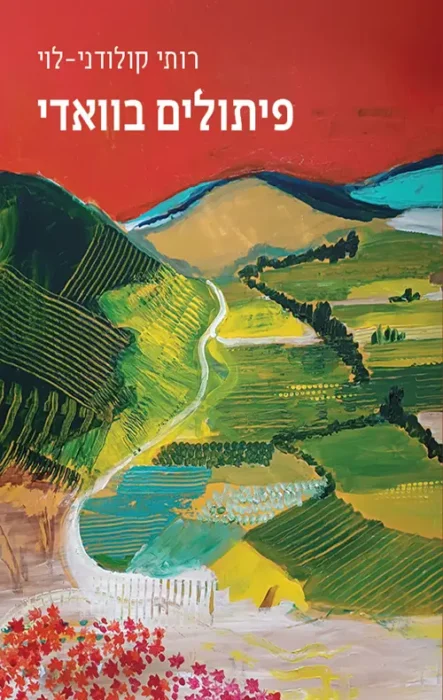
פיתולים בוואדי הוא ספר עמוס שאין לו מרכז כובד. הוא מבקש להכיל כפר, היסטוריה, סכסוך, שב"כ, סיפור אהבה, זיכרון, עקירה, חיים משותפים, טכנולוגיה וסוד משפחתי, אבל כל אלה אינם מתלכדים לרומן שיש לו צורה. הם נערמים זה על גבי זה, עד שהספר קורס תחת המשקל של עצמו.
על הנייר, יש כאן כל מה שיכול היה לעבוד. עין חוד ועין הוד, זיכרון של מקום, אדמה שנכבשה ומותגה מחדש, עבר שלא מת, והווה שמנסה לשפץ הכול ולקרוא לזה התחלה חדשה. זה חומר טעון, מורכב, ישראלי מאוד, וכזה שיכול היה להוליד רומן חד, חכם ומכאיב.
מה שצריך לדעת
רומן ישראלי שמבקש לחבר עין חוד, זיכרון, עקירה, שב"כ, סוד משפחתי וסכסוך פוליטי, אבל מעמיס כל כך הרבה עד שהוא מאבד צורה.
לקוראים שמוכנים לשאת ספרים עמוסים ורבי־קו, ושמוכנים לסלוח על חוסר מיקוד לטובת חומר רעיוני טעון.
חומר הגלם חזק מאוד: מקום, היסטוריה, אדמה, עקירה וזיכרון של עבר שלא מפסיק ללחוץ על ההווה.
הספר אינו בוחר ציר ברור, העלילה נתקעת במקום, והסיום מתפרק לפארסה שמוחקת כמעט את כל מה שנבנה לפניו.
הסופרת אינה בוחרת ציר אחד ברור ובונה עליו ספר. היא מוסיפה עוד דמות, עוד קו זמן, עוד היסטוריה לאומית ופרטית, עוד סוד, עוד קשר בין־דורי. זה לא עומק. זה עומס. והעומס הזה גם אינו יוצר תנועה. הוא רק מחפה על העובדה שהעלילה עצמה עומדת במקום.
עלילה יכולה להיות מסועפת, אבל היא חייבת לנוע. כאן שום דבר אינו מקבל קדימות, ושום דבר גם אינו מתקדם. הקורא נגרר בין דמויות, תקופות, היסטוריות וסודות, בזמן שרלי ויואב, החוט הקבוע היחיד בספר, תקועים בתוך משימה שאינה מתבהרת. המתנה של סוכנים יכולה להיות חומר נפץ ספרותי שמייצר פרנויה ומתח כבוש, אבל כאן היא מייצרת רק פנטזיות הדדיות. המשימה אינה מתקדמת, והמותחן ההיסטורי הזה נשחק לכדי מתח זוגי דהוי. מותחן אינו יכול להרשות לעצמו חצי ספר בלי עלילה.
כשהספר כבר חושף את קלפיו, הכול קורס. הפרק האחרון בעלילה הופך את הכישלון לגלוי לגמרי: כל הבילד־אפ העצום הזה, כל הדמויות, כל הכפר, כל ההיסטוריה, כל הסודיות, כל המבצע, כל ההבטחה למותחן פוליטי־היסטורי, מתנקזים לוידוי זוגי על רצח סמוי, טיוח ראיות, ננו־רובוטיקה של אנטי־נוסטלגיה, ואז השלכת ההחסן לים כמו שני ילדים שברחו משיעור אזרחות, וסגירה עם "בואי, אישה יפה שלי, נחזור למלון". זה לא סיום. זו קריסה.
חוסר הפרופורציה צורם. הספר דורש מן הקורא להתייחס ברצינות לסכסוך, לטרור, לזיכרון, לקשר המשפחתי, לעין חוד ולעין הוד. קשה לעשות זאת כשבקדמת הבמה מככב זוג שפועל כמו חובבנים. הם מחליטים על דעת עצמם מה עושים עם ראיות, מה משמידים, על מי מגינים ומתי פורשים. זה לא טרגי. זה פשוט מטופש, לא רק מוסרית, גם עלילתית. אם אלה אנשי שב"כ, הספר לא הצליח לשכנע אפילו לדקה שהם חושבים או פועלים כמו אנשי שב"כ.
גם הטון קורס. וידוי שאמור לייצר הלם ואימה נמסר כמו דוח פעולה יבש. אין בו מחוברות רגשית למעשה, ואין בו זעזוע. כמה שורות אחר כך הספר כבר גולש אל ים, שקיעה ומלון. זה לא מעבר מתוחכם. זו אטימות גמורה לתוצאות של המעשה.
האירוניה היא שהספר נוגע בחומר חזק באמת: זיכרון של מקום, אבן שזוכרת, עבר שאינו מרפה. אבל במקום לשאת את המשקל של הרעיון הזה, הוא בורח ממנו אל הפנטזיה. זה לא פתרון אלא התחמקות.
לבסוף, הננו־טכנולוגיה של האנטי־נוסטלגיה כבר דוחפת את הספר אל הפארסה. אחרי כל הדיבורים על היסטוריה, בתים, רוחות, כפר, עקירה, זיכרון ויחסי יהודים וערבים, נשלף פתרון שנשמע כאילו רומן היסטורי-פוליטי התנגש בטיוטת מדע בדיוני בינונית. זה רק חושף כמה מעט אמון יש לספר בחומר של עצמו.
כל הדרך הזאת, כל ההר הזה של היסטוריה, זיכרון, מבצע, סוד וטראומה, רק כדי להגיע ל"בואי, אישה יפה שלי, נחזור למלון", היא כמעט בדיחה על חשבון הקורא.
Twists in the Wadi / Ruth Kolodny-Levy
Twists in the Wadi is an overloaded novel with no center of gravity. It tries to contain a village, history, conflict, the Shin Bet, a love story, memory, displacement, coexistence, technology, and a family secret, but none of these elements cohere into a novel with shape. They pile up on top of one another until the book collapses under its own weight.
On paper, everything here could have worked. Ein Hod and Ayn Hawd, memory of place, land that was conquered and rebranded, a past that refuses to die, and a present trying to renovate everything and call it a new beginning. This is charged, complex, deeply Israeli material, the sort that could have produced a sharp, intelligent, painful novel.
But the author never chooses one clear axis and builds a book around it. She keeps adding another character, another timeline, another private and national history, another secret, another intergenerational link. That is not depth. It is clutter. And the clutter does not generate movement either. It merely states that the plot itself stands still.
A plot can be sprawling, but it still has to move. Here, nothing takes precedence, and nothing progresses. The reader is dragged between characters, periods, histories, and secrets while Rali and Yoav, the book's only stable thread, remain stuck in a mission that never comes into focus. Waiting agents can be explosive literary material, capable of producing paranoia and compressed tension, but here it produces little more than mutual fantasies. The mission never advances, and this historical thriller wears down into faded romantic tension. A thriller cannot afford half a book without a plot.
And when the novel finally reveals its hand, everything collapses. The final chapter makes the failure completely visible: all this enormous buildup, all these characters, the village, the history, the secrecy, the operation, the promise of a political-historical thriller, all of it drains into a romantic confession about a concealed murder, buried evidence, anti-nostalgia nanorobotics, then throwing the storage device into the sea like two children skipping civics class, and ending with “Come on, my beautiful woman, let’s go back to the hotel.” That is not an ending. It is a breakdown.
The lack of proportion is jarring. The novel asks the reader to take the conflict, terror, memory, family ties, Ayn Hawd, and Ein Hod seriously. That becomes difficult when the center stage is occupied by a couple who behave like amateurs. They decide on their own what to do with evidence, what to destroy, whom to protect, and when to walk away. It is not tragic. It is simply foolish, not only morally but narratively. If these are supposed to be Shin Bet agents, the novel never convinces for even a minute that they think or act like Shin Bet agents.
The tone collapses, too. A confession that ought to produce shock and horror is delivered like a dry operations report. There is no emotional connection to the act, no sense of rupture. A few lines later, the novel is already gliding toward sea, sunset, and hotel. That is not a sophisticated transition. It is complete tonal numbness to the consequences of what has happened.
The irony is that the novel actually touches something powerful: memory of place, stone that remembers, a past that does not let go. But instead of carrying the weight of that idea, it runs away from it into fantasy. That is not a solution. It is evasion.
Finally, the anti-nostalgia nanotechnology pushes the book into outright farce. After all the talk about history, houses, ghosts, village, displacement, memory, and Jewish-Arab relations, the solution that emerges sounds as if a political-historical novel crashed into a mediocre science fiction draft. It only exposes how little faith the book has in its own material.
This whole road, this whole mountain of history, memory, operation, secret, and trauma, only to arrive at “Come on, my beautiful woman, let’s go back to the hotel,” is almost a joke at the reader’s expense.
לגלות עוד מהאתר Sivi's Books
Subscribe to get the latest posts sent to your email.
2 מחשבות על “פיתולים בוואדי/ רותי קולודני־לוי”
נשמע מייגע… תודה על הסקירה
אכן. וסתם נגרר
תודה מוטיאור