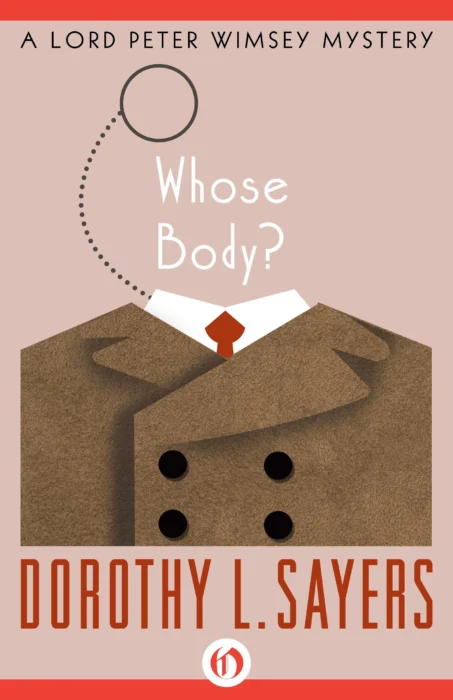
Whose Body? מאת Dorothy L. Sayers הוא ספר הביכורים של לורד פיטר ווימזי, אבל כבר כאן ברור שסיירס אינה מסתפקת בתעלומה אלגנטית. בתוך חידת רצח כפולה היא מכניסה הלם קרב, אירוניה מעמדית ולכלוך תרבותי, ומתחילה לבנות בלש שהוא לא רק מוח מבריק אלא גם אדם שבור.
Whose Body? הוא ספר בכורה מרשים, מפני שדורותי ל. סיירס מבינה כבר כאן שחידת רצח לבדה אינה מספיקה. גבר אלמוני מתגלה מת באמבטיה של מר ת'יפס, כשלגופו רק זוג משקפיים. במקביל נעלם איש הכספים סר ראובן לוי. הפיתוי המיידי הוא לחבר בין שני המקרים, וסיירס יודעת בדיוק איך לעבוד עם הפיתוי הזה. היא בונה תעלומה כפולה, סבוכה, שמכריחה את הקורא לנוע בין כמה מסלולים בלי שהספר יאבד שליטה.
לורד פיטר ווימזי הוא מרכז הכובד האמיתי של הספר. על פניו הוא נראה כמו הפנטזיה האריסטוקרטית המוכרת של תור הזהב: גבר עשיר, משכיל, משועמם, עם ספרייה נדירה, משרת נאמן ויותר מדי פנאי. הוא נהנה מן המשחק הבלשי כמעט בילדותיות, כשהוא מכריז שהוא אוהב נסיבות זעירות, כי לא מעט אנשים נתלו בגלל נסיבות זעירות. אבל סיירס לא נעצרת בפני השטח. היא מעניקה לו שנינות, גינונים וקלות לשון, ואז חושפת הלם קרב, סיוטים ואשמה. הבילוש אצלו איננו רק שעשוע אינטלקטואלי. הוא גם דרך לא להישאר לבד עם עצמו.
ווימזי אינו רק חובבן חינני. הוא אדם שהקלילות שלו היא מנגנון הסוואה.
גם מערכת היחסים בין ווימזי לבאנטר כתובה היטב. הקשר ביניהם נוצר במלחמה ונאלץ להמשיך להתקיים בתוך כללי הטקס של אנגליה המעמדית. סיירס קולטת היטב את האבסורד שבסדר החברתי הזה: שני גברים שדואגים זה לזה באמת, ועדיין אינם יכולים לדבר זה עם זה בשפה חופשית. באנטר נשאר משרת, ווימזי נשאר אדון, גם כשברור לגמרי שהמלחמה יצרה ביניהם קשר עמוק יותר מכללי הנימוס. זו סאטירה עדינה, אבל חדה דיה כדי לחשוף כמה מעוותים הכללים האלה גם כשהם נראים טבעיים לגמרי.
הספר גם מנהל דיאלוג גלוי עם מסורת שרלוק הולמס. ווימזי נהנה להשוות את עצמו להולמס, וסיירס משחקת במודע עם הירושה הזאת: הבלש המבריק, העוזר הנאמן, החידה שמתחילה בפרט זעיר. אבל ווימזי אינו הולמס בתחפושת אריסטוקרטית. הוא פחות מכונה לוגית ויותר אדם שמנסה להישאר בתנועה. שם סיירס מתחילה להתרחק מן המודל ולבנות בלש שיש בו לא רק מוח, אלא גם שבר.
מה שצריך לדעת
ספר הביכורים של לורד פיטר ווימזי, שבו תעלומה כפולה ואלגנטית נפתחת אל שבר נפשי, אירוניה מעמדית ולכלוך תרבותי שלא נשאר בשוליים.
לקוראים שאוהבים תור זהב בריטי, אבל רוצים בלש שאיננו רק מכונת היסק אלא דמות עם פצע, מסכה ועומק.
סיירס מצליחה להפוך את ווימזי מדמות אריסטוקרטית חיננית לאדם שהקלילות שלו היא מנגנון הסוואה, ובכך מרחיבה את גבולות הז'אנר כבר בספר הראשון.
האנטישמיות איננה רעש תקופתי חולף אלא חלק ממשי מן הטקסט, ומי שמבקש תעלומה "נקייה" ייתקל כאן בלכלוך התרבותי שסיירס אינה מנקה.
ב־Whose Body? האנטישמיות איננה הערת שוליים תקופתית, אלא חלק מן הטקסט עצמו. השאלה אם סיירס עצמה "באמת" הייתה אנטישמית פחות מעניינת מן העובדה שהספר מדבר בשפה שספוגה בהנחות אנטישמיות. הניסיון להרחיק את הסופרת מן הדמויות שלה מהר מדי הוא דרך נוחה מדי לנקות את מה שלא צריך לנקות. הקשר התקופתי מסביר משהו. הוא לא מנקה דבר. הספר הזה נושא על גבו את הלכלוך התרבותי של העולם שמתוכו נכתב, וצריך להישיר אליו מבט.
בדיוק בגלל זה Whose Body? הוא יותר מתעלומה אלגנטית של תור הזהב. זה ספר שבו הפשע אינו קורה בוואקום, והבלש אינו מכונה לפתרון חידות. כבר בבכורה שלה סיירס מכניסה לז'אנר פצע נפשי, אירוניה מעמדית, לכלוך תרבותי, ואת ההבנה שחידה טובה יכולה לשאת הרבה יותר מן השאלה מי הניח את הגופה באמבטיה.
החידה נפתרת. הסדק לא. ובדיוק שם סיירס מתחילה להיות סופרת.
Lord Peter Wimsey #1
Whose Body? / Dorothy L. Sayers
Whose Body? is an impressive debut because Dorothy L. Sayers already understands here that a murder puzzle on its own is not enough. An unidentified man is found dead in Mr. Thipps’s bathtub, wearing nothing but a pair of pince-nez. At the same time, the financier Sir Reuben Levy has vanished. The immediate temptation is to connect the two cases, and Sayers knows exactly how to exploit it. She constructs a double mystery, intricate enough to keep the reader moving along several tracks without ever letting the novel lose control.
Lord Peter Wimsey is the book’s true center of gravity. On the surface, he looks like the familiar aristocratic fantasy of the Golden Age: a rich, educated, bored man with a rare library, a loyal servant, and far too much leisure. He takes obvious delight in the detective game, almost childishly, declaring that he likes trivial circumstances, because quite a number of people have been hanged over trivial circumstances. But Sayers does not stop at the surface. She gives him wit, manner, and verbal lightness, then reveals shell shock, nightmares, and guilt. Detection is not merely an intellectual pastime for him. It is also a way of not being left alone with himself.
Wimsey is not just a charming amateur. He is a man whose lightness is a mechanism of disguise.
The relationship between Wimsey and Bunter is also written exceptionally well. Their bond was forged in the war, and they are forced to continue within the rigid etiquette of class-bound England. Sayers understands perfectly the absurdity of that social order: two men who genuinely care for one another, and yet cannot speak to each other in a free language. Bunter remains a servant, Wimsey remains a master, even when it is clear that the war created a connection between them deeper than any code of manners. It is gentle satire, but sharp enough to expose just how distorted those rules are, even when they appear entirely natural.
The novel also enters into an open dialogue with the Sherlock Holmes tradition. Wimsey enjoys comparing himself to Holmes, and Sayers plays consciously with that inheritance: the brilliant detective, the loyal assistant, the mystery that begins with a tiny detail. But Wimsey is not Holmes in aristocratic disguise. He is less a logical machine and more a man trying to keep himself in motion. That is where Sayers begins to move away from the model and build a detective who possesses not only a mind, but a fracture.
In Whose Body?, antisemitism is not some incidental period footnote. It is part of the text itself. The question of whether Sayers herself was “really” antisemitic is less interesting than the fact that the novel speaks in a language saturated with antisemitic assumptions. The urge to separate the author too quickly from her characters is simply a convenient way of cleansing what ought not to be cleansed. Historical context explains something. It absolves nothing. This novel carries on its back the cultural filth of the world from which it was written, and that filth has to be faced directly.
That is precisely why Whose Body? is more than an elegant Golden Age puzzle. It is a novel in which crime does not occur in a vacuum, and the detective is not a machine for solving riddles. Already in her debut, Sayers brings into the genre psychological damage, class irony, cultural stain, and the understanding that a good mystery can carry much more than the question of who placed the body in the bathtub.
The puzzle is solved. The crack is not. And that is exactly where Sayers begins to become a novelist.
לגלות עוד מהאתר Sivi's Books
Subscribe to get the latest posts sent to your email.