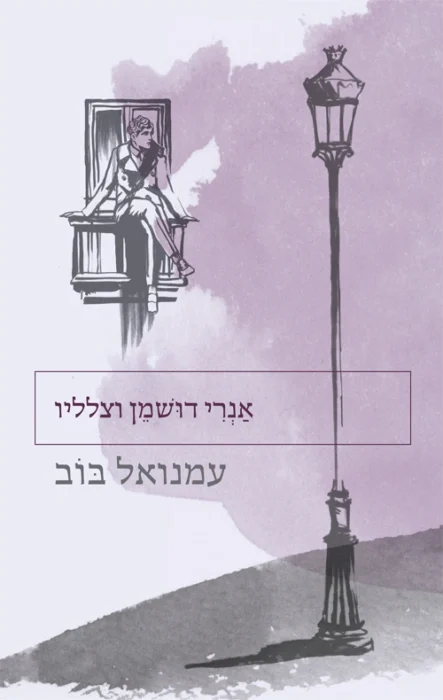
אנרי דושמן וצלליו מאת עמנואל בוב הוא ספר על בני אדם שנמצאים תמיד חצי צעד מחוץ לחיים. הם אינם גיבורים טרגיים או מורדים; הם פשוט שם, נבוכים ושקופים, תלויים במבט של אחר כדי לאשר את קיומם.
האומללות היא אקלים. היא שחיקה מתמשכת. אדם נכנס לחדר, מבקש שיקשיבו לו, ומגלה שהקשיבו לו רק לרגע. אדם חוזר הביתה אחרי שנים ומבין שהמרחק לא נמדד בקילומטרים, אלא בעובדה שאיש לא חיכה לו באמת. זו ספרות של תנועה קטנה, כמעט בלתי נראית, שכואבת דווקא בגלל הדיוק הכירורגי שלה.
מה שצריך לדעת
קובץ סיפורים קצר ומריר על בני אדם שקופים, כאלה שמבקשים הכרה, אהבה או חמלה, ומגלים שגם כשהעולם מביט בהם הוא לא באמת רואה.
לקוראים שאוהבים ספרות פסיכולוגית שקטה, מדויקת וקודרת, כזו שמעדיפה תנועה פנימית קטנה על פני דרמה גדולה.
בוב יודע לכתוב אומללות בלי לקשט אותה. הוא מזהה את המקומות שבהם הצורך להיראות נעשה פתטי, תובעני, מכמיר לב ולעיתים גם לא נעים.
הסיפורים חוזרים מהר מדי לאותה תבנית: אדם מבקש הכרה, העולם משיב באדישות, והדיוק הפסיכולוגי נשאר בתוך מעגל מובס שאינו תמיד מתפתח.
הסיפור הפותח, “אנרי דושמן וצלליו”, מציב את העולם של בוב כמעט באכזריות סכמטית: נדמה שיש לאדם שתי אפשרויות, להישאר אומלל או להימלט מן האומללות במחיר מוסרי בלתי נסבל. דושמן רוצה כסף, הערכה, חירות, חיים שבהם לא ילעגו לו עוד. אבל בוב אינו מאפשר לו להפוך לגיבור של שינוי חברתי או לפושע גדול מן החיים. הוא נשאר קטן גם בתוך החטא שלו. גם כשהוא חוצה גבול, הוא לא נעשה משמעותי יותר. הוא רק מגלה שהאומללות לא נעלמת עם הכסף. היא מחליפה תחפושת.
ב“ידיד אחר” הביקורת חריפה יותר. העני אינו אדם בעיני העשיר, אלא פונקציה. תו גנרי שנועד לאפשר לאחר להרגיש נדיב או מוטרד. זו ביקורת מעמדית וביקורת על עצם המבט החברתי: ברגע שאדם מצטמצם לקטגוריה, אפשר לרחם עליו בלי לראות אותו. רחמים בלי אחריות הם האנושיות הכי אלגנטית שהחברה מציעה.
"ביקור לעת ערב" חושף את המלכודת של טוב הלב האוניברסלי. פול בא אל ז’אן כשהוא נטוש, שבור, מבקש להיאחז במישהו. אבל ככל שהוא מדבר, מתגלה שהבעיה אינה רק שאשתו עזבה אותו. הבעיה היא שהוא לא הבין שאהבה דורשת העדפה. טוב לב שמופנה אל כולם באותה מידה, הופך בתוך זוגיות להיעדר. אישתו רוצה להיות בלתי ניתנת להחלפה בעיניו. השאלה שלה – "באמת הסתכלת עלי?" – היא דרישה לבידול. בוב מבין שראייה אינה פעולה ניטרלית; לראות אדם באמת פירושו להוציא אותו מן השורה. כלומר: אתה לא עוד מקרה, לא עוד פנים, לא עוד גוף בחדר. אתה אתה. פול נכשל בדיוק שם. הוא טוב מדי, שליו מדי, אחיד מדי. החיים שלו מוגנים מפני דרמה, ולכן גם ריקים מן המתח שמעניק לקשר משמעות.
הסיום של הסיפור, הופך את פול מדמות מעוררת חמלה לדמות מטרידה. כשהוא מסרב לאפשר לז’אן ללכת, כשהוא כורך את הישארותו של האחר בהישרדותו הנפשית, הוא מגלה שטוב הלב שלו אינו תמים כל כך. מתחת לשלווה יש תביעה. מתחת לעדינות יש כפייה. הוא אינו יודע להעדיף, אבל יודע היטב ללכוד את האחר באמצעות אשמה.
ב“מה שראיתי” המבט הופך לשדה קרב. השקר היעיל ביותר אינו מעלים את האמת, אלא מזהם אותה בספק עד שהאדם כבר לא יודע אם הוא נבגד או חולה. ז’אן רואה עובדה מוצקה, אך נגרר בעל כורחו למאבק על עצם תוקף הראייה שלו. האישה אינה מסתפקת בהכחשה; היא מערערת אותו והופכת את הקנאה שלו לתחליף למציאות.
זהו הכאב של אמת שאין עוד דרך לעגן אותה. ב"שובו של הילד" הדינמיקה הזו עוברת למרחב המשפחתי: אדם יכול לעמוד קרוב להוריו ועדיין להישאר נשכח. החזרה הביתה אינה מביאה פיוס, אלא חושפת את עומק אי־השייכות. שום דבר לא קרה, וזה בדיוק האסון.
המגבלה של הקובץ טמונה בכך שבוב לא רק חוזר על התבנית, אלא יוצק את המציאות לתוכה. אדם מבקש הכרה, העולם משיב באדישות, והאדם מתכווץ. הקורא מזהה את המסלול מהר מדי. הדיוק הפסיכולוגי מרשים, אך חסרה התפתחות רעיונית שתפרוץ את המעגל המובס.
לכן הספר טוב, אבל לא מסעיר. הוא אינו ספר של תדהמה, אלא של אישור קודר. הוא לא פותח עולם חדש; הוא מחדד עולם מוכר: העולם שבו בני אדם רוצים להיות נראים, אך רוב הזמן משמשים זה לזה מראות עקומות, קביים רגשיים או קטגוריות חברתיות נוחות. בוב אינו מנחם, אבל הוא גם לא תמיד מעמיק מעבר לזיהוי.
ההישג המריר שלו נמצא דווקא בסירוב הזה: לא לייפות את החולשה, לא להפוך אותה לקדושה, ולא להעמיד פנים שהצורך להיראות הוא תמיד דבר יפה. בוב כותב את הצורך האנושי הבסיסי ביותר, שמישהו יראה אותנו לא כתחליף, לא כעני, לא כבן זוג נוח, לא כמקרה עצוב, אלא כאדם מסוים. הוא יודע שהצורך הזה עלול להיות פתטי, תובעני, אפילו מניפולטיבי. הוא יודע שגם הקורבן יכול להיות לא נעים. זו אחת הסיבות שהספר מעניין.
אנרי דושמן וצלליו הוא ספר קטן וטוב על בני אדם שלא מצליחים להיחלץ מן הצל של עצמם. לא ספר שמעיף את המוח. יותר ספר שמכניס אותו לחדר קטן, סוגר את הדלת, ומשאיר אותו לבד עם ההבנה הלא נעימה שהאומללות, אצל בוב, אינה סערה. היא רהיט.
Henri Duchemin and His Shadows / Emmanuel Bove
Emmanuel Bove writes about people who are always half a step outside life. They are not tragic heroes or rebels; they are simply there, embarrassed and transparent, dependent on another person’s gaze to confirm their existence. That is the source of the power of Henri Duchemin and His Shadows, and also its precise limit.
Misery is a climate. It is a slow erosion. A person enters a room, asks to be heard, and discovers that he was listened to only for a moment. A person returns home after years and realizes that distance is not measured in kilometers, but in the fact that no one was truly waiting for him. This is literature of small movement, almost invisible, painful precisely because of its surgical accuracy.
The opening story, “Henri Duchemin and His Shadows,” presents Bove’s world with almost schematic cruelty: it seems that a person has only two options, to remain miserable or to escape misery at an unbearable moral cost. Duchemin wants money, esteem, freedom, and a life in which no one will mock him anymore. But Bove does not allow him to become a hero of social change or a larger-than-life criminal. He remains small even within his sin. Even when he crosses a line, he does not become more significant. He merely discovers that misery does not disappear with money. It changes costumes.
In “Another Friend,” the critique is sharper. The poor person is not a person in the eyes of the rich, but a function. A generic sign that allows someone else to feel generous or troubled. This is both a class critique and a critique of the social gaze itself: once a person is reduced to a category, one can pity him without seeing him. Pity without responsibility is the most elegant humanity society has to offer.
“An Evening Visit” exposes the trap of universal kindness. Paul comes to Jean, abandoned and broken, trying to hold on to someone. But the more he speaks, the clearer it becomes that the problem is not only that his wife has left him. The problem is that he never understood that love requires preference. Kindness directed equally toward everyone becomes, within a relationship, an absence. His wife wants to be irreplaceable in his eyes. Her question, “Did you really look at me?” is a demand for distinction. Bove understands that seeing is not a neutral act. To truly see a person means to remove them from the line. You are not another case, another face, another body in the room. You are you. Paul fails precisely there. He is too kind, too calm, too uniform. His life is protected from drama and, therefore, empty of the tension that gives a relationship meaning.
The story's ending turns Paul from a pitiable figure into a disturbing one. When he refuses to allow Jean to leave, when he ties the other person’s staying to his own emotional survival, he reveals that his kindness is not so innocent after all. Beneath the calm lies a demand. Beneath the gentleness, there is coercion. He does not know how to prefer, but he knows very well how to trap another person through guilt.
In “What I Saw,” the gaze becomes a battlefield. The most effective lie does not erase the truth, but contaminates it with doubt until a person no longer knows whether he has been betrayed or is simply unwell. Jean sees a solid fact, yet he is dragged into a struggle over the very validity of his own sight. The woman is not content with denial; she destabilizes him and turns his jealousy into a substitute for reality.
This is the pain of a truth that can no longer be anchored. In “The Return of the Child,” this dynamic moves into the family sphere: a person can stand close to his parents and still remain forgotten. The return home brings no reconciliation, but exposes the depth of non-belonging. Nothing has happened, and that is exactly the disaster.
The limitation of the collection lies in the fact that Bove does not merely repeat the pattern; he pours reality into it. A person asks for recognition, the world answers with indifference, and the person shrinks. The reader recognizes the path too quickly. The psychological precision is impressive, but what is missing is a conceptual development that would break through the circle of defeat.
That is why the book is good, but not thrilling. It is not a book of astonishment, but of bleak confirmation. It does not open a new world; it sharpens a familiar one: the world in which human beings want to be seen, but most of the time serve one another as crooked mirrors, emotional crutches, or convenient social categories. Bove offers no comfort, but he also does not always deepen beyond recognition.
His bitter achievement lies precisely in that refusal: not to beautify weakness, not to turn it into holiness, and not to pretend that the need to be seen is always beautiful. Bove writes that the most basic human need is for someone to see us not as a substitute, not as a poor person, not as a convenient partner, not as a sad case, but as a specific human being. He knows that this need can be pathetic, demanding, even manipulative. He knows that the victim, too, can be unpleasant. That is one of the reasons the book is interesting.
Henri Duchemin and His Shadows is a small and good book about people who cannot escape their own shadows. Not a mind-blowing book. More like a book that places the mind in a small room, closes the door, and leaves it alone with the unpleasant understanding that misery, in Bove’s world, is not a storm. It is a piece of furniture.
לגלות עוד מהאתר Sivi's Books
Subscribe to get the latest posts sent to your email.