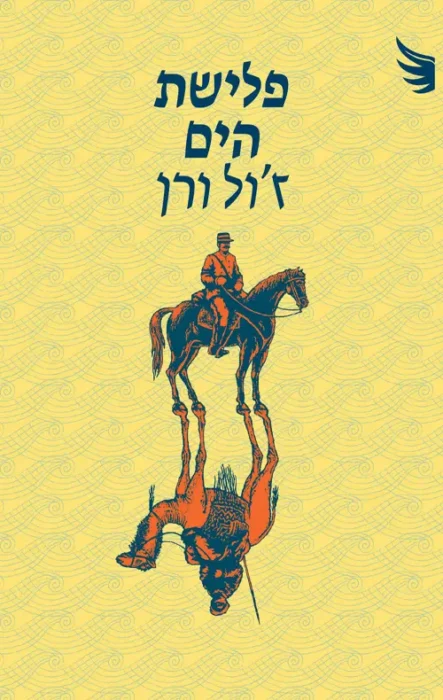
לפני כמה חודשים יצא תרגום דיגיטלי חדש לפלישת הים, רומן האחרון שפרסם ז'ול ורן בחייו. הספר ראה אור במקור ב־1905, והוא רלוונטי מאוד גם היום. התחלתי אותו כמעט במקרה, ונשאבתי מיד לספר שיש בו גם מאבק בין שתי ציוויליזציות, גם יוהרה קולוניאלית צרפתית, וגם טבע שאינו מתרשם כלל מניסיונות הביות של האדם.
ז'ול ורן של שנותיו האחרונות, בראשית המאה העשרים, מפוכח, מריר, קצבי וחד כתער.
הצרפתים של פלישת הים אינם מסתפקים בכיבוש שטח. הם מבקשים לשכתב אותו. התוכנית להציף חלק מן הסהרה ולהפוך אותו לים פנימי מוצגת כהישג הנדסי. בפועל זו אלימות גיאוגרפית. המקומיים מבינים זאת מיד. הם אינם מתווכחים על יעילות הפרויקט, אלא על עצם זכותם של הזרים להפוך את נאות המדבר והמישורים שלהם לים. "אנחנו אנשי האדמה, ואת הז'ריד חוצים על גמל ולא בסירה", מטיחים בהם אנשי הדת. זה משפט גדול, מפני שהוא מחזיר את הוויכוח אל הקרקע, לא אל המפה, לא אל החזון, לא אל רווחי המסחר, אלא אל הגוף, אל התנועה, אל החיים כפי שחיו אותם שם דורות.
זו מלחמה בין שתי תפיסות עולם. מצד אחד עומדת אירופה, שבטוחה שכל מרחב הוא טיוטה שמחכה למהנדס. מצד שני עומדים אנשים שמבינים כי שינוי הקרקע, האקלים ונתיבי המסחר אינו "פיתוח" אלא מכירת חיסול של עולם שלם. הפגיעה כאן חומרית, אנושית ואקולוגית, אבל ההיבריס הצרפתי מעוור את אנשיו. מאחורי שפת הקדמה מסתתרת אותה אמת ישנה של הקולוניאליזם: מי שמבטיח שגשוג הוא בדרך כלל מי שמתכנן אותו לעצמו.
מה שצריך לדעת
רומן מאוחר של ז'ול ורן על ניסיון צרפתי להציף חלק מן הסהרה, ועל המפגש האלים בין פנטזיית קדמה אירופית לבין עולם שמסרב להיכתב מחדש.
לקוראים שאוהבים קלאסיקות חדות, ספרות מסע והרפתקה עם שיניים, וטקסטים שקוראים קדמה כמהלך של כוח ולא של תמימות.
הדרך שבה ורן הופך פרויקט הנדסי לכתב אישום נגד יוהרה קולוניאלית, בלי לוותר על קצב, מתח ותחושת איום אמיתית.
הטוארגים נשארים ברובם צל וסמל יותר מדמויות מלאות, והספר בוחר לעתים באפקט האיום על פני מורכבות אנושית ממשית.
ורן אינו מעניק לצרפתים מלחמה נוחה, כזו שאפשר להפוך למיתוס גבורה. אין כאן עימות צבאי מסודר, אלא פחד, שמועות, תסיסה ותחושת איום שאי אפשר למפות. מעל הפרויקט כולו מרחפת סכנה מתפשטת אך בלתי נראית, חרדה שקודמת לאסון, בדידות עצומה, ומרחב שבו הכול סמוי מן העין. הטוארגים כמעט אינם מופיעים כדמויות מלאות, אלא כצל מתמשך, סיוט שנוכח גם כשהוא אינו נראה. זה מה שעושה אותם לאפקטיביים כל כך. הם אינם רק אויב. הם כל מה שהאימפריה אינה יודעת לקרוא.
המדבר אצל ורן אינו ריק. הוא חי, מאיים, ערמומי, וגם צודק יותר מכל המהנדסים שמסתובבים עליו עם שרטוטים. הסערות "מתקדמות מעצמן", כאילו יש להן מנוע פנימי. המחפרים והדחפורים נראים כמו זרועות של מפלצות. לרגעים נדמה שהקדמה עצמה היא היצור הזר באמת, פלישה מכנית מכוערת למקום שיש לו קצב אחר, אכזרי אבל אורגני. זו האירוניה הגדולה של הספר: הצרפתים מגיעים בשם הסדר, אבל כל מה שהם מביאים איתם נראה כמו עיוות.
ורן המאוחר כבר אינו מאוהב במכונה. הוא מפוכח מכדי להשתחוות לה. בפלישת הים המכונה אינה הבטחה אלא זרוע של יהירות. המפה אינה כלי ידע אלא מסמך כוח. והמהנדס האירופי אינו מגלה ארצות, אלא אדם שמשוכנע שהעולם מחכה שיסדרו אותו. זו כתיבה מרירה, לעיתים אפילו אכזרית, אבל לא מתה לרגע. להפך. היא נעה במהירות, בונה מתח, ויודעת לייצר תחושת בהילות אמיתית.
במונחים של ורן, זה איננו רק פרויקט פוליטי. זהו פרויקט דמיוני, ניסיון לכפות על העולם צורה אחת של תנועה, של רווח, של שליטה. הפירוט ההנדסי האובססיבי בספר אינו פגם עלילתי, אלא חלק מהפסימיות הצלולה שלו; זוהי ההבנה שחתירה עיוורת קדימה אינה מבטיחה התקדמות. לפעמים היא רק דרך ארוכה, יהירה והרסנית, אל שום מקום.
The Invasion of the Sea / Jules Verne
A few months ago, a new digital translation of the last novel Jules Verne published in his lifetime came out. The book was originally published in 1905, and it feels strikingly relevant even today. I began it almost by accident and was immediately pulled into a novel that pits two civilizations against each other: French colonial arrogance and a natural world utterly unimpressed by human attempts to domesticate it.
The late Jules Verne, writing at the beginning of the twentieth century, is lucid, bitter, fast-paced, and razor-sharp.
The French in The Invasion of the Sea are not content merely to conquer territory. They seek to rewrite it. The plan to flood part of the Sahara and turn it into an inland sea is presented as an engineering triumph. In reality, it is geographic violence. The locals understand this immediately. They do not argue about the efficiency of the project, but about the very right of foreigners to turn their oases and plains into a sea. “We are people of the land, and the Jerid is crossed on camel, not by boat,” the religious leaders tell them. It is a great line, because it pulls the debate back to the ground, not to the map, not to the grand vision, not to commercial gain, but to the body, to movement, to life as generations had actually lived it there.
This is a war between two worldviews. On one side stands Europe, convinced that every landscape is merely a draft waiting for an engineer. On the other stand people who understand that changing the ground, the climate, and the trade routes is not “development” but a liquidation sale of an entire world. The damage here is material, human, and ecological, but French hubris blinds its own agents. Behind the language of progress lies the old truth of colonialism: the one who promises prosperity is usually the one planning it for himself.
Verne does not give the French a convenient war, the sort that can easily be turned into a myth of heroism. There is no clean military confrontation here, but rather fear, rumor, unrest, and a sense of threat that cannot be mapped. Over the entire project hovers a spreading but invisible danger, an anxiety that precedes disaster, immense loneliness, and a landscape in which everything remains partly concealed. The Tuareg scarcely appear as fully rounded characters; instead they function as a lingering shadow, a nightmare present even when unseen. That is exactly what makes them so effective. They are not merely the enemy. They are everything the empire does not know how to read.
In Verne’s hands, the desert is not empty. It is alive, threatening, cunning, and more just than all the engineers wandering across it with blueprints. The storms “advance on their own,” as if they have an internal engine. The excavators and dredgers look like the arms of monsters. At moments, it seems that progress itself is the true alien creature here, a grotesque mechanical invasion into a place that has its own rhythm, harsh but organic. That is the book’s great irony: the French arrive in the name of order, but everything they bring with them looks like distortion.
The late Verne is no longer in love with the machine. He is too lucid to worship it. In The Invasion of the Sea, the machine is not a promise but an arm of arrogance. The map is not an instrument of knowledge but a document of power. The European engineer is not an explorer, but a man convinced that the world is waiting to be arranged by him. This is bitter writing, sometimes almost cruel, but never lifeless. On the contrary. It moves quickly, builds real tension, and knows how to create a true sense of urgency.
In Verne’s terms, this is not merely a political project. It is an imaginative one, an attempt to impose on the world a single form of movement, profit, and control. The obsessive engineering detail in the novel is not a narrative flaw but part of its clear-eyed pessimism: the understanding that blind forward motion does not guarantee progress. Sometimes it is only a long, arrogant, destructive road to nowhere.
לגלות עוד מהאתר Sivi's Books
Subscribe to get the latest posts sent to your email.
1 מחשבה על “פלישת הים/ ז'ול ורן”
תודה על ההמלצה. נשמע מעניין.