
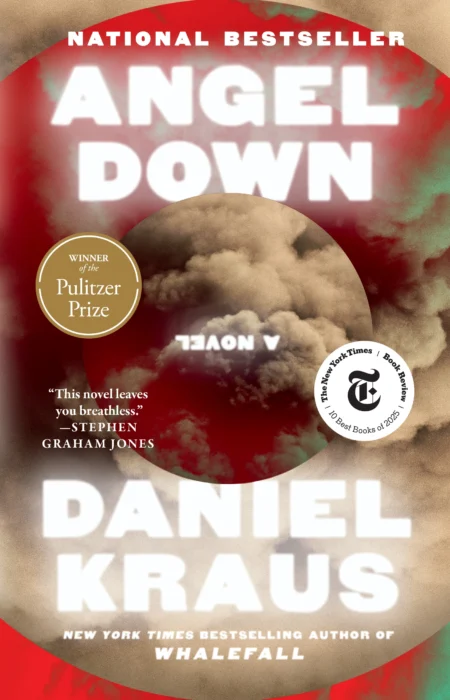
Angel Down, זוכה פרס פוליצר לשנת 2026, מבקש להפוך את מלחמת העולם הראשונה לגיהנום צורני: משפט אחד ארוך, תודעה אחת מרוסקת, מלאך אחד שנופל אל שדה הקרב ומגלה שהאדם אינו זקוק לשדים כדי להיות מפלצת. הרעיון חזק. הביצוע, בעיני, הרבה פחות.
מה שצריך לדעת
רומן מלחמה פנטסטי המתרחש בשטח ההפקר של מלחמת העולם הראשונה, שבו חיילים בריטים נשלחים לחלץ פצוע ומגלים מלאך שנפל אל שדה הקרב.
לקוראים שאוהבים ספרים שאפתניים, ניסיוניים וצורניים, מלחמת עולם ראשונה, אימה היסטורית, אלגוריות מוסריות וספרות שמוכנה להיות לא נוחה בכוונה.
היומרה הצורנית מתישה, הדמות המרכזית נשארת זמן רב מדי באותו תדר דוחה, והמלאך עצמו מתפקד יותר כסמל מאשר כדמות שמצדיקה את כל המשקל שהספר מטיל עליו.
הרעיון שהמלאך אינו גואל את האדם, אלא חושף את מה שהמלחמה כבר עשתה לו. רעיון חזק מאוד, אבל כזה שהספר מסביר יותר מדי במקום לתת לו לפגוע לבד.
Angel Down מתרחש בחזית מלחמת העולם הראשונה, בשטח ההפקר שבין השוחות, המקום שבו האנושות כבר ויתרה על יומרת הציוויליזציה ונשארה עם בוץ, גופות ופחד. סיריל באגר, חייל בריטי בזוי אך עיקש, נשלח עם ארבעה חיילים נוספים לחלץ פצוע, אך החבורה מגלה בשדה הקרב יצור אחר לגמרי: מלאך שנפל, פצוע לכאורה מאש ארטילרית. מה שמתחיל כאפשרות כמעט מיסטית לגאולה או לסיום המלחמה מתפורר במהירות אל מאבק של חמדנות, חשדנות ואלימות, עד שהמלאך נעשה מראה אכזרית למה שהמלחמה כבר עשתה לאדם.
הספר כתוב כמעשה התשה מכוון. הפרקים מסומנים במספרים רומיים, נפתחים שוב ושוב ב“וגם”, והמשפט נמשך ונמשך, כאילו גם התחביר נתקע בשטח ההפקר ואינו יודע איך לצאת ממנו. יש בזה היגיון אמנותי: מלחמה שאין לה סוף, מחשבה שאין לה מנוחה, גוף שנגרר קדימה בלי יכולת לעצור. אבל היגיון אמנותי אינו חסין מעייפות, ריקנות וחזרה עצמית. הספר מתאר גיהנום ומאלץ את הקורא לגור בתוך מנגנון ספרותי שמסרב לשחרר אותו, ולא תמיד ברור אם זו חוויה או עונש.
סיריל באגר, הדמות המרכזית, הוא אדם בזוי כמעט במוצהר. הוא שורד באמצעות רמאות, ערמומיות וחוסר בושה, ואינו יוצא דופן במיוחד בתוך חבורת החיילים שנשלחת אל שטח ההפקר. כולם מגיעים לשם כסוג של שאריות אנושיות של החטיבה, אנשים שהמלחמה כבר קילפה מהם את העמדת הפנים הנחמדה. אלא שהדחייה מבאגר אינה מובילה למורכבות. הספר מבקש להראות אדם שהמלחמה קילפה ממנו כל יומרה מוסרית, אבל בפועל הוא נשאר זמן רב מדי באותו תדר: גס, אנוכי, וולגרי. אנשים מתים סביבו, החזית מתפוררת, מלאך נופל מן השמים, והוא עדיין נשמע בעיקר כמו אדם שהעולם כולו מפריע לו לשרוד. בשלב מסוים זה לא דיוקן אכזרי של נפש במלחמה, אלא מונולוג פנימי מייגע של אדם שלא נעים לשהות איתו.
גם דמות המלאך, שאמור להיות המרכז המטפיזי של הספר, לא מוצדקת. בתחילה הוא מופיע כיצור שמימי כמעט קלאסי: אתרי, זוהר, זר למלחמה. הוא נשאר זמן רב מדי סמל ולא דמות. רק בשלבים האחרונים הוא מתחיל להשתנות, להחשיך, להחזיר לחיילים את האלימות שהם משליכים עליו. זה רעיון מעניין, אפילו יפה: המלאך אינו גואל את האדם, אלא נחשף למה שהאדם עושה לכל דבר שהוא נוגע בו. לדעתי הסופר אינו סומך על הרעיון הזה. הוא מתחיל להסביר אותו. ואז להסביר עוד קצת. ואז לנאום. והסיום פשוט קטסטרופה. כמו המלחמה עצמה.
כשספר על מלחמת העולם הראשונה מגיע למסקנה שמלחמות הן נוראיות, שהקפיטליזם טורף בני אדם, ושבני האדם הופכים כל דבר קדוש לעוד כלי של כוח, הוא לא בדיוק מגלה יבשת חדשה. אלה טענות נכונות, אבל נכונות אינה מספיקה. ספרות אינה מקבלת פרס רק על כך שהיא עומדת בצד הנכון של המוסר ומצביעה על הגופות. היא צריכה לעשות עם הידיעה הזאת משהו חד יותר, עמוק יותר, פחות מובן מאליו.
המהפך של באגר בחלק האחרון הוא המסמר בארון הקבורה של הספר. מדמות שעסוקה בעצמה, בגופה ובהישרדותה, הוא הופך לפתע לדמות כמעט נבואית, כזו שרוצה לשים קץ לכל המלחמות. זה יכול היה לעבוד אילו הספר היה בונה את הסדק הזה בהדרגה. אבל מהפך של 180 מעלות הוא לא התגלות, הוא קפיצה. וכשקפיצה כזאת עטופה בנאום מוסרי גדול, היא מתחילה להיראות פחות כמו חסד ויותר כמו צורך של המחבר להביא את הרומן אל משפט סיום גדול. רצוי כזה שוועדות פרסים יוכלו לצטט בלי להתלכלך בבוץ.
אני יכולה להבין למה Angel Down זכה להערכה: הוא שאפתני, חריג, עיקש, צורנית הוא הולך עד הסוף. אבל שאפתנות אינה שקולה להצלחה. לפעמים ספר רץ אל הגיהנום עם רעיון גדול ביד, ובדרך שוכח לקחת איתו רומן.
Angel Down / Daniel Kraus
Angel Down, the 2026 Pulitzer winner, tries to turn the First World War into a formal hell: one long sentence, one shattered consciousness, one angel falling into battle and discovering that human beings don't need demons to become monsters. The idea is strong. The execution, in my view, is much less so.
Angel Down takes place on the front lines of the First World War, in the no-man's-land between the trenches, where humanity has already given up the pretense of civilization and is left with mud, bodies, and fear. Cyril Bagger, a despised but stubborn British soldier, is sent with four other soldiers to rescue a wounded man. Still, the group discovers something entirely different on the battlefield: a fallen angel, apparently injured by artillery fire. What begins as an almost mystical possibility of redemption or an end to the war quickly falls apart into greed, suspicion, and violence, until the angel becomes less a heavenly promise and more a brutal mirror of what the war has already done to man.
The book is written as an act of deliberate exhaustion. The chapters are marked in Roman numerals, repeatedly open with "and also," and the sentence continues, as if the syntax itself is stuck in no man's land and does not know how to get out. There is artistic logic in this: a war without end, a thought without rest, a body dragged forward without the ability to stop. But artistic logic is not immune to fatigue, emptiness, and repetition. The book describes hell and forces the reader to live within a literary mechanism that refuses to release him; it is not always clear whether this is an experience or a punishment.
Cyril Bagger, the central character, is almost openly contemptible. He survives through fraud, cunning, and shamelessness, and he is not especially unusual among the group of soldiers sent into no man's land. They all arrive there as a kind of human residue of the unit, people from whom the war has already stripped the polite performance of decency. But the revulsion Bagger produces does not become complex. The book wants to show a man from whom war has peeled away every moral pretense, but in practice, he remains for too long on the same frequency: crude, selfish, vulgar. People die around him, the front collapses, an angel falls from the sky, and he still sounds mostly like a man annoyed that the entire world is interfering with his survival. At some point, this is no longer a brutal portrait of a soul at war, but a tiring internal monologue of a person one does not enjoy spending time with.
The angel, who is supposed to be the book's metaphysical center, does not justify his presence either. At first, he appears as an almost classical heavenly being: ethereal, luminous, foreign to war. But precisely because of that, he remains a symbol for too long rather than a character. Only in the final stages does he begin to change, to darken, to reflect to the soldiers the violence they project onto him. This is an interesting idea, even a beautiful one: the angel does not redeem man; rather, it is exposed to what man does to everything it touches. In my opinion, the writer does not trust this idea. He begins to explain it. Then explain it some more. Then preach. And the ending is simply a catastrophe like the war itself.
When a book about the First World War arrives at the conclusion that wars are terrible, that capitalism devours human beings, and that humans turn every sacred thing into another tool of power, it is not exactly discovering a new continent. These claims are true, but truth is not enough. Literature does not receive a prize merely for standing on the correct side of morality and pointing at the bodies. It has to do something sharper, deeper, less obvious with that knowledge.
Bagger's transformation in the final part is the final nail in the book's coffin. From a character consumed by himself, his body, and his survival, he suddenly becomes an almost prophetic figure, one who wants to end all wars. This could have worked if the book had gradually built that crack. But a 180-degree transformation is not revelation; it is a leap. And when such a leap is wrapped in a grand moral speech, it begins to look less like grace and more like the author's need to bring the novel to a big closing sentence. Preferably one that prize committees can quote without getting mud on themselves.
I can understand why Angel Down received appreciation: it is ambitious, unusual, stubborn, and formally it goes all the way. But ambition is not the same as success. Sometimes a book runs toward hell with a big idea in its hand, and along the way forgets to take a novel with it.
לגלות עוד מהאתר Sivi's Books
Subscribe to get the latest posts sent to your email.
3 מחשבות על “Angel Down/ Daniel Kraus”
ביקורות טובה
תודה על הסקירה. הרעיון נשמע נהדר אבל נראה שהספר לא שם…
ממש לא ממש ממש ויש בו תיאורים גרפיים מזעזעים