Please scroll down for an English review.
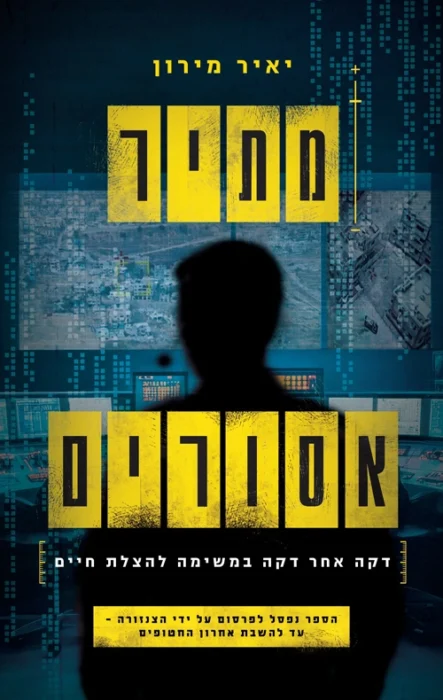
יאיר מירון כותב במתיר אסורים על 7 באוקטובר מן המקום שבו האסון הפך לחדר עבודה: חדר מלא מסכים, אנשים עייפים, ופיסות מידע שצריך להפוך לקטגוריות לפני שהן בולעות את כולם. הוא קצין שו"ן שכותב מהימים הראשונים שאחרי האסון, כשהמדינה ניסתה להבין מי נעדר, מי נרצח, מי נחטף, מי חי ומי מת, בתוך חור שחור של מידע. מירון לא מביט על האירוע מלמעלה, מתוך מרפסת הפרשן בדיעבד. הוא נמצא בחדר. וזה ההבדל.
מה שצריך לדעת
ספר עדות עיון על עבודת השו״ן אחרי 7 באוקטובר, מתוך חדרי המידע, החמ״לים והניסיון להפוך כאוס לקטגוריות שאפשר לפעול לפיהן.
לקוראים שמתעניינים ב־7 באוקטובר, במערכות ביטחון, מודיעין, אוסינט, כשל מערכתי, ובאופן שבו מדינה מנסה לחשוב כשהמציאות קורסת מהר ממנה.
מירון כותב מתוך החדר עצמו, לא ממרפסת הפרשן בדיעבד. החיות, הקצב והשפה הביצועית מבהירים איך קטגוריות יבשות הופכות לפעולה מוסרית.
בחלקו האחרון התסכול משתלט על הדיוק. הכתיבה חוזרת על עצמה, והספר כמעט בוגד בכלי הניתוח החדים שבנו את כוחו בתחילתו.
הכוח הראשון של הספר הוא החיות שלו. הוא קצבי, ישיר, סוחף. הוא יודע להראות איך מערכת חושבת כשהיא קורסת, ואיך אנשים מוכשרים מנסים להקים סדר במקום שבו לא היה אמור להיות אפס. הוא מתווך עולם שרוב הקוראים אינם מכירים: שו"ן, אוסינט, חמ"לים, סיווגי מידע, מלחמות אגו, אלתור מבצעי, והפער הבלתי נסבל בין טכנולוגיה מתקדמת לבין פרקטיקה פשוטה. ההסברתיות שלו עובדת לטובתו, כי היא דרך להכניס את הקורא לתוך מערכת שאי אפשר להבין מבחוץ רק באמצעות סיסמאות כמו "מחדל" ו"קריסה". לפעמים צריך שמישהו יסביר מה רואים. במיוחד כשמה שרואים הוא מערכת שמגלה, באיחור אכזרי, שהיא לא הבינה את האירוע שהייתה אמורה לזהות.
השפה הביצועית שלו, נעדרים, נשללו, מאומתים, נשמעת על הנייר כמו ניהול. בפועל זו פעולה מוסרית. מאחורי כל קטגוריה עומדת משפחה שממתינה לדעת לאיזה גיהינום היא שייכת. הקרירות הזאת היא השיטה.
מירון כותב מתוך תסכול עמוק ומתוך כבוד לאנשים שפעלו איתו. התסכול מופנה אל הפער בין המחויבות של האנשים לבין המבנה שבתוכו נאלצו לפעול. אפשר לכבד אנשים ולבקר את המערכת שסגרה עליהם. למעשה, אם אי אפשר לעשות את זה, נשארים רק עם שפה ציבורית שמנחמת את עצמה עד שהיא מפסיקה לחשוב.
באחד החלקים החזקים שלהספר, הוא מציג את דיוקן האליטה הביטחונית -טכנולוגית. אנשים שעברו דרך אמ"ן, 8200, יחידות מיוחדות, הייטק, סטארטאפיסטים, רשת קשרים, אמון מהיר ושפה משותפת. מירון לא מבטל את היכולות האלה. יש שם אנשים שיודעים לקחת כלום ולהקים ממנו מערכת, לחשוב, לזוז, לאלתר, לבנות תהליכים תוך כדי כיבוי שריפה. אבל אותה רשת שמצמיחה היא גם הרשת שמסננת. האמון המהיר הוא גם אמון בין אנשים דומים מדי. ולפעמים דווקא בסביבות מבריקות הקונספציה מתבצרת עמוק יותר, כי היא עטופה בביטחון של אנשים חכמים.
מכאן מגיע הדיון על מנגנון "איפכא מסתברא", גוף שנועד לעודד חשיבה הפוכה ולאתגר את המערכת. על הנייר זה נשמע נפלא. בפועל, מירון מתאר איך גם מנגנון כזה הופך לטקס. כולם אוהבים ביקורת, כל עוד היא מגיעה מהאדם הנכון, בזמן הנכון, בטון הנכון. ביקורת אינה פעולה אינטלקטואלית בלבד, היא פעולה חברתית. צריך להסכים להיות לא נוח, לא אהוב, לא חלק מהמעגל החמים. האאוטסיידר יכול להיות צודק לגמרי ועדיין לא לשבת בחדר הנכון ברגע האמת. אחר כך יזכירו אותו בוועדות ובספרי היסטוריה. בזמן אמת, הוא לא היה שם.
יש בספר רגע אחד שמכה חזק יותר מכל השאר. כשהמספר מבין שאולי לא מדובר בחטיפה של חייל אחד או שניים אלא בעשרות חטופים, נחשף משהו שקשה לתאר: מדינה שלמה שמעולם לא הצליחה להתמודד עם חטיפה אחת נדרשת פתאום לחשוב במונחים של עשרות. זה שבר של קנה מידה. אין תבנית לזה, אין שפה לזה, אין מערכת אזרחית לזה. הספר תופס את הרגע שבו ההכחשה מפסיקה לעבוד, והחרדה מבינה שהמציאות גדולה מכל מה שהמוח הלאומי ידע לדמיין.
ואז הוא מאבד את עצמו.
בחלקו האחרון, כשמירון מגיע לדילמה בין הגנה על החטופים לבין הגנה על החיילים, התסכול שהיה עד עכשיו מנוף לחדות הופך לרעש. הוא חוזר על עצמו, טוחן את אותו הכעס, דוחף חזק יותר במקום לדייק יותר. הכתיבה מפסיקה לחשוב ומתחילה לצעוק.
וזה גם מפריך את הטענה המרכזית שלו. מירון מייסד את הכתיבה על ההנחה שדיוק עובד טוב יותר מרגש. כשהוא עצמו נכנע לרגש שלו, הוא עושה בדיוק את מה שהוא מבקר: מגיע לגבול שבו הכלים מפסיקים לעבוד, ובוחר בתסכול במקום בניתוח.
מתיר אסורים הוא ספר שצריך לקרוא. חציו הראשון הוא מן הכתיבה הישראלית החכמה שקראתי בשנים האחרונות על מערכות, אחריות וכשל. אבל בסופו הוא כמעט בוגד בעצמו. גם הבגידה הזאת היא מידע. היא מראה שגם כלי חד נשחק כשהחומר כבד מדי. ואולי זה, בסופו של דבר, חלק מהאמת שהספר מנסה לספר.
Deliverer of Captive / Yair Miron
Yair Miron writes about October 7 from the place where catastrophe became work: a room full of screens, exhausted people, and fragments of information that had to be turned into categories before they swallowed everyone. He is an officer in the missing persons identification system, writing from the first days after the disaster, when the state was trying to understand who was missing, who was murdered, who was kidnapped, who was alive, and who was dead, inside a black hole of information. Miron does not look at the event from above, from the balcony of retrospective commentary. He is in the room. That is the difference.
The book's first strength is its vitality. It is fast, direct, gripping. It shows how a system thinks as it collapses, and how talented people try to create order in a place where there should never have been any. It mediates a world most readers do not know: missing-persons work, OSINT, operations rooms, information classifications, ego battles, operational improvisation, and the unbearable gap between advanced technology and everyday practice. Its explanatory quality works in its favor because it brings the reader into a system that cannot be understood from the outside through slogans like "failure" and "collapse" alone. Sometimes someone needs to explain what they are seeing. Especially when what is being seen is a system discovering, with cruel delay, that it had not understood the event it was supposed to identify.
His operational language- missing, ruled out, verified- sounds on paper like management. In practice, it is a moral act. Behind every category stands a family waiting to know which hell it belongs to. That coldness is the method.
Miron writes out of deep frustration and out of respect for the people who worked with him. The frustration is directed at the gap between the people's commitment and the structure within which they were forced to operate. It is possible to respect people while criticizing the system that has closed in on them. In fact, if that cannot be done, all that remains is a public language that comforts itself until it stops thinking.
Here, the book reaches one of its strongest sections: the portrait of the security-technological elite. People who passed through Military Intelligence, Unit 8200, special units, high-tech, startups, networks, rapid trust, and a shared language. Miron does not dismiss these abilities. There are people there who know how to take nothing and build a system from it, to think, move, improvise, and build processes while everything is burning. But the same network that produces also filters. Rapid trust is also trust between people who are too similar. And sometimes, precisely in brilliant environments, the conception digs in deeper because it is wrapped in the confidence of smart people.
From here, the discussion turns to the "Ipcha Mistabra" mechanism, a body meant to encourage opposing thinking and challenge the system. On paper, it sounds wonderful. In practice, Miron describes how even such a mechanism becomes a ritual. Everyone loves criticism, as long as it comes from the right person, at the right time, in the right tone. Criticism is not only an intellectual act, but a social one. One must agree to be uncomfortable, disliked, and outside the warm circle. The outsider may be entirely right and still not sit in the right room at the moment of truth. Later, he will be mentioned in committees and history books. In real time, he was not there.
There is one moment in the book that hits harder than all the others. When the narrator understands that this may not be the kidnapping of one or two soldiers but dozens of hostages, something almost impossible to describe is revealed: an entire state that never managed to cope with one kidnapping is suddenly required to think in terms of dozens. It is a rupture of scale. There is no template for this, no language for this, no civilian system for this. The book captures the moment when denial stops working, and fear understands that reality is larger than anything the national mind knew how to imagine.
And then the book loses itself.
In its final part, when Miron reaches the dilemma between protecting the hostages and protecting the soldiers, the frustration that until now served as a lever for sharpness turns into noise. He repeats himself, grinds the same anger, pushes harder instead of becoming more precise. The writing stops thinking and starts shouting.
This also undermines his central claim. Miron builds the writing on the assumption that precision works better than emotion. When he himself gives in to his emotions, he does exactly what he criticizes: he reaches the point where the tools stop working and chooses frustration over analysis.
Deliverer of Captive is a book worth reading. Its first half is some of the smartest Israeli writing I have read in recent years on systems, responsibility, and failure. But in the end, it almost betrays itself. That betrayal, too, is information. It shows that even a sharp tool wears down when the material is too heavy. And perhaps that, in the end, is part of the truth the book is trying to tell.
לגלות עוד מהאתר Sivi's Books
Subscribe to get the latest posts sent to your email.