
Please scroll down for an English review.
The Man Who Was Thursday מאת G.K. Chesterton הוא רומן מוזר, סמלי ומבלבל במכוון, שמתחפש בתחילתו לסיפור פשע פוליטי על שוטר סמוי החודר למועצת אנרכיסטים סודית. בפועל, זהו טקסט שנע בין מותחן, סאטירה, חלום בלהות ותאולוגיה, ומוותר בהדרגה על פשע ממשי לטובת משל פילוסופי על סדר, כאוס ואמונה. מי שמחפש תעלומה בלשית סגורה עלול להתאכזב. מי שמוכן לקרוא ערפל כסמל, ימצא כאן הרבה יותר חומר לפרשנות מאשר לפענוח.
קראתי את האיש שהיה יום חמישי בתחושה שאני מפספסת משהו. חזרתי אחורה. הקשבתי שוב. ניסיתי להבין מי פושע, מי שוטר, מי מפעיל את מי, ומה בעצם קרה כאן חוץ מזה שכולם רצים ברחובות עם שמות של ימות השבוע וחשיבות עצמית של ועדת חירום. בסוף הבנתי את הדבר הכי מעצבן: אני לא פספסתי את הפשע. הספר פשוט לא סיפק אחד.
מה שצריך לדעת
רומן מ־1908 שמתחיל כמותחן פוליטי על שוטר סמוי החודר למועצת אנרכיסטים סודית, אך מתפרק בהדרגה למשל סמלי, תאולוגי ופילוסופי.
לקוראים שאוהבים ספרים רעיוניים, סאטירה פוליטית, חלומות בלהה ספרותיים, משחקי זהות וטקסטים שמעדיפים סמל על פני פתרון עלילתי ברור.
הספר מזמין את הקורא לחקירת פשע, אבל לא באמת מספק פשע. ברגע שרוב האנרכיסטים מתגלים כשוטרים סמויים, המנגנון העלילתי מתפורר.
לא תעלומה בלשית, אלא חרדה מפני כאוס, אובדן סדר, אנרכיזם ותפיסה תאולוגית שמסתתרת מאחורי מרדפים, מסכות וימות השבוע.
העלילה מתחילה כמו רומן פשע פוליטי. גבריאל סיים, משורר ושוטר סמוי, מסתנן למועצת אנרכיסטים סודית שחבריה נקראים על שם ימות השבוע. הוא נבחר ל“יום חמישי” ומאמין שנכנס אל ליבו של ארגון מסוכן. יש מועצה, יש חשאיות, יש איום, יש מנהיג מסתורי בשם “יום ראשון”. כל מה שצריך כדי לבנות מותחן. ואז, בזה אחר זה, מתברר שרוב חברי המועצה אינם אנרכיסטים כלל, אלא שוטרים סמויים כמוהו.
ברגע שהבנתי את זה, העלילה התפוררה ואיבדתי עיניין. אם רוב המועצה היא שוטרים, אז מי בדיוק האנרכיסטים? מי בדיוק מבצע את הפשע? מי מקבל הוראות? מי מפעיל תאים? מי מניח פצצות? גבריאל המסכן נראה פתאום כמו האדם היחיד שהגיע לפגישה הנכונה. כל השאר נמצאים בתחפושת בתוך תחפושת בתוך בדיחה שצ׳סטרטון מספר לעצמו בקול רם.
אפשר להבין למה הספר משך תשומת לב בזמנו. הוא יצא ב־1908, אל עולם אנגלי שחשש מאנרכיזם, טרור פוליטי, מהפכות, ערים מודרניות ואובדן סדר חברתי ורוחני. הקורא בן התקופה לא פגש כאן רק הרפתקה מוזרה עם ימות השבוע, אלא חלום חרדה על עולם שמתפרק. הספר באמת יושב על התפר שבין בלש, סאטירה פוליטית, חלום רע ותאולוגיה. זה מסביר את המעמד שלו. זה לא מציל את העלילה שלו.
כי בסופו של דבר, האיש שהיה יום חמישי מתחפש לרומן פשע ואז נעלם לתוך ערפל סמלי. אין בו פשע ממשי, אין מנגנון עלילתי שנסגר, ואין פענוח. יש אווירה. יש מרדף. יש משחק זהויות. יש דמות בשם יום ראשון שמתנהגת כאילו היא התשובה לכל דבר, בזמן שהיא בעיקר מסמנת את הרגע שבו הספר מפסיק להיות עלילת מתח ומתחיל לנפנף בידיים.
אין לי בעיה עם ספר רעיוני. יש לי בעיה עם ספר שמזמין אותי לחקירה ואז מגיש לי דרשה בתחפושת. צ׳סטרטון בונה מנגנון של מותחן, ואז כשמגיע הזמן להפעיל אותו, מתברר שאין מנוע. יש עשן, רעש, פרדוקסים, כובעים, מרדפים, והילה של עומק. אבל הילה אינה עלילה.
וזו אולי הסיבה שהספר כל כך מעצבן. הוא מסוג הספרים שגורמים לקורא לחשוד בעצמו. אולי לא הבנתי. אולי יש כאן שכבה עמוקה. אולי הפשע הוא בכלל מטאפורה. אולי יום ראשון הוא לא אדם אלא עיקרון. אולי כל בור הוא תהום אם מסתכלים עליו מספיק זמן ומדברים באנגלית אדוארדיאנית.
אז לא. בעיניי זה לא מופת. זה ספר רעיוני עם תפאורה של פשע, אווירה חזקה ורצון עז שנסלח לו על כך שהוא לא סוגר את מה שפתח. הוא מתחיל כמכונת מתח, ואז מתפרק במודע לתוך משל פילוסופי. מי שמוכן לקרוא כל ערפל כסמל, ימצא כאן הרבה מה לפרש. אני חיפשתי סיפור שעומד על הרגליים. מצאתי ספר שמכר לי אנרכיסטים, שוטרים סמויים ופשע גדול, ואז ברח אל התאולוגיה ברגע שבו היה צריך לתת תשובות.
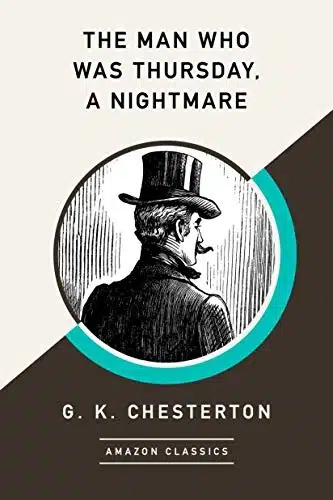
The Man Who Was Thursday, A Nightmare / G.K. Chesterton
I read The Man Who Was Thursday with the feeling that I was missing something. I went back. I listened again. I tried to understand who the criminal was, who the policeman was, who was manipulating whom, and what had actually happened here besides everyone running through the streets with the names of weekdays and the self-importance of an emergency committee. In the end, I understood the most annoying thing: I had not missed the crime. The book had not provided one.
The plot begins like a political crime novel. Gabriel Syme, a poet and undercover policeman, infiltrates a secret council of anarchists whose members are named after the days of the week. He is elected “Thursday” and believes he has entered the heart of a dangerous organization. There is a council, secrecy, a threat, and a mysterious leader named “Sunday.” Everything needed to build a thriller. Then, one after another, it turns out that most of the council members are not anarchists at all, but undercover police officers like him.
Once I understood that, the plot fell apart and I lost interest. If most of the council are police officers, then who exactly are the anarchists? Who exactly is committing the crime? Who is receiving orders? Who is running cells? Who is planting bombs? Poor Gabriel suddenly looks like the only person who arrived at the right meeting. Everyone else is in a disguise inside a disguise inside a joke Chesterton is telling himself out loud.
It is possible to understand why the book drew attention in its time. It was published in 1908, into an English world anxious about anarchism, political terror, revolutions, modern cities, and the loss of social and spiritual order. The reader of the period did not encounter only a strange adventure with weekdays, but an anxiety dream about a world coming apart. The book truly sits on the border between detective fiction, political satire, nightmare, and theology. That explains its status. It does not save its plot.
Because in the end, The Man Who Was Thursday disguises itself as a crime novel and then vanishes into symbolic fog. There is no real crime, no plot mechanism that closes, and no solution. There is an atmosphere. There is pursuit. There is a game of identities. There is a character named Sunday who behaves as though he is the answer to everything, while mostly marking the moment when the book stops being a thriller and begins waving its hands.
I have no problem with a book of ideas. I have a problem with a book that invites me into an investigation and then serves me a sermon in disguise. Chesterton builds the mechanism of a thriller, and then, when the time comes to turn it on, it turns out there is no engine. There is smoke, noise, paradoxes, hats, chases, and an aura of depth. But an aura is not a plot.
And perhaps that is why the book is so annoying. It is the kind of book that makes the reader suspect herself. Maybe I did not understand. There may be a deeper layer here. Maybe the crime is a metaphor. Maybe Sunday is not a man but a principle. Maybe every pit is an abyss if you stare at it long enough and speak in Edwardian English.
So no. In my view, this is not a masterpiece. It is a book of ideas with the set dressing of crime, a strong atmosphere, and a great desire that we forgive it for failing to close what it opened. It begins as a machine of suspense, then deliberately falls apart into a philosophical parable. Whoever is willing to read every fog as a symbol will find plenty to interpret here. I was looking for a story that could stand on its own legs. I found a book that sold me anarchists, undercover police officers, and a great crime, then fled into theology at the very moment it needed to give answers.
לגלות עוד מהאתר Sivi's Books
Subscribe to get the latest posts sent to your email.
2 מחשבות על “The Man Who Was Thursday, A Nightmare / G.K. Chesterton”
קראתי את הספר הזה ואני מסכים עם הביקורת שלך. אני זוכר שמאוד התאכזבתי מהסוף
עוד קראתי חצי ממנו פעמים כי לא הבנתי מי הפושע ומה הפשע 😂כאילו שחסר לי מה לקרוא.
תודה מוטיאור