ברית הוורדים הוא רומנטזי שעובד כי הוא מבין שכוח מעניין יותר מנצנצים. הוא קצבי, מותח, סוחף, ובעיקר לא מטומטם. מתחת לשמלות, לנשפים ולתחרות על לבו של נסיך פועלת מכונת כוח אכזרית למדי.
מה שצריך לדעת
רומנטזי היסטורי שמתחיל ב־1471, עם אדוארד הרביעי, מלחמות השושנים ועסקה מסוכנת עם מלכת פיות, וממשיך לאנגליה אלטרנטיבית שבה הכוח הפיותי כבר שולט במלוכה.
לקוראים שאוהבים רומנטזי עם פוליטיקה, חצר מלוכה, נשפים, פיות אכזריות, תחרות נסיכותית והרבה פחות תמימות ממה שהכריכה אולי מבטיחה.
הספר מבין שכוח מעניין יותר מנצנצים. מלכת הפיות, התחרות, החצר והקריצות ההיסטוריות יוצרות עולם קצבי, אלים ומפתה בלי להפוך למטופש.
לא רק רומנטיקה, אלא כוח נשי זר, רעב ולא מתנצל; כוח שאינו מבקש אישור, אלא משתמש במלוכה האנושית, מעצב אותה, ואם צריך גם טורף אותה מבפנים.
נקודת הפתיחה חכמה ואכזרית. סשה פייטון סמית לוקחת את 1471, שנה שבה הכתר האנגלי החליף ידיים בתוך מהומת קרבות, בגידות וחיסול חשבונות שושלתי, ודוחפת לתוכה עסקה עם מלכת פיות. אדוארד הרביעי חושב שהוא רותם כוח זר לטובתו. בפועל הוא מוסר את הכתר לישות רעבה ממנו, כזו שלא נועדה לשרת את המלוכה האנושית אלא לשלוט בה, להשתמש בה, ואם צריך גם לטרוף אותה מבפנים.
הספר לוקח את רגע ה"ניצחון" של אדוארד הרביעי, הרגע שבו הוא נראה הכי חזק, ומראה שכבר שם הוא נטרף מבלי שהבין. הפנטזיה אינה מייפה את ההיסטוריה. היא מחשיכה את מה שכבר היה בה: מלך שחשב שהוא רותם כוח גדול ממנו, ובפועל מסר את עצמו אליו. להיסטוריה רק לקח קצת יותר זמן להגיד את אותו הדבר.
מכאן העלילה קופצת ל־1848, לאנגליה שבה מלכת הפיות עדיין יושבת על הכס, והחברה הגבוהה ממשיכה להתלבש היטב ולהירקב מבפנים. הנשף אינו הפוגה מן הפוליטיקה אלא צורתה המבוישת. כל העידון הזה, כללי הטקס, החינוך, הטוהר והכבוד, הם שפה מצוחצחת של כפייה. החברה הגבוהה כאן אינה מנומסת. היא פשוט אלימה עם תחרה.
הספר בנוי היטב מפני שהוא יודע לפצל את המבט בלי לאבד תנופה. נקודות המבט השונות מונעות ממנו להיתקע, ונותנות לתחרות, לחצר, לפיות ולעבר הפוליטי לנוע יחד בלי להידחף זו לזו בכוח. העלילה נשארת חיה, והסקרנות נשמרת. בעולם מלא פנטזיות שמתנהלות כמו כרכרה תקועה בבוץ, גם קצב הוא מעלה ספרותית.
מלכת הפיות היא לב הספר. סשה פייטון סמית מחזירה לפיות את מה שהספרות הפופולרית ריככה עד זוב סוכר: זרות, רעב ואכזריות. זו ישות גחמנית, תיאטרלית ורעבה, שמסוגלת להפוך מחווה של חסד לסוג מעודן של אלימות. אין בה שום דבר חמוד, שובב או "אפל" במובן האינסטגרמי של המילה. היא מסוכנת באמת. היא רוצה, ולכן היא לוקחת. היא משתעממת, ולכן היא הורסת. כל חיוך שלה הוא סיבה להיזהר.
שם הספר מקבל את העוקץ שלו. מאחורי התחרויות, הרומנטיקה והמשחקים בחצר פועל סיפור על כוח נשי שאינו מבקש אישור. לא כוח פגיע, לא כוח מיטיב, ולא אותה גרסה מעייפת של "אישה חזקה" שהספרות העכשווית כל כך אוהבת למכור. זה כוח שאוכל, משתמש ומושל בלי להתנצל. המהלך הזה הופך על ראשם מנגנונים ישנים של אגדה: לא אישה שנמסרת אל תוך הסדר הגברי, אלא מלך שנטרף בידי כוח נשי זר ומאיים. זו כבר לא בחירה עלילתית. זו הכרזה.
הדמות של אייבי עובדת מפני שהיא אפקטיבית. יש לה מניע ברור, והיא מבינה מהר מאוד שהזירה שנכנסה אליה אינה רומנטית אלא טורפנית. סשה פייטון סמית לא הופכת אותה לבובה שנגררת מפרק לפרק, אלא נותנת לה מספיק תבונה כדי לקרוא את הסכנה בזמן. גם פיצול הסיפור בין כמה נקודות מבט משרת את הנרטיב שלה. הוא שומר עליה בתנועה מול הדמויות האחרות, ולא נותן לה להתקבע כפונקציה אחת בתוך העלילה. שום קול כאן לא נשאר לבדו מספיק זמן כדי להתחיל להתפעל מעצמו.
תחרות הריקודים היא אחת הסצנות הטובות בספר, כי היא מראה ולא אומרת. הבנות נדרשות להיות יפות, חינניות, מחונכות, מרשימות, ואז נזרקות למבחן הישרדות. זו תמצית העולם כולו. אכזריות מולבשת במשי ונקראת מסורת. בחברה כזאת האלימות אינה חריגה מן הכללים. היא הכללים עצמם.
הקריצות ההיסטוריות הקטנות רק משפרות את העסק. סשה פייטון סמית שותלת אותן בביטחון, בלי קריצה מוגזמת ובלי הסברים מיותרים. הופעתה של הוויקונטית בולינגברוק, המופקדת על נאמנותן, חינוכן וטוהרן של הבנות, היא בדיחה דקה ומרושעת למי שתופסת אותה. כשספר סומך על הקוראת, הוא מרוויח.
ברית הוורדים טוב משום שהוא לא מבזבז זמן. המתח עובד, העולם חי, והספר משליך את הקוראת ישר אל תוך החוקים האכזריים שלו. כחלק ראשון בסדרה, זה בדיוק מה שהוא צריך לעשות. הוא יוצר רעב מיידי להמשך.
The Rose Bargain #1
לדף הסידרה –
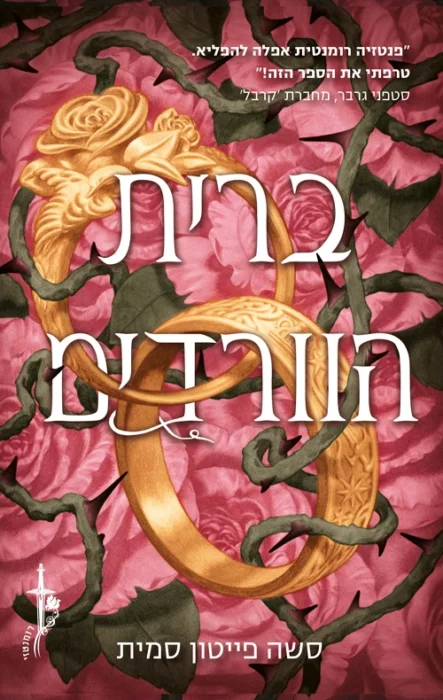
The Rose Bargain / Sasha Peyton Smith
The Rose Bargain is a romance that works because it understands that power is more interesting than glitter. It is fast-paced, tense, sweeping, and above all, not stupid. Beneath the dresses, balls, and competition for a prince’s heart, there is a fairly brutal machine of power at work.
The opening premise is clever and cruel. Sasha Peyton Smith takes 1471, a year in which the English crown changed hands amid battles, betrayals, and dynastic score-settling, and pushes into it a bargain with a faerie queen. Edward IV thinks he is harnessing a foreign power for his own benefit. In practice, he hands the crown to an entity hungrier than he is, one that was never meant to serve a human monarchy, but to rule it, use it, and, if necessary, devour it from within.
The book takes Edward IV’s moment of “victory,” the moment in which he seems strongest, and shows that he is already being consumed without understanding it. The fantasy does not beautify history. It darkens what was already there: a king who thought he was harnessing a power greater than himself, when in fact he had surrendered himself to it. History took a little longer to say the same thing.
From there, the plot jumps to 1848, to an England where the faerie queen still sits on the throne, and high society continues to dress beautifully while rotting from within. The ball is not a break from politics, but its embarrassing form. All this refinement, all the rules of ceremony, education, purity, and honor, are a polished language of coercion. High society here is not polite. It is simply violent with lace.
The book is well built because it knows how to split the gaze without losing momentum. The different points of view keep it from getting stuck and let the competition, court, faeries, and political past move together without being shoved into one another. The plot stays alive, and curiosity is sustained. In a world full of fantasies that move like a carriage stuck in mud, pace is also a literary virtue.
The faerie queen is the heart of the book. Sasha Peyton Smith restores to faeries what popular literature has softened into sugary mush: strangeness, hunger, and cruelty. She is a capricious, theatrical, and hungry entity, capable of turning a gesture of grace into a refined form of violence. There is nothing cute, playful, or “dark” in the Instagram sense of the word about her. She is truly dangerous. She wants, and therefore she takes. She grows bored, and therefore she destroys. Every smile of hers is a reason to be careful.
That is where the book’s title gains its sting. Behind the competitions, romance, and courtly games operates a story about female power that asks no permission. Not wounded power, not benevolent power, and not that exhausting version of the “strong woman” contemporary literature is so fond of selling. This is power that consumes, uses, and rules without apology. This move turns old fairy-tale mechanisms on their head: not a woman handed over into the masculine order, but a king devoured by a strange and threatening female force. This is no longer a plot choice. It is a declaration.
Ivy works as a character because she is effective. She has a clear motive, and she quickly realizes that the arena she has entered is not romantic but predatory. Sasha Peyton Smith doesn't turn her into a doll dragged from chapter to chapter; she gives her enough intelligence to read the danger in time. The split between several points of view also serves her narrative. It keeps her moving alongside the other characters and prevents her from hardening into a single function within the plot. No voice here remains alone long enough to begin admiring itself.
The dance competition is one of the book's best scenes because it shows rather than explains. The girls are required to be beautiful, graceful, educated, and impressive, then thrown into a survival test. That is the whole world in miniature. Cruelty dressed in silk and called tradition. In such a society, violence is not an exception to the rules. It is the rules themselves.
The small historical winks only improve the whole affair. Sasha Peyton Smith plants them with confidence, without excessive winking and without unnecessary explanations. The appearance of Viscountess Bolingbroke, responsible for the girls’ loyalty, education, and purity, is a thin and wicked joke for those who catch it. When a book trusts the reader, it earns something.
The Rose Bargain is good because it saves time. The tension works, the world is alive, and the book throws the reader straight into its cruel rules. As the first part of a series, it does exactly what it needs to do. It creates an immediate hunger for the next book.
לגלות עוד מהאתר Sivi's Books
Subscribe to get the latest posts sent to your email.
1 מחשבה על “ברית הוורדים/ סשה פייטון סמית”
תודה על ההמלצה. נשמע מעניין