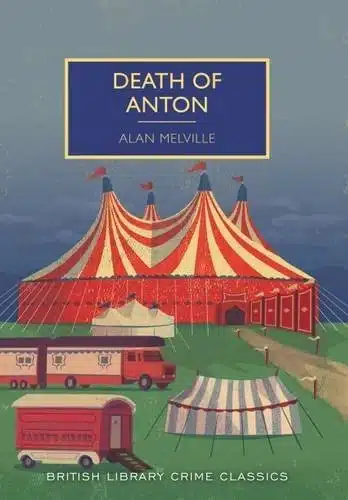
Death of Anton מצדיק את פרויקט ההחייאה של תור הזהב פשוט מפני שהוא ספר טוב. לא "מעניין יחסית לתקופתו", לא "חביב כרקע היסטורי", אלא ספר שבאמת עובד. מלוויל לוקח קרקס נודד, מאלף טיגריסים מת, וחבורת אנשים שחיים בקרבה כפוייה, ומוציא מזה תעלומת רצח שיש לה גם אווירה וגם עמוד שדרה.
אלן מלוויל כתב את הספר הזה כשהיה בשנות העשרים לחייו, וזה ניכר. יש בו חיוניות, תנופה וחוצפה צעירה, מן הסוג שמזכיר עד כמה רבות מקלאסיקות תור הזהב נכתבו בידי סופרים צעירים מאוד.
אנטון, כוכב הקרקס ומאלף שבעת הטיגריסים הבנגליים, נמצא מת בתוך הכלוב. ההסבר הראשון ברור מאליו: הוא נטרף. מלוויל מספיק חכם כדי להשתמש בהסבר הזה כדרך להראות כמה נוח לכולם להאמין בהסבר הפשוט ביותר. מהר מאוד מתברר שהסכנה האמיתית לא היתה כלואה בכלוב, אלא הסתובבה חופשי בין אנשי הקרקס.
מה שצריך לדעת
תעלומת קרקס מתור הזהב, שבה מותו של מאלף טיגריסים בתוך הכלוב חושף לא חיות פרא, אלא קהילה צפופה של קנאה, פחד ותלות.
לקוראים שאוהבים בלש קלאסי עם אווירה חזקה, קהילה סגורה, ודמויות שחיות בתוך מופע גם כשהן מחוץ לאור הזרקורים.
הקרקס. מלוויל לא משתמש בו כתפאורה צבעונית, אלא כמערכת כוח סגורה שבה כל נפילה אישית הופכת מיד לסכנה חברתית.
מי שמחפש תעלומה קרה ומחושבת לגמרי עלול למצוא כאן יותר מדי חדוות מופע וחיים, ופחות מהדיוק המכניסטי של כריסטי במיטבה.
הקרקס איננו קוריוז ולא תפאורה צבעונית. זה מקום שבו הכול תלוי בהופעה, במשמעת, בשליטה וביכולת לנצח במאבק על מרכז הבמה. מי שנמצא במרכז זוכה בכוח. מי שמאבד אותו נשחק. לכן הרצח של אנטון איננו סתם מוות מעניין בתוך כלוב נמרים, אלא פגיעה במוקד הכוח עצמו. ברגע שמבינים את זה, גם רשימת החשודים נראית אחרת. אלה טיפוסים שחיים בתוך מערכת צפופה של קנאה, תלות ופחד.
רשימת החשודים כוללת את מחליפו של אנטון, לוליין, ליצן ואפילו את בעל הקרקס עצמו.
מינטו הוא בלש מן הסוג הישן, במובן הטוב של המילה. שיטות העבודה שלו אינן שגרתיות. באחת הסצנות הוא אף מתחזה למפקח דיור (תחת "חוק הדיור של 1935") כדי להיכנס למקומות חשודים. לצדו ניצב אחיו רוברט, כומר קתולי, שמספק לו קצה חוט קריטי אך כבול לסוד הווידוי.
מורגש שמלוויל מגיע מרקע של תיאטרון ורדיו. הוא יודע להניע סצנה, ללכוד את תשומת לב הקורא, לכתוב דמויות עם נוכחות, ולתת לקצב לעבוד. הוא לא נתקע בהסברים, ולא מתאהב יותר מדי בתחבולה של עצמו. לכן Death of Anton מרגיש חי. מלוויל מבין באנשים שחיים בתוך מופע, ונטרפים הרבה לפני שמגיעים הנמרים.
Death of Anton הוא פנינה. ככה נראית קלאסיקה שלא חיה על נוסטלגיה, אלא על כישרון.
British Library Crime Classic #16
Death of Anton / Alan Melville
Death of Anton justifies the revival of Golden Age crime fiction for one simple reason: it is a good book. Not “interesting for its time,” not “pleasant as a historical curiosity,” but a book that genuinely works. Melville takes a traveling circus, a dead tiger trainer, and a group of people forced to live in close quarters, and turns them into a murder mystery with both atmosphere and backbone.
Alan Melville wrote this novel while he was still in his twenties, and that shows. It has vitality, momentum, and youthful audacity, the kind that reminds us how many Golden Age classics were written by very young authors.
Anton, the star of the circus and trainer of seven Bengal tigers, is found dead inside the cage. The first explanation is obvious: he was mauled. Melville is clever enough to use that explanation to show how convenient it is for everyone to believe the simplest version of events. It quickly becomes clear that the real danger was not locked inside the cage, but moving freely among the circus people themselves.
The circus is neither a curiosity nor a colorful backdrop. It is a place where everything depends on performance, discipline, control, and the ability to win the struggle for center stage. Whoever stands in the center gains power. Whoever loses it begins to erode. That is why Anton’s murder is not merely an interesting death inside a tiger cage, but an attack on the center of power itself. Once that becomes clear, the suspect list begins to look different as well. These are people living inside a cramped system of jealousy, dependence, and fear.
The list of suspects includes Anton’s replacement, an acrobat, a clown, and even the circus owner himself.
Minto is an old-school detective in the best sense of the phrase. His methods are far from conventional. In one scene, he even poses as a housing inspector under the “Housing Act of 1935” to enter suspicious places. At his side stands his brother Robert, a Catholic priest who provides a crucial lead but is bound by the seal of confession.
You can feel that Melville comes from a background in theatre and radio. He knows how to move a scene, how to catch the reader’s attention, how to write characters with presence, and how to let pace do its work. He does not get bogged down in explanations, and he does not fall too deeply in love with his own trick. That is why Death of Anton feels alive. Melville understands people who live inside performance, and who are torn apart long before the tigers arrive.
Death of Anton is a gem. This is what a classic looks like when it lives not on nostalgia, but on talent.
לגלות עוד מהאתר Sivi's Books
Subscribe to get the latest posts sent to your email.