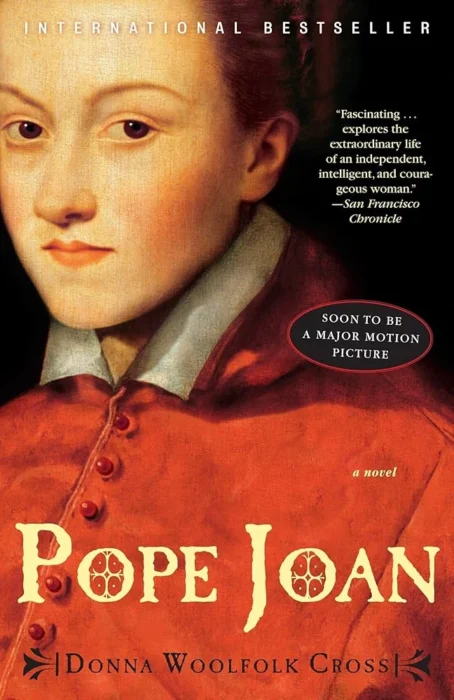
Pope Joan הוא רומן שמצליח לעשות דבר כמעט חצוף: לקחת אגדה ימי־ביניימית מפוקפקת על אישה שעלתה לכס האפיפיורות, ולגרום לה להיראות כמו הדבר הסביר ביותר שיכול היה לקרות במאה התשיעית. דונה וולפולק קרוס אינה מוכיחה שיוהאנה התקיימה, אבל היא בונה סביבה עולם כל כך משכנע, עד שהשאלה העובדתית כמעט נעשית משנית. יוהאנה היא אולי דמות שאין לה תיעוד היסטורי, אבל כספרות היא קיימת בעוצמה מפתיעה.
וזה בדיוק מקור הכוח של הספר. הוא אינו מסתפק בסיפור על אישה שהתחפשה לגבר והצליחה להונות את העולם הנוצרי. זה היה יכול להיות גימיק שערורייתי, כזה שמתאים למדף של “הסודות שהוותיקן לא רוצה שתדעו”. אלא שהתחפושת כאן אינה הסיפור, אלא הסימפטום. השאלה האמיתית היא איזה עולם מאלץ אישה מבריקה להסתתר מלכתחילה.
מה שצריך לדעת
רומן היסטורי המבוסס על האגדה על האפיפיורית יוהאנה, אישה מבריקה במאה התשיעית שנאלצת להסתתר בזהות גברית כדי להיכנס אל מוקדי הידע והכוח של הכנסייה.
לקוראים שאוהבים רומנים היסטוריים עם שאלות של מגדר, דת, ידע וכוח, ובעיקר ספרים שמעניינים אותם גם כשהם לא מתיימרים להוכיח את ההיסטוריה באזמל של ארכיון.
לא השאלה אם יוהאנה התקיימה באמת, אלא השאלה איזה עולם מאלץ אישה חכמה להסתתר כדי ללמוד, לרפא, לפרש ולהשפיע.
ספר חזק ומשכנע על אישה שההיסטוריה לא ידעה להכיל. גם אם האגדה עצמה נותרת מפוקפקת, הרומן מצליח להפוך אותה לשאלה מוסרית והיסטורית שקשה לנער מעלינו.
יוהאנה נולדה לתוך עולם שנשלט בידי הסדר הגברי. גברים קוראים, מפרשים, מרפאים, פוסקים וכותבים את ההיסטוריה; נשים נדרשות להישאר בגבולות שהוקצו להן: בית, גוף, ציות ולידה. הכישרון של יוהאנה אינו מתקבל כברכה, אלא כהפרעה. אותו שכל שהיה הופך נער לנכס כנסייתי, הופך אותה לאיום.
ההשכלה שהיא רוכשת היא הפרה של גבול. כל ספר שהיא קוראת, כל טקסט שהיא מפענחת, מרחיקים אותה מן המקום שיועד לה. יוהאנה רוצה לברוח מן הסדר הזה ולהיכנס אל מוקדי הכוח שלו: אל הכנסייה, אל הרפואה, אל השפה שקובעת מה ייחשב אמת ומה ייחשב חטא.
ההתקדמות של יוהאנה גובה מחיר ברור. היא לומדת לנוע בעולם הגברי, אבל כדי לעשות זאת היא צריכה לצמצם את עצמה אל הצורה היחידה שהעולם הזה מוכן לקבל. השם שלה מתחלף, הגוף שלה מוסתר, והזהות שלה נעשית תלויה בהעמדת פנים מתמשכת. כך היא שורדת. כך הסדר הגברי מאלף גם את מי שמצליחה לעקוף אותו.
סיפור האהבה עם ג’רולד מצליח כי במרכזו עומד הממד האנושי. ג’רולד הוא אחד האנשים הראשונים שנותנים ליוהאנה מקום להתפתח בו. הוא פותח לה מרחב שהעולם סירב לתת לה, ואז קורה הדבר המסוכן ביותר שיכול לקרות למורה: התלמידה עולה עליו. יוהאנה כבר אינה רק הנערה החריגה שהוא טיפח, אלא אישה שמבינה את חוקי העולם הזה טוב ממנו, ומוכנה לשלם מחיר שהוא עצמו לא היה מסוגל לשלם.
הסירוב שלה לג’רולד הוא רגע מכריע, מפני שהוא הופך את הטרגדיה שלה למורכבת יותר. יוהאנה בוחרת את גורלה. היא מוותרת על חיים שבהם הייתה יכולה להיות נאהבת כפי שהיא, ובוחרת בכוח, בשליחות, באפשרות להשפיע מבפנים. הבחירה הזאת אינה מבטלת את העוול שנעשה לה ולנשים כמוה, אבל היא מונעת מן הספר להפוך לסיפור פשוט על קורבן. יוהאנה נכנסת אל לב המנגנון, משתמשת בכלים שלו, ומשלמת את המחיר.
האגדה ההיסטורית סביב יוהאנה אינה נפתרת בספר, והערת המחברת שופכת עליה אור מעניין. קרוס מציגה כתב הגנה נמרץ לקיומה: היעדר תיעוד בן הזמן, האפשרות שמסמכים נמחקו או שונו, הופעת האגדה בכרוניקות מאוחרות, הכיסא בעל החור במרכזו, שנראה יותר כמו כיסא שירותים מאשר כמו מושב טקסי, הרחוב שממנו נמנעו תהלוכות אפיפיוריות, והעובדה שסיפורה התקיים במשך מאות שנים בתוך הדמיון האירופי והכנסייתי. כל אלה אינם מוכיחים שיוהאנה הייתה קיימת. הם מחדדים טענה חשובה יותר: ההיסטוריה אינה רק מה שקרה, אלא מה שנותר ממנו: במסמך, בשמועה, באגדה, ובשתיקות של מי שכתבו את הרשומות.
Pope Joan ממוקם בין היסטוריה למיתוס. הוא נשען על קרבות, מגפות, שריפות ותככים כנסייתיים, אבל עובד בעיקר בזכות ההיגיון הפנימי של התקופה: עולם מפורק, אלים, דתי וגברי, שבו הידע הוא כוח, והכוח שמור למי שנולד בגוף הנכון. קרוס מתארת את המאה התשיעית כמערכת שמקדשת בורות, מפני שבורות משרתת את מי ששולט. האמונה יכולה לרפא, לנחם, לשלוט ולהחריב, לפעמים באותו משפט לטיני.
הסוף מחזיר אל מרכז הבמה את הדבר שיוהאנה ניסתה להסתיר כל חייה: הגוף. כל ההתקדמות שלה נשענה על שליטה, תחפושת, שפה ומשמעת. ברגע האחרון, הגוף מפרק את המבנה הזה בפומבי. זו חשיפה אכזרית לעולם שאפשר לה להצליח כל עוד הסכימה להעלים חלק מהותי מעצמה.
יוהאנה לא זוכה לחיים עם האהבה שלה. היא לא זוכה לתיקון. היא לא מקבלת הכרה היסטורית מסודרת. היא לא נרשמת בנחת בין האפיפיורים, כאילו כל מה שהיה חסר לכנסייה הוא קצת גיוון מגדרי במאה התשיעית. הסיפור שלה נבלע, מתעוות והופך לאגדה. כוחו של הספר אינו בהוכחה שאישה הייתה אפיפיור, אלא בחשיפת הפחד מעצם האפשרות לדמיין אחת.
קרוס לא כתבה הוכחה היסטורית. היא כתבה מיתוס מודרני על אישה שההיסטוריה לא ידעה להכיל. Pope Joan נשאר בזיכרון מפני שיוהאנה נשארת: אישה שהעולם היה מוכן לקבל רק בתחפושת. הזעם שלה, הבחירות שלה והמחיר שהיא משלמת מובילים לשאלה אחת: כמה נשים נעלמו מן ההיסטוריה מפני שהעולם ידע היטב מה הוא עושה כשהוא סגר בפניהן את הדלת. הרומן מחזיר אל מרכז הבמה את מי שההיסטוריה, אמיתית או מדומיינת, העדיפה להשאיר מחוץ לפריים.
Pope Joan / Donna Woolfolk Cross
Pope Joan is a novel that does something almost outrageous: it takes a dubious medieval legend about a woman who rose to the papal throne and makes it seem like the most reasonable thing that could have happened in the ninth century. Donna Woolfolk Cross does not prove that Joan existed, but she builds such a convincing world around her that the factual question almost becomes secondary. Joan may be a figure with no firm historical record, but as literature, she exists with surprising force.
And that is exactly where the power of the book lies. It does not settle for the story of a woman who disguised herself as a man and managed to deceive the Christian world. That could have been a scandalous gimmick, the kind suited to the shelf of “secrets the Vatican does not want you to know.” But the disguise is not the story here. It is the symptom. The real question is what kind of world forces a brilliant woman to hide in the first place.
Joan is born into a world ruled by the male order. Men read, interpret, heal, judge and write history; women are required to remain within the boundaries assigned to them: home, body, obedience and childbirth. Joan’s talent is not received as a blessing, but as a disturbance. The same mind that would have turned a boy into an ecclesiastical asset turns her into a threat.
The education she acquires is a violation of a boundary. Every book she reads, every text she deciphers, takes her farther from the place intended for her. Joan wants to escape this order and enter its centers of power: the church, medicine, the language that determines what will be counted as truth and what will be counted as sin.
Joan’s rise comes at a clear price. She learns to move through the male world, but in order to do so she has to reduce herself to the only form that world is willing to accept. Her name is changed, her body is hidden, and her identity becomes dependent on a continuous performance. That is how she survives. That is how the male order tames even those who manage to outmaneuver it.
The love story with Gerold works because its center is human. Gerold is one of the first people who gives Joan room to develop. He opens for her a space the world refused to give her, and then the most dangerous thing that can happen to a teacher takes place: the student surpasses him. Joan is no longer merely the exceptional girl he nurtured, but a woman who understands the rules of this world better than he does, and is willing to pay a price he himself could not have paid.
Her refusal of Gerold is a decisive moment, because it makes her tragedy more complex. Joan chooses her fate. She gives up a life in which she could have been loved as she is, and chooses power, vocation, the possibility of influencing from within. This choice does not erase the injustice done to her and to women like her, but it prevents the book from becoming a simple story of victimhood. Joan enters the heart of the mechanism, uses its tools, and pays the price.
The historical legend surrounding Joan is not resolved in the book, and the author’s note sheds interesting light on it. Cross presents a vigorous defense of Joan’s possible existence: the absence of contemporary documentation, the possibility that documents were erased or altered, the appearance of the legend in later chronicles, the chair with a hole in its center, which looks more like a toilet seat than a ceremonial throne, the street papal processions supposedly avoided, and the fact that her story lived for centuries inside the European and ecclesiastical imagination. None of this proves that Joan existed. It sharpens a more important claim: history is not only what happened, but what remained of it, in documents, rumors, legends, and in the silences of those who wrote the records.
Pope Joan sits in the space between history and myth. It relies on battles, plagues, fires, and ecclesiastical intrigues, but it works mainly because of the internal logic of the period: a broken, violent, religious, and male world in which knowledge is power, and power is reserved for those born in the right body. Cross describes the ninth century as a system that sanctifies ignorance, because ignorance serves those who rule. Faith can heal, comfort, govern and destroy, sometimes in the same Latin sentence.
The ending brings back to center stage the one thing Joan tried to hide all her life: the body. Her entire rise was built on control, disguise, language, and discipline. At the final moment, the body publicly dismantles that structure. It is a brutal exposure before a world that allowed her to succeed only as long as she agreed to erase an essential part of herself.
Joan does not get a life with her love. She does not receive repair. She does not receive orderly historical recognition. She is not calmly listed among the popes, as though all the church had been missing was a little gender diversity in the ninth century. Her story is swallowed, distorted, and turned into legend. The power of the book lies not in proving that a woman was pope, but in exposing the fear of even imagining one.
Cross did not write historical proof. She wrote a modern myth about a woman history did not know how to contain. Pope Joan remains in memory because she was a woman the world was willing to accept only in disguise. Her rage, her choices, and the price she pays lead to one question: how many women disappeared from history because the world knew exactly what it was doing when it shut the door in their faces. That is the power of the novel: it brings back to center stage the one whom history, real or imagined, preferred to leave outside the frame.
לגלות עוד מהאתר Sivi's Books
Subscribe to get the latest posts sent to your email.