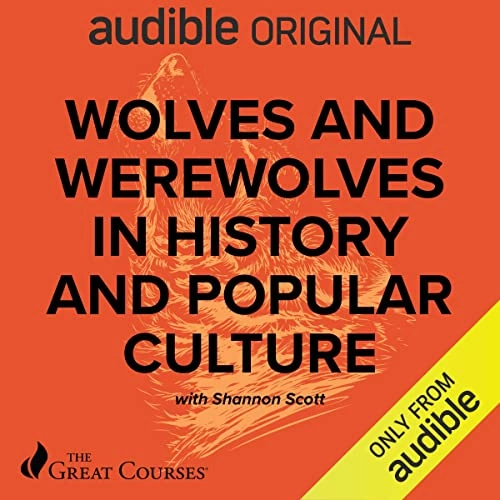
Wolves and Werewolves in History and Popular Culture עוסק באופן שבו בני אדם משליכים על הזאבים את הפחדים שלהם. הזאב עצמו צנוע לעומת כל מה שהתרבות תופרת עליו: טורף, אביר, אם, אישה רעבה, ילד פרא, מחלה, זהות, קללה, משפחה, להקה. בכל פעם שדימויו עולה בתרבות, הוא נושא על גבו פחד אחר.
מה שצריך לדעת
קורס קצר על זאבים ואנשי־זאב בפולקלור, ספרות ותרבות פופולרית, שמראה כיצד בני אדם משליכים על הזאב פחדים משתנים: מיניות, פראיות, קללה, משפחה, קולוניאליזם ושייכות.
למי שמתעניין בפולקלור, אגדות, אימה, ספרות גותית, כיפה אדומה, אנשי־זאב, דימויי נשים מפלצתיות והדרך שבה תרבות הופכת חיה אמיתית לסמל עמוס חרדות.
הפרקים שעוברים דרך יצירות ספציפיות: כיפה אדומה, Bisclavret, אשת־הזאב הוויקטוריאנית, ילדי זאבים ורמוס לופין. שם הקורס חד, עשיר ומעניין במיוחד.
זה לא קורס ביולוגי על זאבים ולא מחקר היסטורי כבד. זה קורס תרבותי־ספרותי, לא אחיד לגמרי, אבל עם כמה פרקים חזקים ששווים את הזמן.
Wolves and Werewolves in History and Popular Culture הוא קורס קצר שמתאים למי שמגיע אליו עם עניין בפולקלור, ספרות ותרבות פופולרית ולא למי שמצפה לביולוגיה של זאבים או לניתוח היסטורי מוקפד. הוא לא אחיד, ויש בו פרקים חזקים יותר ופחות, אבל הפרקים על כיפה אדומה ועל נשות-הזאב הוויקטוריאניות לבד שווים את הזמן. אם אתם מהסוג שאוהב לעקוב אחרי דימוי תרבותי אחד דרך מאות שנים של פחדים, שיפוטים ושינויים, זה הקורס עבורכם. הוא מצויין בעיקר כשהוא עובר דרך יצירות ספציפיות ומראה איך הדימוי של הזאב משתנה לפי החרדה שהתקופה צריכה ממנו.
הפרק על כיפה אדומה הוא המשכנע שבקורס, מפני שהוא לוקח אגדה שבמשך דורות שויכה למדף הילדים ומחזיר אותה אל המקום המלוכלך שממנו נוצרה. כתבתי על כך בפוסט כיפה אדומה כבר לא מפחדת מהזאב.
מהפרקים שעוסקים בכיפה אדומה, הקורס נפתח לאחת מהתזות המרכזיות שלו: הדמות של הזאב אינה יציבה. הוא מתחלף לפי התקופה, הסיפור והדימוי שנדרש. ברומנסות הימי-ביניימיות הוא דווקא האביר הנבגד, האדם שנשאר בתוך החיה. ב-Bisclavret של מארי דה פראנס, איש הזאב אינו מייצג את החיה שבתוך האדם, אלא את האדם שנלכד בגוף הלא נכון. הוא נבגד בידי אשתו, שלוקחת ממנו את הבגדים ואת האפשרות לחזור לעצמו.
ברומנסות הימי-ביניימיות הגברים הנבגדים באמת אומללים. הם מאבדים את עצמם ואת האפשרות להיראות שוב כאדם.
אי אפשר להתעלם מן המיזוגיניה של הסיפורים האלה. נשים מופיעות בהם שוב ושוב כבוגדות, תחבולניות, מסוכנות, מי שמובילות גברים לנפילה. אבל גם כאן יש עוקץ מעניין: הן אקטיביות. הן יודעות איפה הבגדים מוחבאים. הן יודעות איזה חפץ מחזיר גבר לגופו. הן יודעות איך להפוך אינטימיות למלכודת. זה לא שוויון, אפילו לא קרוב. אבל זה כוח מכוער, כזה שמזכיר שגם בעולם שמדבר בשם אבירות וכבוד, מי שמחזיק במפתח של הגוף יכול להרוס הכול.
הפרק על אשת-הזאב הוא אולי המדויק ביותר בקורס. שם הזאב חוזר אל הגוף הנשי במלוא האלימות התרבותית שלו. החיבור בין מחזור חודשי, דם, שינוי גוף, "קללה" והתפרצות זאבית כמעט מתבקש, ובכל זאת אשת-הזאב היתה נדירה בספרות עד שלבים מאוחרים יחסית. כשהיא מופיעה במאה ה־19, היא יפה, לבנת-פרווה, מינית, רעבה ומסוכנת לילדים ולגברים. אצל הגבר, המפלצת היא קללה. אצל האישה, המפלצת היא האמת. זו אבחנה אכזרית, ויקטוריאנית מאוד, ולכן יעילה כל כך.
אשת-הזאב הוויקטוריאנית נולדת מתוך פחד כפול: פחד מאישה מינית מדי, ופחד מאישה חופשית מדי. היא מאיימת על הבית משום שהיא מסרבת לתפקיד המרגיע של האישה הביתית, האימהית שמשרתת את הסדר החברתי הרצוי.
הקורס נהיה מעניין במיוחד כשהוא עובר מחרדה ויקטוריאנית אל אפשרות פמיניסטית. אצל קלמנס האוסמן, Whitefell הזאבה עדיין מסוכנת, אבל היא גם לוחמת, ציידת, אישה חופשית. העובדה שהאוסמן הייתה סופרג׳יסטית אינה פרט ביוגרפי חביב. היא מבהירה מדוע אשת-הזאב אינה רק פחד גברי, אלא דימוי של אישה שאינה מתבייתת. מאוחר יותר, במאה ה־20 וה-21, הזאבה הופכת בהדרגה מדמות טורפת לדמות משחררת: נערה שמתבגרת, אישה שמסרבת להיות מנוהלת, מפלצתיות שנעשית דרך להפסיק להיות חלשה.
הפרק האמריקאי חלש יותר מבחינה ספרותית, אבל חשוב מבחינה רעיונית. הוא מפריד בין הזאב הביולוגי לבין המפלצת שהתרבות המציאה. הזאב האמיתי הוא חיה חברתית, משפחתית, תלויה בלהקה, לא איזה פסיכופת עם פרווה. המתיישבים האירופים באמריקה הגיעו עם פחדים ישנים, אמונות טפלות ותפיסת בעלות על אדמה וחיות שלא היו שלהם.
החלק המשמעותי ביותר בפרק הזה הוא הקישור בין השמדת זאבים לבין קולוניאליזם. הזאב והיליד הופכים בדמיון הקולוניאלי לאיום דומה: פרא, טורף, מכשול לסדר הלבן. מי שמוגדר כזאב כבר אינו צריך לקבל יחס אנושי. כך הזאב נעשה לא רק חיה שנרדפת, אלא צורה של דה-הומניזציה.
במאה ה־19 איש הזאב כבר הופך למכונת משמעות עמוסה מדי, שנושאת עליה חרדות של אימפריה, מעמד ומיניות. הוויקטוריאנים פחדו מהפראי בעיקר מפני שחשדו שהוא כבר גר אצלם בסלון. אולם הקורס נהיה מוסרי באמת כשהוא עובר לפרק על ילדים שגודלו בידי זאבים. כאן נבחן מה שהתרבות המערבית מגדירה כציוויליזציה: בגדים, שפה, משמעת ובושה, כל מה שהיא אוהבת לקרוא לו אנושיות, ולעיתים קרובות מדי מזכיר כלוב.
השאלה שם הפוכה: לא האם הילד הפראי מסוגל להפוך לאנושי, אלא האם האנושיות המוצעת לו ראויה לחיקוי. אצל קארן ראסל, הילדה-זאבה אינה הופכת למתורבתת כשהיא לומדת לדבר, אלא כשהיא לומדת לבגוד בלהקה שלה. שוב ושוב מתגלים הזאבים כהורים טובים יותר מהתרבות שבאה להציל את הילדים מפניהם. הזאבים מאכילים ומגינים; בני האדם מלמדים בושה ובגידה.
הסוף מחזיר את הקורס אל הקהילה. הקולנוע הקלאסי קיבע את התפיסה שאיש הזאב הבודד חייב למות. שקללתו אינה הירח המלא, אלא הבדידות המוחלטת. לעומת זאת, הסיפורים המאוחרים מציעים אפשרות אחרת: לא ריפוי, אלא להקה. רמוס לופין הוא הדוגמה המובהקת: חבריו אינם מחזירים אותו לאנושיות נורמטיבית, אלא משתנים בעצמם כדי להיות איתו. לעיתים האהבה אינה מרפאה את הזאב, היא פשוט מונעת ממנו להיות לבד.
כאן הקורס נסגר באופן המדויק ביותר. אחרי הפחדים, המשפטים והפסיכיאטרים, הזאב חוזר למה שהיה לפני שהתרבות העמיסה עליו את חרדותיה: חיה חברתית. מי שמיילל בחושך אינו מנסה להפחיד, הוא מחפש תשובה.
Wolves and Werewolves in History and Popular Culture
Wolves and Werewolves in History and Popular Culture examines how human beings project their fears onto wolves. The wolf itself is modest compared with everything culture sews onto it: predator, knight, mother, hungry woman, wild child, disease, identity, curse, family, pack. Every time the image of the wolf rises in culture, it carries a different fear on its back.
Wolves and Werewolves in History and Popular Culture is a short course suited to anyone who comes to it with an interest in folklore, literature, and popular culture, not to anyone expecting wolf biology or rigorous historical analysis. It is uneven, with stronger and weaker chapters, but the chapters on Little Red Riding Hood and Victorian she-wolves alone are worth the time. If you enjoy following a single cultural image through centuries of fear, judgment, and change, this course is for you. It is at its best when it moves through specific works and shows how the image of the wolf changes in response to the anxiety each period demands of it.
The chapter on Little Red Riding Hood is the most convincing in the course, because it takes a tale that for generations was placed on the children’s shelf and returns it to the dirtier place from which it was created. I wrote about this in my post Little Red Riding Hood Is No Longer Afraid of the Wolf.
From the chapters on Little Red Riding Hood, the course opens into one of its central claims: the figure of the wolf is unstable. It changes according to the period, the story and the image required. In medieval romances, the wolf is actually the betrayed knight, the human being trapped inside the animal. In Marie de France’s Bisclavret, the werewolf does not represent the beast within the human, but the human caught in the wrong body. He is betrayed by his wife, who takes his clothes and with them the possibility of returning to himself.
In medieval romances, the betrayed men are truly miserable. They lose themselves and the possibility of being seen again as human.
It is impossible to ignore the misogyny of these stories. Women appear in them again and again as treacherous, cunning and dangerous, the ones who lead men to ruin. But even here there is an interesting sting: they are active. They know where the clothes are hidden. They know which object returns a man to his body. They know how to turn intimacy into a trap. This is not equality, not even close. But it is ugly power, the kind that reminds us that even in a world speaking in the name of chivalry and honor, whoever has the key to the body can destroy everything.
The chapter on the she-wolf is perhaps the most precise in the course. There the wolf returns to the female body with the full force of cultural violence. The connection between menstruation, blood, bodily transformation, “curse” and wolfish eruption almost seems inevitable, and yet the she-wolf was rare in literature until relatively late stages. When she appears in the nineteenth century, she is beautiful, white-furred, sexual, hungry and dangerous to children and men. In the male werewolf, the monster is a curse. In the female werewolf, the monster is the truth. It is a cruelly Victorian distinction, and therefore very effective.
The Victorian she-wolf is born from a double fear: fear of a woman who is too sexual, and fear of a woman who is too free. She threatens the home because she refuses the calming role of the domestic, maternal woman who serves the desired social order.
The course becomes especially interesting when it moves from Victorian anxiety to feminist possibility. In Clemence Housman, White Fell the she-wolf is still dangerous, but she is also a fighter, a hunter, a free woman. The fact that Housman was a suffragist is not a charming biographical detail. It clarifies why the she-wolf is not only a male fear, but an image of a woman who refuses domestication. Later, in the twentieth and twenty-first centuries, the she-wolf gradually turns from a predatory figure into a liberating one: a girl coming of age, a woman refusing to be managed, monstrosity becoming a way to stop being weak.
The American chapter is weaker from a literary standpoint, but important conceptually. It separates the biological wolf from the monster culture invented. The real wolf is a social, familial animal, dependent on the pack, not some psychopath with fur. European settlers in America arrived with old fears, superstitions and a sense of ownership over land and animals that were never theirs.
The most significant part of this chapter is the link between the extermination of wolves and colonialism. In the colonial imagination, the wolf and the Indigenous person become similar threats: savage, predatory, an obstacle to white order. Whoever is defined as a wolf no longer needs to receive human treatment. Thus the wolf becomes not only a hunted animal, but a form of dehumanization.
By the nineteenth century, the werewolf has already become an overloaded machine of meaning, carrying anxieties of empire, class and sexuality. The Victorians feared the wild mainly because they suspected it was already living in their drawing room. But the course becomes truly moral when it turns to children raised by wolves. Here it examines what Western culture defines as civilization: clothes, language, discipline and shame, everything it likes to call humanity, and all too often resembles a cage.
The question there is reversed: not whether the wild child can become human, but whether the humanity offered to the child is worth imitating. In Karen Russell, the wolf-girl does not become civilized when she learns to speak, but when she learns to betray her pack. Again and again, the wolves are revealed as better parents than the culture that comes to save the children from them. The wolves feed and protect. Human beings teach shame and betrayal.
The ending returns the course to community. Classic cinema fixed the idea that the lone werewolf must die, that his curse is not the full moon but absolute loneliness. Later stories, however, offer another possibility: not a cure, but a pack. Remus Lupin is the clearest example. His friends do not return him to normative humanity, but change themselves in order to be with him. Sometimes love does not heal the wolf. It simply prevents him from being alone.
Here the course closes in the most precise way. After the fears, trials and psychiatrists, the wolf returns to what it was before culture loaded it with its anxieties: a social animal. Whoever howls in the dark is not trying to frighten. He is looking for an answer.
לגלות עוד מהאתר Sivi's Books
Subscribe to get the latest posts sent to your email.