
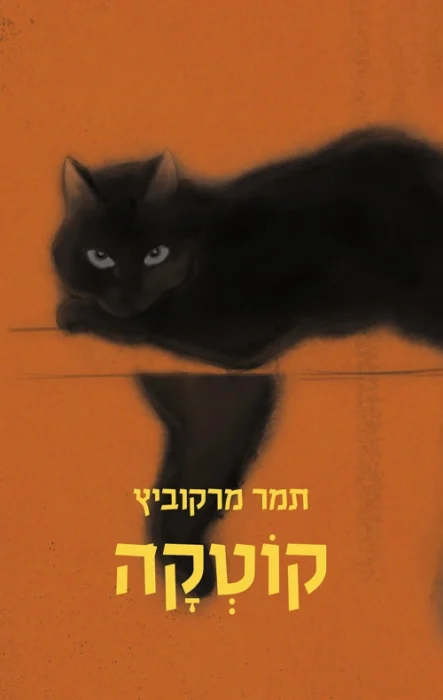
קוטקה הוא ספר חזק, כי הוא תופס טראומה לא רק כפגיעה בגוף אלא כרגע של השתלטות על הסיפור. הרגע המכריע בו אינו הרגע שבו משהו קורה לנפגעת, אלא הרגע שבו הפוגע מסביר לה מה קרה לה. זה רומן קצר, מדויק ומפתיע בעוצמתו, בלי עודפות ובלי מופע לשוני שמבקש מחיאות כפיים. תמר מרקוביץ כותבת ספר שנראה קטן מבחוץ, ובפנים פותח חדר אחר חדר בתוך בית שכבר מזמן היה צריך לקרוס.
מה שצריך לדעת
רומן ישראלי קצר וחזק על אביה, אישה שמוצאת קלטת וידאו מילדותה ונאלצת להתמודד עם שברי עבר משפחתי שחזרו כבהלה.
לקוראים שמחפשים ספרות ישראלית מדויקת, מצומצמת ולא מתייפייפת, על טראומה, אימהות, זיכרון משפחתי והאופן שבו פגיעה ממשיכה לחיות בתוך שפה.
מרקוביץ כותבת בצמצום חכם. היא לא מתפלשת בפצע ולא הופכת את הכאב למופע, ולכן הספר מצליח לטלטל .
לא רק קלטת או סוד משפחתי, אלא השאלה מי מקבל רשות לספר את הפגיעה, ומתי השפה עצמה נעשית חלק מן העוול.
אביה מוצאת קלטת וידאו מילדותה, צופה מעט, ומזהה בה לא רק דמות מן העבר אלא גם שברים של אירועים שנדחקו מהתודעה שלה. הקלטת אינה מחזירה ידיעה מלאה אלא בהלה. גם הקורא נשאר זמן רב בלי ודאות, וגם כשהספר מתקרב אל מה שקרה, הוא לא מסדר אותו לכדי אמת נקייה. זה בדיוק מה שעושה אותו חזק. מרקוביץ לא נותנת לקורא את הנחמה של חשיפה מוחלטת.
הקלטת אינה ראיה. היא פצע עם צורה. חפץ קטן שמחזיר את אביה אל המקום שבו הגוף זוכר לפני שהשכל מספיק להתגונן. היא תמצית של כל מה שהתפרק. מרקוביץ יודעת שהעבר המשפחתי אינו חוזר כמידע. הוא חוזר כבהלה, כתמונה חלקית, כידיעה פנימית שאין לה מסמך חתום.
הספר נע בין העבר להווה, אבל הקול שלו נשאר צלול ואחיד. מרקוביץ לא כותבת ילדה "חמודה", ולא מקטינה את השפה כדי לייצר חמלה קלה. הילדה רואה את הקרעים. האישה הבוגרת קושרת אותם. היא מבינה את מצבה של האם, את התנאים שגדלה בהם, ואת הדרך שבה השבר עבר מדור לדור. החיבור הזה, בין מה שנחווה אז לבין מה שמובן רק עכשיו, הוא מקור העוצמה של הספר.
דמות האם כתובה בעומק נדיר. היא אינה מצטמצמת לקטגוריה של "אם פוגעת", אף שהיא פוגעת בפועל. מרקוביץ כותבת אישה שהיא חוליה בתוך שושלת של ניכור: בת לאם מנוכרת, אישה שחיפשה מזור לנפש במקום שבו היה צריך להיות טיפול, ואם שאינה יודעת לתת לבתה את מה שמעולם לא קיבלה. זה לא מנקה אותה, ולא מקל על הכאב של אביה. זה רק מסרב לשקר.
הפסיכולוג בסצנה הזאת מדבר כמו איש רוח משועמם שהשתלט על מילון הטיפול, ומשתמש במילים כמו גוף, חופש, טבעיות ושחרור כדי לקחת מאישה את הזכות הפשוטה לומר: נפגעתי. זו הבנאליות של הרוע בעטיפה מרגיעה, שפה יפה ומילים גבוהות שקוראות לפגיעה ריפוי. כאן הספר חורג מן הסיפור המשפחתי ונוגע במשהו רחב יותר: האופן שבו אידיאולוגיות של שחרור עלולות להפוך לכלי דיכוי כשהן נמסרות לידיים של אדם בעל כוח.
היופי של קוטקה נמצא בצמצום שלו. זה צמצום שיודע מה אסור להסביר עד מוות. מרקוביץ אינה מתפלשת בפצע ואינה הופכת את הכאב למופע. לכן הספר מטלטל. הוא מדויק. הוא יודע שילדות אינה נגמרת כשהילדה גדלה, שאימהות אינה מתרפאת מעצמה כשנולד דור חדש, ושפגיעה אינה מסתיימת באירוע אלא נמשכת בשפה שניתנת לה אחר כך.
אפשר להרגיש כאן עבודת עריכה חכמה. הספר לא מתפזר, לא מתמוגג מעצמו, ולא מבלבל בין חשיפה לעודפות. הקול שלו נע בין ישירות כמעט חותכת לבין עדינות שקטה יותר, בלי לגלוש לפיוט מודבק. זה חשוב במיוחד בחומרים כאלה. עוד מעט רגשנות, והוא היה קורס. עוד מעט תחכום, והוא היה מתחפש לספר "חשוב". כאן דווקא מרגישים יד עריכתית שיודעת לבלום בזמן, לחתוך במקום הנכון, ולא לתת לטקסט להתאהב בפצע של עצמו. קשה לא לחשוב בהקשר הזה על סמי ברדוגו, שערך את הספר, ועל הכוח האמיתי שיש לו כעורך כשהוא מדויק. מרקוביץ משאירה את הרומן קרוב לקרקע. משם הוא פוגע הכי חזק.
בסופו של דבר, קוטקה אינו רק ספר על קלטת ולא רק על סוד משפחתי. הוא ספר על שושלת של נשים שלא הצליחו להגן זו על זו, מפני שמישהי לפניהן כבר נשברה במקום שבו הייתה אמורה לקבל יד. אין כאן נחמה גדולה. יש כאן משהו טוב יותר ספרותית: אמת שאינה מתייפה. הספר הזה אינו נשען על גודל, אלא על דיוק. הוא לא נשאר בזיכרון מפני שהוא מרעיש, אלא מפני שהוא יודע בדיוק איפה לחתוך.
Kotka / Tamar Markovitz
Kotka is a powerful book because it understands trauma not only as harm done to the body, but also as a takeover of the story. The decisive moment in it is not the moment in which something happens to the harmed person, but the moment in which someone else is permitted to explain to her what happened to her. This is a short, precise novel, surprisingly powerful, without excess and without a linguistic performance begging for applause. Tamar Markovitz writes a book that appears small from the outside, but inside, it opens up room after room in a house that should have collapsed long ago.
Avia finds a childhood videotape, watches a little of it, and recognizes in it not only a figure from the past, but also fragments of events pushed out of her consciousness. The tape does not return full knowledge, but panic. The reader, too, remains without certainty for a long time, and even when the book approaches what happened, it does not arrange it into a clean truth. That is exactly what makes it powerful. Markovitz does not give the reader the comfort of complete revelation.
The tape is not evidence. It is a shaped wound. A small object that brings Avia back to the place where the body remembers before the mind manages to defend itself. It is the essence of everything that fell apart. Markovitz knows that the family's past does not return as information. It returns as panic, as a partial image, as inner knowledge without a signed document.
The book moves between past and present, but its voice remains clear and consistent. Markovitz does not write a “cute” child, and does not shrink the language in order to produce easy compassion. The girl sees the tears in the fabric. The adult woman connects them. She understands her mother’s condition, the conditions in which she grew up, and the way the rupture passed from one generation to the next. This connection, between what was experienced then and what can only be understood now, is the source of the book’s power.
The mother is written with rare depth. She is not reduced to the category of a “harmful mother,” even though she does cause harm. Markovitz writes a woman who is one link in a lineage of alienation: a daughter of an emotionally distant mother, a woman who searched for relief where treatment should have been, and a mother who does not know how to give her daughter what she herself never received. This does not clear her, and it does not ease Avia’s pain. It simply refuses to lie.
The psychologist in that scene speaks like a bored intellectual who has taken control of the vocabulary of therapy, using words like body, freedom, naturalness, and release in order to take from a woman the simple right to say: I was hurt. This is the banality of evil in soothing packaging, beautiful language, and elevated words that call harm healing. Here, the book moves beyond the family story and touches on something broader: how ideologies of liberation can become instruments of oppression when placed in the hands of someone with power.
The beauty of Kotka lies in its restraint. This is a restraint that knows what must not be explained to death. Markovitz does not wallow in the wound or turn pain into a performance. That is why the book is so unsettling. It is precise. It knows that childhood does not end when the child grows up, that motherhood does not heal itself when a new generation is born, and that harm does not end with the event but continues in the language later given to it.
One can feel intelligent editing at work here. The book does not scatter, does not delight in itself, and does not confuse exposure with excess. Its voice moves between almost cutting directness and a quieter delicacy, without sliding into pasted-on lyricism. This matters especially with material like this. A little more sentimentality, and it would have collapsed. A little more sophistication, and it would have disguised itself as an “important” book. Here, one feels an editorial hand that knows how to stop in time, cut in the right place, and not allow the text to fall in love with its own wound. It is hard not to think, in this context, of Sami Berdugo, who edited the book, and of the real power he has as an editor when he is precise. Markovitz keeps the novel close to the ground. From there, it hits hardest.
In the end, Kotka is not only a book about a tape, but also about a family secret. It is a book about a lineage of women who could not protect one another because someone before them had already broken the place where she should have received a hand. There is no great comfort here. There is something better, literarily speaking: truth that does not beautify itself. This book does not rely on size, but on precision. It does not remain in the memory because it is loud, but because it knows exactly where to cut.
לגלות עוד מהאתר Sivi's Books
Subscribe to get the latest posts sent to your email.
1 מחשבה על “קוטקה / תמר מרקוביץ”
תודה על ההמלצה