Please scroll down for an English review.
חשמל באוויר מאת איריס רילוב הוא ספר מרשים מאוד. לכאורה: אישה באמצע החיים, משבר זוגי, עבר שחוזר, משורר נערץ ומחברת ישנה. בפועל, זהו רומן מבריק ומענג על אישה שמתחילה לזוז אחרי שנים שבהן משהו בתוכה קפא.
זו אינה תנועה דרמטית או חגיגית, אלא תנועה איטית, גופנית, מביכה לעיתים, לא תמיד אלגנטית. אחרי שנים שבהן משהו בתוכה נשאר תקוע, מושתק, דחוי או מתורגם לשפות של אחרים, נילי מתחילה לזוז.
נילי היא מתרגמת. בתחילת הרומן בעלה, יונתן, אומר לה שאינו יודע אם הוא עדיין אוהב אותה, או שמדובר בהרגל. הוא נוסע לשבתון, והיא, פגועה מעצם הספק, מסרבת להצטרף אליו. במקביל, אמה עוברת לגור איתה לאחר שבית הדיור המוגן שבו חיה נפגע ממכת ברק. כשהיא מסדרת עבורה חדר ומפנה ארגזים, נילי מוצאת מחברת יומן של המשורר עודד נפתלי, שמפגש ישן איתו נשאר פתוח בזיכרונה.
כשהייתה בת חמש־עשרה, נילי מסרה לנפתלי שירים שכתבה. פער הכוחות ביניהם ברור. אבל רילוב מצליחה לדבר גם על הממד התרבותי: משורר נערץ, כריזמטי, שנראה בעיני נערה בת חמש־עשרה כשער כניסה אל עולם השירה. נילי מבקשת לקבל מעט מאבק הכוכבים שלו, אולי אפילו אישור לכך שגם היא שייכת לשם. המפגש הזה, במקום לפתוח לה שער, סוגר בה משהו. כשהוא מסיט את המפגש מן השירה אל הגוף, החלום שלה מתנפץ. היא אומרת לו: “אני באתי הנה לדבר על שירה”. זו אמירה ילדותית כמעט, ובה בעת נוקבת מאוד. כי היא באמת באה לדבר על שירה. הוא לא.
עשור אחרי המפגש העכור ביניהם, נילי גונבת מנפתלי יומן. הוא מלווה אותה לאורך חייה, אבל היא אינה קוראת בו. רק שנים רבות אחר כך, כשבחייה מתרחשת רעידת אדמה נוספת, היא מעזה לפתוח אותו. רעידת האדמה השנייה פותחת מחדש את הסדק הראשון.
מה שצריך לדעת
רומן על נילי, מתרגמת באמצע החיים, שמתמודדת עם משבר זוגי, אם מזדקנת, נדודי שינה ויומן ישן של משורר נערץ שפגשה בנעוריה.
לקוראים שאוהבים ספרות ישראלית חכמה, רומנים על נשים באמצע החיים, זוגיות ארוכה, גיל מעבר, גוף, זיכרון, כתיבה ותנועה פנימית איטית.
הכתיבה של איריס רילוב מחברת בין יומיום, גוף, שירה וזיכרון. הרומן מצליח לדבר על השתקה, תשוקה, אימהות וזוגיות בלי לפשט את החיים.
תחושה של אישה שמתחילה לזוז מחדש: לא בתנועה גדולה ונוצצת, אלא בצעדים איטיים, מביכים, גופניים ואמיצים אל עצמה ואל המחברת שלה.
רילוב מחברת בין כאב לבין היומיום. היא נכנסת אל החיים עם כפכפים, טרנינג, שיער סתור וסוחר גראס שקורא לנילי “מאמי”. בסצנה נפלאה במיוחד, נילי, שאינה מצליחה לישון, מבקשת מבנה שיקשר אותה עם מישהו שיוכל לעזור לה. זה משעשע עד שזה לא. מאחורי כל הדיבורים הגדולים על גיל, זוגיות, יצירה ומשמעות, עומדת אישה אחת שרוצה דבר פשוט לגמרי: לישון.
חוסר שינה הוא מצב תודעתי. כשהלילה לא נגמר, גם המחשבות לא נגמרות. הגוף מפסיק לשתף פעולה עם הסיפורים שאדם מספר לעצמו על שליטה, בגרות וסדר. בלילה הכול חוזר: העלבון, ההחמצה, החשד, הזיכרון, העתיד. ובבוקר צריך איכשהו “לשרוד עוד יום”. זו לא דרמה ספרותית. זו מציאות גופנית מוכרת מדי.
גם הזוגיות של נילי ויונתן כתובה היטב. רילוב מתארת זוגיות ארוכה ברגעי השחיקה שקודמים לקריסה: מאבדים סבלנות, צומחים לכיוונים שונים, מפסיקים להקשיב. לא תמיד האהבה נגמרת בבת אחת. לפעמים היא פשוט מאבדת צורה, עד שאיש מן הצדדים כבר לא יודע אם נשאר שם רגש, הרגל, או שניהם.
זוגיות ארוכה נבנית על הסתירות שבה. יונתן הוא “מקור כאבה, והוא גם נחמתה” של נילי.
מהרגע שבו משהו נסדק בנילי, היא חייבת לזוז. לא תמיד ברור לה לאן, ולא תמיד יש לאן. לפעמים התנועה היא מסע בעקבות משורר נעלם, לפעמים היא יציאה חפוזה מחדר, לפעמים ניסיון כמעט מגוחך לברוח ממלון בידוד אל הים. גם כשהיא נעצרת על ידי שומר במסכה, משהו בה מסרב להישאר במקום.
באיטליה התנועה נעשית גופנית ממש. בסן ג’ימיניאנו, מול מגדלים שנבנו מתוך יוהרה, נילי מטפסת לאט. היא מתאמצת, נעצרת, נושמת, ממשיכה. פעם נאחזה בשולי חולצתו של נפתלי על האופנוע. אחר כך התרגלה לידו של יונתן, שתומכת בה בעליות. באיטליה היא עולה בקצב שלה. והיא מגיעה.
המגדלים של סן ג’ימיניאנו נבנו להפגנת עושר, להגנה וליוקרה, ובסופו של דבר הם גם חללים ריקים מאבן. המגדל, כמו המשורר הגדול, כמו האמביציה הגברית, כמו הפנטזיה של גובה ופרסום, עומד יפה מרחוק. מקרוב רואים את היוהרה, את החלל, את מה שלא באמת הציל איש. השיר של נפתלי על הפעמון ועל המגפה העתידית נשאר תלוי מעל הרומן כמו אות אזהרה.
לקראת סופו, הרומן עושה מהלך מבריק. הוא פותר תעלומה שלא ידענו שקיימת. פרטים שנראו תחילה שוליים, כמעט ביתיים, נאספים פתאום לתמונה חדשה. משהו שנדמה היה כזיכרון צדדי, כעוד סיפור קטן של אישה מזדקנת, מתגלה כחלק מהלב הנסתר של הספר. מה שהיה מונח שם כל הזמן, חיכה לרגע שבו נילי תוכל לפענח אותו.
אחרי כל התנועה החוצה, אל המשורר, אל היומן, אל איטליה ואל המגדלים, הרומן מחזיר את נילי פנימה: אל אמה הקשישה, אל הגוף, אל המחברת שלה. זוהי האפשרות החדשה שנפתחת בפניה.
לכן חשמל באוויר הוא ספר יפה כל כך. הוא אינו מפשט את החיים. הוא יודע שלפעמים הפצע והריפוי נמצאים באותו אדם. שהורות אינה נגמרת כשהילד גדל. שגיל המעבר הוא מצב שבו הגוף, הזיכרון והעתיד מתחילים לדבר בבת אחת. והוא מבין, אולי יותר מכול, שהשתקה אינה תמיד אירוע אלים וברור. לפעמים היא הרגע שבו אדם נעשה בלתי נראה.
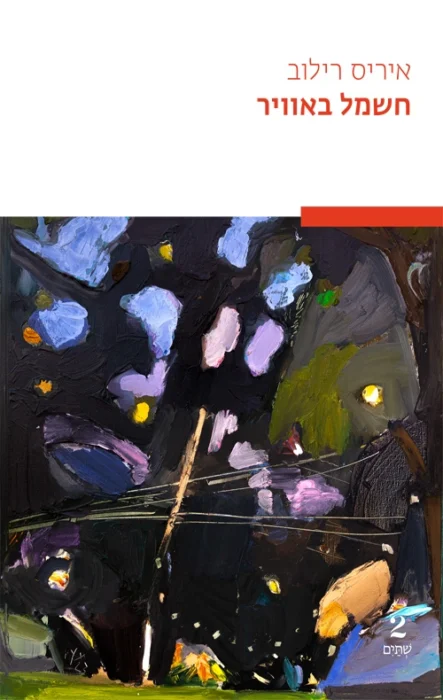
Electricity in the Air / Iris Rilov
Electricity in the Air by Iris Rilov is a very impressive novel. On the surface: a woman in midlife, a marital crisis, a past that returns, an admired poet, and an old notebook. In practice, it is a brilliant and deeply pleasurable novel about a woman who begins to move after years in which something inside her had frozen. This is not a dramatic or festive movement. It is slow, physical, sometimes awkward, and not always elegant. Nili is beginning to move.
Nili is a translator. At the beginning of the novel, her husband, Yonatan, tells her that he does not know whether he still loves her or whether it is simply habit. He leaves for a sabbatical, and she, wounded by the very existence of that doubt, refuses to join him. At the same time, her mother moves in with her after the assisted living facility where she had been living is damaged by a lightning strike. While preparing a room for her mother and clearing boxes, Nili finds the diary of the poet Oded Naftali, with whom she had an old encounter that remains open in her memory.
When she was fifteen, Nili gave Naftali poems she had written. The imbalance of power between them is obvious. But Rilov also speaks to the cultural dimension: an admired, charismatic poet who appears to a fifteen-year-old girl as a gateway into the world of poetry. Nili wants to receive a little of his stardust, perhaps even confirmation that she belongs there too. That encounter, instead of opening a gate for her, closes something inside her. When he shifts the meeting from poetry to the body, her dream shatters. She tells him, “I came here to talk about poetry.” It is an almost childish sentence, and at the same time a piercing one. Because she really did come to talk about poetry. He did not.
A decade after their murky encounter, Nili steals Naftali’s diary. It accompanies her throughout her life, but she does not read it. Only many years later, when another earthquake takes place in her life, does she dare to open it. The second earthquake reopens the first crack.
Rilov connects pain to everyday life. She enters life with flip-flops, sweatpants, messy hair, and a cannabis dealer who calls Nili “sweetie.” In one especially wonderful scene, Nili, unable to sleep, asks her son to connect her with someone who might help. It is funny until it is not. Behind all the large conversations about age, marriage, creation and meaning stands one woman who wants something very simple: to sleep.
Sleeplessness is a state of consciousness. When the night does not end, the thoughts do not end either. The body stops cooperating with the stories one tells oneself about control, adulthood, and order. At night, everything returns: the insult, the missed chance, the suspicion, the memory, the future. And in the morning, one must somehow “survive another day.” This is not literary drama. It is a physical reality far too familiar.
The marriage between Nili and Yonatan is also well written. Rilov describes a long relationship in the moments of erosion that precede collapse: losing patience, growing in different directions, no longer listening. Love does not always end all at once. Sometimes it simply loses its form, until neither side knows whether what remains is feeling, habit, or both. A long relationship is built on its contradictions. Yonatan is Nili’s “source of pain, and also her comfort.”
From the moment something cracks in Nili, she has to move. She does not always know where to go, and there is not always somewhere to go. Sometimes the movement is a journey after a vanished poet. Sometimes it is a hurried exit from a room. Sometimes it is an almost ridiculous attempt to escape from a quarantine hotel toward the sea. Even when she is stopped by a masked guard, something in her refuses to remain in place.
In Italy, the movement becomes truly physical. In San Gimignano, facing towers built out of arrogance, Nili climbs slowly. She makes an effort, stops, breathes, and continues. Once, she clung to the edge of Naftali’s shirt on a motorcycle. Later, she became used to Yonatan’s hand supporting her on climbs. In Italy, she climbs at her own pace. And she arrives.
The towers of San Gimignano were built to display wealth, protection, and prestige, but in the end they are also empty stone spaces. The tower, like the great poet, like male ambition, like the fantasy of height and fame, looks beautiful from far away. Up close, one sees the arrogance, the emptiness, and what did not really save anyone. Naftali’s poem about the bell and the future plague hangs over the novel like a warning sign.
Toward its end, the novel makes a brilliant move. It solves a mystery we did not know existed. Details that first seemed marginal, almost domestic, suddenly gather into a new picture. Something that appeared to be a side memory, another small story of an aging woman, is revealed as part of the hidden heart of the book. What had been lying there all along was waiting for the moment when Nili would be able to decipher it.
After all the outward movement, toward the poet, the diary, Italy, and the towers, the novel brings Nili back inward: to her elderly mother, to the body, to her own notebook. This is the new possibility that opens before her: not to continue translating other people’s lives, but to finally begin writing her own.
That is why Electricity in the Air is such a beautiful book. It does not simplify life. It knows that sometimes the wound and the healing are found in the same person. That parenthood does not end when the child grows up. That menopause is a state in which the body, memory, and future begin to speak all at once. And it understands, perhaps more than anything, that silencing is not always a clear and violent event. Sometimes it is the moment in which a person becomes invisible.
לגלות עוד מהאתר Sivi's Books
Subscribe to get the latest posts sent to your email.