Please scroll down for an English review.
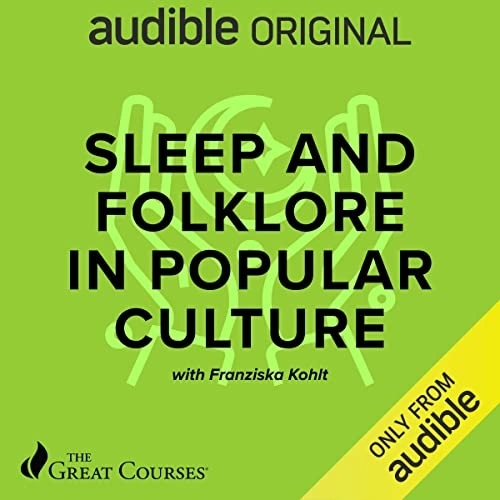
Sleep and Folklore in Popular Culture הוא קורס קצר בן שש הרצאות על שינה, חלומות והסיפורים שנבנו סביבם. הוא עוסק בשינה כמצב תרבותי: הרגע שבו האדם עדיין חי, עדיין בגופו, אבל אינו לגמרי נוכח בעולם.
שינה היא מצב של פגיעות. הגוף נשאר, התודעה נסוגה, והאדם מאבד חלק מן השליטה שלו בעצמו. אולי משום כך התרבות לא הניחה לו לישון בשקט. היא מילאה את השינה באלים, רוחות, פיות, נבואות, סיוטים, נשים רדומות, ילדים שנלקחים, יערות מכושפים, שאול, מכונות ומשחקים.
הקורס שואל מה התרבות מדמיינת שקורה לנו ברגע שבו התודעה משחררת חלק מן השליטה.
מה שצריך לדעת
קורס קצר בן שש הרצאות על שינה, חלומות ופולקלור בתרבות הפופולרית, מן המיתולוגיה היוונית והאגדות ועד אליס, איש החול, וונגוט, בלייד ראנר והמטריקס.
למאזינים שמתעניינים בפולקלור, מיתולוגיה, ספרות ילדים, חלומות, טראומה, פנטזיה, מדע בדיוני והאופן שבו התרבות מספרת את הפחדים שלה דרך שינה.
הקורס מציע רעיון חזק: שינה אינה רק מנוחה, אלא סף פגיע בין חיים למוות, ילדות לפחד, תודעה לטראומה, אדם למכונה.
שש הרצאות הן מעט מדי למסע רחב כל כך. לפעמים המעברים מהירים מדי, והכותרת מבטיחה פולקלור רחב יותר מזה שהקורס באמת מספיק לתת.
הקשר העתיק בין שינה למוות מופיע כבר במיתולוגיה היוונית. היפנוס, השינה, ותנטוס, המוות, הם אחים. מכאן נולד אחד הדימויים החוזרים בקורס: שינה וחלום כירידה אל מקום אחר. האדם הישן עוזב זמנית את פני השטח. הוא אינו מת, אבל גם אינו שייך לגמרי לעולם הערים.
סיפורי המסע, השאול וההתגלות חוזרים שוב ושוב אל הקרבה הזאת בין שינה למוות. ב-מזמור חג המולד של דיקנס, סקרוג' נלקח בשנתו אל עברו, אל ההווה שלו ואל העתיד שמחכה לו. החלום מציב מולו מראה. הוא אינו מקבל הסבר. הוא נאלץ לראות. העולם הער מאפשר לו להמשיך להיות קמצן, אטום וצודק בעיני עצמו. השינה מסירה את ההגנות האלה.
בימי הביניים החלום נעשה כלי של מסע דתי ומוסרי. ב-מסעות ההלך של ג'ון באניין, הדרך אל הישועה נפרשת כנוף של מצבים נפשיים ורוחניים: ביצות, שערים, ערים ומקומות סכנה. הכול הופך למפה של הנפש. זה יכול להיות דידקטי מאוד, ולעיתים באמת כך. הדגם נשאר חשוב גם מחוץ להקשר הדתי: האדם ממשיך ללכת בתוך מרחבים שמבטאים את מה שמתחולל בו.
היער המכושף חוזר בקורס כאחד ממרחבי הסף המרכזיים של סיפורי שינה וחלום. הוא מופיע שוב ושוב בספרות, בפולקלור ובאגדות. הזמן פועל בו אחרת. מי שנכנס אליו כבר אינו בטוח היכן הוא עומד. היצורים שפוגשים ביער יכולים לעזור, להטעות, לפתות או לדרוש מחיר. אצל שייקספיר, ב-חלום ליל קיץ, היער מאפשר לתשוקות להשתבש ולהתגלות. ב-האריה, המכשפה וארון הבגדים, המעבר דרך הארון מוביל אל יער מושלג שבו עולם אחר מתחיל לפעול לפי חוקים משלו.
השינה כפגיעות נעשית ברורה במיוחד כשהקורס מתעכב על ספרות ילדים ואגדות. סיפורי ילדים שמרו על קשר עמוק עם מוות, פחד ואבל, גם כשעטפו אותו בקסם והרפתקה. פיטר פן זכור כילד שאינו רוצה לגדול; בקורס הוא מופיע גם כדמות שמלווה ילדים מתים חלק מן הדרך כדי שלא יפחדו. אחרי זה, הסוף כבר נקרא אחרת.
ההרצאה על היפהפייה הנרדמת מוסיפה נדבך חשוב, מפני שהיא עוסקת בשינה כמצב של פגיעות. הנסיכה ישנה, וכל הממלכה נרדמת איתה. התרבות לימדה אותנו לקרוא את הסיפור כרומנטיקה. קוהלט מזכירה שהרומנטיקה הזאת בנויה על גוף נשי מורדם, מושתק, חסר שליטה, שמישהו אחר מחזיק במפתח להתעוררותו. בגרסאות קדומות יותר של הסיפור, האלימות הזאת גלויה בהרבה. השינה נראית כמו קסם. מתחת לקסם נמצא אובדן שליטה.
השינה מערערת גם את התודעה עצמה. Alice’s Adventures in Wonderland חוזר לאורך הקורס כאחד מסיפורי הסף החשובים של התרבות המודרנית: ילדה נופלת לעולם שבו הגוף, המציאות וההיגיון משתבשים, והמבוגרים ממשיכים לדבר בביטחון מלא, כאילו העולם לא התהפך להם מול העיניים. במאה ה־19, שאהבה לספר לעצמה שהיא עידן של עובדות, מדע וקדמה, אליס מזכירה שספרות ילדים וחלום יכלו להראות מה הרציונליות הזאת ניסתה לדחוק הצידה: דמיון, משחק, גוף משתנה, היגיון לא יציב ופחד מפני תודעה שאינה מצייתת לכללים.
בהרצאה על פרויד ו-איש החול של א.ת.א. הופמן, הקורס עובר אל הפסיכולוגיה המודרנית. פרויד ראה בחלום דרך אל הלא־מודע. קוהלט מראה שהפסיכולוגיה הזאת נשארת קשורה למיתוס: היא ממשיכה לדבר בשפה של עומק, שכבות, מרתפים ושאול. המדע מגיע עם מונחים חדשים, והדימויים הישנים כבר מחכים לו.
איש החול מחבר בין שינה, פחד ילדי, טראומה ומכונה. דמות הסנדמן אמורה להביא שינה, ובאותה נשימה מאיימת לגזול את עיני הילדים. נתנאל, גיבור הסיפור, נושא איתו פחד ילדות שאינו נשאר בילדות. הוא מתאהב באולימפיה, אישה שהיא למעשה אוטומטון. אולימפיה מערערת את היכולת של התודעה לזהות אנושיות. נתנאל רואה בה אדם, והפחד נמצא במבט שמצליח להעניק לה חיים.
הקורס ממשיך אל שאלת המכונה החולמת, דרך Blade Runner, Do Androids Dream of Electric Sheep? ו־Sandman של ניל גיימן. אם חלום קשור לזיכרון, תשוקה, פחד ואמפתיה, מה קורה כשיצור מלאכותי מתחיל להיראות כאילו גם הדברים האלה קיימים בו. האם חלימה היא סימן לאנושיות. האם היעדרה מוכיח משהו. הקורס אינו עונה על זה בפשטות, וטוב שכך. השאלה מעניינת יותר מן התשובה.
במאה העשרים ובעידן הדיגיטלי סיפורי שינה וחלום נעשים שבורים יותר. המסע המסודר של ירידה, התגלות וחזרה נסדק אחרי מלחמות העולם. אל תוך הסדק נכנסים פירוק, חזרה כפייתית וניסיון לתת צורה לחוויה שכבר איבדה צורה.
דאלי מופיע בהרצאה כחלק מן המעבר אל חלום שבור וסוריאליסטי. כתבתי עליו בהרחבה ברשומה נפרדת, ולכן כאן הוא נשאר כאזכור בלבד. ב־Slaughterhouse-Five, בילי פילגרים נעקר מן הזמן. המדע הבדיוני נותן לטראומה צורה: עבר שמתפרץ, זיכרון שנשבר, תודעה שמאבדת רצף. השבר הנפשי מקבל מבנה עלילתי.
סיפורי שינה וחלום משתנים בהתאם לפצע של התקופה. בהקשר דתי, הם מובילים להתגלות. בעולם ויקטוריאני, הם מערערים את פולחן הרציונליות. אחרי מלחמות העולם, הם נושאים דיסוציאציה, זיכרון מרוסק וטראומה. האדם הישן עובר לעולם אחר, והחזרה ממנו כבר אינה מובטחת.
ההרצאה האחרונה מעבירה את הדיון אל The Matrix, מציאות מדומה, משחקי מחשב וטיפול נפשי. החלום עובר כאן מן הגוף הישן אל מרחב טכנולוגי שאפשר לייצר, לתכנת ולתווך. עולם מלאכותי יכול לנחם, לרפא ולפתוח אפשרות חדשה. הוא יכול גם לשלוט, לעצב תודעה ולנצל את המקום הפגיע ביותר באדם. התפאורה משתנה. הפגיעות נשארת.
במשחקי המחשב של American McGee’s Alice ארץ הפלאות נעשית מרחב נפשי שבור. אליס נושאת טראומה, והשחקן נכנס לתוך עולם שבו הזיכרונות מפוזרים, מעוותים ולעיתים מודחקים. המשחק משתמש באליס מפני שהיא מוכרת, ומפני שארץ הפלאות תמיד הייתה מקום שבו זהות, גוף, שפה ופחד מתערבבים. המדיום משתנה. העבודה התרבותית נשארת קרובה מאוד.
החיסרון של הקורס נובע מן השאפתנות שלו. שש הרצאות הן מעט מאוד למסע שמתחיל במיתולוגיה יוונית ומגיע למציאות מדומה. לפעמים המעברים מהירים מדי. לפעמים יש תחושה שהמרצה רוצה להכניס עוד דוגמה ועוד אחת, במקום לשהות מעט יותר בתוך אחת מהן. הכותרת מבטיחה פולקלור בתרבות הפופולרית; עיקר החומר מגיע מן המסורת המערבית והאנגלו-אמריקאית. יש יציאות החוצה, אך לא מספיק. המבט רחב, אבל אינו עולמי באמת.
יחד עם זאת, אהבתי את הקורס. הוא מציע דרך לחשוב על שינה כעל סף: בין חיים למוות, ילדות ופחד, תודעה וטראומה, אדם ומכונה. ברגעים הטובים שלו, הוא מראה שסיפורי שינה וחלום אינם שוליים רכים של התרבות. הם המקומות שבהם התרבות בודקת מה קורה לאדם כשהוא מפסיק לשלוט בעצמו.
Sleep and Folklore in Popular Culture עוסק במה שהתרבות מדמיינת שקורה לנו כשאנחנו ישנים. מי שומר על האדם הישן. מי מאיים עליו. מי מדבר אליו. מי מנצל את חוסר האונים שלו. מי מחכה שיתעורר. ומה, אם בכלל, חוזר איתו מן המקום שבו היה.
השינה בקורס הזה אינה מנוחה. היא סף.
ועל הסף הזה התרבות מספרת את עצמה כבר אלפי שנים.
Sleep and Folklore in Popular Culture / Franziska E. Kohlt
Sleep and Folklore in Popular Culture is a short course of six lectures about sleep, dreams, and the stories built around them. It treats sleep as a cultural state: the moment in which a person is still alive, still in the body, but not fully present in the world.
Sleep is a state of vulnerability. The body remains, consciousness withdraws, and a person loses part of their control over themselves. Perhaps that is why culture never allowed us to sleep quietly. It filled sleep with gods, spirits, fairies, prophecies, nightmares, sleeping women, children taken away, enchanted forests, the underworld, machines and games.
The course asks what culture imagines happens to us at the moment when consciousness releases part of its control.
The ancient connection between sleep and death already appears in Greek mythology. Hypnos, sleep, and Thanatos, death, are brothers. From this comes one of the recurring images in the course: sleep and dream as a descent into another place. The sleeping person temporarily leaves the surface. They are not dead, but they no longer fully belong to the waking world either.
Stories of journey, underworld, and revelation return again and again to this closeness between sleep and death. In Dickens’s A Christmas Carol, Scrooge is taken in his sleep into his past, his present, and the future awaiting him. The dream places a mirror before him. He is not given an explanation. He is forced to see. The waking world allows him to remain miserly, closed off, and righteous in his own eyes. Sleep removes those protections.
In the Middle Ages, the dream became a tool of religious and moral journey. In John Bunyan’s The Pilgrim’s Progress, the road toward salvation unfolds as a landscape of mental and spiritual states: swamps, gates, cities, and places of danger. Everything becomes a map of the soul. This can be very didactic, and often it is. Yet the model remains important even outside the religious context: the person continues to walk through spaces that express what is happening inside them.
The enchanted forest returns throughout the course as one of the central threshold spaces of sleep and dream stories. It appears again and again in literature, folklore, and fairy tales. Time works differently there. Those who enter it are no longer certain where they stand. The beings met in the forest can help, mislead, tempt, or demand a price. In Shakespeare’s A Midsummer Night’s Dream, the forest allows desires to become confused and revealed. In The Lion, the Witch and the Wardrobe, the passage through the wardrobe leads to a snowy forest where another world begins to operate according to its own rules.
Sleep as vulnerability becomes especially clear when the course turns to children’s literature and fairy tales. Children’s stories have preserved a deep connection to death, fear, and grief, even as they wrap these themes in magic and adventure. Peter Pan is remembered as the boy who does not want to grow up; in this course, he also appears as a figure who accompanies dead children partway so they will not be afraid. After that, the ending can no longer be read in quite the same way.
The lecture on Sleeping Beauty adds an important layer by addressing sleep as a state of vulnerability. The princess sleeps, and the entire kingdom falls asleep with her. Culture has taught us to read the story as romance. Kohlt reminds us that this romance is built on a sleeping female body: silenced, unconscious, without control, while someone else holds the key to its awakening. In earlier versions of the story, the violence is far more explicit. The sleep looks like magic. Under the magic lies a loss of control.
Sleep also unsettles consciousness itself. Alice’s Adventures in Wonderland returns throughout the course as one of the great threshold stories of modern culture: a girl falls into a world in which body, reality, and logic are disrupted, while the adults continue to speak with complete confidence, as though the world has not turned upside down before their eyes. In the nineteenth century, which liked to tell itself that it was an age of facts, science, and progress, Alice reminds us that children’s literature and dreams could show what that rationality tried to push aside: imagination, play, a changing body, unstable logic, and fear of a consciousness that does not obey the rules.
In the lecture on Freud and E. T. A. Hoffmann’s “The Sandman,” the course moves into modern psychology. Freud saw the dream as a path to the unconscious. Kohlt shows that this psychology remains tied to myth: it continues to speak in the language of depth, layers, cellars and underworlds. Science arrives with new terms, but the old images are already waiting for it.
“The Sandman” connects sleep, childhood fear, trauma, and the machine. The figure of the Sandman is supposed to bring sleep, and in the same breath threatens to steal the eyes of children. Nathanael, the story’s protagonist, carries a childhood fear that does not remain in childhood. He falls in love with Olympia, a woman who is, in fact, an automaton. Olympia unsettles consciousness’s ability to identify humanity. Nathanael sees her as a person, and the fear lies in the gaze that manages to give her life.
The course continues to the question of the dreaming machine, through Blade Runner, Do Androids Dream of Electric Sheep?, and Neil Gaiman’s Sandman. If dreams are connected to memory, desire, fear, and empathy, what happens when an artificial being begins to appear as though these things exist within it too? Is dreaming a sign of humanity? Does its absence prove anything? The course does not answer this simply, and that is a good thing. The question is more interesting than the answer.
In the twentieth century and the digital age, stories of sleep and dream become more fractured. The orderly journey of descent, revelation and return cracks after the world wars. Into that crack enter fragmentation, compulsive repetition and the attempt to give shape to an experience that has already lost its shape.
Dalí appears in the lecture as part of the movement toward broken and surreal dreams. I wrote about him at length in a separate post, so here he remains only as a brief mention. In Slaughterhouse-Five, Billy Pilgrim becomes unstuck in time. Science fiction gives trauma a form: a past that erupts, a memory that breaks, a consciousness that loses sequence. Psychic rupture receives a narrative structure.
Stories of sleep and dream change according to the wound of their time. In a religious context, they lead to revelation. In the Victorian world, they unsettle the cult of rationality. After the world wars, they carry dissociation, shattered memory and trauma. The sleeping person crosses into another world, and the return is no longer guaranteed.
The final lecture moves the discussion to The Matrix, virtual reality, video games, and therapy. The dream moves from the sleeping body to a technological space that can be produced, programmed, and mediated. An artificial world can comfort, heal, and open new possibilities. It can also control, shape consciousness, and exploit the most vulnerable place in a person. The setting changes. The vulnerability remains.
In American McGee’s Alice video games, Wonderland becomes a broken psychic space. Alice carries trauma, and the player enters a world in which memories are scattered, distorted, and sometimes repressed. The game uses Alice because she is familiarand because Wonderland has always been a place where identity, body, language, and fear mix. The medium changes. The cultural work remains very close.
The weakness of the course comes from its ambition. Six lectures are very few for a journey that begins in Greek mythology and reaches virtual reality. Sometimes the transitions are too quick. Sometimes there is a sense that the lecturer wants to include one more example and then another, instead of lingering a little longer inside one of them. The title promises folklore in popular culture, but most of the material comes from the Western and Anglo-American tradition. There are movements outward, but not enough. The view is broad, but not truly global.
Even so, I liked the course. It offers a way to think about sleep as a threshold: between life and death, childhood and fear, consciousness and trauma, human and machine. At its best, it shows that stories of sleep and dream are not the soft margins of culture. They are the places where culture tests what happens to a person when they stop controlling themselves.
Sleep and Folklore in Popular Culture is about what culture imagines happens to us when we sleep. Who protects the sleeping person. Who threatens them. Who speaks to them. Who exploits their helplessness. Who waits for them to wake. And what, if anything, returns with them from the place where they have been.
In this course, sleep is not rest. It is a threshold.
And on that threshold, culture has been telling itself for thousands of years.
לגלות עוד מהאתר Sivi's Books
Subscribe to get the latest posts sent to your email.