For English review, please scroll down.
קראתי את המים שבין העולמות כדי להתקדם עם טרילוגיית הלווייתן מבבל ולהשלים אותה. הספר הראשון השאיר רושם של עולם מעניין, אך עמוס ומתפזר: רעיונות טובים, מיתולוגיה מסקרנת ודמויות חיות לפרקים. הספר השני מרחיב את העולם הזה, ובתוך כך מדגיש את חולשותיו של הספר הראשון. הוא מוסיף עוד שכבות, עוד מסעות ועוד סמלים, והעומס נעשה בולט יותר.
המים שבין העולמות הוא ספר עם רעיונות טובים מאוד. יש בו דמיון, שאפתנות וניסיון לבנות פנטזיה עברית שנשענת על חומרים מסופוטמיים, מקראיים ויהודיים, ולא על עוד עולם אירופי ממוחזר עם מפה, חרב ונבואה. על הנייר, זה חומר מצוין. דווקא משום כך התסכול גדול כל כך: הרעיונות לא מתגבשים לעלילה קוהרנטית.
מה שצריך לדעת
הספר השני בטרילוגיית הלווייתן מבבל של הגר ינאי, הממשיך להרחיב עולם פנטזיה ישראלי הנשען על חומרים מסופוטמיים, מקראיים ויהודיים.
לקוראים שאוהבים פנטזיה עברית שאפתנית, עולמות מקבילים, מיתולוגיה, מסעות, שדים, מלחמות ורעיונות סימבוליים סביב פחד, צל וזהות.
הרעיונות חזקים מאוד, בעיקר קו הצללים של יונתן: הפחד, הכאב והזיכרון אינם עודפים מיותרים, אלא חלק מן החיות של האדם.
הספר עמוס מדי בצירי עלילה, מסעות וסמלים. כל רעיון יכול היה להחזיק ספר טוב יותר, אבל יחד הם לא מתגבשים למהלך חד וקוהרנטי.
הרעיון החזק ביותר בספר קשור ליונתן, מרקיד הצללים. בתחילה נדמה שיונתן עושה מעשה כמעט טיפולי. הוא עובר בין המורדים ומשחרר אנשים מן הצללים שלהם. הצל נקשר לפחד, כאב, זיכרון, חרדה, אולי גם לדיכאון. בתוך מלחמה, זה כוח מסוכן במיוחד: אם אפשר להסיר מן האדם את הפחד, אפשר לגרום לו לעשות כמעט כל דבר.
הספר לוקח את הרעיון הזה למקום מעניין יותר כאשר יונתן חוזר לעולם שלנו. אחרי שהוא לוקח את הצל של הבן של בעל המסעדה, הוא מבין שלשחרור הזה יש מחיר. האדם שנשאר בלי צל מאבד משהו מן החיות שלו. הפחד, הכאב והזיכרון אינם עודפים מיותרים. הם חלק מן האדם עצמו. שקט מוחלט עלול להיות ריקון.
הצד האפל באמת מתגלה כשיונתן עצמו נעשה תלוי בצללים. הוא חוזר לעולם שלנו ומגלה רעב חדש, רעב לצללים. מה שהתחיל ככוח של שחרור הופך להתמכרות. יונתן כבר לא רק מסיר מאנשים את הפחד; הוא זקוק להם. נער שמאמין שהוא מציל אחרים מגלה שהכוח שלו עלול להפוך אותו למי שניזון מהם.
החלק האחרון בקו העלילה של יונתן נשען על המתח הזה: הוא מבקר את אביו, שנמצא במצב קטטוני, ושם נופל בפח. סמנכ״לית בחברה שבה עבד אביו נותנת לו שוקולדים המכילים שביבי צל, והוא אינו יודע מה יש בהם. הפיתוי כמעט גס מרוב שהוא מדויק: מתיקות שמסתירה תלות, נחמה קטנה שמכילה מלכודת. דרך השוקולדים היא משכנעת אותו לחזור אל המים שבין העולמות. ההתמכרות של יונתן הייתה יכולה להיות לב העלילה. בפועל היא עוד ציר בתוך ספר שכבר עמוס בצירים.
גם אלה מקבלת מסלול מעניין. היא מתחפשת לגבר בשם אלאס כדי להצטרף למלחמה ולהיות קרובה להילל. כשהיא מחליטה לחזור למים שבין העולמות, היא נכנסת לתחרות עם שד ומעלה את המחירים עוד ועוד, עד שכמעט לא נשאר לה מה להפסיד. המשחק הזה בנוי על רעיון חזק: כל ויתור נראה נסבל ברגע שעושים אותו. אחר כך מתברר כמה מעט נשאר לאדם שוויתר. דרך אלה הספר נוגע בחציית גבולות של גוף, זהות ומוסר, אבל גם הקו שלה לא מתגבש למהלך רגשי חד.
נינו והילל מקבלים שניהם מסלולים מעניינים על הנייר. נינו שמגלה את עומקה מבפנים, והילל כמתחרה סמלי ליונתן. אבל הספר לא נותן לאף אחד מהם מרחב מספיק להתפתח.
וזו הבעיה המרכזית של המים שבין העולמות: כל רעיון בנפרד יכול היה להחזיק ספר טוב יותר. הצללים של יונתן, ההתמכרות, האנשים שמאבדים את חיותם, אלה כאלאס, התחרות עם השד, נינו והתהום הפנימית שלה, המים שבין העולמות, הלווייתן. החומרים קיימים, וחלקם באמת יפים. הם פשוט לא מצטרפים למהלך אחד. במקום עלילה שנבנית, מתקבלת הצטברות של רעיונות.
הסיום לא הציל את הספר מבחינתי. יונתן נפרד מן החבורה ונשאר להתאחד עם הצל שלו, הלווייתן, כדי להכריע את המלחמה הגדולה. זה היה צפוי כמעט מרגע שהספר התחיל לעסוק בצללים. היה ברור שהצל לא יישאר סמל או תופעת לוואי של כוח. הוא יהפוך לדבר הגדול עצמו. הלווייתן, הצל, המלחמה, ההתאחדות, הכול הולך למקום מתבקש מדי.
אני חושבת שהאכזבה שלי מן הספר נובעת דווקא מכך שיש בו כל כך הרבה פוטנציאל. הרעיונות שבו ראויים לספר מהודק בהרבה. ספר שמצליח להפוך שפע למבנה, ולא מסתפק בעצם קיומו של השפע.
דמיון ומיתולוגיה אינם מספיקים. ספר פנטזיה רחב צריך חוקיות פנימית, משקל רגשי וסדר עדיפויות. הוא צריך לדעת מה עומד במרכז ומה משרת אותו. כאן יותר מדי דברים מתחרים על המרכז, ולכן שום דבר לא באמת מתיישב בו.
אפשר להעריך את השאפתנות של הגר ינאי. היא מנסה לבנות פנטזיה ישראלית רחבה, ייחודית ושונה, וזה חשוב בעולם ספרותי קטן שבו פנטזיה מקורית עדיין אינה זוכה למספיק מקום. דווקא משום כך הקריאה בספר מתסכלת: הכוונה ראויה, הרעיונות טובים, אבל המבנה אינו מצליח לשאת אותם.
אני אמשיך לספר השלישי כדי להשלים את הטרילוגיה. אני רוצה לדעת אם כל הפיזור הזה יקבל בסוף משמעות. כרגע, אחרי שני ספרים, התחושה היא שיש כאן עולם עשיר מאוד, אבל הסיפור שבתוכו עדיין מחפש את צלו.
המים שבין העולמות / הגר ינאי
הוצאת אוקיינוס, 2008, 316 עמ'
דירוג SIVI –
איכות אודיו –
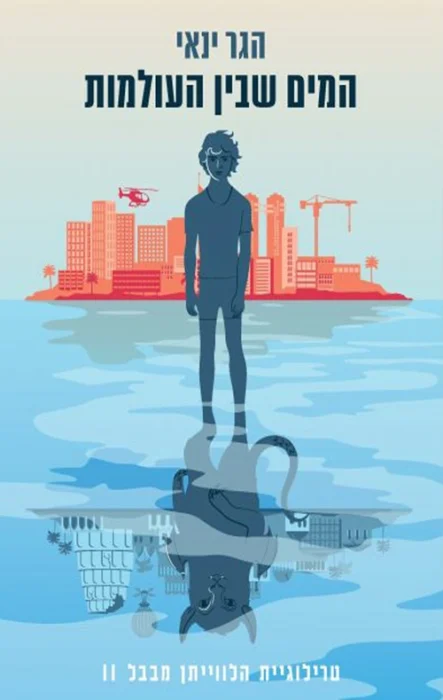
הלווייתן מבבל #2
The Waters Between the Worlds / Hagar Yanai
I read The Waters Between the Worlds in order to continue with The Leviathan of Babylon trilogy and eventually complete it. The first book left me with the impression of an interesting but overloaded and scattered world: good ideas, intriguing mythology and characters that felt alive at times. The second book expands that world, and in doing so emphasizes the weaknesses of the first. It adds more layers, more journeys and more symbols, and the overload becomes more noticeable.
The Waters Between the Worlds is a book with very good ideas. It has imagination, ambition and an attempt to build Hebrew fantasy that draws on Mesopotamian, biblical and Jewish materials, rather than yet another recycled European world with a map, a sword and a prophecy. On paper, that is excellent material. Precisely for that reason, the frustration is so great: the ideas do not become a coherent plot.
The strongest idea in the book is connected to Jonathan, the shadow dancer. At first it seems that Jonathan is doing something almost therapeutic. He moves among the rebels and releases people from their shadows. The shadow is connected to fear, pain, memory, anxiety, perhaps also depression. In the middle of a war, that is an especially dangerous power: if you can remove fear from a person, you can make them do almost anything.
The book takes this idea to a more interesting place when Jonathan returns to our world. After he takes the shadow of the restaurant owner’s son, he understands that this release has a price. A person left without a shadow loses something of their vitality. Fear, pain and memory are not unnecessary excess. They are part of the person themselves. Complete quiet can become a kind of emptying.
The truly dark side is revealed when Jonathan himself becomes dependent on shadows. He returns to our world and discovers a new hunger, a hunger for shadows. What began as a power of release becomes an addiction. Jonathan is no longer merely removing fear from people; he needs them. A boy who believes he is saving others discovers that his power may turn him into someone who feeds on them.
The final part of Jonathan’s plotline rests on this tension: he visits his father, who is in a catatonic state, and there he falls into a trap. A senior executive at the company where his father worked gives him chocolates containing shadow fragments, and he does not know what is in them. The temptation is almost crude because it is so precise: sweetness hiding dependence, a small comfort that contains a trap. Through the chocolates, she persuades him to return to the waters between the worlds. Jonathan’s addiction could have been the heart of the plot. In practice, it is another axis in a book that is already overloaded with axes.
Ella also receives an interesting path. She disguises herself as a man named Alas in order to join the war and be close to Hillel. When she decides to return to the waters between the worlds, she enters a contest with a demon and raises the stakes more and more, until she has almost nothing left to lose. This game is built on a strong idea: every sacrifice seems bearable at the moment it is made. Only afterward does it become clear how little remains of a person who has given things up. Through Ella, the book touches on the crossing of boundaries of body, identity and morality, but her line too does not become a sharp emotional arc.
Nino and Hillel both have interesting storylines on paper. Nino discovers depth from within, and Hillel serves as a symbolic rival to Jonathan. But the book does not give either of them enough room to develop.
And that is the central problem of The Waters Between the Worlds: every idea on its own could have supported a better book. Jonathan’s shadows, the addiction, the people who lose their vitality, Ella as Alas, the contest with the demon, Nino and her inner abyss, the waters between the worlds, the Leviathan. The materials are there, and some of them are genuinely beautiful. They simply do not join into one movement. Instead of a plot that builds, there is an accumulation of ideas.
The ending did not save the book for me. Jonathan separates from the group and remains behind to unite with his shadow, the Leviathan, in order to decide the great war. It was predictable almost from the moment the book began to deal with shadows. It was clear that the shadow would not remain a symbol or a side effect of power. It would become the great thing itself. The Leviathan, the shadow, the war, the union, everything moves toward a place that feels too expected.
I think my disappointment with the book comes precisely from the fact that it has so much potential. Its ideas deserve a much tighter book. A book that succeeds in turning abundance into structure, rather than relying on the mere existence of abundance.
Imagination and mythology are not enough. A broad fantasy novel needs internal logic, emotional weight, and priorities. It needs to know what stands at the center and what serves it. Here, too many things compete for the center, and therefore nothing truly settles there.
One can appreciate Hagar Yanai’s ambition. She is trying to build a broad, unique Israeli fantasy, and that matters in a small literary world where original fantasy still does not receive enough space. Precisely for that reason, reading the book is frustrating: the intention is worthy, the ideas are good, but the structure cannot carry them.
I will continue to the third book in order to complete the trilogy. I want to know whether all this scattering will eventually gain meaning. For now, after two books, the feeling is that there is a very rich world here, but the story inside it is still looking for its shadow.
לגלות עוד מהאתר Sivi's Books
Subscribe to get the latest posts sent to your email.