
Hillbilly Elegy הפתיע אותי. ג׳יי די ואנס כתב ספר טוב, ולעיתים טוב מאוד, על עוני, טראומות ילדות ותת־תרבות שנוצרת בתוך קהילות עניות ונשחקות. זה ספר מורכב הרבה יותר מן הדימוי שדבק בו. בניגוד למחשבה הרווחת, ואנס אינו מציג את עצמו כאדם שהצליח רק מפני שרצה מספיק, ואינו מתעלם מן הסיוע שקיבל מן המדינה, ממערכת החינוך ומאנשים שעמדו לצדו. להפך. שוב ושוב הוא מראה עד כמה מעט היה חסר כדי שחייו יידרדרו למסלול אחר לגמרי.
משפחתו של ואנס הגיעה מאזור האפלצ׳ים בקנטקי והיגרה למידלטאון, אוהיו, עיר תעשייתית שנשענה על מפעלים ועל אתוס העבודה הקשה. עם היחלשות התעשייה נשחק גם הביטחון הכלכלי. המשפחה הביאה איתה לאוהיו את הקודים של האפלצ׳ים: נאמנות משפחתית קיצונית, גאווה, אלימות, התמכרות, בושה, חשד בממסד ופחד מחשיפה של מה שמתרחש בתוך הבית.
הספר עוסק במושג רחב של עוני, הכולל הרבה יותר ממחסור בכסף. ואנס מתאר תת־תרבות שנוצרת בתוך חוסר יציבות, טראומות ילדות, התמכרות והיעדר אופק. עם הזמן, תגובות למצוקה נהפכות לדפוסי חיים. הבית מתנהל בכאוס. ילדים עוברים בין בני הזוג של האם, בין כתובות ובין הבטחות שלא מתקיימות. מדברים על עבודה קשה, אך לא תמיד עובדים. הצלחתו של האחר מעוררת הערכה, חשד ולעיתים עוינות. כסף מוצא על אלכוהול, סיגריות, סמים ומוצרים שנועדו ליצור מראית עין של מעמד גבוה יותר. בסוף לא נשאר דבר.
ואנס מכיר את האנשים האלה מבפנים. הוא מכיר את הבושה, את הדירה שאליה המשטרה מגיעה שוב, את הילד שמסתיר מחבריו שהוא גר אצל סבתו, ואת המשפחה שמעמידה פנים שהכול תקין גם כשהבית מתפרק. הוא מכיר את דפוסי ההתנהגות ואת ההיגיון הפשוט שמאחוריהם: כסף שווה אוכל. אנשים שחיים בתוך חוסר ודאות לומדים לחשוב רק על ההווה. העתיד שייך למי שבטוח שמחר ייראה פחות או יותר כמו היום.
החלקים החזקים ביותר בספר עוסקים בילדותו ובאמו. היא אחות מוסמכת, חכמה ובעלת יכולת, ואישה מכורה שעוברת מגבר לגבר ומעבירה את ילדיה עמה ממערכת יחסים אחת לאחרת. ואנס חי בתוך רצף של בתים זמניים ושל גברים זרים, עד שגם המושג בית מאבד משמעות. הוא מתאר את הפגיעה שהיא גרמה לו לצד הילדות הפצועה שלה והכוחות שעיצבו אותה. ההבנה הזאת אינה פוטרת אותה מאחריות, אך היא מסבירה כיצד עוני ופגיעה עוברים מדור לדור.
מול האם עומדת Mamaw, הסבתא שהצילה אותו. היא גסה, חדה, מעשנת, מקללת, מאיימת ומלאה סתירות. היא כועסת על אנשים שחיים מקצבאות, וכעבור רגע שואלת איך למדינה יש כסף לנושאות מטוסים אך לא לטיפול בהתמכרויות. היא מאמינה בעבודה, בחינוך, בנאמנות משפחתית ובהגנה על ילדים. היציבות שהיא מעניקה לוואנס משנה את חייו.
המעבר לבית של Mamaw עוצר את הסחרור. ואנס חי שלוש שנים באותו בית, באותה מיטה, עם אותם כללים: להצליח בלימודים, לעבוד ולעזור בבית. Mamaw קונה לו מחשבון גרפי יקר מפני שהמורה המליץ עליו, ודורשת ממנו לקחת את הלימודים ברצינות. היא מעניקה לו יציבות, שקט וציפייה ברורה להצליח. הציונים שלו משתפרים כמעט מיד לאחר המעבר הקבוע אליה.
מה שצריך לדעת
ממואר שבו ג׳יי די ואנס מתאר ילדות של עוני, התמכרות וחוסר יציבות במשפחה אפלצ׳ית שעברה למידלטאון, אוהיו, ואת הדרך החריגה שהובילה אותו מן הבית של סבתו אל הצבא, הקולג׳ וייל.
לקוראים שמתעניינים בעוני בין־דורי, טראומות ילדות, מעמד הפועלים האמריקאי, קריסת ערי התעשייה והקשר בין משפחה, חינוך ומוביליות חברתית.
התיאור מבפנים של משפחה שחיה בין אהבה, אלימות, גאווה והתמכרות. ואנס מראה היטב שהיחלצות דורשת מאמץ אישי, אבל גם יציבות, מוסדות ואנשים שמטים מעט את המאזניים.
הספר חוזר פעמים רבות מדי אל אותם סיפורי סבל. בשלב מסוים החזרתיות עוצרת את הטיעון ומחלישה סיפור שכבר הוכיח היטב עד כמה הילדות הייתה קשה.
זו אחת הטענות החשובות בספר: מערכת החינוך יכולה להציע לילד הזדמנות, אבל היכולת להשתמש בה תלויה גם במה שקורה בבית. ואנס מתאר מורים שניסו להגיע אליו, בתי ספר סבירים, מענקי לימודים, הלוואות מסובסדות ומלגות שסייעו לו להגיע לקולג׳ ולייל. הוא מונה שוב ושוב את האנשים והמוסדות שהטו מעט את המאזניים לטובתו.
היכולת של ילד ללמוד מושפעת ישירות מן המציאות בבית. ילד שאינו יודע היכן יגור בחודש הבא, מי יהיה בן הזוג הבא של אמו או באיזה מצב היא תחזור הביתה, משקיע את רוב כוחותיו בהישרדות. גם מורים טובים ומשאבים ראויים אינם יכולים לבטל את השפעתן של טראומות ילדות מתמשכות.
ואנס מגדיר זאת במפורש כטראומות ילדות. זאת הבחנה מדויקת יותר מן המילה עוני. שני ילדים יכולים להגיע לאותו בית ספר ממשפחה בעלת אותה הכנסה, אך אחד מהם חוזר לבית יציב והשני לזירת קרב. ההבדל הזה יקבע במידה רבה את יכולתו של הילד להצליח.
הספר מסרב לקבל את ההסבר המופשט שלפיו המדינה אחראית לבדה למצבם של העניים. ואנס מכיר בהשקעות הציבוריות שקיבל, אך מציב להן גבול ברור. הממשלה יכולה לתת תלושי מזון, לממן לימודים ולהציע דיור. היא אינה יכולה למנוע מהורה להוציא כסף על סמים ואלכוהול, לגרום למשפחה לעודד השכלה, או לעצור קהילה שמקבלת גניבה, אלימות והרס עצמי כחלק משגרת החיים.
ואנס מראה כיצד הסיוע הקיים חלקי ולעיתים בנוי בצורה שמקבעת את העוני. הסיוע משאיר אנשים בחיים, ועניים: מזון ושכר דירה מספקים הישרדות בסיסית, אך בלי בריאות, טיפול בהתמכרויות, חינוך, הכשרה מקצועית, עבודה יציבה וסביבה שמציגה לאדם אפשרות ממשית אחרת, אין דרך לצאת מן העוני. כמו שביטול הסגרגציה החוקית לא מחק את ההפרדה הגזעית ואת הפערים שנבנו במשך דורות, תלושי מזון ודיור מסובסד אינם מפרקים עוני כאשר האדם נשאר באותה שכונה, עם אותם בתי ספר עמוסים, אותה אבטלה ואותו ייאוש. הסיוע מנהל את העוני שלו במקום לפרק אותו.
הדיון של ואנס ב־Section 8, תוכנית הסיוע בשכר דירה, ממחיש כיצד ריכוז של משפחות עניות באותם אזורים מצמצם את עולם האפשרויות. ילד צריך לראות סביבו אנשים שקמים לעבודה, משפחות יציבות ומבוגרים שמתכננים את העתיד. לא אחוזה ולא מיליונר, רק חיים קרובים מספיק כדי שיוכל לדמיין את עצמו בתוכם. כאשר כולם סביבו שקועים באותה מצוקה, ההישרדות נהפכת לתקרת השאיפה.
הכנסייה והקהילה הדתית תופסות אצל ואנס מקום חשוב כמוסדות קהילתיים. הן מחברות בין משפחות, יוצרות קשרים, מציבות דמויות בוגרות, מספקות עזרה ומעניקות תחושת שייכות. ההשוואה ליוטה המורמונית מבוססת על הטענה שקהילות משולבות, משפחות יציבות ומוסדות קהילתיים חזקים מעניקים לילד עני רשת תמיכה שחסרה באזורים שבהם העוני מרוכז והקהילה התפוררה.
כאשר ואנס מביט לאחור, הוא רואה כמה דברים היו צריכים להסתדר כדי שיוכל לצאת: Mamaw, אחותו, דודתו, מורים, חברים, הצבא, מלגות, עבודה ואנשים שהציגו לו חיים אחרים. הוא מודה במפורש שאילו אחד מהם היה חסר, ייתכן שכל הסיפור היה נגמר אחרת. ההצלחה שלו נבנתה מתוך רשת של תמיכה, יציבות והזדמנויות שאפשרה גם למאמץ האישי שלו לתת תוצאות.
עם זאת, ואנס חוזר יותר מדי פעמים אל סיפור הסבל. בשלב מסוים אין עוד צורך להוכיח עד כמה חייו היו קשים. הבנו. החזרתיות מחלישה את הספר, משום שהיא עוצרת את הטיעון ומחזירה אותו שוב ושוב לאותה ילדות שכבר תוארה היטב.
Hillbilly Elegy הוא ספר על עוני, ובעיקר על מה שעוני עושה לתודעה. הוא מלמד אנשים לחיות בהווה, לחשוד בעתיד, להגן על כבודם ולהציג שפע במקום לצבור ביטחון. ההיחלצות מתחילה רק כאשר נוצרים יציבות, תמיכה ואפשרות ממשית לחיים אחרים.
ואנס יצא משם. הספר שלו מראה עד כמה חריגה הייתה הדרך שלו החוצה. זו אלגיה על כל מי שלא פגש בזמן את האדם שיטה עבורו מעט את המאזניים.
Hillbilly Elegy / J.D. Vance
Hillbilly Elegy surprised me. J.D. Vance wrote a good book, and at times a very good one, about poverty, childhood trauma, and the subculture that develops inside poor and declining communities.
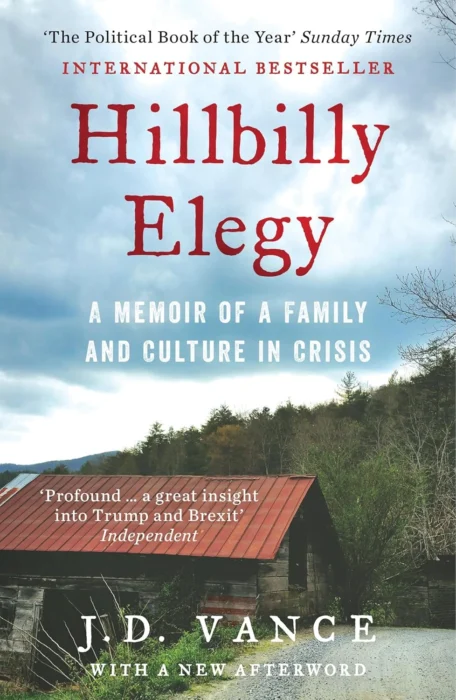
It is a far more complex book than the image attached to it suggests. Contrary to the common assumption, Vance does not present himself as someone who succeeded simply because he wanted it badly enough, nor does he ignore the support he received from the state, the education system, and the people who stood beside him.
On the contrary. Again and again, he shows how little it would have taken for his life to move along a completely different path.
Vance’s family came from the Appalachian region of Kentucky and migrated to Middletown, Ohio, an industrial city built around factories and an ethic of hard work. As industry weakened, economic security eroded with it.
The family brought the cultural codes of Appalachia to Ohio: extreme family loyalty, pride, violence, addiction, shame, suspicion of institutions, and fear of exposing what happened inside the home.
The book deals with a broad concept of poverty, one that includes far more than a shortage of money. Vance describes a subculture created by instability, childhood trauma, addiction, and the absence of any believable future.
Over time, responses to distress become ways of life. The home functions in chaos. Children move between their mother’s partners, different addresses, and promises that are never kept. People speak about hard work, but do not always work. Another person’s success inspires admiration, suspicion, and sometimes hostility.
Money is spent on alcohol, cigarettes, drugs, and goods meant to create the appearance of a higher social status. In the end, nothing remains.
Vance knows these people from the inside. He knows the shame, the apartment to which the police return again, the child hiding from his friends that he lives with his grandmother, and the family pretending everything is fine while the home falls apart.
He understands the behavior and the simple logic behind it: money means food. People living with constant uncertainty learn to think only about the present. The future belongs to those who are confident that tomorrow will look more or less like today.
The strongest sections of the book concern his childhood and his mother. She is a registered nurse, intelligent and capable, and also an addicted woman who moves from one man to another, carrying her children with her from one relationship to the next.
Vance lives through a succession of temporary homes and unfamiliar men until even the idea of home loses its meaning.
He describes the harm she caused him alongside her own wounded childhood and the forces that shaped her. This understanding does not absolve her of responsibility, but it explains how poverty and trauma pass from one generation to another.
Opposite his mother stands Mamaw, the grandmother who saved him. She is coarse, sharp, practical, chain-smoking, foul-mouthed, threatening, and full of contradictions.
She condemns people who live on welfare, then asks how the government can afford aircraft carriers but not addiction treatment. She believes in work, education, family loyalty, and protecting children.
The stability she gives Vance changes his life.
Moving into Mamaw’s home stops the spiral. Vance lives for three years in the same house, in the same bed, under the same rules: succeed at school, work, and help at home.
Mamaw buys him an expensive graphing calculator because his teacher recommends it, and demands that he take his education seriously. She gives him stability, quiet, and a clear expectation that he will succeed.
His grades improve almost immediately after he begins living with her permanently.
This is one of the book’s most important claims: the education system can offer a child an opportunity, but the ability to use it also depends on what happens at home.
Vance describes teachers who tried to reach him, decent schools, educational grants, subsidized loans, and scholarships that helped him reach college and Yale. Again and again, he names the people and institutions that tilted the balance slightly in his favor.
A child’s ability to learn is directly affected by life at home. A child who does not know where he will live next month, who his mother’s next partner will be, or what condition she will be in when she returns home spends most of his energy surviving.
Good teachers and reasonable resources cannot erase the effects of ongoing childhood trauma.
Vance explicitly defines these experiences as childhood trauma. That is a more accurate distinction than poverty alone.
Two children can arrive at the same school from families with the same income. One returns to a stable home. The other returns to a battlefield. That difference will largely determine each child’s ability to succeed.
The book refuses the abstract explanation that the state alone is responsible for the condition of the poor. Vance acknowledges the public support he received, but sets a clear limit on what it can achieve.
The government can provide food assistance, fund education, and offer housing. It cannot stop a parent from spending money on drugs and alcohol, make a family encourage education, or prevent a community from accepting theft, violence, and self-destruction as part of ordinary life.
Vance also shows how existing support is partial and sometimes structured in ways that preserve poverty.
Assistance keeps people alive, and poor. Food and rent provide basic survival, but without healthcare, addiction treatment, education, vocational training, stable work, and an environment that presents a believable alternative, there is no path out of poverty.
Just as abolishing legal segregation did not erase racial separation and inequalities built over generations, food assistance and subsidized housing do not dismantle poverty when a person remains in the same neighborhood, with the same overcrowded schools, the same unemployment, and the same despair.
The system manages poverty rather than dismantling it.
Vance’s discussion of Section 8 housing assistance demonstrates how concentrating poor families in the same areas narrows the world of possibility.
A child needs to see people going to work, stable families, and adults planning for the future. Not a mansion and not a millionaire. Only lives close enough for the child to imagine living one of them.
When everyone around him is trapped in the same distress, survival becomes the ceiling of ambition.
Churches and religious communities occupy an important place in Vance’s account as community institutions. They connect families, create networks, provide adult role models, offer help, and give people a sense of belonging.
His comparison with Mormon Utah rests on the claim that integrated communities, stable families, and strong local institutions give poor children a support network missing from places where poverty is concentrated and the community has collapsed.
Looking back, Vance can see how many things had to fall into place for him to get out: Mamaw, his sister, his aunt, teachers, friends, the military, scholarships, work, and people who showed him that another kind of life existed.
He openly admits that if even one of them had been missing, the story might have ended differently.
His success was built through a network of support, stability, and opportunities that allowed his personal effort to produce results.
Still, Vance returns too many times to the story of his suffering. At a certain point, there is no longer any need to prove how difficult his life was. We understand.
The repetition weakens the book because it interrupts the argument and returns again and again to a childhood that has already been described effectively.
Hillbilly Elegy is a book about poverty, but above all about what poverty does to the mind.
It teaches people to live in the present, distrust the future, defend their pride, and display abundance instead of building security.
Escape begins only when stability, support, and a real possibility of another life appear.
Vance got out. His book shows how exceptional his path out really was.
This is an elegy for everyone who did not meet, in time, the person who might have tilted the balance slightly in their favor.
לגלות עוד מהאתר Sivi's Books
Subscribe to get the latest posts sent to your email.
1 מחשבה על “Hillbilly Elegy / J.D. Vance”
מעניין. לא ידעתי שהוא כתב ספר. תודה על הסקירה
ידעתי שואנס בא מעוני, ידעתי שהוא כתב על זה ספר, ובזכותך אני גם יודע מה כתוב בספר – תודה על זה. מהסקירה שלך אני מתרשם, שואנס לא מודע לפריבילגיות שיש לו כגבר לבן. או שהוא מודע, ובחר לא לכתוב על זה.
לו הייתי אזרח ארה"ב, והאיש היה מועמד לבחירה, לא בטוח שהייתי מצביע בשבילו רק בגלל הסיפור האישי שלו. מצד שני, אם המועמד הנגדי היה ממדאני – ברור שכן.