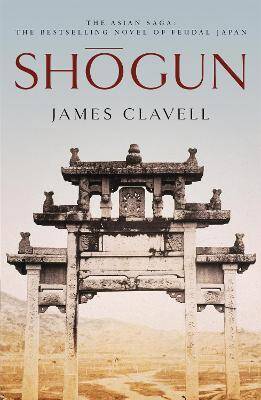
בשנות ה 80 של המאה ה 20, ריצ'רד צמברליין היה אחד השחקנים הפופולאריים ביותר בטלבזיה. ממה שזכור לי, הוא כיכב לפחות בשתי סדרות שנכנסו להיכל התהילה של הטלביזיה. שתיהן היו מבוססות על ספרים והצליחו בצורה פנומנאלית: סידרה אחת היתה מבוססת על הספר "ציפורים מתות בסתר", הסידרה השניה "שוגון". בשתיהן, צ'מברליין זכה למעמד של אליל ולשבור לבבות רבים (במיוחד לאחר שהסתבר שהוא גיי).
"את ציפורים מתות בסתר" קראתי כבר בזמן שידור הסידרה. ל"שוגון" לקח לי שנים להגיע, בכל זאת מעל ל 1,000 עמודי קריאה. אני לא מצטערת שהגעתי אליו רק עכשיו. שוגון הוא אחד מהאפוסים ההיסטורים המשובחים שקראתי בימי חיי.
קריאתו אינה דורשת ריכוז רב, שכן העלילה קולחת והסופר מצליח בצורה יוצאת דופן להחזיק את הקורא לאורך 1200 העמודים שלו באנגלית. אבל היא כן דורשת אהבת היסטוריה, חוש הומור וסבלנות לכלל האירועים שמובילים לשיאו של הספר שמתרחש רק בחלקו האחרון.
מה שצריך לדעת
אפוס היסטורי רחב יריעה שמפגיש את ג׳ון בלאקת׳ורן, ימאי אנגלי שמגיע ליפן בשנת 1600, עם עולם הסמוראים, המאבקים הפוליטיים בדרך לשוגונות טוקוגאווה והחדירה הנוצרית ליפן.
לקוראים שאוהבים אפוסים היסטוריים ארוכים, מאבקי כוח, פוליטיקה, מפגש בין תרבויות ודמויות שמנהלות מלחמות שלמות תוך שמירה על פנים מנומסות לחלוטין.
קלָאוול מצליח להחזיק עלילה עצומה לאורך יותר מאלף עמודים, ולשלב בין ההסתגלות של בלאקת׳ורן לתרבות היפנית לבין מאבקי הדת והאסטרטגיה הפוליטית. המניפולציות של הדמויות והפערים התרבותיים הם מהחלקים המהנים ביותר בספר.
הספר דורש סבלנות. חלקים ארוכים בתחילתו מוקדשים ללמידת התרבות והמנהגים, והשיא הפוליטי מגיע רק בשלב מאוחר מאוד. מבחינתי זה השתלם, אבל צריך להגיע מוכנים למסע ארוך.
שוגון הוא אפוס היסטורי שנע במספר צירים מקבילים:
בצירים העיקריים שלו הוא מספר 2 סיפורים היסטוריים שהם לא פחות ממדהימים, כל שכן הם מתקיימים בו זמנית: סיפור המאבק המיסיונרי של הנוצרים לחדור ליפן, שהיתה סגורה בפני זרים כלכלית ודתית ומשם תיאור האופן שבו התפשטה הנצרות ביפן. ובמקביל, סיפור עליית שושלת השוגונות טוקוגאווה בשנים 1600- 1603. סיפור מאבק איתנים, ששיאור בקרב סגיהארה שההיערכות לקראתו היא כמו משחק שחמט גדול מימדים.
הסיפור מתקדם על רקע מאבק תרבותי חריף בין אנשי המערב שמיוצגים ע"י קפטן בלקת'ורן (אנג'ין סאן) שפיקד על הספינה ארסמוס שנסחפה לחופי יפן ואנשי המזרח המיוצגים ע"י מריקו, סמוראית בת למשפחת סמוראים מכובדת שירדה ממעמדה בשל פעילותו של אביה.
בין צלעות המשולש התרבותי- פוליטי- דתי, מתקיים מרחב אינסופי של אינטראקציות חברתיות ובינאישיות, שהסופר מייטיב לתאר בכישרון רב ושהותיר אותי לא אחת נדהמת ומשועשעת. ברוב האינטראקציות הבינאישיות בולטת חשיבותה של פרקטיקת האיזון הפנימי שבאה לידי ביטוי בנימוס קיצוני כלפי הצד השני ושמירה על אורך רוח קר מזג. כמו שחקני פוקר מצטיינים, גם במצבים קשים ומורכבים ביותר בעלילה, הדמויות המרכזיות שמרו על נימוס וקור רוח מפעים.
בחלקים הראשונים של הספר, הוא מתמקד בפערים בין התרבות היפנית לזו המערבית ובעיקר ב"חינוך מחדש" של בלאקת'ורן בהתאם לדרך החיים היפנית:
"What is pain to a man? A privilege! Masking pain is the measure of a man."
ברור שהשוני הוא מהותי ולא טכני. דרך החיים היפנית לא רק מצפה שהאדם יתמודד עם כאבי גורלו, אלא שגם יפגין קור רוח מול גורלו ככל שיהיה רע ומר.
אלה חלקים שקראתי בעיניין רב, אבל הם מהווים רק אקספוזיציה לחלק המרכזי של הספר. הם בגדר מתאבן בייחס למנה העיקרית ובמסגרתו הקורא מקבל טעימה בכדי להחליט אם הוא אוהב את הטעם. והסופר יודע לפתות את הקורא.
באחד הקטעים החזקים והמשעשעים בספר, שמדגים את הפערים בין הגבר המערבי לגבר היפני, הסופר בוחר לדון בהרגלי המיטה האינטימיים של הגיבור. אציין כי בתחילה הדיון הזה, שמתנהל בין בלאקת'ורן והנשים שמלוות אותו, נראה לי תמוה וקוריוז משעשע. בהמשך הבנתי את המטרה שלו :
‘Asa asks, in matters of the pillow, how would you compare your women with ours?’ ‘Sorry, I don’t understand.’ ‘Oh, please excuse me. The pillow – in intimate matters. Pillowing’s our way of referring to the physical joining of man and woman. It’s more polite than fornication, neh?’ Blackthorne squelched his embarrassment and said, ‘I’ve, er, I’ve only had one, er, pillow experience here – that was, er, in the village – and I don’t remember it too clearly because, er, I was so exhausted by our voyage that I was half dreaming and half awake. But it, er, seemed to me to be very satisfactory.’ Mariko frowned. ‘You’ve pillowed only once since you arrived?’ ‘Yes.’ ‘You must be feeling very constricted, neh? One of these ladies would be delighted to pillow with you, Anjin-san. Or all of them, if you wish.’ ‘Eh?’
שימו לב לעידון, לנימוס שבשיח המאוד מביך. ושימו לב למסקנה – גבר רגוע שמסוגל לבצע את המחוייבויות שמוטלות עליו, הוא גבר שפרק את היצרים המיניים שלו. זה טיבעי עבורם כשמש בצהרי היום, כמו מזון לגוף שבלעדיו לא ניתן להתקיים. המוטיב הזה יחזור על עצמו בגירסאות שונות לאורך הספר.
בניגוד לפאם פטאל בתרבות הצרפתית והאירופאית בכלל, הנשים היפניות מעודנות יותר. הן מודעות לכך שהן כלי משחק אבל מודעות לכוחן.
דבר מזה לא הוריד ממעמדה של האישה שנתפסה כמרכזית וחיונית לניהול משק ביתו של הגבר וכעזר כנגדו. לא זאת אף זאת, שהן הורשו לסרב להינשא לגבר שלא חפצו בחברתו, שימשו כסמוראיות לוחמות והורשו לסיים את חייהן בכבוד. מריקו מתאמצת להסביר את עובדות החיים הללו לבלאקת'ורן שמתקשה לעכלן.
בחלקים נרחבים מהספר התמוגגתי מאופן תיאור האירועים ומהמניפולציות הגאוניות של הדמויות השונות במשחק הפוליטי והחברתי. הכתיבה הפשוטה והלא יומרנית מאפשרת להתמקד במהלכים של הצדדים ולראות את שדה הקרב ואת כלי המלחמה נערכים בו גם כאשר הדמויות מחזיקות את את הקלפים צמוד לחזה.
ככל שהספר מתקדם בחלק המרכזי שלו הוא נע מהפרטי לכלל ועובר למאזן הכוחות הפוליטי ביפן כאשר גם הכנסיה, על כל תחלואיה הידועים לשימצה נכנסת לתמונה והכל ברוך השם בברכת האל החסוד, הרחום והחנון.
מעניין לקרוא כיצד השליטים היפנים לא נפלו במניפולציות האלה ולהבין איך הנציגים של הכנסיה תומרנו כצלע במשוואה של הפוליטיקה הפנים יפנית למרות ניסיונם שלא להתערב בפוליטיקה הפנים מדינתית.
מעניינת יותר הגראנד פינאלה שמספק הסופר. אין ספק שהוא מכיר את האמרה שכדאי לפרוש בשיא. זו בדיוק היתה הרגשתי בסיום הספר כאשר בסופו הוא מצרף 2 עמודים או משהו כזה של אחרית דבר מפיו של השוגון טוקוגאווה, שהצליח לממש את האסטרטגיה שלו. בשוך הסערה הוא משלים לקורא את התמונה. אף על פי שהשלמת תמונה זו לא באמת נדרשת.
איכות אודיו – מהמממת
Shogun/ James Clavell
In the 1980s, Richard Chamberlain was one of television's most popular actors. As far as I remember, he starred in at least two series that entered television history. Both were based on novels and both were phenomenally successful: one was The Thorn Birds, the other Shōgun. In both, Chamberlain became a major heartthrob and television idol.
I read The Thorn Birds while the series aired. It took me years to get to Shōgun. After all, we are talking about more than a thousand pages. I do not regret reaching it only now. Shōgun is one of the finest historical epics I have ever read.
Reading it does not require extraordinary concentration because the story flows remarkably well, and Clavell somehow keeps the reader engaged through roughly 1,200 pages in English. It does, however, require a love of history, a sense of humor, and patience with the enormous number of events leading toward a climax that arrives only in the final part of the book.
Shōgun is a historical epic moving along several parallel axes.
At its center are two extraordinary historical processes taking place simultaneously: the Christian missionary attempt to penetrate Japan, a country largely closed to foreign economic and religious influence, and the political struggle that would lead to the rise of the Tokugawa shogunate around the beginning of the seventeenth century. The political maneuvering resembles an enormous chess game, with pieces slowly arranged for a decisive confrontation.
The story develops against a fierce cultural conflict between the Western world, represented by Captain John Blackthorne, Anjin-san, commander of the Erasmus, which is driven onto the Japanese coast, and the Japanese world represented most vividly by Mariko, a samurai woman from a respected family whose status has been damaged by her father’s actions.
Inside this cultural, political, and religious triangle lies an almost endless space of social and personal interaction, which Clavell describes with enormous skill and which repeatedly left me both astonished and amused. One of the most striking elements in these interactions is the importance of internal balance: extreme courtesy toward the other person and an extraordinary ability to maintain composure. Like excellent poker players, the central characters remain astonishingly polite and controlled even in situations of enormous danger.
In the early parts of the novel, Clavell focuses on the differences between Japanese and Western culture, particularly Blackthorne’s gradual “re-education” into Japanese ways of life.
The differences are obviously fundamental rather than technical. The Japanese ideal presented in the novel does not merely expect a person to endure pain and misfortune, but to face them with composure and without public loss of control.
I read these sections with great interest, though they are really only preparation for the novel's central part. They are an appetizer before the main course, giving the reader enough of the flavor to decide whether they want more. Clavell knows exactly how to tempt the reader.
One of the strongest and funniest scenes illustrating the difference between Western and Japanese assumptions concerns Blackthorne’s intimate life. At first, the conversation between him and the women around him seemed to me merely bizarre and amusing. Later I understood its purpose.
The women question him with exquisite politeness about his sexual life and are genuinely surprised to discover how little intimacy he has experienced since arriving in Japan. What embarrasses Blackthorne is that they treat it as an ordinary practical matter: a relaxed man who can perform his duties properly should not be distracted by unmet physical needs.
Pay attention to the refinement and courtesy surrounding a conversation that is, from Blackthorne’s point of view, extremely embarrassing. The conclusion is simple: sexual desire is treated almost as naturally as hunger. This idea returns in different forms throughout the novel.
Unlike the conventional European femme fatale, the Japanese women in Shōgun are presented as subtler political actors. They know that they are pieces within larger games, but they are also fully aware of the power available to them.
None of this diminishes the importance of women within the household and social structure the novel presents. They are central to managing a man’s household and frequently act as advisers and political participants. Mariko repeatedly has to explain this world to Blackthorne, who struggles to understand it through his own cultural assumptions.
For long stretches of the book, I thoroughly enjoyed the way Clavell describes events and the ingenious manipulations of the various players in the political and social game. His straightforward, unpretentious prose lets the reader focus on the moves being made and watch the battlefield slowly take shape, even as everyone keeps their cards pressed tightly against their chest.
As the novel moves deeper into its central section, it expands from the private to the political and increasingly focuses on the balance of power within Japan. The Church, with all its familiar faults, becomes another player in the game, naturally acting in the name of a merciful and gracious God.
It is fascinating to watch the Japanese rulers refuse to fall for these manipulations and instead use the representatives of the Church as another piece in their own domestic political calculations, even while the missionaries themselves claim that they do not wish to interfere in internal affairs.
Even more impressive is the grand finale Clavell provides.
He clearly understands the wisdom of leaving at the peak.
That was exactly how I felt when I reached the end, where he adds only a very brief closing glimpse from the perspective of the future shogun, who has successfully carried out his strategy.
When the storm finally settles, he completes the picture for the reader.
Although by then, the picture hardly needs completing.
לגלות עוד מהאתר Sivi's Books
Subscribe to get the latest posts sent to your email.