
Please scroll down for an English review.
קריאת ים של פרגים היא ירידה איטית, מחניקה, אל תוך שאול שבני אדם בנו זה לזה וקראו לו מסחר, חוק וסדר. אמיטאב גוש מסרב להשאיר את הקולוניאליזם במישור המופשט; במקום זאת, הוא מחזיר אותו אל האדמה, אל הפרג, אל הגוף. ואז הוא מעלה את הכול על האיביס, הספינה שנעשית כלי מעבר בין עולם ישן שכבר נרקב לבין עולם חדש שעדיין אין לו שם.
השם איביס הוא מפתח למבנה העמוק של הספר. המגלן, ציפורו של תחות במיתולוגיה המצרית, מזוהה עם רישום, דין ומעבר המתים וכך פועלת גם האיביס של גוש: היא ממיינת, רושמת ומעבירה את מי שעלו עליה. אלא שאין זו תנועה טכנית ממקום למקום. היא איננה מובילה בני אדם ממקום למקום. הם חוצים את המים השחורים, את הקאלה פאני, ונכנסים למרחב שבו הקאסטה, הדת והזהות הישנה מתחילות להתפרק. העולם שהכירו נשמט מתחת לרגליהם. שום עולם חדש עדיין אינו ממתין להם בזרועות פתוחות. הרומן פועל בתוך הרווח האכזרי שבין מוות ללידה מחדש.
אבל גם השאול זקוק לקורבנות. לפני שהאיביס מתחילה לרשום את מתיה, האימפריה כבר מקריבה את האדמה עצמה. שדות החיטה והעדשים נדחקים מפני הפרג, והקרקע שהייתה אמורה להאכיל נהפכת למזבח שעליו מוקרבים קיום, מזון וריבונות לטובת שורת הרווח האימפריאלית. וכך האדמה חדלה להאכיל ומתחילה להרעיל. כאן מתברר שהכיבוש האמיתי חודר עמוק יותר מכל סיסמה פוליטית. הוא מעצב מחדש את הנוף, את הקיום הבסיסי, את הסדר היומיומי של החיים. מהרגע שבו הפרג בולע את החיטה, העולם כבר הורעל. זה הרבה יותר ממשטר כלכלי אלא שיטה שמכוננת סדר חדש שמארגן את היחסים בין אדם, שדה, חיה ונהר. הרעב, העוני, ההרס האקולוגי, אינם נזקים נלווים. הם השיטה עצמה.
מן האדמה הפצועה הזאת עולה האיביס, וכאן הספר צולל אל לב המאפליה. הספינה חדלה להיות מרחב של תנועה בלבד, והופכת למקום שבו החיים הישנים קורסים מבחינה חברתית, דתית, מעמדית ולשונית. מי שהיה ראג'ה הופך לאסיר, ומי שנועדה למוקד הופכת למהגרת. מי שסומן כטמא נדחף אל מקום שבו הטומאה והטהרה מתחילות לאבד את כוחן הישן, גם כשהאלימות הגלומה בהן ממשיכה לפעול במלוא עוצמתה. מי שסבר שיוכל לחמוק מהסדר הקולוניאלי, מגלה שפיסת נייר אחת מספיקה כדי להחזיר אותו ברגע אחד אל המקום שהמערכת ייעדה לו.
משפטו של ניל הוא אחד הרגעים הצלולים ביותר ברומן, מפני שהוא חושף כיצד האימפריה משתמשת בשפת הצדק כדי לרסק אדם בשם החוק. החוק האנגלי עטוף כהליך תרבותי; אולם בפועל, הוא זקוק לגוף שעליו אפשר לכתוב. הקעקוע "זייפן אליפור 1838" הוא יותר ממעשה של השפלה, אלא רגע שבו האדם מופקע מגופו שחדל להיות שלו והופך לרכוש. כאן נחשף לבו של הסדר הזה: הקולוניאליזם אינו מסתפק בשלטון מרחוק. הוא חודר אל הבשר. הוא מצווה, מסמן, מקטלג, מקבע.
הספר חוזר שוב ושוב אל הנקודה הזאת. השלטון אינו מסתפק בצווים, שופטים וסוחרים. הוא פועל דרך גופים רעבים, מסוממים, מוכים ומושפלים. כך אצל ניל, כך אצל דיטי, ובאופן מחריד במיוחד אצל אה-פאט וג'ודו. האופיום סוגר כאן מעגל שלם: מן השדה אל המסחר, מן המסחר אל הגוף, ומן הגוף אל ערפול התודעה ושיתוק הרצון. בעוד שבתאו של הקברניט מקבל הסם הילה כמעט ליטורגית, על הסיפון הקדמי הוא נחשף בצורתו העירומה כדיכוי ביולוגי, בלי מעטה של עידון ובלי הבטחה לבריחה מן הכאב. ההתמכרות גוררת את אה-פאט אל תחתית שנראית חסרת מוצא וג'ודו נאלץ לזחול ככלב לעיני כול. הסצנות האלה חושפות את הקולוניאליזם ככוח התובע צייתנות, ושואף גם לנתק את החוליה המחברת בין האדם לכבודו.
מהדורה עברית:
ים של פרגים/ אמיטב גוש
הוצאת אופוס, מודן, 2012, 544 עמודים
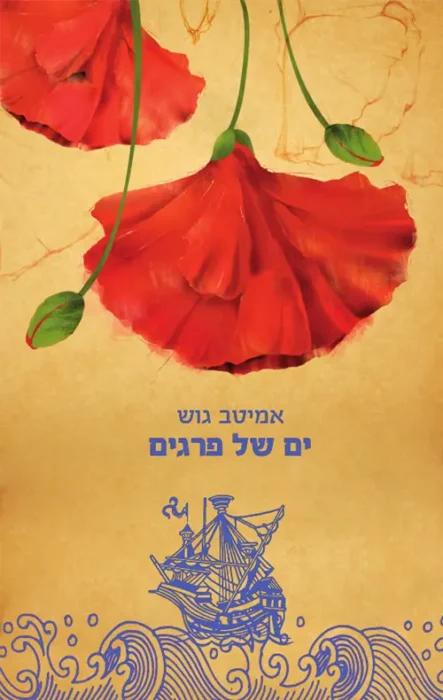
ים של פרגים אינו נשאר בתחתית. גוש אינו חוסך את הזוהמה, אבל גם לא נותן לה לבלוע את הספר כולו. מתוך בטן הספינה, מתוך הלכלוך, הצפיפות והבושה מתחילה לצמוח צורת חיים אחרת. ה"ג'האז־בהאי", אחוות הספינה, איננה רעיון נשגב שאפשר להתפייט עליו. היא נולדת מתוך סבל משותף, מתוך רעב, מתוך חלוקת מזון ומתוך הידיעה הברורה שאין עוד על מה להישען מלבד זה על זה. לכן נוב קיסין חשוב כל כך. הוא מביא אל הצינוק אוכל, ומביא איתו גם אפשרות אחרת של יחס לעולם. איכות אימהית, רוחנית, היברידית שחומקת מן החלוקות הקשיחות של הספינה. כך גם, המחווה הפשוטה של ניל, חלוקת האוכל והושטתו לאה-פאט, נעשית למחווה אילמת של תיקון. פעולה קטנה שמחזירה לרגע הזה את צורתו האנושית.
גוש גדול גם מפני שהוא איננו כותב את כל זה בטון אחד. בתוך הזוהמה, האימה וההשפלה, הוא מטעין את הטקסט בסאטירה מבריקה, כי אצל גוש האימפריה היא גם עלובה, חרמנית, צבועה ומלאת פחד. בורנהאם הוא הדוגמה החזקה ביותר לכך: סוחר האופיום, המטיף הנוצרי, איש המוסר והשליחות, נחשף שם במלוא זוהמתו כשהוא מבקש מפולט להכות אותו במטאטא של מנקי צואה בעודו ממלמל פסוקים. גוש אינו מסתפק בביקורת מוסרית, הגיחוך חד אצלו כמעט כמו האלימות עצמה. גם הסצנות של פולט והשפה המשובשת שלה פועלות כך.
הסצנה עם ה"קוק־סוויין" רחוקה מלהיות רק בדיחה. שם נשמטת לפתע השפה ה"נכונה", זו שנועדה לסמן עליונות, מתפרקת והופכת לבדיחה על חשבון עצמה. פתאום מתחוור עד כמה דקה התחפושת של התרבות הקולוניאלית.
אבל הספר נעשה חד במיוחד במקום אחר, אולי חשוב עוד יותר: בסירובו לצייר את הרוע כבריטי בלבד. ביירו סינג נושא איתו אל הספינה את הפטריארכיה, את תרבות הקאסטות, את אובססיית הטוהר ואת אלימות ה"כבוד". הוא רודף את דיטי מן היבשה אל הים, כאילו עצם הישרדותה היא חרפה שאין למחול עליה. גוש דוחה את הפשטנות הנוחה של "כובש מול נכבש". הוא מצביע על ברית. הבריטים מגבים את הסדרים המקומיים כשהם מועילים להם, והסדרים המקומיים שואבים מהאימפריה כוח חדש ואכזרי יותר. מתוך הברית האפלה הזאת נבנית הזוועה הכפולה שממנה דיטי וקלואה מנסים לברוח, ולא במקרה מתברר שאין לאן לברוח באמת.
המרד איננו עוד תפנית עלילתית. הוא התפרצות הכרחית, בלתי נמנעת. ביירו סינג מת בידי קלואה בשוט, ברגע שבו כלי הענישה של האדון נעשה כלי מותו. במקביל קרולי נהרג בידי אה-פאט, וכך נסגר חשבון ישן של השפלה וביזוי. ברגעים האלה הצדק חדל להיות עניין של מוסדות, כשהאמון בהם כבר קרס מזמן. מה שמופיע כאן הוא משהו קדום, חשוף, גופני. לא פיוס. לא תיקון. חשבון דם שנצבר לאורך מאות עמודים ומגיע לבסוף לנקודת רתיחה.
זאקרי, מצדו, מחדד בעימות שלו עם קרולי את שאלת הגזע והביורוקרטיה. פיסת הנייר שמסווגת אותו כמולאטי היא ניסיון אימפריאלי נוסף להגדיר אדם דרך רישום. הסירוב שלו, "נולדתי חופשי ואני לא מתכוון לוותר על זה", קורע את הקסם של המסמך ומוציא את ההכרעה מידי הארכיון ומחזיר אותה אל הרצון.
הסיום הסוער, שבו סירת ההצלה נבלעת בחשכת הלילה מול העיניים המביטות בה מן הסיפון, הוא אחד מסיומי הרומן ההיסטורי היפים והאכזריים שקראתי. הסוף הזה מסרב לקתרזיס. אין בו ניצחון, וגם לא הבטחה לתיקון. יש בו בריחה, פיצול ורגע חטוף של חירות בתוך סערה. החמישייה הנמלטת מראה שהמכונה הקולוניאלית כשלה בניסיונה לטחון את כולם לאותה אבקה. ועל הסיפון דיטי, פולט ונוב קיסין, נותרים שם גם כעדים וכמי שיישאו את האפשרות של עתיד אחר. מאוריציוס והגלות ממתינות להם והעולם החדש אינו מבטיח גאולה. ובכל זאת, משהו כבר נשבר ללא תקנה. השאול לא הצליח לשמור בתוכו את כל מי שירדו אליו.
ים של פרגים הוא ספר עצום מפני שהוא מצליח לחבר מיתולוגיה, קולוניאליזם, אדמה, גוף, סאטירה וים בלי שאף יסוד ירגיש מאולץ. הוא מחזיר לקולוניאליזם את החומריות שלו ואת צורתו המפלצתית. הוא מזכיר לקורא איך העולם המודרני נולד, מתוך סבלם של אנשים שנאלצו למות חברתית כדי לברוא לעצמם צורת חיים חדשה. הבשורה האמיתית של הספר היא שמתוך כל הזוהמה הזו, ממש מתוך הבוץ, גוש כותב את לידתה של אנושיות אחרת. פצועה והיברידית, נטולת אשליות ותמימות, אנושיות שכבר ראתה מה יש מתחת למילים היפות ולכן אין לה עוד סיבה להאמין בהן.
Sea of Poppies/Amitav Ghosh
Kindle Edition, 2008, 513 Pp
דירוג SIVI –
איכות אודיו –
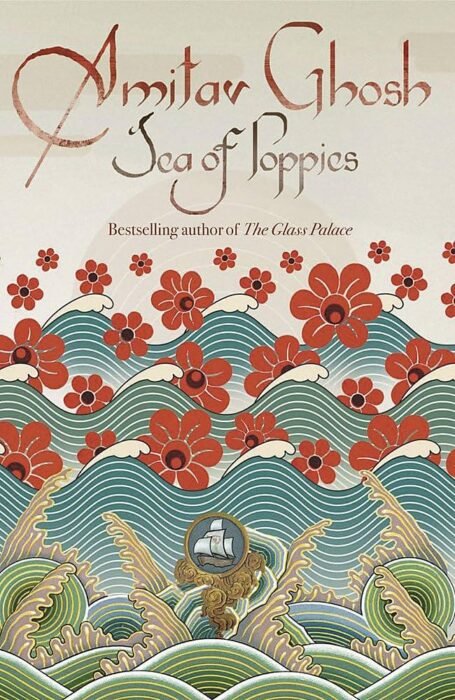
Ibis Trilogy #1
Sea of Poppies / Amitav Ghosh
Reading Sea of Poppies is a slow, suffocating descent into an underworld that human beings built for one another and called trade, law, and order. Amitav Ghosh refuses to leave colonialism on the abstract plane. Instead, he returns it to the ground, to the poppy, to the body. Then he loads everything onto the Ibis, the ship that becomes a vessel of passage between an old world already rotten and a new world that does not yet have a name.
The name Ibis is the key to the novel’s deeper structure. The Ibis, the bird of Thoth in Egyptian mythology, is associated with writing, judgment, and the passage of the dead. This is exactly how Ghosh’s Ibis functions: it sorts, records, and transports those who board it. But this is not a technical movement from one place to another. The ship does not simply carry human beings across water. They cross the black waters, the kala pani, and enter a space where caste, religion, and old identity begin to dissolve. The world they knew slips out from under their feet. No new world is waiting for them with open arms. The novel operates in that cruel gap between death and rebirth.
But even the underworld needs victims. Before the Ibis begins registering its dead, the empire has already sacrificed the land itself. Fields of wheat and lentils are pushed aside by poppy, and the soil that was meant to feed becomes an altar on which subsistence, nourishment, and sovereignty are sacrificed for imperial profit. The land ceases to nourish and begins to poison. Here it becomes clear that true conquest goes deeper than any political slogan. It reshapes the landscape, the basic conditions of life, the daily order of existence. The moment poppy devours wheat, the world is already contaminated. This is far more than an economic regime. It is a system that reorganizes the relationship between human beings, fields, animals, and rivers. Hunger, poverty, and ecological destruction are not collateral damage. They are the method itself.
Out of this wounded ground rises the Ibis, and here the novel plunges into the heart of darkness. The ship ceases to be merely a space of movement and becomes the place where old lives collapse socially, religiously, hierarchically, and linguistically. One who was once a raja becomes a prisoner, and one meant for the funeral pyre becomes a migrant. One marked as untouchable is thrust into a place where impurity and purity begin to lose their old force, even as the violence embedded in them continues to operate in full strength. Those who imagine they can escape the colonial order discover that a single piece of paper is enough to return them at once to the place the system assigned them.
Neel’s trial is one of the clearest moments in the novel because it exposes how the empire uses the language of justice to crush a person in the name of law. English law is wrapped in the appearance of civilized procedure, yet in practice, it needs a body on which it can write. The tattoo “Convict No. A1176” is more than an act of humiliation. It is the moment when a person is dispossessed of his own body, which ceases to belong to him and becomes property. Here, the heart of the system is laid bare: colonialism does not content itself with ruling from afar. It penetrates the flesh. It commands, marks, classifies, and fixes.
The novel returns to that point again and again. Power is not exercised only through decrees, judges, and merchants. It works through hungry, drugged, beaten, and humiliated bodies. This is true of Neel, true of Deeti, and horrifyingly true of Ah Fatt and Jodu. Opium closes a whole circle here: from the field to trade, from trade to the body, and from the body to the blurring of consciousness and the paralysis of will. While in the captain’s cabin, the drug acquires an almost liturgical aura; on the foredeck, it appears in its naked form as biological domination, without refinement and without any promise of escape from pain. Addiction drags Ah Fatt toward what seems like a bottomless abyss, and Jodu is forced to crawl like a dog before everyone’s eyes. These scenes expose colonialism as a force that demands obedience and also seeks to sever the bond between a human being and his dignity.
Yet Sea of Poppies does not remain at the bottom. Ghosh does not spare the filth, but neither does he allow it to swallow the whole novel. Out of the ship’s belly, out of the dirt, the crowding, and the shame, another form of life begins to emerge. The jahaz-bhais, the ship-brotherhood, is not some lofty idea to be celebrated in abstract terms. It is born out of shared suffering, shared hunger, shared food, and the clear knowledge that there is nothing left to rely on except one another. That is why Nob Kissin matters so much. He brings food into the hold, and with it another possible relation to the world: maternal, spiritual, hybrid, escaping the rigid divisions of the ship. In the same way, Neel’s simple gesture, offering food to Ah Fatt, becomes a silent act of repair, a small act that briefly restores a human shape to the moment.
Ghosh is great also because he does not write all this in a single tone. Inside the filth, terror, and humiliation, he charges the text with brilliant satire, because in his hands, the empire is not only violent but shabby, lustful, hypocritical, and full of fear. Burnham is the strongest example: the opium trader, Christian moralist, and man of mission is exposed in all his degradation when he asks Paulette to beat him with a broom used to clean excrement while he mutters scripture. Ghosh does not settle for moral criticism. His ridicule can be almost as sharp as his violence—the scenes involving Paulette and her broken language work in the same way.
The “cook-swain” scene is far more than a joke. Suddenly, the “proper” language, the language meant to signal superiority, collapses and turns into a joke at its own expense. In that instant, it becomes clear how thin the disguise of colonial culture really is.
But the novel becomes sharpest elsewhere, in a place perhaps even more important: in its refusal to paint evil as purely British. Bhyro Singh carries on the ship patriarchy, caste order, the obsession with purity, and the violence of honor. He pursues Deeti from land to sea as though her very survival were an unforgivable disgrace. Ghosh rejects the convenient simplification of “colonizer versus colonized.” What he shows instead is an alliance. The British reinforce local orders whenever they serve imperial interests, and local orders draw from the empire a new and even greater cruelty. Out of this dark alliance arises the double horror from which Deeti and Kalua are trying to flee, and it is no accident that the novel makes clear there is nowhere to flee completely.
The revolt is not just another plot turn. It is a necessary eruption. Bhyro Singh dies under Kalua’s whip, in the moment when the master’s instrument of punishment becomes the instrument of his death. At the same time, Crowle is killed by Ah Fatt, and an old account of humiliation is finally settled. In these moments, justice ceases to belong to institutions, since faith in them collapsed long before. What appears instead is something ancient, naked, and bodily. Not reconciliation. Not repair. A blood debt accumulated over hundreds of pages finally reached its boiling point.
Zachary, for his part, sharpens the question of race and bureaucracy in his confrontation with Crowle. The piece of paper that classifies him as a “mulatto” is another imperial attempt to define a human being through inscription. His refusal, “I was born free and I am not going to surrender that,” tears the spell out of the document, takes the decision away from the archive, and returns it to the will.
The stormy ending, in which the lifeboat is swallowed by the darkness of the night before the eyes of those still watching from the deck, is one of the most beautiful and cruel endings I have read in a historical novel. It refuses catharsis. There is no victory here, and no promise of restoration. There is escape, fracture, and a fleeting moment of freedom inside the storm. The five fugitives show that the colonial machine failed to grind everyone into the same dust. On the deck, Deeti, Paulette, and Nob Kissin remain behind as witnesses and as bearers of the possibility of another future. Mauritius and exile await them, and the new world promises no redemption. And yet something has already broken beyond repair. The underworld failed to keep everyone who descended into it.
Sea of Poppies is a tremendous novel because it manages to bind together mythology, colonialism, land, body, satire, and sea without any one element feeling forced. It restores to colonialism its materiality and its monstrous form. It reminds the reader of how the modern world was born, out of the suffering of people forced to die socially, as they invented a new form of life for themselves. The novel’s true message is that out of all this filth, out of the mud itself, Ghosh writes the birth of another kind of humanity. Wounded and hybrid, stripped of illusion and innocence, a humanity that has already seen what lies beneath beautiful words and therefore has no reason left to believe them.
לגלות עוד מהאתר Sivi's Books
Subscribe to get the latest posts sent to your email.