Please scroll down for an English review.
קראתי את רוחות עבר ונשארתי עם תסכול. הכריכה יפהפייה, מהסוג שמבטיח עולם. אני פותחת את הספר ומגלה טקסט שמדבר בקול בטוח מדי, ולא שומר על משמעת עלילתית.
הסיפור נפתח באלונה, סופרת ספרי הילדים בשם "מיקלוש החתול", שתקועה במחסום כתיבה. שירי, הבת שלה, נכנסת לחרדה כשיערה, החברה הכי טובה שלה, נעלמת. ומשם אלונה מחליקה לתפקיד הבלשית, בלי הצדקה פנימית מספקת. היא מתחילה לחטט, לשאול, לפתוח דלתות, ובשלב די מוקדם נתקלת ביומן "עתיק". יומנה של "רחל האשכנזית", אישה שחיה בצפת של המאה ה־16. מהנקודה הזו הספר נמשך לנתיב היסטורי. לא כתוספת שמעמיקה את החקירה, אלא כציר נוסף שמתווסף מעל מה שכבר קיים. במקום להתהדק, העלילה מתרחבת.
ועד כאן זה יכול היה להיות מצוין. הבעיה היא שהספר לא מחליט מה הוא רוצה להיות. מותחן בהווה, יומן היסטורי, דרמה משפחתית, מיסטיקה יהודית. כל אחד מהכיוונים האלה יכול לפרנס ספר שלם. ברוחות עבר זה נהיה מרוץ פיתולים. כשמתחיל להיבנות מתח, הספר מיד דוחף לעוד חומר "נועז": פדופיליה. רומן לסבי בקהילה חרדית. פוליטיקה של מקובלים. זה לא עומק, זו מכונת אספרסו על מצב טורבו: הרבה לחץ, הרבה קצף, מעט מאוד טעם שנשאר בפה.
הבעיה הרצינית היא היומן. לא מפני שהוא "אנכרוניסטי", אלא מפני שבלי בושה, הוא כתוב בעברית עכשווית. ניסוחים עכשוויים, טון עכשווי, תודעה עכשווית. והחטא האמיתי הוא שאף אחד לא מרים גבה. לא אלונה, שאמורה לזהות טקסט, לא מי שאמור לזהות זיוף, לא דמות אחת שמבקשת היגיון בסיסי. היומן נשאר "כמעט אמיתי", אמיתי כשנוח לעלילה ומטושטש כשזה מתחיל להסריח. זה לא פרט. זה מנוע. וכשמנוע עשוי מנייר כסף, אני לא משתפת פעולה.
גם במישור הרגשי הספר לא מהודק. הקשר בין אלונה לשירי לא כתוב כאמא ובת, אלא כסשן טיפולי. שירי מתפקדת כעובדת סוציאלית בבית של עצמה: מאבחנת, מאזנת, מרגיעה, מחזיקה. אלונה, במקום להיות המבוגרת בחדר, משאירה לילדה להחליט במקומה. זו לא מורכבות. זה תפקיד שנדלק ונכבה לפי צורכי סצנה.
וגילי, האקס המיתולוגי, נכנס כפתרון ז’אנרי. לא קשר שהוא זיכרון מחיים אחרים, אלא פנטזיית תיקון שמודבקת על גירושים. תשוקה בגיל הזה יכולה להיות חדה ומסוכנת, אבל כאן היא כתובה כאילו לא עברו שנים, כאילו הגוף לא צבר משקל, כאילו המציאות לא השאירה סימנים.
יש בספר הבזקי דיוק. "מלכה במלרע" היא הברקה. תיאור ההלוויה, במיוחד נוכחותה של אם דמנטית בתוך הטקס, מדויק. אלה הרגעים שמוכיחים מה הספר היה יכול להיות.
בשורה התחתונה, רוחות עבר הוא ספר עם חומרים טובים, אבל הוא הולך לאיבוד בין קווי עלילה שמושכים לכיוונים שונים. דרושה לו עריכה הדוקה, אכזרית ומסורה, כזו שלא מתביישת להגיד "לא" לעוד פיתול, לעוד שכבת "נועז", לעוד ניסיון להיראות עמוק. לפעמים אהבה לטקסט נמדדת ביכולת לנכש. וכאן הגינה יצאה פרא.
רוחות עבר/ חגית בודנקין
הוצאת שתים, 2025, 343 עמ'
דירוג SIVI –
איכות אודיו –
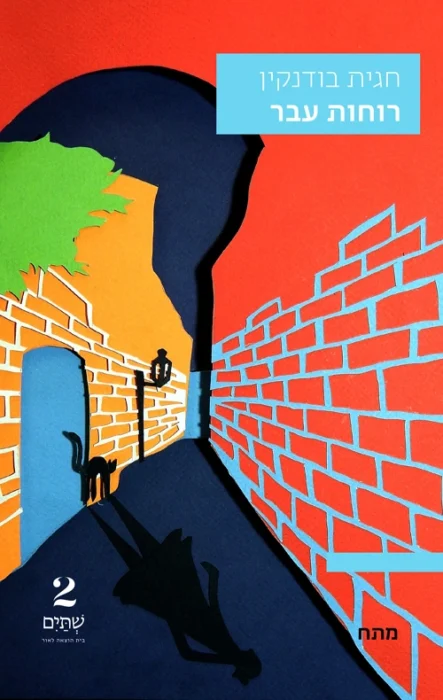
I finished Past Spirits and stayed frustrated. The cover is gorgeous, the kind that promises a whole world. I opened the book and found a text that speaks in a voice that is a little too confident and refuses to keep any narrative discipline.
The story opens with Alona, a children’s author best known for her “Miklosh the Cat” books, stuck in writer’s block. Shiri, her daughter, spirals into anxiety when Yaara, her best friend, disappears. And from there, Alona slides into the role of detective, without enough internal justification. She starts digging, asking questions, opening doors, and fairly early on, she stumbles upon an “old” diary: the diary of “Rachel the Ashkenazi,” a woman living in sixteenth-century Safed. From that point, the novel is pulled into a historical track, not as something that deepens the investigation, but as an additional axis stacked on top of what already exists. Instead of tightening, the plot expands.
Up to here, this could have been excellent. The problem is that the book can’t decide what it wants to be: a present-day thriller, a historical diary, a family drama, or Jewish mysticism. Any one of those directions could sustain a full novel. Here it becomes a relay race of twists. The moment tension begins to build, the book immediately shoves in more “bold” material: pedophilia. A lesbian affair in an ultra-Orthodox community. Kabbalists and their politics. That isn’t depth. It’s an espresso machine set to turbo: a lot of pressure, a lot of foam, and very little flavor left on the tongue.
The serious problem is the diary. Not because it’s “anachronistic,” but because, without shame, it’s written in contemporary Hebrew. Contemporary phrasing, contemporary tone, contemporary consciousness. And the real sin is that no one raises an eyebrow. Not Alona, who should be able to recognize a text. Not anyone who should be able to smell a forgery. Not a single character asking for basic logic. The diary remains “almost real,” real when it suits the plot, blurry when it starts to stink. This is not a detail. It’s the engine. And when the engine is made of tinfoil, I’m not playing along.
Even emotionally, the book isn’t tight. The relationship between Alona and Shiri is not written as mother and daughter, but as a therapy session. Shiri functions like a social worker in her own home: diagnosing, balancing, soothing, holding everything together. Alona, instead of being the adult in the room, leaves the child to decide for her. That isn’t complexity. It’s a role that turns on and off according to the needs of a scene.
And Gili, the mythic ex, enters as a genre fix. Not a connection from another life, but a repair fantasy glued onto divorce. Desire at this age can be sharp and dangerous, but here it’s written as if no years passed, as if the body didn’t change, as if reality didn’t leave marks.
There are flashes of precision in this book. “A queen with the stress on the wrong syllable” is brilliant. The funeral scene, especially the presence of a mother with dementia inside the ritual, is exact. Those are the moments that prove what this book could have been.
Bottom line: Past Spirits has good material, but it gets lost between plotlines pulling in different directions. It needed a tight, ruthless, devoted edit, one that isn’t afraid to say “no” to one more twist, one more “bold” layer, one more attempt to look deep. Sometimes love for a text is measured by the ability to weed. Here, the garden ran wild.
Your call.
לגלות עוד מהאתר Sivi's Books
Subscribe to get the latest posts sent to your email.