
Please scroll down for an English review.
את The Book of Honour קראתי כטקסט בלי מסגרת. הוא נחת עליי בלי הקדמה, בלי מדף, בלי הקשר. רק אחר כך התברר לי שהוא פריט בתוך האסופה Murder by the Book של ה־British Library. זה מסתדר. זה טקסט קצר שיודע בדיוק מה הוא בא לעשות, ועושה את זה מהר מדי.
הסיפור מתרחש בבומביי ונפתח במילה שמסגירה את העלילה: אשראי. אנגלי נותן לבאבוראו מונשי, מוכר גלויות מקומי, למכור ספרים מתוך המשרד שלו. לא כשותף, אלא כנספח. מתוך פערי כוח וסטטוס נולדת חברות ביניהם. היא לא מתחילה מהדדיות, אלא הפריבילגיה של האחד לתת לשני לגיטימציה.
קריסי חכם מספיק כדי להראות מה המחווה הזו מייצרת אצל האנגלי: דימוי עצמי של נדיב, של אדם “אחר” מסוגו. לא קולוניאליסט גס, אלא הוגן, פתוח, מתקדם. ומונשי, מצדו, מכבד את כללי המשחק: תודה, נאמנות, כבוד. הכול עובד, עד שהבן של האנגלי נכנס לתמונה.
כי הבן לא משחק בכבוד. הוא משחק בתוצאה. מה שנראה לאב כמו חובה מוסרית, נראה לבן כמו עסקה. וברגע שמחליפים את המילה “כבוד” במילה “תועלת”, כל החברות הזאת נחשפת: לא קשר, אלא מסגרת. לא ידידות, אלא אשראי שניתן, ועכשיו הגיע הרגע שבו מגלים שזה תמיד היה חוב.
בנקודה הזו העלילה מתגלה וגם מצטמקת. קריסי לא נותן לה להצטבר, להתלכלך, להכאיב. הוא מסדר את האירועים באופן נקי מדי, ומסיים את הסיפור הקצר. הכבוד נשאר מושג, לא חוויה. אנחנו מבינים את המנגנון, אבל לא מרגישים את התשלום עליו.
בסוף, זה סיפור שמסביר מצוין איך כבוד יכול לתפקד כמטבע. הוא פחות טוב בלהראות מה קורה כשהמטבע הזה נשבר ביד. ומה שנשאר אחרי כל ההסברים הוא שיעור מנומס. לא סכין.
The Book of Honour/ John Creasey
Audible Audio, 2022
דירוג SIVI –
איכות אודיו –
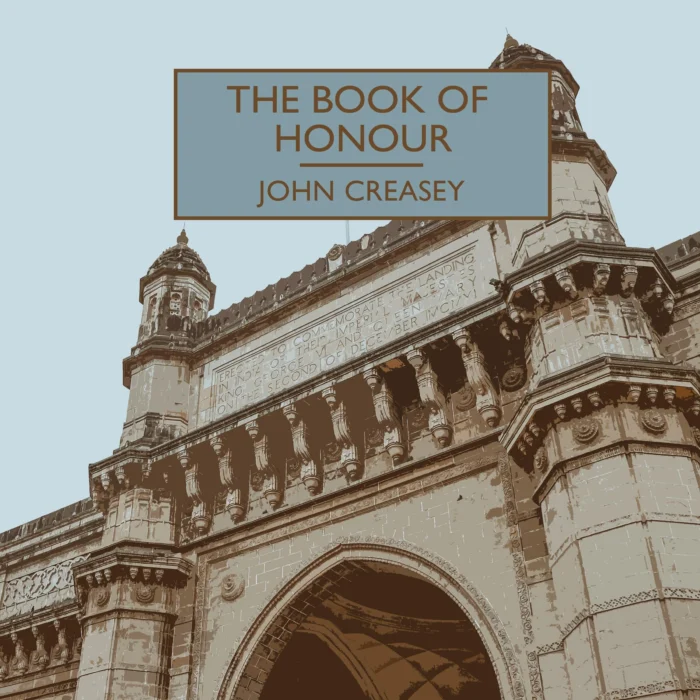
British Library Crime Classic #3
I read The Book of Honour as a text without a frame. It landed on me without an introduction, without a shelf, without context. Only later did I realize it’s a piece in the British Library's Murder by the Book collection. That fits. It’s a short text that knows exactly what it came to do, and it does it a bit too fast.
The story takes place in Bombay and opens with a word that gives the plot away: credit. An Englishman allows Baburao Munshi, a local postcard seller, to sell books out of his office. Not as a partner, as an annex. A friendship is born out of a gap in power and status. It does not begin with reciprocity, but with one man’s privilege to grant the other legitimacy.
Krisy is smart enough to show what that gesture produces in the Englishman: a self-image of generosity, of being “different” from his kind. Not a crude colonialist, but fair, open-minded, progressive. And Munshi, for his part, plays by the rules: gratitude, loyalty, honour. Everything works until the Englishman’s son enters the picture.
Because the son does not play the honour game. He plays results. What looks like a moral duty to the father looks like a transaction to the son. And the moment you replace the word “honour” with the word “utility,” the entire friendship is exposed: not a bond, but a framework. Not friendship, but credit that was extended, and now comes the moment when we learn it was always a debt.
At that point, the plot reveals itself and shrinks. Krisy doesn’t let it accumulate, get dirty, or get hurt. He arranges the events too neatly and ends the short story. Honour remains a concept, not an experience. We understand the mechanism, but we don’t feel the price.
In the end, it’s a story that clearly shows how honour can function as currency. It’s less successful at showing what happens when that currency breaks in your hand. And what remains after all the explanations is a polite lesson. Not a knife.
לגלות עוד מהאתר Sivi's Books
Subscribe to get the latest posts sent to your email.