Please scroll down for an English review.
Death Makes a Prophet הוא בדיוק מסוג הספרים שמזכירים למה פרויקטים של החייאת קלאסיקות יכולים להיות הרבה יותר ממבצע נוסטלגי. ג'ון בוד לא נשען רק על תעלומה טובה, אף שיש כזו, אלא על משהו מעניין יותר: הבנה חדה של אינטראקציות אנושיות, של חולשה, של תיאטרון חברתי, ושל הרגע שבו מתברר שהכוחות המניעים אינם אמונה אלא קנאה, חמדנות ותאוות שליטה. מן ההתחלה ברור שזה איננו ספר על רוחניות, אלא על בני אדם שמשתמשים ברוחניות כתפאורה.
בלב הספר עומדת כת בשם "ילדי אוזיריס". אוזיריס, אל המוות והתחייה במיתולוגיה המצרית, מרחף מעל העלילה כבדיחה שחורה. הכת מבקשת לעטוף את עצמה בהילה של סוד קדום, לידה מחדש, טוהר והתעלות, אבל בוד מבין היטב שככל שהשפה נשגבת יותר, כך הנפילה לחיי היומיום מביכה יותר. מי שמדברים על הארה, אהבת אדם ותחייה רוחנית, נאבקים בפועל על הנהגה, על השפעה, על כסף ועל יוקרה. אוזיריס מבטיח תחייה, אבל בוד מזכיר שמתחת להבטחה הזאת מחכה גם גופה.
הספר בנוי סביב מאבק כוחות בין יוסטס מילדמן לבין פטה פנפטי. יוסטס הוא מנהיג הכת הוותיק, דמות שמרנית חסרת כריזמה. הוא מייצג את הסמכות מכוח מעמד והרגל. פנפטי, לעומתו, מסוכן באמת. הוא כריזמטי, מושך, מבין אנשים, ויודע לתת להם בדיוק את מה שהם צריכים בכדי להאמין בו. הוא מבין שמנהיגות בכת כזאת איננה עניין של אמת, אלא של הופעה. מי שיֵדע להיראות כמו נביא, יזכה גם בנאמנות, גם בכסף, גם בדמיון של המאמינים. בוד בונה עימות חד בין שרלטנות ותיקה לשרלטנות חדשה, יעילה יותר, מבריקה יותר, וכנראה גם קטלנית יותר.
זו לא קריקטורה, אלא מאבק ירושה. יוסטס מייצג סמכות ותיקה שנשענת על מעמד והרגל, פנפטי הוא הכוח החדש, הכריזמטי והרעב יותר, שבא להדיח אותו מן המרכז. הצביעות החברתית היא לב הספר: מה שנראה מבחוץ כחיפוש רוחני מתגלה מבפנים כשוק קטן של שליטה, קנאה, השפעה ומאבקי יוקרה. הכול עטוף בטקסים, במילים יפות ובתחושת חשיבות עצמית. קצת מגוחך, עד שמישהו מת.
מה שאהבתי אצל בוד, שהוא לא ממהר אל הגופה. הוא מאפשר לדמויות זמן להסתבך בעצמן. לכן גם אירוע הרצח איננו שפן שנשלף מהכובע, אלא תוצאה טבעית של מערכת יחסים שכבר נרקבה מבפנים. הרעל האמיתי נוכח הרבה לפני שהרעל הפיזי מופיע. הוא נמצא בקנאה, במאבק הירושה, בסחיטה, ברעב להכרה, וביכולת המרשימה של אנשים לשקר לעצמם כל עוד השקר עטוף במילים גדולות. לכן גם הלב של הספר איננו רק בשאלה מי רצח, אלא בשאלה איזה מין עולם הפך את הרצח לדבר כמעט מתבקש.
גם העובדה שזה הספר ה-11 בסדרת המפקח מרדית' אינה מפריעה. מרדית' איננו מאותם בלשים שהקורא נדרש להעמיק בעברם, בילדותם, בפצעיהם ובהרגלי השתייה שלהם כדי להיכנס לסיפור. הוא מגיע כדי לסדר את הבלגן ולתרגם את כל הדרמה הרוחנית הזאת לשפה פשוטה יותר של מניע, הזדמנות ופשע. זה משאיר את מרכז הכובד על הדמויות ועל המנגנון החברתי שהכין את הבמה לאסון. לכן אפשר בהחלט לקרוא את הספר הזה גם בלי להכיר את קודמיו.
ויש כאן גם הקשר רחב יותר. סדרת British Library Crime Classics עושה לספרים כאלה חסד אמיתי. יש בה משהו שמזכיר את פרויקט ההחייאה של NYRB, אבל בצורה נגישה וזמינה הרבה יותר. העובדה שקראתי מ-NYRB רק ספר או שניים, ולעומת זאת כבר קראתי כמה וכמה ספרים מן הסדרה הבריטית, מדברת בעד עצמה. יש משהו חכם מאוד בפרויקט הזה: הוא לא רק מציל ספרים נשכחים, אלא מחזיר אותם בפועל למחזור החיים של הקוראים. לא כקוריוז למדף, אלא כספרים חיים מאוד. Death Makes a Prophet הוא דוגמה מצוינת לכך. זהו ספר חד, אירוני ומהנה מאוד, עם מבט מפוכח על אמונה, על כוח, ועל הטיפשות האנושית.
Death Makes a Prophet עוסק ברעב האנושי למשמעות, ובמהירות שבה רעב כזה הופך לכלי בידי אנשים שיודעים לנצל אותו. בוד כותב על התפר הדק שבין אמונה, יוהרה ונוכלות. ובקו התפר הזה, הוא חושף כמה מעט צריך כדי שרוחניות תהפוך לעוד שם מכובס למאבק כוח.
Death Makes a Prophet / John Bude
Kindle Edition, 1938, 278 Pp
דירוג SIVI –
איכות אודיו –
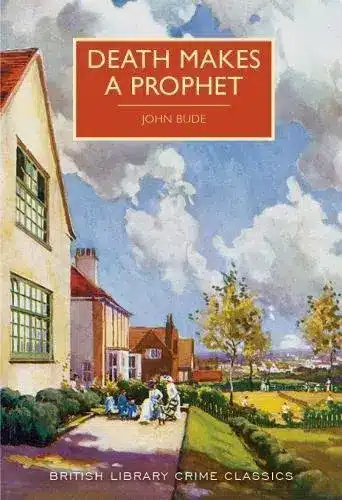
Superintendent William Meredith #11
Death Makes a Prophet is exactly the kind of book that reminds you why classic-revival projects can be far more than nostalgic rescue missions. John Bude does not rely only on a good mystery, though there certainly is one here, but on something more interesting: a sharp understanding of human interactions, weakness, social theater, and the moment when it becomes clear that the forces at work are not faith but jealousy, greed, and the lust for control. From the beginning, it is obvious that this is not a novel about spirituality, but about people using spirituality as scenery.
At the center of the book stands a cult called the Children of Osiris. Osiris, the god of death and resurrection in Egyptian mythology, hovers over the plot like a dark joke. The cult tries to wrap itself in an aura of ancient mystery, rebirth, purity, and transcendence, but Bude understands perfectly well that the more exalted the language becomes, the more embarrassing the fall back into ordinary human life. Those who speak of enlightenment, love of humanity, and spiritual rebirth are, in fact, fighting over leadership, influence, money, and prestige. Osiris promises resurrection, but Bude reminds us that beneath that promise, a corpse is also waiting.
The novel is built around a power struggle between Eustace Mildmay and Ptah Panphti. Eustace is the cult’s old leader, a conservative figure lacking charisma. He represents authority rooted in status and habit. Panphti, by contrast, is genuinely dangerous. He is charismatic, attractive, and perceptive, and he knows how to give people exactly what they need to believe in him. He understands that leadership in such a cult is not about truth but about performance. Whoever knows how to look like a prophet will gain loyalty, money, and the imagination of the believers. Bude constructs a sharp confrontation between old charlatanism and new charlatanism, more efficient, more brilliant, and probably more lethal.
This is not a caricature, but a succession struggle. Eustace represents old authority, grounded in rank and habit. Panphti is the new force, more charismatic and more ravenous, arriving to push him out of the center. Social hypocrisy lies at the heart of the novel: what looks from the outside like a spiritual quest is revealed from within as a small marketplace of control, jealousy, influence, and status games. Everything is wrapped in rituals, pretty words, and self-importance. Slightly ridiculous, until someone dies.
What I liked about Bude is that he does not hurry toward the corpse. He allows the characters time to become entangled in themselves. That is why the murder does not feel like a rabbit pulled from a hat, but like the natural outcome of relationships already rotten from within. The real poison is present long before the physical poison appears. It lives in jealousy, succession battles, blackmail, hunger for recognition, and in the impressive human ability to lie to oneself as long as the lie is wrapped in grand language. That is why the heart of the novel lies not only in the question of who killed, but in the question of what kind of world turned murder into something almost inevitable.
The fact that this is the eleventh novel in the Inspector Meredith series does not cause any trouble. Meredith is not one of those detectives whose past, childhood wounds, or drinking habits the reader must study in order to enter the story. He arrives to sort out the mess and translate all this spiritual drama into the simpler language of motive, opportunity, and crime. That keeps the center of gravity on the characters and on the social mechanism that prepared the stage for disaster. The novel can absolutely be read on its own.
There is also a broader context here. The British Library Crime Classics series performs a real kindness for books like this. It has something of the spirit of the NYRB revival project, but in a much more accessible and available form. The fact that I have read only one or two books from NYRB, while I have already read quite a few from the British series, speaks for itself. There is something very smart about this project: it does not simply rescue forgotten books but truly returns them to the readers' life cycle. Not as curiosities for the shelf, but as books that feel very much alive. Death Makes a Prophet is an excellent example. It is sharp, ironic, and very enjoyable, with a sober view of faith, power, and human foolishness.
Death Makes a Prophet is about the human hunger for meaning, and the speed with which such hunger becomes a tool in the hands of people who know how to exploit it. Bude writes about the thin seam between faith, arrogance, and fraud. Along that seam, he exposes how little it takes for spirituality to become just another respectable name for a power struggle.
לגלות עוד מהאתר Sivi's Books
Subscribe to get the latest posts sent to your email.