"זה מה ששלחו להם: צמד הווי. אבל איזה צמד! לחיילת היה קול חודר שריון, והגיטריסט עשה עבודה של שלושה אנשים – גם פָּרט על הגיטרה, גם תופף עליה וגם שר עם החיילת בקול שני, וגילֵם כך את תמצית האתוס של צה"ל: זה מה שיש, ועם זה ננצח. לחיילת לא היה ספק שננצח; "למצרים ולסורים יש הרבה יותר טנקים, אבל לנו", היא הודיעה לקהל המפויח, "יש שירים יותר טובים. במלחמת השחרור עוד לא היה לנו אף טנק. להם היו טנקים, לנו היו שירים – ואנחנו ניצחנו. אם לסורים היה אז צוות הווי, אולי הם לא היו נשברים כל כך מהר"."
חמישה יצאו כנגד טנק אחד: דוד זרחיה, דודסקו, ששירת בחטיבת כרמלי, זרק רימון לתוך הטנק. שלום הוֹכבאוּם, ניצול שואה, מומחה לדגנים ולולן לעת מצוא, השליך בקבוקי מולוטוב על הטנק. שלמה אנשל, ירה פגז פִּיאַט, לטענתו בזחילה ותוך שימוש ביד אחת בשכיבה. יצחק עשת, שירה פגז פִּיאט בעמידה. ואלוף־משנה בּוֹרְקֶה בר־לב, איש השריון שזחל אל הטנק והבעירו ברימון יד ובקבוק מולוטוב.
חמישתם טוענים שהם – הם – עצרו את הטנק הסורי בדגניה ובכך עצרו את האויב הסורי, הבריחו אותו והצילו את קיבוצי עמק הירדן. חמישתם לא זכו בתהילה אותה רצו, הם מתוסכלים וחיים את חייהם בתחושת כישלון, פיספוס ואכזבה. מתוך מחשבה שיום אחד הם יזכו בתהילה.
מה שצריך לדעת
רומן המבוסס על חמש גרסאות שונות לשאלה מי עצר את הטנק הסורי בדגניה במלחמת העצמאות, ומשתמש במאבק על הקרדיט כדי לספר סיפור רחב על גבורה, מיתוס, החמצה והחברה הישראלית.
לקוראים שאוהבים ספרות ישראלית היסטורית, סיפורים המבוססים על אירועים אמיתיים, מלחמות זיכרון, מיתוסים לאומיים ודמויות שההיסטוריה ממשיכה לפעול בתוך חייהן.
ענברי מספר את חיי חמשת הגברים באופן חי ומרגש, ומשלב בין ההיסטוריה האישית שלהם לבין סיפורה של החברה הישראלית. החלקים הקטנים של החיים מעניקים לסיפור הטנק עומק הרבה מעבר לשאלה מי באמת עצר אותו.
כמעט שום דבר. זה אחד הספרים הטובים שקראתי השנה, ובעיניי הכוח שלו נמצא דווקא בכך שהוא לא מנסה לפתור את התעלומה אלא להראות מה היא עשתה לאנשים שחיו בתוכה.
בין לבין טווה ענברי פכים מרגשים ומרתקים של חיים. חתיכות היסטוריה אישיות וארץ ישראליות. הסיפור על האב שמצא עצמו מובטל במלחמת יום כיפור ויוצא אל החזית המצרית לחפש את בנו, הטנקיסט ולהציל טנקים פגועים. הסיפור על הגנרל שיצא מהצבא עם פנסיה עלובה רק כדי להתגלגל לאוגנדה ולהפוך לחברו של אידי אמין דדה ולסייע לו בהפיכה. מאידך סיפור החברה הקיבוצית וההתיישבות בקיבוצים הצפוניים, שחלקם בקושי שרדו את המלחמה ועוד הושמצו כנוטשים לצד סיפור החברה הישראלית, צמיחתה, ההישגים שלה למול ההסתאבות האיטית והנסיגה מערכים.
הסיפור אינו סיפורו של הטנק. הוא סיפורם של האנשים שבמקום מסויים – כפי שאילנה, אישתו של שלום הוכבאום, אמרה לו – הטנק עצר את חייהם. אנשים צנועים, מסורים שרבים מהסיפורים שלהם מרגשים עד דמעות.
"למחרת החג שיבץ סדרן העבודה את מוטק לרפת ואת שלום ללול. הצריפים הארוכים של הלול היו מוכרים לשלום ממקום אחר. כשנכנס לצריף הראשון, שבו הצטופפו תרנגולות בשתי קומות של סוללות־כלובים, הביטו בו מאות עיניים מן הדרגשים הדו־קומתיים שלאורך הקירות. איך דוחסים שמונה מאות איש לצריף שנועד למאה? זה לא קשה כמו שזה נשמע. אם מרעיבים שמונה מאות איש, הם תופסים פחות מקום"
אחד הספרים הטובים שקראתי השנה. ענברי מתגלה כסופר מוכשר ומספר סיפורים מרתק.
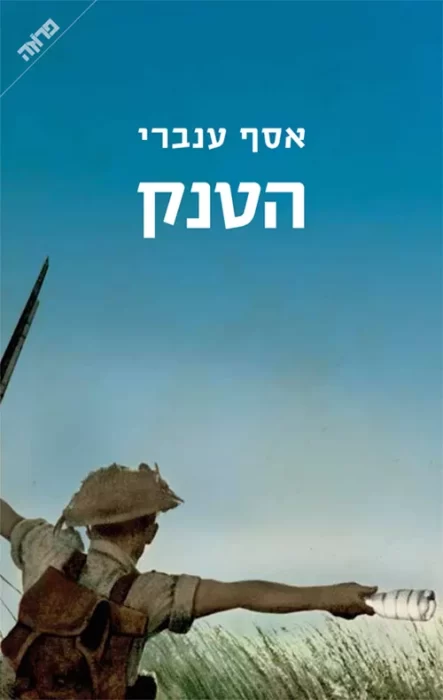
The Tank / Assaf Inbari
Five men went up against one tank: David Zerahia, known as Davidesco, who served in the Carmeli Brigade and threw a grenade into the tank; Shalom Hochbaum, a Holocaust survivor, grain expert and occasional poultry farmer, who threw Molotov cocktails at it; Shlomo Anshel, who claimed that he fired a PIAT shell while crawling and using one hand; Yitzhak Eshet, who fired a PIAT shell while standing; and Lieutenant Colonel Burka Bar-Lev, an armour officer who crawled toward the tank and set it on fire with a hand grenade and a Molotov cocktail.
All five claimed that they, and they alone, stopped the Syrian tank at Degania, stopped the Syrian advance, drove the enemy back and saved the kibbutzim of the Jordan Valley.
None of them received the glory they believed they deserved.
They live with frustration, disappointment and a sense that something essential was missed, always carrying the hope that one day recognition will finally arrive.
Around this central dispute, Inbari weaves moving and fascinating fragments of individual lives.
Pieces of personal history and Israeli history.
There is the father who finds himself unemployed during the Yom Kippur War and goes to the Egyptian front to search for his son, a tank soldier, while helping salvage damaged tanks.
There is the general who leaves the army with a miserable pension, somehow ends up in Uganda, becomes a friend of Idi Amin and assists him during the coup.
There is also the story of kibbutz society and the northern settlements, some of which barely survived the war and were later accused of abandoning their positions, alongside the broader story of Israeli society: its growth, its achievements, and the slow erosion of values that followed.
The novel is not really about the tank.
It is the story of the people whose lives, as Ilana, Shalom Hochbaum’s wife, tells him at one point, were stopped by that tank.
They are modest, devoted people, and many of their stories are deeply moving.
One of the most powerful passages describes Shalom entering the chicken coop after the war and being confronted by rows of birds packed into cages. The sight immediately connects to another world he has known, and the ordinary agricultural building becomes inseparable from the memory of overcrowding, hunger, and survival.
That is where Inbari is especially strong.
He takes a national myth and refuses to leave it at the level of monument, battle or official memory.
Instead, he follows the people who carried the myth with them for decades.
The argument over who stopped the tank becomes an argument about recognition, memory, disappointment and the need to believe that one decisive moment gave meaning to an entire life.
At the same time, the book becomes a portrait of Israeli society itself.
The kibbutzim, the army, the wars, the political changes, the myth of heroism and the gradual disillusionment all move through the lives of these men.
The tank may have stopped at Degania.
For them, in some sense, it never really moved again.
One of the best books I read that year.
Assaf Inbari emerges here as a remarkably talented writer and a fascinating storyteller.
לגלות עוד מהאתר Sivi's Books
Subscribe to get the latest posts sent to your email.