Please scroll down for an English review.
ניתן למצוא את הגרסה שקראתי באתר Ex-Classics: The History of King Richard III (PDF) Ex-Classics
היסטוריה בתחפושת
יש רגעים שבהם הכתיבה מפסיקה לתעד, ומתחילה למשול.
The History of King Richard the Third של תומס מור איננו מחקר, ואיננו עדות.
זהו טקסט שבונה סמכות, לא אמת.
מור כותב היסטוריה כמטיף מוסרי: משפטים ארוכים שמייצרים תחושת עומק, הצהרות "על דברים ידועים" במקום הוכחות, ועיצוב דימוי שמחליש את כל מה שאיננו תומך באג’נדה שלו.
זו איננה כרוניקה; זה מנגנון.
לא ריצ’רד נחשף כאן, אלא מור עצמו, והיכולת של הומניסט להפוך מוסר לכלי פוליטי.
הטקסט של מור: מנגנון ולא היסטוריה
מור כותב כאילו הוא מתעד.
אבל זה לא תיעוד.
זה שיטה.
המשפטים שלו מסתלסלים, מתארכים, יוצרים אשליה של ידע סמוי.
הם נשמעים כמו הסבר, אך הם כיסוי.
טקסט שמוביל את הקורא, לא מאיר לו.
כל פסקה פותחת בהכרזה ומסתיימת בקביעה פוליטית המתחפשת לעובדה.
המשפט הארוך משמש כחבל שמושך את הקורא לתוך נרטיב שהגבולות שבו בין עובדה לפרשנות מיטשטשים.
מור מבין היטב מה כוחו של סגנון.
הוא יודע שהקורא הממוצע לא יבחין בין עובדה לבין הטיית עט, ולכן הוא מפעיל שוב ושוב את הטכניקה המסוכנת ביותר שלו:
"אני רק מזכיר דברים ידועים".
זו לא צניעות. זו אסטרטגיה.
כשאין הוכחות, טוענים שהן כבר קיימות.
כשאין מקור, מעבירים את האחריות ל"זיכרון הציבורי".
כך הופך חוסר ידע לוודאות ומחקר לתעמולה.
עושר לשוני מחליף הוכחות.
עודף מילים מחליף עדות.
ככל שהמשפט ארוך יותר, כך הקורא נשבה יותר בקסם של "זה נשמע אמין".
כך נולדת היסטוריית־השווא של ריצ’רד:
לא בזכות מסמכים, אלא בזכות הביטחון של מחבר שמדבר בשם המוסר ומטשטש את התפר שבין תיאור לעלילה.
מור אינו מבקש מהקורא לחשוב.
הוא מבקש ממנו להסכים.
וההסכמה מגיעה מתוך שטף לשוני שמרדד התנגדות כמו מים על אבן.
בסופו של דבר, הטקסט הזה איננו מתאר את ריצ’רד.
הוא מתאר את מור:
מוסר ככלי נשק, שפה כגזר דין, כתיבה כחדר עינויים של אמת היסטורית.
הכפשת אדוארד הרביעי: מהלך מקדים לבניית נבל
כדי להפוך את ריצ’רד לשטן, מור חייב להחליש את אחיו.
הוא לוקח מלך שהיה בפועל כריזמטי, יציב ואסטרטג, ומצייר אותו כחלש, מושחת, חלש אופי, חולה תשוקות ש"נשלט בידי שיקולים זרים שפגעו בממלכה".
זה איננו תיאור. זו הכנה.
אדוארד מוצג כמי שנקרע בידי נשים, מושפע מרגשות, חסר כוח מנהיגות.
כל אלה אינן עובדות, אלא בניית במה:
מלך חלש יוצר יורשים חלשים, ויורשים חלשים מאפשרים נרטיב שבו ריצ’רד הופך לאיום.
זו אינה היסטוריה; זו ארכיטקטורה של נרטיב.
אדוארד האמיתי: מה שמור העלים
אדוארד הרביעי היה:
סמל של יציבות ממשית.
בנה מערכת מיסוי יציבה.
חיזק את הצפון.
כונן בריתות.
החזיר את הכלכלה למסלול.
היה פופולרי בקרב העם.
והוא היה אח קרוב לריצ’רד, שסמך עליו יותר מכל אדם אחר.
כל זה נמחק.
לא מפני שאיננו מתאים למציאות, אלא מפני שהוא אינו מתאים למיתוס של מור.
המיזוגניה של מור: יסוד ולא תוצר
המיזוגניה בטקסט איננה עלילה, אלא תשתית.
היא לא מופיעה בצעקה, אלא ברמיזה; לא כעלבון אלא כנורמה.
היא לא מופיעה במשפטים הראשיים, אלא במרווחים.
שם, בין הערות צד תמימות כביכול, נקבע מי הגיוני ומי היסטרי, מי מוסרי ומי "פועל על פי טבעו".
מור לא בונה עלילת שנאה.
הוא בונה מערכת.
שכבת יסוד שקטה שמחזיקה את כל הנרטיב שלו בלי להציג את עצמה כעמוד תווך, אלא כמציאות שאין לה חלופה.
זו האדריכלות האמיתית של הטקסט:
מיזוגניה שמתחפשת לשיקול דעת, וסטנדרט כפול שמתחפש למוסר.
מור אינו "שונא נשים".
הוא עסוק במשהו חשוב בהרבה.
הוא מייצר מיזוגניה מוסרית, פוליטית ורטורית, מבנה עומק שמסדר את העולם כך שנשים תמיד יופיעו בצד הלא נכון של המשוואה.
זו אינה טענה על התנהגות.
זו טענה על מהות.
אצל מור נשים אינן דמויות.
הן עיקרון:
עיקרון של כאוס.
הנוכחות הנשית, כמעט בכל סצנה בטקסט, איננה ניטרלית.
היא סכנה.
כוח מטלטל שיכול להדיח מלך מיציבותו ולהצית אש בין יריבים.
מור איננו מציג זאת כרכילות, אלא כ"טבע".
נשים הן מסוכנות כשהן חושבות.
הן היסטריות כשהן פועלות.
הן "פועלות מן הטבע", לא מן השכל.
זה איננו כשל אקראי.
זהו מנגנון שהופך כל מעשה נשי לחריגה, ואילו כל מעשה גברי לסדר.
מור משתמש במגדר ככלי המפריד בין "לגיטימי" ל"בעייתי".
וכך קורה עם המלכה אליזבת וודוויל.
כאשר בנה נחטף, אחיה נעצר והיא מתבצרת במקלט הכנסייה, צעד משפטי רציונלי לחלוטין, מור מתאר זאת כפאניקה:
“With which tidings the Queen in great fright and heaviness … got herself … into the Sanctuary…”
זו איננה היסטוריה.
זה תיאטרון של היסטריה.
וכשהשליחים של ריצ’רד מפעילים כוח, זו "זהירות".
כשהמלכה מבקשת להבטיח את זכויותיה, זו "תחבולה".
כשהיא מוצאת מקלט במנזר, צעד משפטי לגיטימי, מור מתאר זאת כהיסטריה נשית שמערערת את הממלכה.
כך הופך מהלך פוליטי מורכב לאגדה מוסרית על נשים שנכנסו למגרש שלא נועד להן.
זו אינה טעות של התקופה.
זו אסטרטגיה.
מור משתמש במגדר ככלי עבודה:
היכן שהוא צריך אויב, הוא מייצר אישה.
היכן שהוא צריך מפלצת, הוא מסמן "מכשפה".
היכן שהוא צריך להצדיק השתלטות גברית על השלטון, הוא בונה סיפור על "חוסר אחריות נשי" שאילץ את הגברים "להתערב".
והתהליך שקוף כאשר בוחנים אותו מקרוב:
המלכה היא הבעיה.
הנסיכים "מסוכנים" בגלל הנשים שסביבם.
משפחת וודוויל מוצגת כ"נשים בתחפושת", כוח רך ומושחת.
ריצ’רד, הייסטינגס ובקינגהאם הם "הגברים הרציונליים".
הנרי השביעי הוא הכוח שמחזיר את "הסדר הגברי" לעולם.
זו דיאלקטיקה פשוטה, אפקטיבית, ובעיקר פוליטית.
מור לא מתעד את העוצמה הנשית של המאה החמש עשרה.
הוא משכתב אותה.
הוא מפשיט אותה ממשמעותה, מחזיר אותה למרחב המיתי של "היסטריה", "ערמומיות" ו"תחבולה רגשית", ומלביש עליה תבנית מוסר שמסבירה למה מותר לגברים לעקוף, להדיר, להשתלט.
ומכאן לשורש העניין: הסטנדרט הכפול.
כשהמלכה מגינה על בנה, זה "פחד".
כשהיא מבקשת להבטיח את זכויותיה, זו "תחבולה".
כשהיא מוצאת מקלט במנזר, זה "חוסר אחריות נשי".
ומנגד:
כשהשליחים של ריצ’רד מבצעים מעצר פוליטי, זה "שיקול דעת".
כשהוא מרוקן את החצר מיריביו, זו "דאגה לממלכה".
כשהוא מפעיל כוח מזוין, זו "זהירות גברית".
כשהוא משבש את סדר הירושה, זו "חובה".
אותו מעשה מתואר כחולשה כשהוא נשי וכסדר כשהוא גברי.
מור אינו כותב היסטוריה.
הוא כותב הצדקה.
הוא מייצר עולם שבו נשים הן מוקד הבעייתיות המוסרית, ואילו הגברים, גם כשהם אלימים, כוחניים או מופרעים, מוצגים כתגובה "הכרחית", כמי שנאלצו "להחזיר את הסדר".
זו הצביעות השורשית בטקסט:
מוסר שמשרת כוח.
אמת שמתקפלת בפני תעמולה.
היסטוריה שמתפקדת כמו משל נוצרי על "אישה נמהרת" ו"גבר יציב".
אבל המציאות ההיסטורית מספרת סיפור אחר לגמרי.
אליזבת וודוויל לא הייתה היסטרית ולא חסרת שיקול דעת.
היא הייתה אחת הנשים המחושבות והאסטרטגיות של זמנה.
ריצ’רד לא היה "שומר סדר", אלא פוליטיקאי חד וקר רוח שהשתמש בכוח כדי לנטרל יריבים.
ובית טיודור, מעל הכול, נזקק לנרטיב הזה כדי לייצר לעצמו לידה נקייה.
כדי להצדיק את שלטונם כתיקון למפלצת, היה צורך קודם לייצר מפלצת.
מור עושה זאת באמצעות נשים.
לא משום שהן היו הבעיה,
אלא משום שהן היו הפתח להנדסת תודעה מוסרית: דרך הגוף שלהן, דרך "טבען", דרך דימוי שהתרבות כבר הכשירה מראש.
וכך מתגלה הפרק שלו ב"היסטוריה" על כל מורכבותו:
זה איננו תיעוד של מה שקרה.
זהו טיפול בהלם לשפה עצמה.
טקסט שמלביש צביעות בציפוי קדושה, ומשמש כמנגנון שמלמד דור שלם לקרוא מיתוס ולהאמין שהוא מסמך.
הפיכת הקורבן לאשם: רטוריקת המקלט הכנסייתי של תומס מור
מור בונה את ריצ’רד בשני קולות שסותרים זה את זה, לעיתים אפילו בתוך אותו משפט.
מצד אחד
הוא מצייר אותו כאדם אמיץ, מאופק, שומר מצוות, נאמן לאחיו, מגן הממלכה.
דמות כמעט קדושה, עטופה בהילת מוסר שאין לערער עליה.
מצד שני
הוא כותב משפט כמו:
“the lamb was betaken to the wolf to keep”.
הטלה נמסר לשמירתו של הזאב.
כאן נחשפת המניפולציה במלוא כיעורה.
זהו רגע שבו עומק הסתירה כבר אינו נובע מטעות סגנונית, אלא משיטה.
מור מכוון את חיציו היטב:
הוא מציג את ריצ’רד כמי ש"אינו מעז לפעול כל עוד בידו נמצא רק חצי מהטרף", ניסוח שמסגיר את הסאבטקסט.
הילד שבמקלט הכנסייתי הופך למושא ציד שריצ’רד "חייב לצוד".
זו איננה לשון של היסטוריון.
זו הלשון של אדם שמנסה להסתיר אמת ובו בזמן חושף אותה בשולי המשפט.
כדי להצדיק את הדימוי המפוברק של ריצ’רד כמגן, מור מוכרח להפוך את אליזבת וודוויל לאויבת ילדיה.
המקלט הכנסייתי, כלי משפטי עתיק וחוקי להגנה על יורש עצר, מקבל תפנית, והבריחה של המלכה עם ילדיה הופכת למעשה זדון.
המלכה איננה אם חסרת ברירה הפועלת על פי החוק.
היא "מחוללת ריב", "מבקשת לבייש את הלורדים", כוח משחית שאחראי למתח בממלכה.
זהו היפוך תודעתי מוחלט:
המאיימים הופכים למגינים.
המגינים הופכים לעבריינים.
והקורבן, כמקובל בתעמולה, הופך לאשם.
מור הולך צעד נוסף.
הוא טוען שהשהות במנזר מזיקה לילד, משום שהיא מונעת ממנו "הנאה ומשחקים".
ריצ’רד, כך משתמע, הוא זה שיכול להעניק לנסיך ילדות טובה.
זה איננו רק אבסורד.
זו וריאציה מוקדמת של פסיכולוגיה פוליטית שבה הזאב מתואר כמי שדואג לטלה.
בנקודה הזו כבר אין מדובר בהכפשה בלבד.
זהו ניסיון למחוק עובדות, לעצב מחדש את המוסר, ולהפוך מעשה הצלה למחדל.
מור אינו מתאר את המציאות.
הוא מפעיל עליה מנוף.
כדי שהזאב ייראה כצדיק, עליו להאשים את הטלה בריצה למקלט.
וזו כבר אינה היסטוריה.
זו הנדסת תודעה.
דמוניזציה של המקלט הכנסייתי: תומס מור כותב כתב שטנה
בנקודה הזו מור כבר אינו מסתפק בהאשמת המלכה.
הוא תוקף את המוסד עצמו.
המקלט הכנסייתי, אחד מעמודי התווך של המשפט האנגלי, מנגנון שנועד להגן בדיוק על מי שנמצא מול כוח אלים ובלתי מרוסן, מוצג לפתע כמפלט של "רוצחים וגנבים".
זה איננו תיאור. זו אסטרטגיה.
כדי להפוך את אליזבת וודוויל לאויבת הסדר, עליו להפוך את המקום שבו מצאה מקלט למה שמצדיק רדיפה.
הוא מייצר מנגנון כפול:
המקלט הכנסייתי מוצג כתחבולה משפטית שמגוננת על "חיים בלתי מוסריים"
ובאותה הנשימה, מור מתעלם מן המציאות הפוליטית: אחיה נעצרו, בנה נחטף, המועצה הוצאה משליטתה.
מול כוח מזוין, היא פעלה בדיוק בתוך גבולות החוק הכנסייתי.
מור מוחק זאת בכוונה.
הוא משתמש בדימויי טומאה וזוהמה כדי להציג את צעד ההגנה היחיד שנותר למלכה כמעשה של חתרנות.
זהו לא דיון משפטי.
זה כתב שטנה.
חתירה יסודית תחת מהות המוסד, כדי שיוכל בהמשך להצדיק את שלילת המקלט מן הנסיך עצמו.
עוד לבנה בגרסה שבה הזאב מצטייר כמושיע, והטלה כאיום.
"לא זכאי למקלט כנסייתי": עיוות משפטי כהנדסת תודעה
ברגע חושפני במיוחד, מור מצהיר שהנסיך איננו "זכאי למקלט".
לטענתו, מקלט כנסייתי נועד לעבריינים המבקשים חסד, לא לילד שנמלט מפני איום פוליטי.
זו איננה טעות. זו היתממות רטורית.
המקלט הכנסייתי האנגלי לא נועד לעבריינים בלבד, אלא לכל מי שעומד בפני כוח מסוכן: נשים, יתומים, יורשי עצר, בני אצולה שנרדפו.
זהו מוסד של הגנה מפני עריצות, לא "מקלט פושעים".
אליזבת וודוויל פעלה לפי החוק.
מור פועל לפי הצורך.
במקום לתעד תקדים משפטי לגיטימי, הוא הופך מוסד של הגנה לסמל של "טומאה".
הוא הופך את ריצ’רד למושיע ואת הילד לאשם.
מור משתמש במעמדו כאיש רוח וכדמות כנסייתית כדי להפיק גזר דין בדיעבד.
הוא מנטרל את זכותם של ילדים למקלט.
הוא מלבין את אחד המעשים האכזריים של 1483.
והוא עושה זאת בחיוך של מי שמסביר "רק מה אומר החוק".
זו אינה פרשנות.
זו הנדסת תודעה משפטית.
עוד חיזוק בסיפור שבו התוקפן נקרא "השומר", והקורבן מוגדר כמי שסטה מן הסדר האלוהי.
הברית שלא הייתה, התותים שלא נקטפו, וההיסטוריה שמור בדה מלבו
בשני המהלכים הגדולים ביותר של "תולדות ריצ’רד השלישי", תומס מור עושה שימוש באותה טכניקה: הוא מייצר מנגנון דרמטי, עטוף בשפה משפטית ומוסרית, ומעמיד אותו כעובדה היסטורית.
אבל במסמך שלו אין לא מסורת, לא עדות, לא סימוכין מתועדים מאותם זמנים.
יש רק את סמכותו האישית.
"הברית הסודית"
מור ממציא "חוזה חשאי" בין ריצ’רד ובקינגהאם.
אין מסמך.
אין שמועה.
אין רמז.
החוזה קיים רק בדמיונו.
למרות זאת הוא נעטף בשפה משפטית כדי ליצור מצג של עובדה.
זו תסריטאות מוסרית, לא היסטוריה.
"שתי המועצות"
מור מצייר שתי מועצות: רשמית שמכינה הכתרה, ונגדה מועצה "חשאית" שבה ריצ’רד ובקינגהאם מבשלים הפיכה.
בפועל, היו מועצות חופפות כמעט בכל רגע פוליטי.
מור לוקח נוהל מנהלי והופך אותו למזימה.
פגישת התותים
המצאת הברית הסודית מספקת למור מסגרת. עכשיו הוא צריך סצנה שתעגן את השטן שהוא בורא.
וכאן מגיע קטע "התותים" הידוע לשמצה.
זו איננה היסטוריה. זה תיאטרון.
מור מתאר "פגישת תותים" עם דיאלוגים, מבטים, תנועות גוף, כאילו תיעד אותה.
עד היום לא נמצא מסמך אחד שמאשר זאת.
זו לא כרוניקה.
זה מחזה.
האשמת הכישוף
בשיא המהלך הרטורי שלו, מור ממציא האשמות כישוף נגד המלכה וג’יין שור, כאילו שתי נשים אחראיות לזרועו היבשה של ריצ’רד.
הוא יודע שזה שקר.
אבל זה משרת את המנגנון:
נשים כמכשפות, ריצ’רד כקורבן.
הייסטינגס
הייסטינגס הוצא להורג ללא משפט, במה שנחשב לרצח פוליטי.
מור מתאר אותו כאדם טיפש שלא הבין את המציאות.
ככה הופכים קורבן לאשם. וזה אפילו לא עניין של פרשנות, זה פשוט לשנות את הסיפור ההיסטורי ולהציג את הדמות בצורה שתגרום לנו לחשוב שהיא 'הביאה את זה על עצמה'. המסר שקוף: אם הייסטינגס היה כל כך טיפש, אולי הרצח שלו היה הכרחי. יש כאן עיוות מוסרי עמוק.
כך תומס מור בורא "אמת" מדומה
מור עובד בשיטה קבועה:
כשאין עובדות – ממציאים.
כשאין דרמה – כותבים מחזה.
כשאין נבל – בונים אחד.
וכך נולד המקור שממנו שאב שייקספיר את המפלצת.
שייקספיר וירושת השקר
שייקספיר לא המציא את המפלצת.
הוא ירש אותה ממור.
שייקספיר לקח דמות מעוותת והפך אותה לתיאטרון.
אבל מור הוא מי שבנה את התבנית:
גוף עקום, נפש עקומה, נשים כמכשפות, עם תמים.
מור יצר את הארכיטיפ: הנבל המודרני.
שייקספיר בנה ממנו פואטיקה שלמה: מונולוגים, אירוניה, תיאטרון של מניפולציה.
שייקספיר עבד בתוך מסגרת נתונה של מציאות מעוותת.
הוא לא המציא את "ריצ’רד הרוצח", אלא לקח מיתוס בן מאה וחמישים שנה והפך אותו ליצירת תיאטרון.
המחזה האליזבתני דרש רוע.
מור סיפק רוע עטוף בסמכות.
ולכן ההבדל המהותי בין הייצוג הספרותי לבין המציאות ההיסטורית איננו בשאלת העובדות, אלא בשאלת האחריות.
שייקספיר היה משורר.
תומס מור היה הומניסט, הוגה, משפטן, מי שיהפוך בעתיד לקדוש.
האדם שהגן בחירוף נפש על מצפון, על אמונה, על יושר.
מה שמותר למשורר במאה השש עשרה איננו נחלתו של משפטן וקדוש לעת מצוא.
שייקספיר כתב תיאטרון.
מור כתב טקסט שהוצג כ"תולדות".
כשכתב על ריצ’רד השלישי, הוא הפנה עורף לעקרונות שהנחו אותו במקומות אחרים.
למה חשוב לשבור את המיתוס
המיתוס של ריצ’רד השלישי הוא עדות לכך שספרות יכולה להתחזות לאמת ולנצח אותה.
מור, קדוש נוצרי, עיוות מציאות היסטורית כדי לשרת אג’נדה פוליטית.
העיוות הזה חי עד היום.
המחקר המודרני אינו מוחק את מור.
הוא מסיר את המסכה:
מור איננו עד ראייה.
הוא מספר סיפורים.
והגיע הזמן להבחין בין שני התפקידים.
The History of King Richard the Third/ Thomas More
Ex-Classics: The History of King Richard III (PDF) Ex-Classics
דירוג SIVI –
איכות אודיו –
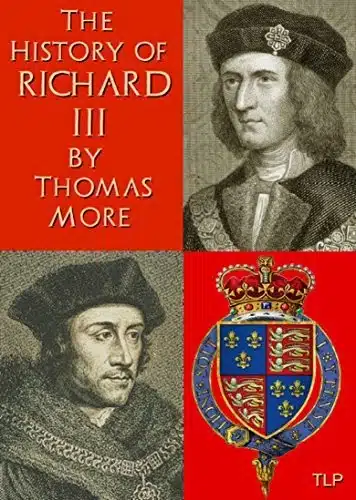
History in Disguise
There are moments when writing stops recording events and starts ruling over them.
Thomas More’s The History of King Richard the Third is neither research nor testimony.
It is a text that builds authority, not truth.
More writes history like a moral preacher: long sentences that create a feeling of depth, assertions of “as is well known” instead of evidence, and a carefully designed image that weakens anything that does not serve his agenda.
This is not a chronicle; it is a mechanism.
It is not Richard who is revealed here, but More himself, and the ability of a humanist to turn morality into a political weapon.
More’s Text: A Mechanism, Not History
More writes as if he is documenting.
But this is not documentation.
It is a mechanism.
His sentences curl and lengthen, creating the illusion of hidden knowledge.
They sound like an explanation, but they function as a cover.
A text that leads the reader, rather than illuminating anything for them.
Each paragraph opens with a proclamation and ends with a political conclusion disguised as a fact.
The long sentence works like a rope that pulls the reader into a narrative in which the boundary between fact and interpretation blurs.
More understands the power of style very well.
He knows the average reader will not distinguish between fact and the tilt of a pen, so he repeatedly deploys his most dangerous technique:
“I only recall things that are already well known.”
This is not modesty. It is a strategy.
When there is no evidence, you claim that the evidence is already there.
When there is no source, you pass the responsibility on to “public memory”.
In this way, ignorance becomes certainty, and scholarship becomes propaganda.
Verbal richness replaces proof.
A surplus of words replaces testimony.
The longer the sentence, the more the reader is captured by the spell of “this sounds convincing”.
This is how the false history of Richard is born:
Not through documents, but through the confidence of an author who speaks in the name of morality and smudges the seam between description and fiction.
More is not asking the reader to think.
He is asking them to agree.
And that agreement arrives through a flood of language that wears down resistance like water over stone.
In the end, this text does not describe Richard.
It describes More:
Morality as a weapon, language as a sentence, writing as a torture chamber for historical truth.
Smearing Edward IV: A Prelude to Building a Villain
To turn Richard into a demon, More first has to weaken his brother.
He takes a king who was, in reality, charismatic, stable, and strategically capable, and paints him as weak, corrupt, feeble-minded, a man of uncontrolled appetites who was “ruled by foreign considerations that harmed the realm”.
This is not a description. It is preparation.
Edward is presented as torn apart by women, ruled by emotions, and lacking leadership.
None of this is grounded in fact; it is stagecraft:
A weak king produces weak heirs, and weak heirs allow for a narrative in which Richard becomes a threat.
This is not history; it is narrative architecture.
The Real Edward: What More Erased
Edward IV was:
A genuine symbol of stability
The builder of a workable and stable tax system
The king who strengthened the North
A maker of innovative alliances
The ruler who brought the economy back on track
A popular figure among ordinary people
He was also a brother close to Richard, who trusted him more than anyone else.
All of this disappears.
Not because it does not match reality, but because it does not match More’s myth.
More’s Misogyny: Foundation, Not By-Product
The misogyny in More’s text is not a plotline; it is a foundation.
It does not appear as shouting, but as a suggestion; not as a direct insult, but as the norm.
It does not sit in the main sentences, but in the gaps between them.
There, between seemingly innocent asides, he decides who is rational and who is hysterical, who is moral and who “acts according to nature”.
More is not constructing a story of hatred.
He is constructing a system.
A quiet layer of foundations that holds his entire narrative without presenting itself as a pillar, but as reality, which has no alternative.
This is the authentic architecture of the text:
Misogyny disguised as judgment, a double standard disguised as morality.
More does not simply “hate women”.
He is doing something far more calculated.
He produces moral, political, and rhetorical misogyny, a deep structure that arranges the world so that women always appear on the wrong side of the equation.
This is not a claim about behaviour.
It is a claim about essence.
For More, women are not characters.
They are a principle:
A principle of chaos.
Female presence, in almost every scene in the text, is never neutral.
It is dangerous.
A destabilising force that can topple a king and ignite conflict between rivals.
More does not present this as gossip, but as “nature”.
Women are dangerous when they think.
They are hysterical when they act.
They “act from nature”, not from reason.
This is not an accidental flaw.
It is a mechanism that turns any female action into a deviation, and any male action into “order”.
More uses gender as the tool that separates “legitimate” from “problematic”.
This is precisely what happens with Queen Elizabeth Woodville.
When her son is seized, her brothers are arrested, and she retreats into the sanctuary, a completely rational legal move, More describes it as panic:
“With which tidings the Queen in great fright and heaviness … got herself … into the Sanctuary…”
This is not history.
It is a theatre of hysteria.
When Richard’s agents use force, it is “prudence”.
When the queen seeks to secure her rights, it is “trickery”.
When she takes refuge in a monastery, an entirely legitimate legal step, More describes it as feminine hysteria that destabilises the realm.
A complex political move is thus turned into a moral fable about women who stepped onto a field that was supposedly never meant for them.
This is not a mistake of the period.
It is a strategy.
More uses gender as a working tool:
Where he needs an enemy, he produces a woman.
Where he needs a monster, he labels a “witch”.
Where he needs to justify male seizure of power, he writes a story of “female irresponsibility” that forced the men to “intervene”.
The process becomes transparent once you look at it closely:
The queen is the problem.
The princes are “dangerous” because of the women around them.
The Woodvilles are presented as “women in disguise”, a soft, corrupt influence.
Richard, Hastings, and Buckingham are “the rational men”.
Henry VII returns “male order” to the world.
It is a simple dialectic, practical, and above all, political.
More does not adequately document the real power of women in the fifteenth century.
He rewrites it.
He strips it of its meaning, pushes it back into the mythical space of “hysteria”, “cunning”, and “emotional manipulation”, and dresses it in a moral pattern that explains why men are allowed to bypass, exclude, and seize control.
At the root of it lies the double standard.
When the queen protects her son, this is “fear”.
When she seeks to secure what is hers, it is “scheming”.
When she takes sanctuary, it is “female irresponsibility”.
On the other hand:
When Richard’s envoys carry out a political arrest, it is “judgment”.
When he empties the court of his rivals, this is “care for the realm”.
When he uses armed force, it is “male caution”.
When he disrupts the line of succession, it is “duty”.
The same act is described as weakness when performed by a woman and as an order when performed by a man.
More is not writing history.
He is writing a justification.
He produces a world in which women are the core of moral trouble, and men, even when they are violent, domineering, or unhinged, appear as a “necessary response”, as those who had to “restore order”.
This is the fundamental hypocrisy of the text:
Morality enlisted into the service of power.
Truth-bending in the face of propaganda.
History functioning as a Christian fable about a “rash woman” and a “steady man”.
Reality, of course, tells a very different story.
Elizabeth Woodville was neither hysterical nor lacking judgment.
She was one of the most calculated and strategic women of her time.
Richard was not the “keeper of order” but a sharp, cold political player who used force to neutralise his rivals.
And the Tudor regime, most of all, needed this narrative to manufacture for itself a clean birth.
To justify their rule as a correction to a monster, someone first had to invent a monster.
More does this through women.
Not because they were the problem,
but because they were the perfect gateway for moral manipulation: through their bodies, through their supposed “nature”, through images that culture had already legitimised.
In this way, his “history” chapter reveals itself in full:
It is not documentation of what happened.
It is shock therapy applied to language itself.
A text that dresses hypocrisy in a coating of sanctity and functions as a mechanism that teaches an entire generation to read myth and believe it is a document.
Turning the Victim into the Guilty Party: More’s Rhetoric of Sanctuary
More constructs Richard’s image in two mutually contradictory voices, sometimes even within the same sentence.
On the one hand,
He paints him as brave, self-controlled, pious, loyal to his brother, protector of the realm.
An almost saintly figure, wrapped in a halo of virtue beyond doubt.
On the other hand,
he writes a sentence like:
“The lamb was betaken to the wolf to keep”.
Here, the manipulation shows itself in all its ugliness.
This is not stylistic confusion; it is method.
More aims his arrows with precision:
He presents Richard as someone who “does not dare act while only half the prey is in his hand”, a phrase that exposes the subtext:
The child in the sanctuary becomes prey that Richard “must hunt”.
This is not the language of a historian.
It is the language of someone who tries to hide the truth and, at the same time, reveals it in the margins of his sentences.
To justify his fabricated image of Richard as protector, More has to turn Elizabeth Woodville into an enemy of her own children.
The church sanctuary, an ancient and fully legal tool for the protection of an heir to the throne, is twisted so that the queen’s flight with her children is presented as an act of malice.
The queen is no longer a mother with no other options, acting under the law.
She is “sowing discord”, “seeking to shame the lords”, a corrupting force responsible for the unrest in the kingdom.
This is a total reversal of consciousness:
The threateners become protectors.
The protectors become offenders.
And the victim, as so often in propaganda, becomes the guilty party.
More goes further.
He claims that the boy’s stay in the monastery harms him, since it robs him of “pleasure and play”.
Richard, so we are told, is the one who can offer the prince a proper childhood.
This is not simply absurd.
It is an early form of political psychology in which the wolf is portrayed as the lamb's caretaker. the caretaker
At this point, we are no longer dealing only with defamation.
This is an attempt to erase facts, to rewrite morality, and to turn an act of rescue into a failure.
More does not describe reality.
He applies leverage to it.
So that the wolf may appear righteous, he has to blame the lamb for running to shelter.
This is no longer an extended history.
It is engineered perception.
Demonising Sanctuary: Thomas More Writes a Libel
Once More has finished blaming the queen, he moves on to the institution itself.
The right of sanctuary, one of the cornerstones of English law, a mechanism designed precisely to protect those facing unrestrained force, is suddenly portrayed as a haven for “murderers and thieves”.
This is not a description. It is a strategy.
To turn Elizabeth Woodville into an enemy of order, he has to turn the place where she sought refuge into something that deserves persecution.
He builds a double move:
On the one hand,
sanctuary is framed as a legal trick that shelters “immoral lives”.
On the other hand,
More ignores the political reality: her brothers were arrested, her son was seized, and the council was taken out of her hands.
Faced with armed power, she acted exactly within the boundaries of church law.
More erases this deliberately.
He uses images of filth and impurity to present the only remaining defensive step for the queen as subversion.
This is not a legal discussion.
It is a polemical pamphlet.
He first undermines the institution at its base, so that later he can justify taking sanctuary away from the prince himself.
Another brick in the story in which the wolf appears as a saviour and the lamb as the threat.
“Not Entitled to Sanctuary”: Legal Distortion as Mind Control
At a particularly revealing moment, More declares that the prince is “not entitled to sanctuary”.
According to him, sanctuary is intended for criminals seeking mercy, not for a child fleeing political violence.
This is not a mistake. It is rhetorical gamesmanship.
The English sanctuary was not meant only for offenders, but for anyone facing dangerous power: women, orphans, heirs, and persecuted nobles.
It was a shield against tyranny, not a “den of criminals”.
Elizabeth Woodville acted in accordance with the law.
More acts according to his needs.
Instead of recording a valid legal precedent, he turns a protective institution into a symbol of “defilement”.
Richard becomes the saviour, and the child becomes the problem.
More uses his status as a man of letters and a church figure to issue a sentence after the fact.
He neutralises the right of children to protection.
He whitewashes one of the cruellest acts of 1483.
And he does all this with the smile of someone who is “only explaining what the law really says”.
This is not an interpretation.
It is legal mind control.
Another strengthening of the story in which the aggressor is called “guardian”, and the victim is presented as the one who violated divine order.
The Pact That Never Was, the Strawberries That Were Never Picked, and the History More Invented
In the two central moves of The History of King Richard the Third, More uses the same technique: he manufactures a dramatic mechanism, wraps it in legal and moral language, and presents it as historical fact.
Yet in his text, there is no tradition, no testimony, no contemporary evidence to lean on.
There is only his personal authority.
“The secret pact”
More invents a “secret contract” between Richard and Buckingham.
There is no document.
No rumour.
No hint.
The pact exists only in his imagination.
Despite this, it is wrapped in legal phrasing, complete of “conditions” and “agreements”, to simulate fact.
This is moral scripting, not history.
“The two councils”
More presents two councils: an official one preparing the coronation, and another, “secret”, where Richard and Buckingham allegedly plan a coup.
In reality, overlapping councils were standard in almost every political transition.
More takes the bureaucratic routine and turns it into a conspiracy.
The strawberry meeting
Once the secret pact is in place, More needs a scene to anchor the demon he is constructing.
This is where the infamous “strawberries” episode enters.
This is not history. It is a theatre.
More provides dialogue, tones of voice, gestures, glances, as if he had been sitting there taking notes.
To this day, no single contemporary document supports the scene.
This is not a chronicle.
It is a play.
Accusations of witchcraft
At the peak of his rhetorical performance, More invents accusations of witchcraft against the queen and Jane Shore, as if two women were responsible for Richard’s withered arm.
He knows this is untrue.
But it serves his mechanism:
Women as witches, Richard as the victim.
Hastings
Hastings was executed without trial, in what was seen by many of his contemporaries as a political murder.
More describes him as a foolish, naive man who failed to understand what was happening around him.
This is not an interpretation.
It is the assurance of a historical figure, entirely for narrative convenience, to show that the victim “brought it on himself”.
The message is clear:
If Hastings was that foolish, perhaps his death was “necessary”.
This is a deep moral distortion.
How Thomas More Creates a Fake “Truth”
More works according to a fixed pattern:
When there are no facts, he invents them.
When there is no drama, he writes a play.
When there is no villain, he builds one.
This is how the source was created from which Shakespeare later drew his monster.
Shakespeare and the Inheritance of a Lie
Shakespeare did not invent the monster.
He inherited it from More.
Shakespeare took a distorted figure and turned it into theatre.
But it was More who built the template:
A crooked body, a crooked soul, women as witches, a naive and manipulable people.
More created the archetype of the modern villain.
Shakespeare turned it into a complete poetic system: monologues, irony, a theatre of manipulation.
Shakespeare worked within a given, already warped reality.
He did not invent “Richard the murderer”.
He picked up a myth that was already 150 years old and turned it into drama.
The Elizabethan stage demanded evil.
More provided evil wrapped in authority.
For that reason, the decisive difference between literary representation and historical reality is not a matter of “what really happened”, but a matter of responsibility.
Shakespeare was a poet.
Thomas More was a humanist, thinker, jurist, and later a saint.
The man who defended conscience, faith, and integrity.
What is permitted to a playwright in the sixteenth century is not automatically granted to a lawyer and a future saint.
Shakespeare wrote plays.
More wrote a text that was presented as “history”.
When he wrote about Richard III, he turned his back on the very principles that guided him elsewhere.
Why It Matters To Break the Myth
The myth of Richard III is not just a distorted historical story.
It is a bleak testimony to the power of literature when it puts on the mask of truth.
Thomas More, a revered Christian figure, used his literary gift and his religious rhetoric to create a new “reality”.
This artificial reality spread for five centuries and sank into cultural consciousness as if it were fact.
The cost is high: a real historical person was swallowed by political propaganda.
Richard III became a symbol, not a human being.
History was flattened into a sequence of episodes designed to justify the rise of the Tudor dynasty and to grant it a moral origin it never possessed.
Modern scholarship does not erase More.
It removes the mask.
More is not an eyewitness.
He is a storyteller.
And it is time to distinguish between the two roles.
לגלות עוד מהאתר Sivi's Books
Subscribe to get the latest posts sent to your email.