
Please scroll down for an English review.
יש אירוניה מרה ב־Spies in History: From Antiquity to the Silver Screen, ספר על ריגול שמצליח להיעלם לחלוטין מזיכרון הקורא. הוא מבטיח לחשוף סודות היסטוריים, אבל פועל כמו סוכן כפול: גוזל זמן, ולא משאיר אחריו אפילו סימן.
הבעיה אינה במחסור בחומר. להפך. רחב, נואל קאוורד, קריפטוגרפיה אליזבתנית, המלחמה הקרה, כל אלה אמורים להספיק כדי להחזיק ספר כזה בלי מאמץ. אבל הספר הזה עושה עם החומר שלו את הדבר הגרוע ביותר: הוא מייבש אותו. הוא לוקח עולם של סודות, בגידות, פחד, תחבולה ומשחקי כוח, והופך אותו לפיטסיק. כמעט בלתי ניתן לנגיסה או אכילה.
הכשל מתחיל במבנה. כשבונים ספר כזה כשרשרת פורטרטים, כל פרק צריך להצדיק לא רק את עצמו אלא גם את עצם קיומו של הספר. כאן זה לא קורה. הדמויות באות והולכות, התקופות מתחלפות, אבל שום דבר לא מצטבר. אין קו, אין תנופה, אין רעיון שמכריח להמשיך. מתקבל אלבום, אבל לא כזה שבונה הבנה או זיכרון, אלא כזה שמדפדפים בו ושוכחים מיד.
הפרק על רחב חושף את הבעיה כבר מן העמודים הראשונים. הוא ארוך בהרבה ממה שהחומר מצדיק. זה לא עומק אלא מריחה. במקום לפתוח את הספר בקו ברור, הוא שוקע מיד בעודף. זו פתיחה רעה, משום שהיא מבהירה מיד שיש כאן בעיית סינון.
זו גם הרעה החולה של אסופות ערוכות מהסוג הזה. הן נראות מרשימות על המדף, אבל לא מחזיקות מבפנים. הרבה שמות, הרבה תקופות, הרבה כותבים, הרבה ארצות. מבחוץ זה נראה עשיר. מבפנים זה פשוט מפוזר. בלי קול אחד שמחזיק את הכול, בלי מהלך רעיוני, בלי יד עורכת שיודעת למחוק.
אני לא רואה בעובדה שכמעט איני זוכרת דבר מן הספר כישלון שלי, אלא שלו. המוח יודע לזהות מתי טקסט באמת חושף משהו, ומתי הוא רק מסדר חומר על המדף ומעמיד פנים שזו תובנה. במקרה הזה, השכחה היא תגובת נגד בריאה. מנגנון הגנה.
עדיף להשאיר את המרגלים האלה בארכיון. שם, לפחות, השתיקה תעבוד לטובתם.
Spies in History: From Antiquity to the Silver Screen/ Paul Lay, Stephen Alford, Jessica Frazier
Bokforlaget Stolpe, 256 Pp, 2026
דירוג SIVI –
איכות אודיו –
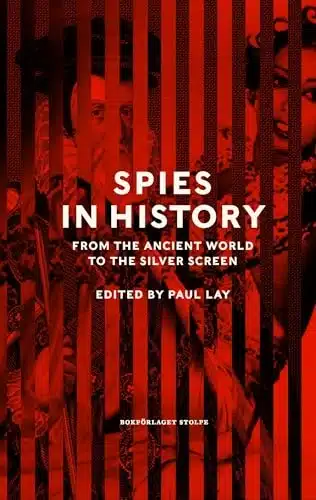
There is a bitter irony in Spies in History: From Antiquity to the Silver Screen, a book about espionage that manages to vanish completely from the reader’s memory. It promises to reveal historical secrets, but operates like a double agent: it steals your time and leaves behind no trace.
The problem is not a lack of material—quite the opposite. Rahab, Noël Coward, Elizabethan cryptography, the Cold War, all of this should be enough to carry a book like this with ease. But this book does the worst possible thing with its material: it drains it dry. It takes a world of secrets, betrayals, fear, deception, and power games, and turns it into something bland, dry, and hard to digest.
The failure begins with the structure. When a book like this is built as a chain of portraits, each chapter has to justify not only itself but the existence of the book as a whole. Here, that does not happen. The figures come and go, the periods change, but nothing accumulates. There is no line, no momentum, no idea strong enough to force the reader forward. What you get is an album, not a book, the kind you flip through and forget immediately.
The chapter on Rahab exposes the problem from the opening pages. It is far longer than the material can actually justify. This is not depth. It is padding. Instead of opening the book with precision and force, it sinks at once into excess. It is a bad opening because it immediately makes clear that the book does not know how to choose, cut, or stop.
This is also the chronic weakness of edited collections of this kind. They look impressive on the shelf, but they do not hold together from within—many names, many periods, many contributors, many countries. From the outside, it looks rich. Inside, it is scattered. There is no single voice holding it together, no conceptual movement, no editorial hand willing to delete. And without that hand, even an intriguing figure like Thomas Phelippes or Noël Coward passes by the ear like a dry intelligence report. The book does not build these figures. It merely presents them. That is the difference between writing and cataloging.
I do not see the fact that I remember almost nothing from this book as my failure, but as its own. The mind knows how to detect when a text is actually revealing something, and when it is merely arranging material on a shelf and pretending that this amounts to insight. In this case, forgetting is not a flaw. It is a healthy reaction—a defense mechanism.
These spies are better left in the archive. There, at least, silence might work in their favor.
לגלות עוד מהאתר Sivi's Books
Subscribe to get the latest posts sent to your email.