
הערות שוליים בעקבות White Noise מאת דון דלילו
For English review, please scroll down.
יש שבועות שבהם אי אפשר לקרוא. העיניים עוברות על השורות, אבל הנפש נשארת דרוכה, כמו חיה שמחכה למכה הבאה. אזעקות, נפילות, ממ״ד, מקלט, מסכים, כותרות, פרשנים, הודעות, מספרים, הערכות, הסתברויות. יותר מדי מידע, פחות מדי אמת.
בתוך ההצפה הזאת הבנתי שדלילו כתב על תרבות שמטביעה פחד ברעש, כדי שלא נישאר לבד איתו.
רעש לבן איננו ספר על אירוע אחד. הוא ספר על מצב תודעה. על עולם שבו בני אדם מוקפים בנתונים, הסברים ושפה טכנית, עד שהשפה מפסיקה לעזור לחשוב ומתחילה לעזור לא להרגיש. הרעש איננו רעש רקע שמפריע למציאות. הוא נהיה המסך שעליו המציאות מוקרנת, עד שהמסך מחליף אותה. הוא עוטף את הפחד, מרכך אותו, מעוות אותו, ובעיקר מונע ממנו לקבל צורה אנושית. פחד עם צורה דורש אחריות.
וזה מה שאני רואה עכשיו. אימה, והמפעל שממהר להפוך אותה לנסבלת. בכל פעם שהחיים קורסים, מיד יש מערכת שמסדרת אותם. טבלאות, גרפים, "מומחים", תחזיות. מספרים שנשמעים מוצקים יותר מן המציאות עצמה. כאילו אם ננסח אסון בשפה סטטיסטית, הוא יתנהג יפה. כאילו נוסחה היא מוסר.
המספרים האלה הם לא ודאות. הם צורה. אני לא אומרת שזה רע. לפעמים זו הדרך היחידה לא להתפרק באמצע היום. אבל כשהמספרים הופכים לתירוץ להסבת מבט, הסטטיסטיקה הופכת למזרק הרדמה. זה לא ידע נקי. זו פאניקה עם עניבה.
דווקא השבוע באמצע הכאוס, מצאתי את עצמי יושבת שעתיים בוובינר על SMART. דשבורד. סדר. מבנה. ובאופן מביך זה הקל לרגע. היה שם מבנה. משהו התחיל, התקדם, נגמר. היו שלבים. הייתה שיטה. זה הספיק כדי לתת לכמה דקות תחושה שהכאוס עומד בשורה. וזה כמעט מגוחך להודות בזה. כמה שקפים מסודרים, שלבים ברורים, וסוף ידוע מראש, זה כל מה שצריך כדי לייצר לרגע תחושה של שליטה.
ככה זה עובד. אדם לא נאחז בשפה טכנית מתוך אהבת ידע. לפעמים הוא נאחז בה כמו טובע בקש. ההסבר לא מבטל את האימה, אבל הוא מקטין אותה למשקל שאפשר לשאת לכמה דקות. הוא נותן לפחד שם, קטגוריה, דירוג. הפחד לא נעלם. הוא פשוט נראה מסודר יותר.
הרעש מייצר צורך באלחוש. כשחיים לאורך זמן בחרדה, אי אפשר להישאר רק מפוחדים. מחפשים מפלט. לפעמים זו התמכרות לכדור, למשקה, לחומר. לפעמים זו התמכרות שהחברה מקבלת בחיוך: גלילה אינסופית בסמארטפון, העדכון הבא, הרעש עצמו. כל דבר עדיף על רגע אחד שבו אין על מה להסתכל, ואז נשארת רק הידיעה.
לפעמים התמכרות היא שם מכובס לעייפות של מערכת העצבים. חיים בדריכות, ואז מחפשים הרדמה. זה לא כשל אופי בלבד. זה גם גבול. הגוף לא מכונה, והוא לא יכול להיות במתח רצוף בלי להישבר. התשישות איננה פטור; היא הופכת ערנות למאמץ. ואז כל שיכוך נראה כמו פתרון.
והרעש הזה שוחק גם את המוסר. כשכל דבר מוצג כחירום, כשהכול עטוף במילים כמו "ביטחון", "ניהול", "הכרח", "יציבות", הגבולות נמסים. דברים שפעם היו מעוררים זעזוע מוצגים פתאום כמהלך סביר, ככורח מציאותי, כאילוץ אסטרטגי. אנחנו עייפים מדי כדי לשאול בקול את השאלה היחידה שחשובה: מה קרה לנו שאנחנו מוכנים לקבל את זה.
הספר אכזרי כי הוא לא מטיף. הוא מראה איך חברה לומדת לחיות באלחוש. עודף מידע לא מייצר תבונה. הוא מחליף אותה. השפה, שאמורה לעזור לחשוב, משמשת חיץ. אנשים נאחזים במכניקה ובנתונים, כי בלי המסך הזה יישארו חשופים לגמרי למה שקורה.
וזו הסיבה שהספר הזה מכה בי עכשיו. המילה "רלוונטי" קטנה עליו, והיא גם שחוקה מדי. דלילו מבין משהו בסיסי על חיים בתוך מציאות פצועה. רעש הוא לא צליל. הוא משטר של תודעה. הוא הדרך שבה חברה שלמה מחזיקה את עצמה פעילה, מבוהלת, מותשת, ומנותקת מספיק כדי לא לשאול שאלות גדולות מדי. ציבור מותש לא חושב. הוא מגיב. וזה כל ההבדל בין אזרחים לבין צופים.
מה שנשאר בסוף הוא מה שכל זה עושה לנו. האימה קשה דיה, והיא לא הסוף. בסוף זה כבר הסיפור של ההרגל: איך הוא נוצר, איך הוא מתקבע. איך אנחנו מתרגלים למציאות החדשה. איך אנחנו נאחזים בצורה כאילו היא מספיקה. איך אנחנו מחפשים שיכוך. איך אנחנו מתחילים לקרוא לחוסר אונים "ניהול".
דלילו לא מציע נחמה. טוב שכך. נחמה כאן הייתה זולה מדי. הוא מציע אבחנה חדה יותר: כשחיים בתוך רעש קבוע, שוכחים לזהות את הרגע שבו נחצה קו.
וזה כבר לא רעש לבן. זה רעש אדום. הוא לא מסתיר את הפחד. הוא מסתיר את הרגע שבו הפחד עצמו מתחיל להיראות לנו טבעי.
White Noise/ Don DeLillo
הוצאת כתר, 1985, 324 עמ'
דירוג SIVI –
איכות אודיו –
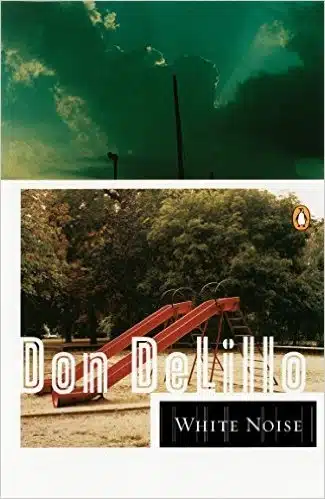
Side Notes on White Noise, Red Reality
There are weeks when reading becomes impossible. Your eyes move across the lines, but your mind stays braced, like an animal waiting for the next blow. Sirens. Impacts. Safe room. Shelter. Screens. Headlines. Commentators. Messages. Numbers. Estimates. Probabilities. Too much information, too little truth.
Inside that flood, I understood that DeLillo wrote about a culture that drowns fear in noise so we won’t be left alone with it.
White Noise is not a book about one event. It is a book about a state of mind. About a world where people are surrounded by data, explanations, and technical language until language stops helping us think and starts helping us not feel. The noise is not background interference. It becomes the screen onto which reality is projected, until the screen replaces it. It wraps fear, softens it, distorts it, and most of all prevents it from taking a human shape. Fear with a shape demands responsibility.
And that is what I’m watching now. Terror, and the factory that rushes to make it bearable. Every time life collapses, a system immediately appears to organize it. Tables. Charts. “Experts.” Forecasts. Numbers that sound more solid than reality itself. As if turning disaster into statistical language will make it behave. As if a formula is morality.
Those numbers are not certain. They are from. I’m not saying that’s inherently bad. Sometimes it’s the only way not to fall apart in the middle of the day. But when numbers become an excuse to look away, statistics turn into an anesthetic injection. This is not clean knowledge. It is panic in a tie.
This week, amid the chaos, I found myself sitting through a two-hour webinar on SMART. A dashboard. Order. Structure. And embarrassingly, it helped for a moment. There was a framework. Something started, progressed, and ended. There were stages. There was a method. It was enough to create, for a few minutes, the feeling that chaos could stand in line. And it’s almost ridiculous to admit it. A few neatly arranged slides, clear steps, a known ending, that’s all it takes to manufacture a momentary sense of control.
That’s how it works. People don’t cling to technical language out of a love of knowledge. Sometimes they cling to it like a drowning person clings to a reed. Explanation doesn’t cancel terror, but it reduces it to a weight you can carry for a few minutes. It gives fear a name, a category, a ranking. Fear doesn’t disappear. It just looks more organized.
Noise creates a need for numbing. When you live in anxiety for a long time, you can’t remain only afraid. You look for an escape. Sometimes it’s an addiction to a pill, a drink, a substance. Sometimes it’s an addiction society smiles at: endless scrolling on a smartphone, the next update, the noise itself. Anything is better than one moment with nothing to look at, because then only the knowledge remains.
Sometimes addiction is a polite name for nervous-system exhaustion. You live on high alert, then you look for sedation. It’s not only a moral failure. It’s also a limit. The body is not a machine, and it cannot stay in continuous tension without breaking. Exhaustion is not an excuse; it turns alertness into labor. And then any soothing feels like a solution.
And this noise erodes morality too. When everything is framed as an emergency, when everything is wrapped in words like “security,” “management,” “necessity,” “stability,” boundaries dissolve. Things that once would have shocked us are suddenly presented as reasonable, as a realistic constraint, as a strategic necessity. We are too tired to ask out loud the only question that matters: what happened to us that we are willing to accept this?
The book is cruel because it doesn’t preach. It shows how a society learns to live numb. An excess of information doesn’t create wisdom. It replaces it. Language, which is supposed to help us think, becomes a barrier. People cling to mechanics and data because, without that screen, they would be completely exposed to what is happening.
That is why this book hits me now. The word “relevant” is too small for it, and too worn out anyway. DeLillo understands something basic about living inside a wounded reality. Noise is not a sound. It is a regime of consciousness. It is the way an entire society keeps itself active, frightened, exhausted, and detached enough not to ask questions that are too big. An exhausted public doesn’t think. It reacts. And that is the whole difference between citizens and spectators.
What remains at the end is what all of this does to us. Terror is hard enough, and it isn’t the end. In the end, the story is habit: how it forms, how it hardens. How do we get used to the new reality? How we cling to form as if it were enough. How do we search for soothing? How we begin to call helplessness “management.”
DeLillo offers no comfort. Good. Comfort here would be too cheap. He offers a sharper diagnosis: when you live inside constant noise, you forget to recognize the moment when a line is crossed.
And this is no longer white noise. This is red noise. It doesn’t hide fear. It hides the moment when fear itself starts to look natural to us.
לגלות עוד מהאתר Sivi's Books
Subscribe to get the latest posts sent to your email.
תודה על הסקירה ועל התובנות החכמות והעצובות
תודה מוטיאור נקווה לימים רגועים יותר התעייפתי