Please scroll down for an English review.
לא, אמילי, לא קוראים לזה חיים.
הספר של אמילי מואטי, "קוראים לזה חיים", הוא מהספרים שמתנפלים על הקורא כבר בפרק הראשון. הוא מתחיל בספא, במגע שמחליק לאיום, באלימות שאין לה סימן על העור אבל יש לה תוצאה. רונה, גיבורת הספר, מגיעה לגיל ארבעים ונוחתת במחלקה פסיכיאטרית, לא בגלל מה שקרה בספא, אלא בגלל מה שהוא העיר בה. פגיעה מהילדות. כזו שהודחקה עמוק עד שנהייתה התשתית הנסתרת של חייה.
כאן נחשף ההבדל שבין "אירוע עלילתי" לבין הדבר שמנהל לרונה את החיים. מואטי משתמשת בפגיעה כיסוד מארגן, לא כקישוט. היא הופכת אותה למצפן. הפוגע הוא אביה של החברה הטובה. עכשיו הוא מת. כשהמודעה על הלוויה שלו ברקע, החיים של רונה נפרסים מחדש, בלי אפשרות לעריכה. הספר מראה איך חיים מתארגנים סביב דבר אחד שלא מתארגן.
ההתחלה של הספר היא שיעור בהיעדר רחמים. מואטי מתארת איך אישה מבוגרת הופכת שוב לילדה חסרת אונים. איך הספק העצמי משתק ברגע שהעולם מבקש "הוכחות". ואז נוחתת הפגיעה השנייה, הקטלנית לא פחות: לא מאמינים לה. הפגיעה אינה רגע בחיים. זה הדקדוק שבו הם נכתבו. כך רונה לומדת להסתכל על אנשים, להאמין, לחשוד, לבקש אהבה ולפחד ממנה באותה נשימה.
אבל כאן הספר מתחיל למצמץ.
ככל שהעלילה מתקדמת, הספר מסיט מבט. בהתחלה הוא במקום שבו אי אפשר לזייף: הגוף יודע והעולם מכחיש. אין סימנים חיצוניים, יש חור בנפש. אחר כך הוא מתעסק בעיקר במה שאחרי. הזנות, מערכות היחסים ההרסניות, הניסיון הנואש להיאחז באהבה. אותו גבר שהיא תולה בו תקווה, עוזבת בשבילו את הזנות, שופכת את החסכונות על סוויטה יוקרתית, ואז הוא נעלם בלי הסבר. הכול יכול להיות נכון. ובמצטבר, זה מרגיש כמו טבלת תוצאות.
כל זה רעש רקע. הפרטים האלה הם התירוץ שלנו להסתכל הצידה. "זנות", "יחסים הרסניים", "גבר שנעלם", ברגע שזה נכנס לטקסט, זה נהיה תוויות. ותוויות עושות דבר אחד: יוצרות מרחק. פתאום אפשר לחשוב, זה הסיפור שלה, לא שלי. והספר, במקום לשבור את הנוחות הזאת, משתף איתה פעולה.
רונה בורחת. הספר הופך את הבריחה לשיטה. הוא יודע לכתוב אימה חדה, ואז מפזר אותה לתחנות. "התפרק", הוא אומר, ומושך אותנו הלאה. הוא לא מכריח אותנו להישאר בתוך ההתפרקות, איפה שאין נחמה ואין יציאה אלגנטית.
ואז מגיע השם, "קוראים לזה חיים". לא כסמל, לא כפואטיקה, ככותרת. מילה שמנסה להכניס סדר במקום שאין בו סדר. לתת שם לדבר שלא מתיישב. ובעיקר, לנרמל את הסבל. וכאן הספר נסוג: הוא מתקרב אל ההשלמה, אל “ככה זה”, כאילו יש בזה חוכמה. ואני לא קונה את זה.
לחיים שנבנים על הדחקה, על בגידה, על פגיעה שמקבלת פגיעה שנייה כשלא מאמינים לה, לא קוראים חיים. קוראים לזה הישרדות בתוך הריסות, עם תחפושת של תפקוד. אם הספר היה מתעקש עד הסוף על המרירות, על הבוז למנגנון שמנרמל את הבלתי נסבל, הייתי הולכת איתו רחוק יותר. אבל כשהוא מרכך, הוא מחליש את הדבר שהיה הכי חזק בתחילה: החובה המוסרית לא לייפות את מה שאין לו פתרון יפה.
זה ספר שמכה ויודע למה. בתחילתו הוא מדויק, לא מתחנף ולא מחפש אפקט. לכן קשה לסלוח לו כשהוא מרכך את הסוף. לא בשביל רונה. בשביל הקורא. זה לא צדק. זו הקלה. ואני לא באתי להירגע.
קוראים לזה חיים/ אמילי מואטי
הוצאת עם עובד, 2025, 204 עמ'
דירוג SIVI –
איכות אודיו –
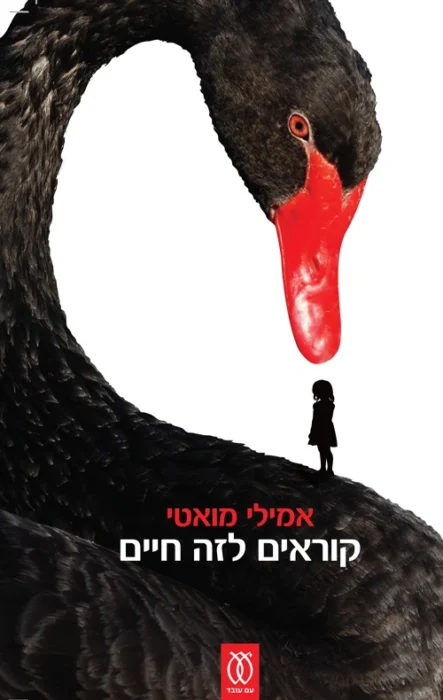
So Called Life/ Emillie Moatti
No, Emily, they don’t call it life.
Emily Moatti’s So Called Life is the kind of book that lunges at the reader from the first chapter. It opens at a spa, with a touch that slides into threat, with a violence that leaves no mark on skin but leaves consequences. Rona, the novel’s protagonist, turns forty and lands in a psychiatric ward, not because of what happened at the spa, but because of what it woke up in her. A childhood harm. The kind that was repressed so deeply it became the hidden infrastructure of her life.
That’s where the difference is exposed, between an “inciting incident” and the thing that actually runs Rona’s existence. Moatti uses the harm as an organizing principle, not as decoration. She turns it into a compass. The perpetrator is her best friend’s father. He is dead now. With his obituary and funeral hovering in the background, Rona’s life is unfolded again, with no possibility of editing. The book shows how a life can be arranged around one thing that refuses to be arranged.
The beginning is a lesson in the absence of mercy. Moatti describes how a grown woman becomes a helpless girl again. How self-doubt paralyzes her the moment the world demands “proof.” And then comes the second blow, just as lethal: they don’t believe her. The harm isn’t a moment in her life. It’s the grammar her life was written in. It’s how Rona learns to look at people, to trust, to suspect, to ask for love and fear it in the same breath.
But here the book starts to blink.
As the plot moves forward, it shifts its gaze. At first, it stays in the place where you can’t fake anything: the body knows, and the world denies. There are no external signs, but there’s a hole in the soul. Then the book turns to “what comes after.” Sex work, destructive relationships, the desperate attempt to cling to love. That man she pins her hope on, leaves sex work for, drains her savings on a luxurious suite for, and then he disappears without explanation. All of it can be true. And taken together, it starts to feel like a table of outcomes.
That’s background noise. Those details are our excuse to look away. “Sex work,” “destructive relationships,” “a man who vanished.” The moment it enters the text, it becomes a label. And labels do one thing: they create distance. Suddenly, you can think, this is her story, not mine. And the book, instead of shattering that comfort, cooperates with it.
Rona runs. The book turns running into a method. It knows how to write sharp terror, and then it disperses it into stations. “It fell apart,” it says, and pulls us onward. It doesn’t force us to stay inside the collapse, where there is no consolation and no elegant exit.
And then there’s the title, So Called Life. Not as a symbol, not as a poetics, as a headline. A phrase that tries to impose order where there is no order. To name something that won’t settle. And above all, to normalize suffering. And here the book retreats: it edges toward acceptance, toward “that’s how it is,” as if there’s wisdom in it. I don’t buy it.
A life built on repression, on betrayal, on harm that receives a second harm when no one believes you, is not called life. That’s survival inside ruins, dressed up as functioning. If the book had insisted to the end on bitterness, on contempt for the mechanism that normalizes the unendurable, I would have followed it farther. But when it softens, it weakens the strongest thing it had at the start: the moral obligation not to prettify what has no beautiful solution.
This is a book that strikes, and knows why. At its beginning, it is precise, unsparing, and not chasing effect. That’s why it’s hard to forgive it when it softens the ending. Not for Rona. For the reader. That isn’t justice. It’s a relief. And I didn’t come here to relax.
לגלות עוד מהאתר Sivi's Books
Subscribe to get the latest posts sent to your email.
חבל שזה ככה… ולא ידעתי שאמילי מואטי גם כתבה ספרים
כן מסתבר שיש לה עוד ספר, אבל לא קראתי אותו