
For English review, please scroll down.
הנובלה פחד נפתחת ברגע אחד של ירידה במדרגות: אירנה, אשת בורגנות וינאית, נשואה ואם לילדים, יוצאת מדירת המאהב שלה ומגלה שבתוך כמה פסיעות כל עולמה קורס. זו אחת המיומנויות הגדולות של שטפן צוויג, לקחת סיטואציה כמעט קטנה, כמעט יומיומית, ולהראות איך הנפש יודעת להפוך אותה למנגנון עינויים משוכלל.
יש קו ישיר שעובר בין הספה של פרויד לבין המדרגות של אירנה. פחד, שנכתבה ב-1913 ופורסמה ב-1920, צומחת מתוך עולם וינאי שבו אשמה, דחף והדחקה חדלו להיות עניינים פרטיים והפכו לשפת התקופה. צוויג, שהיה מיודד עם פרויד והושפע עמוקות מתורתו, לא נזקק למערכת מושגים סדורה כדי להראות איך הנפש פועלת; הוא פשוט לקח את הקונפליקט הנפשי והפך אותו למנוע העלילתי של הנובלה, כשהפחד עצמו תופס את מרכז הבמה ככוח חי ונושם.
על הנייר, פחד יכולה להיות עוד מלודרמה שגרתית על בגידה, מאהב וסחטנית מאיימת. אבל צוויג מסיט את המבט מהדרמה החיצונית אל מה שקורה לאירנה מבפנים. הסיפור האמיתי הוא לא האיום בחשיפה, אלא הדרך שבה אירנה מתפרקת עוד לפני שהמילה הראשונה נאמרה. האימה כאן היא יציר כפיו של הדמיון; אירנה לא נלכדת ברשת של סחטנית, אלא בתוך המבוך של התודעה שלה. הקריאה בנובלה הזו היא לא צפייה מהצד, היא כניסה ישירה אל תוך מערכת העצבים של הגיבורה.
אני לא תמיד אוהבת את סגנון הכתיבה של צוויג, אבל קשה להכחיש את הכישרון שלו לתפוס את הרגע שבו הנפש מפנה נגד עצמה את כל כוחה.
הבחירה של צוויג באישה בוגדת כגיבורה אינה מקרית, והיא בוודאי אינה המצאה שלו. הספרות האירופית בנתה קתדרלות שלמות על כתפיהן של נשים שחצו את הגבול המוסרי, מאנה קרנינה ועד אמה בובארי. נשים בוגדות הן כר פורה לדמיון הספרותי משום שהן נושאות על גבן הרבה יותר מאשר חטא אישי; הן מסמנות את קריסת הסדר החברתי כולו.
בעוד שגבר בוגד יכול להיחשב חלש, נלעג או סתם נהנתן, האישה הבוגדת נתפסת תמיד כאיום על יסודות המבנה החברתי: הנישואים, האימהות, המעמד. אצל צוויג, המנגנון הזה הופך אכזרי במיוחד: אירנה היא לא פאם פאטאל טרגית וגדולה מהחיים. היא בוגדת מתוך שעמום, מתוך ריק, מתוך עודפות של נוחות. ודווקא המניע הקטן הזה הוא שמקנה לנובלה את כוחה המר.
בעולם שקדם לשחרור האישה, הבגידה הנשית אינה רק מעשה פרטי אלא סכנה חברתית. אירנה איננה מפחדת רק מן הבעל או מן האמת. היא מפחדת מן הנפילה במדרג, מן ההשפלה, מן הרגע שבו החברה תקלף ממנה את המהוגנות ותשאיר אותה חשופה. צוויג, בן התרבות הבורגנית של וינה, הכיר היטב את הפער בין החזית המלוטשת לבין הלחצים, ההדחקות והצביעות שמתחתיה. הכבוד החברתי, כך הוא מראה, הוא מעטה דק מאוד מעל סערה פנימית.
כאן בדיוק טמון כוחו של פחד: צוויג בונה אבחון פסיכולוגי שהוא בו זמנית גם מלכודת עלילתית. ככל שאירנה מנסה להיחלץ, היא רק מסתבכת עמוק יותר בתוך פרשנויות, תירוצים והסתתרות. כל תנועה שלה, שנדמית כניסיון הצלה, היא למעשה עוד סיבוב של הבורג. הכתיבה שלו משנה את קצב הנשימה ואת תחושת הזמן, ומייצרת לחץ שלא מרפה עד השורה האחרונה.
הנובלה הזו מוכיחה שצוויג הוא אמן של חרדה ושל האופן שבו בני אדם ממיטים חורבן על עצמם בלי לזוז כמעט מהסלון. דרך אישה אחת הוא חושף תרבות שלמה, כזו שיודעת לדבר על מוסר בנימוס רב, אבל מתעניינת הרבה יותר בענישה ובשליטה. פרויד אולי היה הופך את זה למקרה בוחן, אבל צוויג הופך את זה לספרות. לפעמים, זה כל ההבדל בין אבחנה לבין פצע.
פחד / שטפן צוויג
הוצאת תשע נשמות, 2017, 88 עמודים
דירוג SIVI –
איכות אודיו –
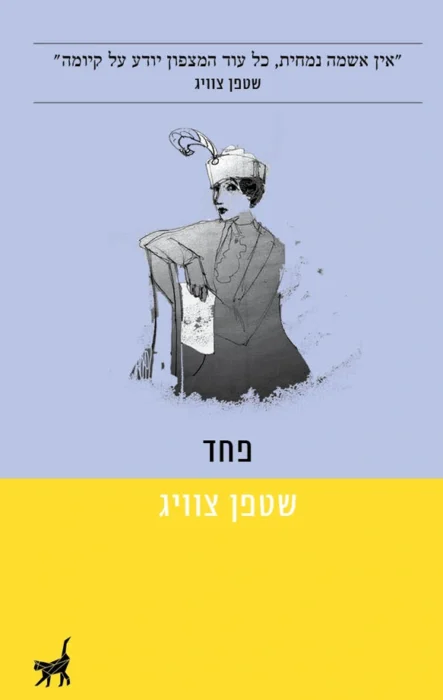
Fear / Stefan Zweig
Fear opens with a single moment of descent down a staircase: Irene, a bourgeois Viennese wife and mother, leaves her lover’s apartment and discovers that within a few steps her entire world has begun to collapse. This is one of Stefan Zweig’s great skills, taking an almost small, almost ordinary situation, and showing how the mind can turn it into an elaborate instrument of torture.
There is a direct line running from Freud’s couch to Irene’s staircase. Written in 1913 and published in 1920, Fear grows out of a Viennese world in which guilt, desire, and repression had ceased to be private matters and had become the language of the age. Zweig, who was acquainted with Freud and deeply influenced by his ideas, does not need a formal conceptual system to show how the mind works. He takes inner conflict and turns it into the driving force of the novella, with Fear itself stepping onto center stage as a living, breathing power.
On paper, Fear could have been just another conventional melodrama about adultery, a lover, and a threatening blackmailer. But Zweig shifts the focus from external drama to what happens inside Irene. The real story is not the threat of exposure, but the way Irene begins to fall apart before the first word is even spoken. The terror here is the product of imagination. Irene is not caught in the trap of a blackmailer, but inside the labyrinth of her own consciousness. Reading this novella is not a matter of watching from the outside. It is a direct entry into the heroine’s nervous system.
I do not always love Zweig’s prose style, but it is hard to deny his talent for capturing the moment when the mind turns all its force against itself.
Zweig’s choice of an adulterous woman as his heroine is not accidental, nor is it his invention. European literature built entire cathedrals on the shoulders of women who crossed the moral boundary, from Anna Karenina to Emma Bovary. Adulterous women are fertile ground for literary imagination because they carry far more than a personal sin. They signal the collapse of the whole social order.
Whereas an adulterous man may be seen as weak, ridiculous, or simply pleasure-seeking, the adulterous woman is always treated as a threat to the foundations of the social structure: marriage, motherhood, and status. In Zweig’s hands, this mechanism becomes especially cruel. Irene is not a tragic femme fatale, grander than life. She cheats out of boredom, out of emptiness, out of an excess of comfort. And it is precisely this small motive that gives the novella its bitter force.
In the world before women’s liberation, female adultery was not merely a private act but a social danger. Irene is not afraid only of her husband or of the truth. She is afraid of falling in rank, of humiliation, of the moment when society will strip her of respectability and leave her exposed. Zweig, a son of bourgeois Vienna, knew very well the gap between the polished façade and the pressures, repressions, and hypocrisies underneath it. Social respectability, he shows, is a very thin covering over inner turmoil.
This is exactly where the power of Fear lies. Zweig builds a psychological diagnosis that is, at the same time, a narrative trap. The more Irene tries to escape, the deeper she becomes entangled in interpretations, excuses, and concealment. Every movement that seems like a rescue attempt is in fact another turn of the screw. His writing changes the rhythm of breath and the sensation of time, creating a pressure that does not let go until the final line.
This novella proves that Zweig is a master of anxiety and of how human beings bring ruin upon themselves while hardly moving beyond the living room. Through one woman, he exposes an entire culture, one that knows how to speak politely about morality while taking a much greater interest in punishment and control. Freud might have turned this into a case study. Zweig turns it into literature. Sometimes, that is the whole difference between a diagnosis and a wound.
לגלות עוד מהאתר Sivi's Books
Subscribe to get the latest posts sent to your email.