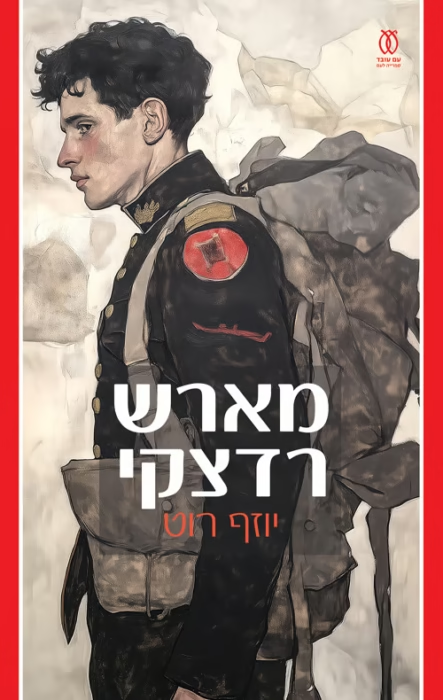
התחלתי את "מארש רדצקי" של יוזף רות מתוך ציפייה שהוא יהיה דומה במשהו לספרות הגדולה בשפה הגרמנית. משהו בין "בית בודנברוק" של תומאס מאן ל"אפי בריסט" של תיאודור פונטנה. שושלת, חברה, דעיכה, עולם אירופי ישן שקורס אל תוך עצמו כמו כוכב גוסס. במידה מסוימת זה אכן הספר שקיבלתי. במידה אחרת, ממש לא.
היו בו פרקים מבריקים. היו בו רגעים של קומדיה שחורה שהצחיקו אותי בקול. והיו גם חלקים ששעממו אותי. ממש. לא "קריאה איטית", לא "דורש סבלנות". שעמום מוחץ. הספר לא העניק לי את העונג שחוויתי בקריאת "בית בודנברוק", וגם לא את הדיוק הפסיכולוגי של "אפי בריסט".
ואז הגיע החלק השלישי, ויוזף רות חיסל אותי.
מה שצריך לדעת
שלושה דורות במשפחת טרוטה חיים בצלו של מעשה גבורה שהפך למיתוס, במקביל לדעיכתה של האימפריה האוסטרו-הונגרית.
למי שאוהבים קלאסיקה אירופית, סאגות משפחתיות, היסטוריה, יחסי אבות ובנים וספרים על עולמות שנמצאים רגע לפני קריסה.
החלק השלישי, היחסים בין האב לבן, הקיסר המזדקן והאופן שבו המיתוס המשפחתי והמוזיקה מלווים את קריסת העולם הישן.
חלקים מן הספר היו עבורי איטיים עד שעמום, והעוצמה של הסיום לא מוחקת את חוויית הקריאה הלא אחידה בדרך אליו.
"מארש רדצקי" מספר על שלושה דורות במשפחת טרוטה, שושלת שמתחילה במקרה. בקרב סולפרינו, יוזף טרוטה, קצין זוטר ממוצא סלובני, מבחין שהקיסר פרנץ יוזף עומד בסכנה, מפיל אותו ארצה ומציל את חייו. כדור פוגע בטרוטה עצמו ומרסק את עצם הבריח שלו. הוא שורד, מקבל דרגה, עיטור ותואר אצולה, והאירוע הופך למיתוס.
רק שהמיתוס גדול בהרבה מהאדם ומהמציאות.
כבר בראשית הספר מתברר שהמדינה אינה מסתפקת במעשה כפי שהיה. בספר הלימוד טרוטה דוהר על סוס בין האויבים, גיבור כמו שגיבור צריך להיראות. טרוטה, שאינו מבין איך מדינות בונות לעצמן גיבורים, מתקומם ומוחה. הקיסר מסביר לו, פחות או יותר, שכדאי לסמוך על מי שמטפל בעניינים האלה. הסב טרוטה פורש בעוגמת נפש מן הצבא, אבל המיתוס נשאר חי ובועט.
מכאן מתחילה שושלת של אנשים שמעולם לא התאימו באמת לגודל הסיפור שסופר עליהם.
הבן, פרנץ פון טרוטה, נעשה שר מחוז. הוא איש של סדר וטקס. עולמו כמעט מתמוטט כשמשרתו ז'אק חולה. הדואר אינו מונח במקומו. ארוחת הבוקר אינה מוגשת כפי שהוגשה תמיד. לרגע הוא אפילו ניגש לחלון לבדוק אם העולם שבחוץ עדיין עומד על מכונו. זה משעשע עד דמעות, עד שהדמעות נעשות אמיתיות. ז׳אק, שבדרכו האחרונה עוד מתעקש לסחוב למעלה את דיוקנו של גיבור סולפרינו, מת על ספסל בחצר, ושר המחוז כורע לצד מיטתו ומתפלל, בפעם הראשונה מזה שנים.
פתאום הבנתי שהטקסים המגוחכים שלו הם הדרך היחידה שבה האיש הזה מתקשר עם בני אדם. הוא אינו יודע לומר שהוא אוהב. הוא בהחלט יודע מה צריך להיות בארוחת הבוקר. הוא אינו יודע לדבר על פחד. הוא יודע באיזו שעה מגיע הדואר. כשהסדר משתבש, משהו בו מתערער, והרגש שהיה קבור כל השנים מתחת לטקס מציץ החוצה.
אותו ניכור עובר בירושה.
היחסים בין האב לבנו בנויים על מכתבים מחזוריים, בנוסחאות קבועות ובמילים שחוזרות על עצמן, כמו שהסב כתב פעם לאביו, אחת לשבועיים, לאור נר בחדר המשמר. קארל יוזף מתגעגע לאביו, אבל אינו מסוגל לגשר על הפער שיוצרים הטקסיות והריחוק. בשלב מסוים הוא כבר מפסיק לפתוח את מכתביו, והם שוכבים סגורים על אדן החלון. גם כשהוא חושב על הבית, הוא מבין שהאב כבר אינו בית. יש אהבה במשפחה הזאת. הרבה אהבה. רק שהשפה שלה דמומה.
קארל יוזף נשלח לצבא. לא מפני שזהו חלומו, אלא מפני שהדרך כבר הותוותה לפני שנולד. הוא הנכד של גיבור סולפרינו. מבחינת אביו, ומבחינת העולם שסביבו, אין לו חיים אחרים שאינם המשך של אותו אירוע מקרי.
וזה, בעיניי, הדבר האכזרי ביותר שרות עושה בספר.
משפחת טרוטה מעולם לא הייתה משפחת גיבורים. היא הייתה משפחה של אנשים רגילים שאירוע מקרי הפך אותם לשושלת.
הסב ניצל במקרה. הקיסר ניצל במקרה. המדינה לקחה את המקרה הזה, עטפה אותו בדרגות, עיטורים, דיוקנאות וסיפורים, והעניקה לו משמעות גדולה בהרבה ממה שהיה בו. מכאן ואילך כל בני המשפחה חיים במשמעות שאינם מסוגלים לשאת.
קארל יוזף משלם את המחיר המלא של אותה אקראיות.
הוא מנסה לברוח מגורלו. בנסיעות החשאיות לווינה הוא לובש חליפה אזרחית אפורה ומרגיש לרגע אדם חופשי, וכשהנסיעות נגמרות, החליפה תלויה בארון כמו גופה. אבל הוא אינו יודע לנהל כסף, אינו מצליח להחליט אם לעזוב את הצבא גם כשהוא רוצה, ואינו יודע כיצד לחיות מחוץ למסגרת שנבחרה עבורו. הוא מסתבך עם נשים, בחובות, באלכוהול, בהימורים, ובכל פעם כמעט ממתין שמישהו אחר יחלץ אותו מן החיים שהוא עצמו אינו מצליח לנהל.
השפל מגיע עם החובות, שמובילים לקריסה מוחלטת. ומה שמחלץ אותו הוא דווקא אותו מיתוס של סולפרינו שממנו הוא מנסה לברוח.
לקראת סוף הספר רות עושה מהלך מבריק. האב, האיש שכל חייו היה התגלמות הפרוטוקול, יוצא להציל את בנו. הוא מבקש כסף. משפיל את עצמו. נוסע לווינה. עובר בין פקידים. מנסה לפרוץ את כללי הטקס שהוא עצמו קידש.
ולבסוף הוא מגיע אל הקיסר.
הסב הציל את הקיסר. עכשיו הקיסר נדרש להציל את הנכד.
אלא שגם הקיסר כבר איננו האיש שהיה. שני הזקנים עומדים זה מול זה כמו אחים, כמעט כמו בבואה, והקיסר שכחן, מתקשה להבחין בין שלושת הדורות של משפחת טרוטה. "הוא כמעט הציל את חיי", הוא אומר על הנכד, "או שזה היית אתה?"
האב מציל את כבוד שם המשפחה. רות כבר סיפר לנו, בתחילת אותו פרק, שבעיני אב מסוגו, מות בנו היחיד היה מזעזע אותו פחות מחרפה.
⚠️ מכאן ספוילרים לסוף הספר.
אחרי הכישלון הקולוסלי וההצלה הבלתי צפויה, מגיע הלילה שבו נודע שיורש העצר נרצח בסרייבו, וקארל יוזף סוף־סוף עוזב את הצבא. הוא חוזר לבית אביו, ושם, בשקט, על ספסל בפארק העירוני, אביו מגלה לו שמי שהציל את שמם מבושה הוא הקיסר. ומוסיף: לא עוד מילה על זה. קארל יוזף משחיל את ידו מתחת לזרועו של אביו, וכך הם חוזרים הביתה.
זהו אחד מרגעי הקירבה המפעימים ביותר בספר.
קארל יוזף חי כמעט כמו איכר באחוזה של חויניצקי, קרוב לאדמה שממנה באו אבות אבותיו, ולרגע נדמה שהוא ניצח את הגורל. ואז פורצת המלחמה, והוא מגויס מחדש.
בנסיגה, כשחייליו צמאים, הוא הולך אל באר להביא להם מים, ונורה. כך נגמרת המורשת של בית טרוטה: בלי חרב, בלי הסתערות, בלי שום דבר שספר לימוד יוכל להפוך לאגדה. עם שני דליי מים בידיים.
הסב הציל אדם אחד במקרה ונעשה אגדה. הנכד ניסה להביא מים לחייליו ונעשה גופה. השושלת שנולדה מהצלה מקרית נגמרת במוות מקרי.
והאב, שהציל את כבוד המשפחה, נשאר עם הכבוד בלבד. פרנץ יוזף מת ב־1916, והאב מת ביום שבו קוברים את הקיסר, כמו בבואה שאין לה עוד מול מה לעמוד. בפרק האחרון נאמר עליהם ששניהם לא יכלו לשרוד את אוסטריה.
זה הכול.
כמעט 400 עמודים של שושלת, קיסר, צבא, כבוד, נשים, חובות, מכתבים, משרתים, דיוקנאות, תארים, טקסים ומארשים, ובסוף מתברר שהכול נשען מלכתחילה על רגע מקרי אחד. אנשים רגילים שקיבלו מעטפת גדולה, נשארו אנשים רגילים, ונכחדו באופן רגיל.
ונשאר רק השם.
הכרתי את המנגינה של מארש רדצקי הרבה לפני שקראתי את הספר. כולם מכירים אותה. יוהאן שטראוס האב כתב אותה ב־1848 לכבוד ניצחון צבאי אוסטרי, ומאז היא נעשתה פסקול של האימפריה: קצבית, עליזה, מלאת חיים. עד היום מוחאים לה כפיים בקונצרט השנה החדשה בווינה. אבל עד שהאזנתי לה שוב, באמצע הקריאה, לא קישרתי בינה לבין שם הספר.
וכשקישרתי, כמעט התפלצתי.
בספר, התזמורת הצבאית של העיר מנגנת אותה בכל יום ראשון מתחת לחלונו של שר המחוז. פעם בשבוע, בימי ראשון, יש אוסטריה. המארש מלווה עולם שבו אנשים מתים בגלל מלחמות, דו-קרבות, קודים של כבוד, ציות, טיפשות ואקראיות. המוזיקה ממשיכה לחגוג בזמן שהגופות מצטברות. היא אינה מוזיקת קינה על עולם גוסס. היא המוזיקה של העולם הגוסס עצמו, שעדיין משוכנע שהוא צועד בסך.
ובלילה שבו מגיעה הידיעה מסרייבו, רות עושה את ההפך. בנשף של הקצינים, שתי תזמורות מנגנות את מארש האבל של שופן. הנגנים שיכורים, הקצב מואץ, הצעידה הופכת לריקוד, אנשים מתחילים לקפץ, והמשולש מצלצל בעליזות בין התיפופים. מוזיקה של מוות שהופכת לחגיגה.
שני מארשים, שני צדדים של אותו עולם. עולם שחוגג בזמן שהוא מת, ועולם שרוקד בהלוויה של עצמו.
אחרי שסגרתי את הספר, שמעתי שוב את מארש רדצקי. הוא כבר לא נשמע לי עליז.
The Radetzky March / Joseph Roth
I began "The Radetzky March" by Joseph Roth expecting it to resemble, in some way, the great literature written in German. Something between Thomas Mann's "Buddenbrooks" and Theodor Fontane's "Effi Briest". A dynasty, a society, decline, an old European world collapsing into itself like a dying star. To some extent, that is exactly the book I got. In another sense, not at all.
There were brilliant chapters. There were moments of black comedy that made me laugh aloud. And there were also sections that bored me. Really bored me. Not "slow reading", not "requires patience". Crushing boredom. The novel did not give me the pleasure I experienced reading "Buddenbrooks", nor the psychological precision of "Effi Briest".
Then Part Three arrived, and Joseph Roth destroyed me.
"The Radetzky March" tells the story of three generations of the Trotta family, a dynasty that begins by accident. At the Battle of Solferino, Joseph Trotta, a junior officer of Slovenian origin, notices that Emperor Franz Joseph is in danger, knocks him to the ground and saves his life. A bullet hits Trotta and shatters his collarbone. He survives, receives promotion, a decoration and a title of nobility, and the event becomes a myth.
Except that the myth is much larger than either the man or reality.
At the very beginning of the novel, it becomes clear that the state is not satisfied with the event as it actually happened. In a school textbook, Trotta gallops on horseback through the enemy, a hero looking exactly as a hero is supposed to look. Trotta, who does not understand how states manufacture their heroes, protests. The Emperor explains, more or less, that he should trust the people who take care of such matters. The elder Trotta leaves the army in bitterness, but the myth remains very much alive.
And so begins a dynasty of people who never truly fit the scale of the story told about them.
His son, Franz von Trotta, becomes a district commissioner. He is a man of order and ritual. His world almost collapses when his servant Jacques becomes ill. The mail is not placed where it belongs. Breakfast is not served as it has always been served. For a moment he even walks to the window to check whether the world outside is still standing. It is laugh-out-loud funny, until the tears become real. Jacques, who on his final journey still insists on carrying upstairs the portrait of the Hero of Solferino, dies on a bench in the courtyard, and the district commissioner kneels beside his bed and prays for the first time in years.
Suddenly I understood that his ridiculous rituals are the only way this man knows how to communicate with other human beings. He does not know how to say that he loves someone. He certainly knows what should be served at breakfast. He does not know how to talk about fear. He knows what time the mail arrives. When the order breaks down, something inside him begins to shake, and the emotion that has been buried beneath ritual for years briefly appears.
The same estrangement is inherited.
The relationship between father and son is built from regular letters, fixed formulas and repeated phrases, just as the grandfather once wrote to his own father every two weeks by candlelight in the guardroom. Carl Joseph misses his father, but he cannot bridge the distance created by ceremony and reserve. At one point he stops opening his father's letters altogether, and they lie sealed on the windowsill. Even when he thinks of home, he understands that his father is no longer home. There is love in this family. A great deal of love. Its language is simply mute.
Carl Joseph is sent into the army. Not because it is his dream, but because the path was laid out before he was born. He is the grandson of the Hero of Solferino. In his father's eyes, and in the eyes of the world around him, no other life exists for him except as a continuation of that accidental event.
And this, to me, is the cruelest thing Roth does in the novel.
The Trottas were never a family of heroes. They were a family of ordinary people whom an accidental event turned into a dynasty.
The grandfather survived by chance. The Emperor survived by chance. The state took that accident, wrapped it in ranks, decorations, portraits and stories, and gave it a meaning far greater than it ever possessed. From that moment on, every member of the family is forced to live inside a significance he cannot bear.
Carl Joseph pays the full price of that accident.
He tries to escape his fate. On his secret trips to Vienna, he wears a gray civilian suit and briefly feels like a free man. When the trips end, the suit hangs in the wardrobe like a corpse. But he does not know how to manage money, cannot decide whether to leave the army even when he wants to, and has no idea how to live outside the framework chosen for him. He gets entangled with women, debts, alcohol and gambling, and again and again seems to wait for someone else to rescue him from a life he cannot manage himself.
The lowest point comes with the debts, which lead to complete collapse. And what rescues him is precisely the myth of Solferino from which he has been trying to escape.
Near the end of the novel, Roth makes a brilliant move. The father, a man who has spent his entire life embodying protocol, sets out to save his son. He asks for money. He humiliates himself. He travels to Vienna. He moves from official to official. He tries to break through all the rules of ceremony that he himself has worshipped.
And finally, he reaches the Emperor.
The grandfather saved the Emperor. Now the Emperor is required to save the grandson.
But the Emperor is no longer the man he once was either. The two old men stand opposite each other like brothers, almost like mirror images, and the forgetful Emperor struggles to distinguish among the three generations of the Trotta family. "He almost saved my life," he says of the grandson. "Or was that you?"
The father saves the honor of the family name. Roth has already told us, at the beginning of that same chapter, that for a father like him, the death of his only son would have shocked him less than disgrace.
Spoilers for the ending from here.
After the colossal failure and the unexpected rescue comes the night when news arrives that the heir to the throne has been assassinated in Sarajevo, and Carl Joseph finally leaves the army. He returns to his father's house, and there, quietly, on a bench in the town park, his father tells him that the person who saved their name from disgrace was the Emperor. Then he adds: not another word about it. Carl Joseph slips his arm beneath his father's, and they walk home together.
It is one of the most moving moments of closeness in the novel.
Carl Joseph lives almost like a farmer on Chojnicki's estate, close to the earth from which his ancestors came, and for a moment it seems that he has defeated his fate. Then war breaks out, and he is drafted again.
During a retreat, when his soldiers are thirsty, he goes to a well to bring them water and is shot. That is how the legacy of the House of Trotta ends: without a sword, without a charge, without anything a school textbook could turn into a legend. With two buckets of water in his hands.
The grandfather saved one man by accident and became a legend. The grandson tried to bring water to his soldiers and became a corpse. The dynasty born from an accidental rescue ends in an accidental death.
And the father, who saved the family's honor, is left with nothing but the honor itself. Franz Joseph dies in 1916, and the father dies on the day the Emperor is buried, like a reflection with nothing left to stand opposite. In the final chapter, it is said of them that neither could have survived Austria.
That is all.
Almost four hundred pages of dynasty, Emperor, army, honor, women, debts, letters, servants, portraits, titles, rituals and marches, only for it to become clear that everything rested from the beginning on a single accidental moment. The myth was larger than they were. They remained human beings, and their deaths were entirely human.
Only the name remains.
I knew the melody of the Radetzky March long before I read the novel. Everyone knows it. Johann Strauss the Elder wrote it in 1848 in honor of Field Marshal Radetzky and the Austrian victory at Custoza, and it became part of the musical vocabulary of the empire: rhythmic, cheerful, full of life. To this day audiences clap along to it at the Vienna Philharmonic's New Year's Concert. But until I listened to it again in the middle of the novel, I had never connected the music with the title of the book.
And when I did, I almost recoiled.
In the novel, the town's military band plays it every Sunday beneath the district commissioner's window. Once a week, on Sundays, Austria exists. The march accompanies a world in which people die because of wars, duels, codes of honor, obedience, stupidity and chance. The music continues celebrating while the bodies accumulate. It is not a lament for a dying world. It is the music of the dying world itself, still convinced that it is marching in formation.
And on the night when the news from Sarajevo arrives, Roth does the opposite. At the officers' ball, two orchestras play Chopin's Funeral March. The musicians are drunk, the tempo accelerates, the march turns into a dance, people begin to jump, and the triangle rings cheerfully among the drums. Music of death becomes a celebration.
Two marches, two sides of the same world. A world celebrating while it dies, and a world dancing at its own funeral.
After I closed the book, I listened to the Radetzky March again.
It no longer sounded cheerful to me.
לגלות עוד מהאתר Sivi's Books
Subscribe to get the latest posts sent to your email.