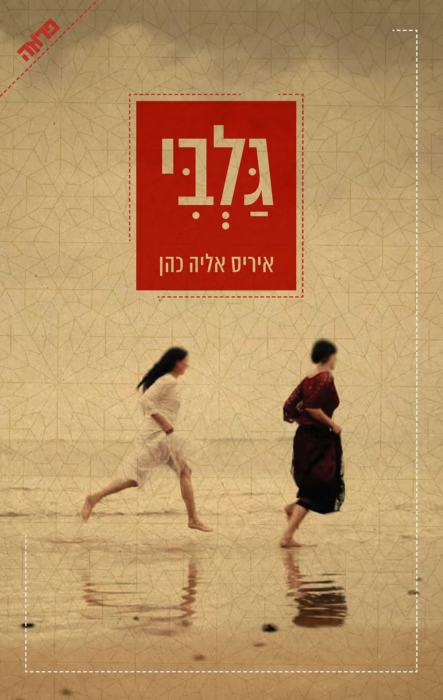
ילדים יודעים הרבה לפני שמסבירים להם.
הם קולטים שתיקה ומבט בין שני מבוגרים. הם מבינים שנכנסו לשטח שאסור להיכנס אליו, גם כשאף אחד לא מסמן את הגבול.
כך גדלות זוהרה ואדיבה.
זוהרה בת למשפחה שעלתה מתימן. אחותה התאומה בתיה נעלמה כתינוקת מן המעברה, והיעלמותה נצרבה בהווה של המשפחה.
אדיבה בת לניצולי שואה מפולין. גם בבית שלה העבר נוכח מאוד. רק שלא מדברים עליו.
השתיים גדלות כחברות בחיפה של סוף שנות החמישים ותחילת שנות השישים. הספר חוזר אליהן ב־1983, כשהן כבר נשים בוגרות, והעבר ממשיך להשפיע על חייהן.
מה שצריך לדעת
שתי חברות מחיפה גדלות בבתים שסוחבים טראומות שונות, והעבר המשפחתי שלהן הולך ונקשר ככל שהסיפור מתקדם.
למי שמתעניינים בהיסטוריה ישראלית, סודות משפחתיים, דור שני, ילדי תימן ורומנים מרובי דמויות וזמנים.
פרקי הילדות חזקים במיוחד, והפער בין מה שהילדות מבינות לבין מה שהקורא כבר יודע עובד מצוין.
ריבוי הזמנים והדמויות מעמיס, והסוד המרכזי נשאר מעורפל דווקא כשהספר מגיע לנקודה שבה רציתי תשובות.
איריס אליה כהן נעה בין זוהרה לאדיבה, בין השנים ובין מקומות שונים. כל פרק מסומן בשם הדמות, בשנה ובמיקום, ולכן תמיד ברור לפחות מי הדובר. כל מעבר מחייב להתמקם מחדש בזמן, במקום ובמערכת היחסים בין הדמויות. האוריינטציה החוזרת הזאת מעייפת וקוטעת את שטף העלילה.
הרבה דמויות נכנסות לתמונה. קרובי משפחה, זיכרונות, סיפורים, אירועים מן העבר. מדי פעם עצרתי כדי להזכיר לעצמי מי קשור למי ומה כבר קרה בנקודת הזמן הזאת.
אהבתי במיוחד את פרקי הילדות.
באחת הסצנות אדיבה נתקלת בעיתון בתצלומים ממחנה ריכוז. היא רואה אנשים כחושים ולא מבינה למה הם נראים כך, למה הם לבושים בבגדים מוזרים ולמה אף אחד אינו מחייך.
היא מנסה להסביר לעצמה את מה שהיא רואה דרך העולם שהיא מכירה.
אולי האוכל לא היה כשר. אולי נתנו להם חזיר.
אדיבה אינה מבינה. הקורא מבין. המרחק ביניהם מספיק כדי להפוך את הרגע לקשה מאוד.
גם זוהרה גדלה בתוך סיפור שחסרה בו חתיכה.
בבית שלה חסרה ילדה.
כך נבנית החברות בין השתיים מתוך שני בתים שונים מאוד, שכל אחד מהם מסתיר מן הילדות חלק מן העבר.
הכתיבה של איריס אליה כהן עשירה מאוד. לפעמים יותר מדי.
היא אוהבת דימויים. כמעט לכל דבר ניתנת תנועה, צבע, ריח, גוף. חלק מהמשפטים יפים מאוד. אבל לא כל משפט דורש טיפול עומק וחקירה.
גם המבנה סובל מאותה נטייה לשפע. הספר מבקש לנוע בין שתי משפחות, כמה תקופות, טראומות שונות, אהבות, סודות, יחסים בין הורים לילדים והיסטוריה ישראלית שלמה.
לקראת הסוף הבעיה מחריפה.
מכאן יהיו ספוילרים.
זוהרה מבינה שאחותה הנעלמת חיה באמריקה בשם בטי.
אחר כך מתברר, דרך מכתבים ורמזים, שגם משפחתה של אדיבה קשורה לסיפור הזה, וזיידל, דמות שגם אחרי הקריאה לא הצלחתי למקם בדיוק, תופס מקום מרכזי במה שקרה לבתיה ובהעברתה לארצות הברית.
הטוויסט יכול היה להתפתח באופן מרתק. אבל הסופרת בוחרת להותיר אותו ברמז, וזה לא שחסרו עמודים לספר הזה. כל השליש האחרון עוסק ברומן של זוהרה עם יגאל, החוקר שהיא ואחיה שכרו כדי למצוא את בתיה.
סיימתי את הספר וניסיתי להרכיב מחדש את שרשרת האירועים. מי ידע, מי עשה, איך בתיה הועברה, דרך מי, איך הגיעה לארצות הברית, מה בדיוק היה חלקו של זיידל.
אחרי הקריאה חיפשתי חומר על הספר כדי לבדוק שלא פספסתי משהו. גם שם התשובה לא הייתה ברורה. כנראה שלא פספסתי. זה פשוט לא כתוב.
הספר בונה את החיבור בין שתי המשפחות במשך מאות עמודים. כשהוא סוף סוף מהדק ביניהן את הקשר, הסופרת בורחת מהמקום שדורש את מרב הדיוק.
והקו הרומנטי? צפוי. בתיה נעלמה, זיידל נשאר בצל, והספר מקדיש את העמודים שלו לזוהרה ויגאל. אותי עניין מה קרה לתינוקת. לא מה קורה במיטה.
אני חצי תימניה. את הסיפור של הילדים שנעלמו מהמעברות אני מכירה מאז שאני זוכרת את עצמי. דווקא בגלל זה ציפיתי דווקא בגלל זה ציפיתי שהספר יישאר עם בתיה עד הסוף. הוא נשאר עם זוהרה ויגאל.
"גלבי" הוא ספר שאפתני, ואני לא נהניתי ממנו. פרקי הילדות טובים. כל השאר מפוזר ובורח ברגע האמת.
הסיום דרש ממני לעבוד קשה יותר מהסופרת. ואחרי ספר עמוס כל כך, לא נשאר לי כוח להשלים בעצמי את מה שהיא השאירה ברמז.
Galbi / Iris Eliya Cohen
Children know a great deal long before anyone explains things to them.
They notice silence and a look exchanged between two adults. They understand that they have entered territory they are not supposed to enter, even when no one has marked the boundary.
That is how Zohara and Adiva grow up.
Zohara comes from a family that immigrated from Yemen. Her twin sister Batya disappeared as a baby from the ma'abara, and that disappearance has been burned into the family's present.
Adiva is the daughter of Holocaust survivors from Poland. In her home too, the past is very much present. It is simply never discussed.
The two grow up as friends in Haifa in the late 1950s and early 1960s. The novel returns to them in 1983, when they are already adult women, and the past continues to shape their lives.
Iris Eliya Cohen moves between Zohara and Adiva, between different years and different places. Every chapter is marked with the character's name, the year and the location, so at least it is always clear who is speaking. But every shift requires the reader to relocate in time, place and the relationships between the characters. Having to reorient myself again and again became tiring and interrupted the flow of the story.
A great many characters enter the picture. Relatives, memories, stories and events from the past. Every so often I had to stop and remind myself who was related to whom and what had already happened at that point in the timeline.
I especially liked the childhood chapters.
In one scene, Adiva encounters photographs from a concentration camp in a newspaper. She sees emaciated people and cannot understand why they look that way, why they are wearing strange clothes and why no one is smiling.
She tries to explain what she is seeing through the world she knows.
Maybe the food was not kosher. Maybe they were given pork.
Adiva does not understand. The reader does. The distance between them is enough to make the moment extremely painful.
Zohara too grows up inside a story with a missing piece.
In her house, a child is missing.
That is how the friendship between the two girls develops out of two very different homes, each of which hides part of the past from its children.
Iris Eliya Cohen's writing is extremely rich. Sometimes too rich.
She loves imagery. Almost everything is given movement, colour, smell and a body. Some of the sentences are very beautiful. But not every sentence needs an investigation and full-depth treatment.
The structure suffers from the same tendency toward abundance. The novel wants to move between two families, several periods, different traumas, love affairs, secrets, relationships between parents and children, and an entire history of Israel.
Toward the end, the problem becomes worse.
Spoilers from here.
Zohara discovers that her missing sister is alive in America under the name Betty.
Then, through letters and clues, it becomes clear that Adiva's family is somehow connected to the story as well, and Seidel, a character I still could not place properly even after finishing the book, takes on a central role in what happened to Batya and in her transfer to the United States.
The twist could have developed into something fascinating. But the author chooses to leave it as a suggestion, and it is not as though this book lacked pages. The entire final third is devoted to Zohara's affair with Yigal, the investigator she and her brother hired to find Batya.
I finished the book and tried to reconstruct the chain of events. Who knew, who acted, how Batya was transferred, through whom, how she reached the United States, and what exactly Seidel's role had been.
After finishing, I looked for material about the book to make sure I had not missed something. The answer was not clear there either. Apparently I had not missed it. It simply is not written.
The novel spends hundreds of pages building the connection between the two families. When it finally tightens that connection, the author retreats from the place that requires the greatest precision.
And the romantic plot? Predictable. Batya disappeared, Seidel remained in the shadows, and the novel devoted its pages to Zohara and Yigal. I wanted to know what happened to the baby. I did not care what was happening in bed.
I am half Yemenite. I have known the story of the children who disappeared from the ma'abarot for as long as I can remember. Precisely because of that, I expected the novel to stay with Batya until the end. Instead, it stayed with Zohara and Yigal.
"Galbi" is an ambitious novel, and I did not enjoy it. The childhood chapters are good. Everything else is scattered and retreats at the moment when it matters most.
The ending required me to work harder than the author. And after such an overloaded book, I had no energy left to complete for myself what she chose to leave as a hint.
לגלות עוד מהאתר Sivi's Books
Subscribe to get the latest posts sent to your email.