
For English review, please scroll down.
בשבילה אתה נהר הוא הימור טוב של הוצאת התחנה. הפיצול מהוצאת שתים עורר אצלי לא מעט ספקות. שוק הספרים המקומי קטן וצפוף, ולא תמיד ברור מהו הקול הייחודי שהתחנה מבקשת לנסח לעצמה. בשנה וחצי של פעילות היא כבר הוציאה עשרות ספרים, וחלקם השאירו אצלי תחושה של הבטחה גדולה מן המימוש. ובכל זאת, הספר הזה בולט. הבחירה בו אינה שגרתית, והחיבור בין אישה זקנה לבין ילדה דחויה חברתית יוצר סיפור שנשען על כוח אנושי והיסטורי ממשי. העלילה נעה בין ההווה לעבר, ובין חייה של אמירה, האם שחייה הוכרעו בידי מציאות קשה, לבין הדר, נכדתה הצעירה.
שני דברים עובדים כאן במיוחד. הראשון: הדרך שבה נבנית דמותה של אמירה. בתחילת הספר היא נראית כמו אישה זקנה, חלשה ורופסת, כזו שמשפחתה מעבירה אותה מבית לבית לאחר שכלתה נעימה השתלטה על ביתה ומסרבת לתת לה לגור בו. המבט הזה מתעתע. בדיבור הפנימי שלה אמירה גולשת שוב ושוב לאחור, אל התחנות שהובילו אותה למצבה הנוכחי, ובעיקר אל ילדותה ובגרותה בעיראק של סוף המאה ה־19 וראשית המאה ה־20. בהמשך אמירה נחשפת כאישה אמיצה, שנאלצה לשתוק מול עוולות ופגיעות לאורך רוב חייה. מתחת לשתיקה שלה רוחשת עוצמה שקטה ועקשנית.
חייה של אמירה הוכרעו בידי כוחות חזקים ממנה: המשפחה, העוני, והבחירה להינשא לגבר יהודי ממשפחה עשירה שלא קיבלה אותה והחרימה את בני הזוג. את העוולות הללו היא מורישה לבתה כרימה, שנאלצת להינשא לגבר נפסד. התקווה לתיקון אמורה הייתה להתרחש דווקא בחייה של קלרין, בתה הצעירה של אמירה. בניגוד לכרימה, ששומרת לאמה טינה רבת שנים, קלרין פותחת בפני אמה את ביתה ומעניקה לה מקום בטוח. היא מגלמת תיקון ביחסים הנשיים הבין־דוריים, אך גם נושאת בתוכה את החמצת התקווה לשינוי.
"אני לא יכולה לראות איך החיים של אחותך קלרין, החכמה והיפה, הולכים לאיבוד בין הסירים במטבח לבין ערמות הכביסה. לא יודעת למה אלוהים בחר בי כדי לצבוע את החיים שלי בשחור."
המהלך החכם השני הוא שילובה של הדר, בתה של קלרין ונכדתה הצעירה של אמירה. הדר היא ילדה דחויה חברתית, אך בעלת יכולות תפיסה דקות מן הדקות. דרכה נפרשים חייהן של אמירה ושל קלרין; הדר רואה את העולם דרך עיניה של ילדה שלא תמיד מבינה הכול, וחוסר ההבנה שלה נעשה כלי חשיפה. דרך המבט שלה נגלים הקושי של אמירה, האכזבה של קלרין מן האופן שבו חייה התגלגלו, ההחמצה של ההבטחה שהייתה גלומה בה, והוויתור על אהבה לטובת הקמת משפחה. המבט הזה אינו מחליש את קולן של הנשים, אלא מאפשר להן להישמע בצלילות גדולה יותר.
אמירה וקלרין הן תוצר של המציאות. אין להן שליטה במהלך חייהן, ואין להן יכולת להשפיע על המבנים החברתיים שמעצבים את חייהן או לשלוט בהם. בדרכים דומות אך שונות הן קורבנות, והן גם לביאות שפועלות בעולם שכבר גזר עליהן גבולות: אמירה, שבקולה וביצר השרידות שלה מצליחה להציל את משפחתה, גם אם רק באמצעות מכונת תפירה, וקלרין, שבהתנגדות האילמת שלה שומרת על משפחתה מפני פירוק.
"בן גוריון לא היה מוכן להכיר בדם שלך ובדם של החברים שלך. במשרד הביטחון לא היו מוכנים לתת לנו תמיכה כמו שנתנו לאימהות של אלה שהלכו מהארגון שלהם, מההגנה. אף אחד לא הצליח לשנות את דעתו של בן גוריון. אפילו לא החברים מהמפלגה שלו. למה אלוהים נתן לו את הכוח להבדיל בין דם לדם?"
ובתוך התנועה המשפחתית, בין הדורות והזמנים, מתחוללת גם תנועה היסטורית רחבה יותר. בשבילה אתה נהר איננו עוסק רק באובדן פרטי. הוא עוסק בהדרה. דחיקה היסטורית של יהודי עיראק, והדרה מובנית בתוך הסיפור הישראלי עצמו. זהו ספר שמבין כי לא כל כאב זוכה להיכנס לזיכרון הלאומי, לא כל אם שכולה מקבלת הכרה, ולא כל מת נעשה חלק מן האתוס. מאחורי הסיפור המשפחתי רוחשת כאן האשמה מוסרית חריפה נגד מנגנון זיכרון שבוחר את גיבוריו ואת מתיו לפי היררכיות של כוח.
לצד ההדרה נוכחת השפלה מעמדית ומזרחית שאינה נאמרת במפורש, אלא נפרשת דרך המחוות הקטנות, המבט המקטין והבושה. כל אלה משרטטים מציאות שבה העלייה לארץ אינה רק מעבר גיאוגרפי אלא גם כניסה לסדר חברתי אכזרי. הספר איננו שואל רק מה קרה ליהודים בעיראק, אלא גם מה נעשה להם כאן, אחרי שהגיעו. כאן הוא כבר לא רומן משפחתי תקופתי. זה סיפור על קליטה שיש בה גם דחיקה, גם הקטנה, גם פצע מעמדי שאינו נסגר.
ובתוך כל אלה נוכחים גם המתים. לא כזיכרון טקסי, אלא כמי שממשיכים לחיות בתוך הבית. אצל אמירה, האובדן איננו אירוע שהתרחש פעם והותיר צלקת; הוא צורת חיים. המתים נשארים בתמונות, בשיחות, בתחושה שהם עדיין כאן, בחדר הסמוך כמעט. הספר מבין היטב שזיכרון אינו רק הנצחה, אלא לפעמים מגורים משותפים עם מי שכבר איננו.
הממד הפוליטי נוכח, ואי אפשר להתעלם ממנו. לא רק בן גוריון מול בגין, אלא המדינה מול מי שנדחקו לשוליה. הספר חוזר שוב ושוב אל ההבחנה האכזרית בין דם לדם, בין משפחות שזוכות למעמד של אבל לאומי לבין משפחות שצריכות להתחנן שיראו את כאבן. שם הספר יוצא מאזור הנוחות של "מורשת יהדות ערב" והופך לסיפור על זיכרון לאומי שהוא גם מנגנון של הדרה.
כאן טמון הכוח של בשבילה אתה נהר: היכולת לחבר בין גורל של נשים, היסטוריה של קהילה ופוליטיקה של זיכרון. ציונית פתאל־קופרווסר כתבה רומן שיש בו לב, אבל גם טענה. ובזמן שבו קל מדי להפוך סיפורים כאלה לטקס של נוסטלגיה או לקינה צפויה מראש, זה כבר הישג של ממש.
בשבילה אתה נהר/ ציונית פתאל-קופרווסר
הוצאת התחנה, 2026, 182 עמ'
דירוג SIVI –
איכות אודיו –
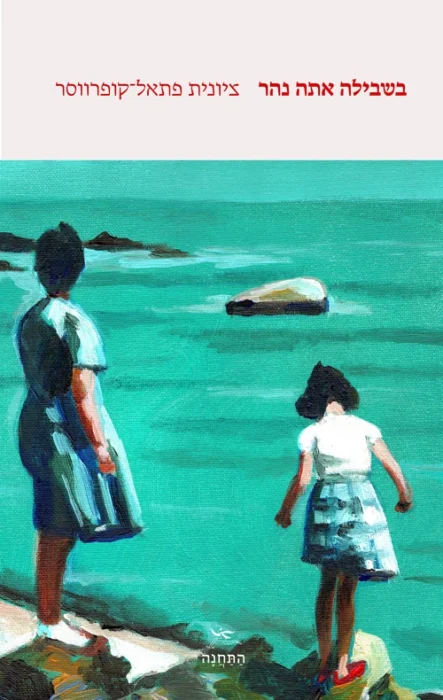
You Are a River To Her / Tsionit Fattal-Kuperwasser
You Are a River To Her is a strong choice by Hatachana Publishing. It's split from Shtayim left me with more than a few doubts. The local book market is small and crowded, and it is not always clear what distinctive voice Hatachana is trying to shape for itself. In a year and a half of activity, it has already published dozens of books, and some of them left me with the feeling of promise exceeding fulfillment. And yet this book stands out. The choice is unusual, and the connection between an older woman and a socially rejected girl creates a story grounded in real human and historical force. The plot moves between present and past, and between the lives of Amira, the mother whose life was shaped by harsh reality, and Hadar, her young granddaughter.
Two things work especially well here. The first is the way Amira's character is built. At the beginning of the book, she appears to be an old, weak, almost helpless woman, passed from house to house by her family after her daughter-in-law, Naima, takes over her home and refuses to let her live there. That view is deceptive. In her inner voice, Amira repeatedly slips back into the past, into the stations that led her to her present condition, above all to her childhood and early adulthood in Iraq at the end of the nineteenth century and the beginning of the twentieth. As the novel progresses, Amira is revealed as a brave woman who has endured most of her life in silence in the face of injustice and harm. Beneath that silence, there is a quiet and stubborn force.
Amira's life was decided by powers larger than herself: family, poverty, and her choice to marry a Jewish man from a wealthy family that rejected the couple and cast them out. She passes those wrongs on to her daughter Karima, who is forced to marry a worthless man. The hope for repair was supposed to emerge דווקא in the life of Clarine, Amira's younger daughter. Unlike Karima, who carries years of resentment toward her mother, Clarine opens her home to Amira and offers her a place of safety. She embodies a kind of repair in intergenerational female relations, and yet she too carries within her the disappointment of unrealized change.
“I cannot bear to see how your sister Clarine, wise and beautiful, is losing her life between the pots in the kitchen and the piles of laundry. I do not know why God chose me to paint my life black.”
The second smart move is the inclusion of Hadar, Clarine's daughter, and Amira's young granddaughter. Hadar is socially rejected, yet gifted with unusually fine powers of perception. Through her, the lives of Amira and Clarine unfold. Hadar sees the world through the eyes of a child who does not always understand everything, and that lack of understanding becomes a tool of revelation. Through her gaze, we see Amira's hardship, Clarine's disappointment in how her life turned out, the wasted promise once within her, and the sacrifice of love to build a family. That perspective does not weaken the women's voices. It allows them to be heard more clearly.
Amira and Clarine are products of their reality. They have no control over the course of their lives, nor any power to shape or master the social structures that define them. In different yet related ways, they are victims. They are also lionesses who act within a world that has already set its limits: Amira, who, through her voice and her survival instinct, manages to save her family, even if only by means of a sewing machine, and Clarine, who, through her silent resistance, protects her family from disintegration.
“Ben-Gurion was not willing to recognize your blood and the blood of your friends. In the Ministry of Defense, they would not give us the support they gave the mothers of those who came from their organization, from the Haganah. No one could change Ben-Gurion’s mind. Not even his own party friends. Why did God give him the power to distinguish between blood and blood?”
Within the family movement, across generations and time, there is also a broader historical movement. You Are a River To Her does not deal only with private loss. It deals with exclusion. The historical displacement of Iraqi Jews and an exclusion built into the Israeli story itself. This is a book that understands that not every pain enters national memory, not every bereaved mother receives recognition, and not every dead person becomes part of the ethos. Behind the family story lies a sharp moral accusation against a mechanism of memory that chooses its heroes and its dead according to hierarchies of power.
Alongside this exclusion, there is also class and Mizrahi humiliation, not stated directly but revealed through small gestures, diminishing looks, and shame. All of these sketch a reality in which immigration to Israel is not only a geographical transition but an entry into a cruel social order. The novel does not ask only what happened to Jews in Iraq, but also what was done to them here, after they arrived. At that point, it is no longer merely a historical family novel. It becomes a story about absorption that also contains exclusion, diminishment, and a class wound that does not close.
And within all of this, the dead are present as well, not as a ceremonial memory, but as people who continue to live inside the house. For Amira, loss is not an event that once happened and left a scar. It is a way of living. The dead remain in photographs, in conversations, in the feeling that they are still here, almost in the next room. The novel understands very well that memory is not only commemoration. Sometimes it is a shared residence with those who are no longer alive.
The political dimension is present, and it cannot be ignored. Not only Ben-Gurion versus Begin, but the state versus those pushed to its margins. Again and again, the novel returns to the cruel distinction between blood and blood, between families granted the status of national mourning and families forced to beg for their pain to be seen. At that point, the book's title moves beyond the comfort zone of "the heritage of Arab Jewry" and becomes a story about national memory as a mechanism of exclusion.
This is where the strength of You Are a River To Her lies: in its ability to connect the fate of women, the history of a community, and the politics of memory. Zionit Fatal-Kuperwasser has written a novel with heart, but also with an argument. At a time when it would be easy to turn such material into either nostalgia or predictable lament, that is already a real achievement.
לגלות עוד מהאתר Sivi's Books
Subscribe to get the latest posts sent to your email.