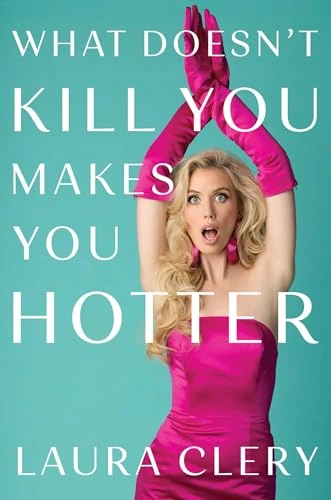
ב־What Doesn’t Kill You Makes You Hotter לורה קלרי כותבת בזמן שהאדמה רועדת תחת רגליה. המשבר בנישואים, הגירושים, ההורות היחידנית הזרה לה, ההתמכרות שמאיימת על המשפחה, והעבר שמסרב להישאר בעבר.
הספר נפתח ביום שבו קלרי קונה לבעלה עוגה לציון שמונה שנות פיכחון. כמה שעות אחר כך היא מגלה שהוא שיקר לה ונסע למכון עיסוי מפוקפק במקום לארוחת צהריים עם חבר. מהר מאוד מתברר שגם שמונה שנות הפיכחון שחגגה לו אינן בדיוק מה שחשבה.
מכאן החיים שלה קורסים לתוך מערבולת, שרובה משודרת בלייב לקהל המעריצים שלה ושל בעלה, בסרטוני יוטיוב שבהם החיים הפרטיים שלהם הופכים לתוכן עבור מיליונים.
בגידות. התמכרות לסמים ולמין. איומים בהתאבדות. פריצה לבית. אלימות. מעצר. גבולות שנפרצים שוב ושוב. גירושים שהיו אמורים להיות סוף של מערכת יחסים, הופכים למערכת יחסים חדשה, מסובכת לא פחות.
מה שצריך לדעת
ממואר מאת Laura Clery שנכתב מתוך תקופה של גירושים, התמכרות במשפחה, הורות יחידנית ושיקום החיים האישיים והמקצועיים, כשהכול מתרחש גם מול קהל עצום ברשת.
לקוראים שאוהבים ממוארים חשופים, הומור שחור, סיפורים על גירושים והתמכרות, הורות כאוטית, נשים שבונות מחדש את חייהן וספרים שמסרבים להפוך כאב לרחמים עצמיים.
הכנות, ההומור והיכולת של קלרי לעבור בין כאב לבדיחה בלי למחוק אף אחד מהם. הפרקים על אמה, עצמאות כלכלית, הורות והנשים שפוגשת ב־AA חזקים במיוחד.
הספר כאוטי וחוזר על עצמו לעיתים, וקלרי עדיין קרובה מאוד לחלק מהאירועים. לפעמים חסר המרחק שמאפשר לראות את כל התמונה, אבל הקרבה הזאת היא גם חלק מן הכוח שלו.
חלק מהפרקים ממש מזעזעים.
קלרי לא בונה לעצמה בדיעבד תפקיד של קורבן חף מכל טעות. היא חוזרת שוב ושוב לבחון את התנהלותה בתוך הנישואים ומול הגרוש שלה. היא שואלת למה המשיכה להסביר, לסלוח, להכיל, להרגיע ולנסות לשמור על שלום שלא באמת היה שם.
היא מכורה מפוכחת בעצמה, ולכן ההתמכרות מוכרת לה מקרוב. היא מכירה את השקרים שאדם מספר לעצמו כשהוא רוצה להאמין שהפעם יהיה אחרת. יש בספר גם מיקוד ב-"מיתוס המכור", האמונה שאפשר יום אחד לחזור לחומר, לשלוט בו, לקחת רק קצת, לעצור בזמן ולהיות אדם רגיל. היא יודעת עד כמה המחשבה הזאת מסוכנת, ובכל זאת נאלצת לראות את אבי ילדיה משכנע את עצמו בדיוק בזה.
לאורך הספר היא מתחילה לזהות גם את התלות שלה בו.
במשך שנים הם היו בני זוג, הורים, שותפים יצירתיים ושותפים עסקיים. הוא עודד אותה, הלחין עבורה, השתתף בסרטונים, טיפל בחלקים העסקיים של הקריירה שלה והפך לחלק בלתי נפרד מהעבודה שלה. עם הזמן היא התחילה להאמין שההצלחה שלה תלויה בו ובנוכחות שלו בחייה.
לכן גם אחרי שהנישואים מתפרקים, הם חוזרים לעבוד יחד.
הם מצלמים סרטונים. מקליטים פודקאסטים. מדברים על הורות משותפת. הקהל מתפעל מהכימיה, מהבגרות ומהיכולת שלהם להישאר "משפחה", בזמן שמאחורי המצלמה המצב הרבה פחות פוטוגני. בשלב מסוים קלרי מודה שרצתה להיות ה־best broken family ever.
המשפט הזה מצחיק, אבל הוא גם תופס משהו מאוד מדויק בעולם שבו אפילו התמוטטות יכולה להפוך למותג.
הקהל מגיב. הסרטונים מקבלים מיליוני צפיות. אנשים משבחים אותם על ההורות המשותפת. כל זה קורה בזמן שקלרי עצמה עדיין מנסה להבין אם האיש שיושב לצדה מול המיקרופון הוא אותו אדם שפרץ לביתה שבועות קודם.
תרבות החשיפה ברשת מתגלה במלוא הכיעור שלה. תשומת לב, צפיות ותגובות נעשות עוד חומר ממכר. החיים עצמם כבר אינם רק חיים. הם גם תוכן שצריך לערוך, למסגר, להעלות ולמכור.
למזלה של קלרי, הספר אינו נשאר רק סביב סטיבן.
ככל שהוא מתקדם, היא עוברת לדבר יותר על אימהות, עבודה, כסף, גוף, גיל, דייטים אחרי שנים של נישואים, המשפחה שבה גדלה והנשים שמלוות אותה לאורך הדרך.
הפרק שהכי נגע ללבי עוסק באמה. אמא שלה נשארה במשך עשרות שנים לצד בעל אלכוהוליסט. היא הייתה אם בבית, תלויה בו כלכלית, וגידלה שלוש בנות בתוך מציאות של פחד, שתייה והתפרצויות. לורה עצמה מספרת שכילדה התחננה בפניה לעזוב אותו.
שנים אחר כך, האם מזכירה לה את זה ואומרת לה לא לחזור על הטעות שלה.
המשפט הזה מקבל משקל אחר כשהוא נאמר על ידי אישה שכבר יודעת בדיוק את המחיר.
קלרי מבינה שיש לה משהו שהיה חסר לאמא שלה: יש לה כסף משלה.
זה פרט קטן לכאורה, אבל חשוב. קל לדבר מבחוץ על נשים שצריכות פשוט לקום ולעזוב. בפועל צריך גם מקום לגור בו, הכנסה, טיפול בילדים, יכולת התמודדות כלכלית, ובעיקר אפשרות ממשית לבנות חיים אחרים.
גם האימהות בספר רחוקה מאוד מתמונה מסודרת של בית, ילדים מחייכים ואמא שמחזיקה קפה פושר בחיוך אסיר תודה.
היא עייפה. מלוכלכת. מצחיקה. מלאה אשמה. החיים בלתי אפשריים לניהול.
באחד הרגעים המצחיקים והמדכאים ביותר בספר קלרי נוסעת עם ילדיה והוריה לאחותה. היא קורסת עם הילדים בשירותים של שדה תעופה אחרי שעות של כאוס. הבת שלה מניחה את שתי הידיים על פניה ואומרת לה שהיא אוהבת אותה בכל לבה.
ואז משתינה עליה.
זה פחות או יותר לורה קלרי בתמצית.
ההומור שלה גס, מהיר, לפעמים ילדותי ולפעמים מופרע לחלוטין. הוא מופיע בדיוק ברגעים שבהם נדמה שכבר אין שום דבר מצחיק לומר. אלימות, התמכרות, דיכאון אחרי לידה, פחד ממשי, ילדים, גירושים, כסף, גוף שמשתנה, הכול נכנס לאותה מכונה.
ברוב המקרים זה עובד.
הבדיחות לא מוחקות את הכאב. הן מאפשרות לה לעבור דרך הכאב בלי להפוך את הספר למסע ארוך של רחמים עצמיים.
לקראת סוף הספר היא חוזרת לפגישות AA של נשים במרתף כנסייה ישן, עם שטיח מסריח, קפה גרוע ונשים בשנות השישים, השבעים והשמונים שכבר הספיקו לעבור כמה בעלים, מחלות, ילדים, אסונות ושנים.
דווקא שם היא מרגישה בטוחה.
לא בסטודיו ליוגה עם לבנדר, לולולמון ומדריכה שמבקשת ממנה "להיות ברגע". במרתף המכוער, עם נשים שאין להן הרבה סבלנות לשטויות, היא מצליחה לנשום.
הנשים האלה הן אולי המצפן האמיתי של הספר.
הן כבר חיו מספיק זמן כדי לדעת אילו אסונות הם באמת אסונות ואילו דרמות יכולות לחכות עד אחרי הקפה.
חצי שנה אחרי הפרידה היא מסתכלת במראה וכמעט לא מזהה את האישה שהתבגרה במהירות. בהמשך היא כבר מסוגלת להבין מה היא רואה.
לא רק אישה שהזדקנה.
אישה שעברה משהו.
זה רגע מדויק, ואולי גם הסיבה שבחרתי אותו לסקראפ.
What Doesn’t Kill You Makes You Hotter הוא ממואר מצחיק מאוד, ובחלקים ממנו קשה מאוד לקריאה. הוא כאוטי, חוזר על עצמו לפעמים, וקלרי עדיין קרובה לחלק מהאירועים מכדי לכתוב עליהם ממרחק אמיתי.
אבל המרחק הוא לא באמת העניין כאן.
היא כותבת מתוך החיים כשהם עדיין בתנועה. הילדים צריכים ארוחת בוקר. העבודה צריכה להתנהל. החשבונות ממשיכים להגיע. בן הזוג לשעבר יכול להעלות מחר עוד סרטון, להתפכח, להשתמש שוב, להתנצל או להחליט שהרואין הוא חלק מהתהליך האמנותי שלו.
ובתוך כל זה היא ממשיכה לגדל ילדים, לעבוד, לשמור על הפיכחון שלה ולהופיע בכל יום מחדש.
עם הרבה יותר סימנים על הפנים.
ועם חוש הומור שעדיין מסרב למות.
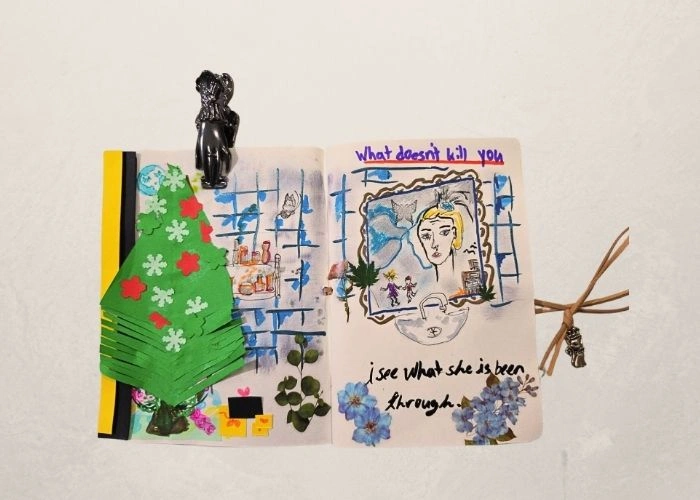
הספר הזה עבר גם לנייר
החיים של לורה קלרי מתפרקים בזמן שהיא עדיין צריכה לעבוד, לגדל ילדים ולהמשיך לתפקד. ניסיתי לתפוס בדף את הרגע שבו היא מביטה בעצמה ורואה לא רק אישה שהתבגרה, אלא אישה שעברה משהו.
לראות את הסקראפבוקWhat Doesn’t Kill You Makes You Hotter / Laura Clery
In What Doesn’t Kill You Makes You Hotter, Laura Clery writes while the ground is still moving beneath her feet: the collapse of her marriage, an unfamiliar new reality as a single parent, addiction threatening the family, and a past that refuses to remain in the past.
The book opens on the day Clery buys her husband a cake to celebrate eight years of sobriety. A few hours later, she discovers that he lied to her and went to a questionable massage parlor instead of having lunch with a friend.
Very quickly, it becomes clear that the eight years of sobriety she thought they were celebrating were not exactly what she believed them to be.
From there, her life collapses into a whirlpool, much of it broadcast live to the audience she and her husband built online, where their private lives become content for millions.
Infidelity. Addiction to drugs and sex. Threats of self-harm. A break-in. Violence. An arrest. Boundaries crossed again and again.
A divorce that was supposed to end a relationship instead creates a new one, every bit as complicated.
Some of these chapters are genuinely shocking.
Clery does not rewrite herself afterward as an innocent victim who made no mistakes. She repeatedly examines her own behavior inside the marriage and in her relationship with her ex-husband. She asks why she kept explaining, forgiving, accommodating, calming things down and trying to preserve a peace that was never really there.
She is in recovery herself, so addiction is something she understands intimately.
She knows the lies people tell themselves when they desperately want to believe that this time will be different. The book also deals with what she describes as the addict’s myth: the belief that one day you can return to a substance, control it, take only a little, stop in time and somehow become a normal user.
She knows how dangerous that fantasy is.
And yet she is forced to watch the father of her children convince himself of exactly that.
As the book progresses, she also begins to recognize her own dependence on him.
For years they were partners, parents, creative collaborators and business partners. He encouraged her, composed music for her, appeared in her videos, handled parts of the business side of her career and became inseparable from her professional life.
Eventually, she begins to believe her success depends on him and his presence in her life.
So even after the marriage falls apart, they go back to working together.
They make videos. Record podcasts. Talk publicly about co-parenting.
Their audience admires their chemistry, maturity and ability to remain a "family," while behind the camera things are considerably less photogenic.
At one point, Clery admits that she wanted them to be the best broken family ever.
The line is funny, but it also captures something painfully accurate about a world in which even collapse can become a brand.
The audience reacts. The videos receive millions of views. People praise them for their co-parenting.
All of this is happening while Clery herself is still trying to understand whether the man sitting beside her at the microphone is the same man who had broken into her home only weeks earlier.
The culture of online exposure appears here in all its ugliness.
Attention, views and comments become another addictive substance. Life is no longer simply life. It is also content that must be edited, framed, uploaded and sold.
Fortunately, the book does not remain entirely centered on Stephen.
As it progresses, Clery writes more about motherhood, work, money, her body, aging, dating after years of marriage, the family she grew up in and the women who accompany her through this period.
The chapter that moved me most is about her mother.
Her mother remained for decades with an alcoholic husband. She was a stay-at-home mother, financially dependent on him, raising three daughters inside a reality of fear, drinking, and eruptions.
Clery herself remembers begging her mother as a child to leave him.
Years later, her mother reminds her of this and tells her not to repeat her mistake.
That sentence carries a very different weight when it comes from a woman who already knows exactly what the cost can be.
Clery realizes she has something her mother did not.
Her own money.
It may sound like a small detail, but it matters enormously.
From the outside, it is easy to tell women to simply get up and leave. In reality, leaving also requires somewhere to live, an income, childcare, financial stability and, above all, the actual ability to build a different life.
Motherhood in the book is also very far from the polished image of a tidy home, smiling children and a mother holding lukewarm coffee with a grateful smile.
She is exhausted.
Dirty.
Funny.
Full of guilt.
Life is impossible to manage.
In one of the book's funniest and most depressing moments, Clery travels with her children and parents to visit her sister. After hours of chaos, she collapses with the children in an airport bathroom.
Her daughter puts both hands on her face and tells her that she loves her with all her heart.
Then she pees on her.
That is Laura Clery in miniature.
Her humor is crude, fast, sometimes childish and sometimes completely unhinged. It appears precisely when it seems there is nothing left to laugh about.
Violence, addiction, postpartum depression, fear, children, divorce, money, a changing body — everything enters the same machine.
Most of the time, it works.
The jokes do not erase the pain. They allow her to move through it without turning the book into one long exercise in self-pity.
Toward the end of the book, she returns to women’s AA meetings in the basement of an old church, with a smelly carpet, bad coffee, and women in their sixties, seventies, and eighties who have already survived several husbands, illnesses, children, disasters, and decades.
That is where she feels safe.
Not in a yoga studio full of lavender and Lululemon, with an instructor telling her to “be present.”
In the ugly basement, surrounded by women who have very little patience for nonsense, she can finally breathe.
Those women may be the book's real compass.
They have lived long enough to know which disasters are genuine disasters and which dramas can wait until after coffee.
Six months after the separation, Clery looks in the mirror and barely recognizes the woman who seems to have aged so quickly.
Later, she begins to understand what she is seeing.
Not simply a woman who has grown older.
A woman who has been through something.
It is a precise moment, and perhaps also the reason I chose it for my scrapbook.
What Doesn’t Kill You Makes You Hotter is a very funny memoir, and in places an extremely difficult one to read. It is chaotic, occasionally repetitive, and Clery is still too close to some of the events to write about them with real distance.
But distance is not really the point here.
She is writing from inside a life that is still moving.
The children need breakfast.
Work still has to get done.
The bills keep arriving.
Her ex-husband may upload another video tomorrow, become sober, relapse, apologize, or decide that heroin is part of his artistic process.
And in the middle of all of it, she keeps raising her children, working, protecting her own sobriety and showing up again every day.
With many more lines on her face.
And with a sense of humor that still refuses to die.
לגלות עוד מהאתר Sivi's Books
Subscribe to get the latest posts sent to your email.
1 מחשבה על “What Doesn’t Kill You Makes You Hotter / Laura Clery”
נשמע ספר מעניין וכואב…