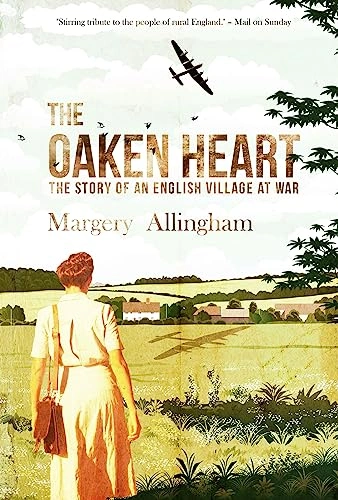
מרג'רי אלינגהם מוכרת בעיקר כאחת הכותבות הבולטות של תור הזהב של הספרות הבלשית הבריטית וכיוצרתו של אלברט קמפיון. אבל The Oaken Heart, שראה אור ב־1941, הוא ספר אחר לחלוטין.
הספר מתעד את חיי הכפר של אלינגהם בשנים שלפני פרוץ מלחמת העולם השנייה ובשנותיה הראשונות. הכתיבה נעשית מתוך מציאות כאוטית ומשתנה, שסופה עדיין אינו ידוע.
הקוראים יודעים את סוף הסיפור.
היא לא.
ולכן התקופה מתוארת מזווית מעניינת במיוחד, דרך האירועים היומיומיים: אזעקה אדומה. כובעי פח חדשים. מסכות גז מקרטון. ילדים מפונים שמגיעים מן הערים. חצרות אחוריות שנפתחות. נשים צעירות שמציפות את הכפר. משפחות בלי בגדים, בלי כסף ובלי מושג מה יקרה מחר.
מה שצריך לדעת
ספר עיון וזיכרונות שבו Margery Allingham מתעדת את חיי הכפר האנגלי שלה בשנים שלפני מלחמת העולם השנייה ובשנותיה הראשונות, מתוך מציאות שעדיין אין לה סוף ידוע.
לקוראים שמתעניינים בחזית העורף הבריטית, בחיי יומיום בזמן מלחמה, בהיסטוריה חברתית, במפונים, במעמדות ובספרים שמתעדים אירועים גדולים דווקא דרך הפרטים הקטנים.
אלינגהם מצחיקה, חדה ולא רומנטית מדי כלפי הכפר שלה. היא מצליחה להראות כיצד מלחמה חודרת לחיים דרך שמיכות, אוכל, מפונים, פחד וסנוביות, ובמקביל מעלה שאלות גדולות על אחריות ואי־התערבות.
זהו ספר שמבוסס במידה רבה על פרטים יומיומיים ועל קצב של תיעוד, ולכן מי שמחפש עלילה רציפה או דרמה היסטורית מסודרת עלול למצוא חלקים ממנו איטיים או מפוזרים.
אנשים מקומיים מגלים שהמלחמה אינה רק היטלר, פולין, צ'רצ'יל וצבאות. היא גם כינים. שמיכות. כסף לאוכל.
וחבורה של אנשים שמאלתרת ועדת קליטה למפונים שמגיעים מהערים הגדולות.
אלינגהם משעשעת. היא מבינה שבני אדם נשארים בני אדם גם כשההיסטוריה משתגעת.
חקלאי שנוסע בעגלת החלב כמו קיסר רומי בכובע טוויד. אנשי הכפר בכובעי הפח החדשים שלהם, נבוכים בתוך בוקר יפהפה. האיש שמגיע עם כספי הממשלה ונראה כמעט כמו סנטה קלאוס בבית יתומים.
הומור שעובד כמו סכין חברתית קטנה.
הגעת המפונים היא רגע מפנה בספר.
אחת הדמויות היא פיבי, שמגיעה עם שלושה ילדים, כמעט בלי דבר. היא חסרת אונים, מטרידה, קומית, מעצבנת ולעיתים בלתי נסבלת.
וכשהיא שואלת אם מצפים ממנה פשוט לחזור אל ההפצצות, כל מנגנוני הרתיעה וההסתייגות מתמוטטים.
מפני שהיא צודקת באופן שאינו מאפשר לאנשים הטובים שמולה להרגיש כל כך טובים עם עצמם.
אלינגהם אוהבת את הכפר שלה, אבל אינה הופכת אותו לאגדה אנגלית על סולידריות, תה ופנים אמיצות. לצד רחמים, נדיבות ותחושת חובה יש גם סנוביות, פחד, גועל, היררכיות חברתיות ועלבון קהילתי כשמישהו חושד שמישהו אחר מתחמק מחלקו.
באחד המקומות היא מבחינה בין מעמד לבין "סוג". לא רק כמה כסף יש לאדם או היכן הוא עומד בסולם החברתי, אלא איזה מין אדם הוא כשצריך לחלוק בגדים, אוכל ומקום בבית.
ובעיניי פרק 9 הוא החשוב בספר.
שם היא לרגע מפסיקה לתאר את מה שקורה במציאות ושואלת איך לעזאזל הגיעו עד הלום.
היא כותבת על התחושה שהמלחמה היא נקודת הסיום של שנים של חרדה ועצב בלתי מוסבר. ואז מגיע המשפט שמבחינתי כולל תמצית של ההתנהגות האנושית:
"This is what comes of not interfering when you see something horrible happening, even if it isn’t your business."
זה כתב אישום.
אפשר לקרוא אותו כביקורת על מדיניות הפיוס האירופית של שנות השלושים. על אנשים אינטליגנטים ומתוחכמים שהסבירו שוב ושוב מדוע צריך להבליג, להבין, להכיל ולהימנע מהתערבות.
אבל אלינגהם הופכת אותו לשאלה רחבה יותר על התנהגות אנושית:
מתי אי־התערבות היא איפוק, ומתי היא פחדנות מנומקת היטב?
מתי המשפט "זה לא ענייני" הוא גבול בריא, ומתי הוא רק דרך אלגנטית לומר שמישהו אחר ישלם את המחיר?
היא גם כותבת שם על ריסון ה־"natural bossiness" הבריטי מתוך כבוד לאנשים המתוחכמים והחכמים לכאורה של התקופה.
בריטניה של אלינגהם הייתה אימפריה, והמחשבה שהבריטים רק רצו להתערב בעולם לטובת האנושות דורשת, בלשון המעטה, קורט מלח.
ובכל זאת, נדמה לי שאלינגהם אינה באמת מדברת כאן על הזכות לשלוט, אלא על האחריות להגיב כאשר רואים עוול.
ההיסטוריה אוהבת אנשים שמסבירים בדיעבד שהכתובת הייתה על הקיר.
אלינגהם כותבת מתוך מציאות שבה אנשים עומדים מול הכתובת שעל הקיר ומתחילים להבין שהם פשוט קיוו שמישהו אחר יעשה משהו.
וזה מה שהופך את The Oaken Heart להרבה יותר מתיעוד של כפר אנגלי בזמן מלחמת העולם השנייה.
זה ספר על חברה שמגלה את עצמה תחת לחץ: היא נבהלת. מתנשאת. מתבלבלת. מתארגנת. נכשלת. מתווכחת.
ואז, ברוב המקרים, עושה את מה שצריך.
מלחמות נכתבות בסופן באמצעות קרבות, מנהיגים ותאריכים.
בזמן אמת הן נחוות אחרת לגמרי: מישהו צריך למצוא בגדים לילד שהגיע בלי מזוודה. מישהו צריך להביא אוכל.
ומישהו צריך להחליט אם הדבר הנורא שקורה לאדם אחר הוא באמת "לא עניינו".
אלינגהם הבינה שהיסטוריה אמיתית מתרחשת בדיוק בנקודת החיכוך הזאת.
The Oaken Heart: The Story of an English Village at War / Margery Allingham
Margery Allingham is best known as a major writer of the British Golden Age of detective fiction and as the creator of Albert Campion. But The Oaken Heart, published in 1941, is something entirely different.
The book records life in Allingham’s village in the years before the outbreak of the Second World War and during its early stages. It is written from inside a chaotic, constantly changing reality whose ending remains unknown.
We know how the story ends.
She does not.
And that is what makes the period especially fascinating here. It is described through ordinary events: an air-raid warning. New steel helmets. Cardboard gas-mask boxes. Evacuated children arriving from the cities. Backyards opening up. Young women flooding into the village. Families arriving without clothes, without money and without any idea what will happen tomorrow.
The villagers discover that war is not only Hitler, Poland, Churchill and armies.
It is also lice.
Blankets.
Money for food.
And a group of people improvising a reception committee for evacuees arriving from the large cities.
Allingham is funny. She understands that human beings remain human even when history loses its mind.
A farmer rides on the milk cart like a Roman emperor in a tweed hat. Villagers stand awkwardly in their new steel helmets on a beautiful morning. The man who arrives carrying government funds looks almost like Santa Claus entering an orphanage.
Humor functions like a small social knife.
The evacuees' arrival is a turning point in the book.
One of the figures is Phoebe, who arrives with three children and almost nothing else. She is helpless, demanding, comic, irritating and at times almost unbearable.
And when she asks whether she is simply expected to go back to the bombing, all the mechanisms of distaste and hesitation collapse.
Because she is right in a way that makes it impossible for the good people standing in front of her to feel quite so good about themselves.
Allingham loves her village, but she does not turn it into an English fairy tale about solidarity, tea and brave faces.
Alongside compassion, generosity, and duty, there is snobbery, fear, disgust, social hierarchy, and communal outrage whenever someone suspects that somebody else is avoiding their share of the burden.
At one point she distinguishes between class and "type." Not simply how much money a person has or where they stand in the social hierarchy, but what kind of person they prove to be when asked to share clothes, food and space in their home.
For me, Chapter Nine is the most important chapter in the book.
There, for a moment, Allingham stops describing what is happening and asks how on earth they reached this point.
She writes about the sense that the war is the culmination of years of anxiety and unexplained sadness. Then comes the sentence that, for me, contains the essence of a great deal of human behavior:
“This is what comes of not interfering when you see something horrible happening, even if it isn’t your business.”
It is an indictment.
It can be read as a criticism of European appeasement policy in the 1930s: of intelligent, sophisticated people who repeatedly explained why one should tolerate, understand, accommodate, and avoid intervention.
But Allingham turns it into a broader question about human behavior.
When is non-intervention restraint, and when is it simply well-reasoned cowardice?
When is "it is none of my business" a healthy boundary, and when is it merely an elegant way of saying that somebody else will pay the price?
She also writes about restraining the British "natural bossiness" out of respect for the supposedly sophisticated and intelligent people of the period.
Allingham’s Britain was an empire, and the idea that the British merely wanted to intervene in the world for the good of humanity requires, to put it mildly, a pinch of salt.
Still, I do not think Allingham is really talking here about the right to rule.
She is talking about the responsibility to respond when one sees injustice.
History loves people who explain afterward that the writing was on the wall.
Allingham writes from inside a reality in which people stand before that writing and begin to realize they simply hoped somebody else would do something.
And that is what makes The Oaken Heart much more than a record of an English village during the Second World War.
It is a book about a society discovering itself under pressure.
It panics. It looks down on people. It becomes confused. It organizes itself. It fails. It argues.
And then, in most cases, it does what needs to be done.
Wars are written afterward through battles, leaders, and dates.
In real time, they feel very different.
Someone has to find clothes for a child who arrived without a suitcase.
Someone has to bring food.
And someone has to decide whether the terrible thing happening to another person really is "none of their business."
Allingham understood that real history happens precisely at that point of friction.
לגלות עוד מהאתר Sivi's Books
Subscribe to get the latest posts sent to your email.