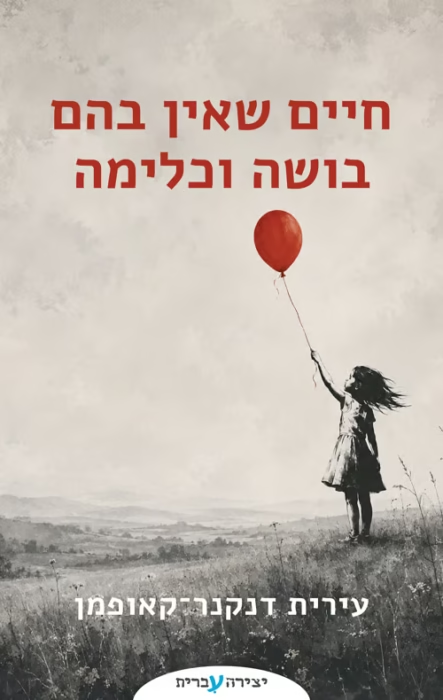
בית לבן ומואר בתל־אביב, פנינה אדריכלית שמרצים וסטודנטים מגיעים להתפעל ממנה. ילדה שמתעקשת שאמה נהרגה בקרבות על ירושלים, משום שהתאבדות אינה נחשבת למוות מכובד מספיק. ודודה קשישה, יהודייה ילידת גרמניה, המשוכנעת ששתי אותיות N בשם המשפחה הן עדות לעליונות תרבותית.
שלוש תמונות מתוך חיים שאין בהם בושה וכלימה, קובץ בן חמישה סיפורים קצרים מאת עירית דנקנר־קאופמן. שלושתן חושפות את הצביעות, הגזענות והאכזריות שהתקבעו בחברה הישראלית, לעיתים בחסותם של ערכים לאומיים, נימוסים אירופיים וחזות מכובדת.
מה שצריך לדעת
חמישה סיפורים קצרים שבוחנים ילדות, משפחה, גזענות, מעמד ולאומיות דרך דמויות ישראליות הבטוחות מאוד בצדקתן.
למי שאוהבים ספרות ישראלית ביקורתית, הומור שחור וסיפורים שבהם החברה נחשפת דרך הפרטים הקטנים והלא מחמיאים שלה.
שלושת הסיפורים הראשונים, ובעיקר האופן שבו אירוניה, שפה ויחסי כוח חושפים גזענות, צביעות והפקרה בלי צורך בהסברים מיותרים.
שני הסיפורים האחרונים חלשים משמעותית: אחד וולגרי ודוחה בעיניי, והשני נשכח כמעט מיד.
בובה סמרטוטה הוא סיפור מזעזע על ילדה בת שמונה המתגוררת בבית תל־אביבי שנבנה ברוח האדריכלות של העיר הלבנה. הבית מוצף אור, אין בו מרתפים או עליות גג חשוכות, והמבקרים מתפעלים מן הפתיחות האדריכלית. הילדה דווקא חולמת על מרתף אפל, מקום שאפשר להסתתר בו מפני אביה.
מאחורי החזות המטופחת מתרחשת התעללות מינית ופיזית מתמשכת. האם יודעת, ומקפידה להעלים את הבגדים המוכתמים. בובה סמרטוטה היא שותפתה של הילדה לסודות, לפחד ולכאב, וגם הכפילה שלה. את מה שהאב עושה לה, הילדה מספרת כאילו נעשה לבובה.
יפה, השכנה המזרחית העובדת כמניקוריסטית ופדיקוריסטית, היא היחידה שמבחינה במצוקתה ומגלה כלפיה חמלה. ההורים, לעומת זאת, רואים בה אישה נחותה הפוגעת במעמדו של הבניין המכובד שלהם. הם בזים למוצאה, למקצועה ולמעמדה החברתי.
כאשר המשטרה מגיעה לבניין, הילדה מקווה שבאו לעצור את אביה. היא מדמיינת כיצד ייקחו אותו באזיקים והאימה תסתיים. אלא שהשוטרים עוצרים את יפה, בחשד שאינה משלמת מס הכנסה ומתעסקת בשוק השחור בימי הצנע.
האב ניצב ברחוב בחזה נפוח, מגבעת לראשו וסיגר בפיו, ומסביר לבתו כיצד החוק פועל והצדק נעשה לאור היום. הוא מטיף לאזרחות טובה, מכנה את מי שאינם משלמים מסים ״פרזיטים״ וממהר לדווח לחבריו בסניף המפלגה.
האם לובשת שמלה חגיגית לכבוד המעצר.
האב שמתעלל בבתו מלמד אותה מוסר אזרחי. האם שמעלימה ראיות לפשע חוגגת את אכיפת החוק. האישה היחידה שניסתה להגן על הילדה נלקחת באזיקים. כל אחד ממלא את תפקידו, והסדר החברתי נשמר.
דנקנר־קאופמן מספרת את הדברים מבעד לעיניה של ילדה, שמכירה את מילותיהם של המבוגרים וחוזרת עליהן בלי להבין תמיד את משמעותן. הפער בין הבנתה לבין הבנתו של הקורא מעניק לסיפור את עוצמתו. אפילו העיר הלבנה משנה את משמעותה. האור הבוהק, הפתיחות והאסתטיקה אינם מגלים דבר לחברה שאינה רוצה לראות, ועד סוף הסיפור הדימוי האדריכלי הופך לכתב אישום מוסרי.
ונזכור את כולם, את יפי הבלורית מפגיש אותנו עם ילדה מנתניה, שאמה התאבדה והיא ואחיה נשלחו למוסד. אביה, צבר גאה המאמין בעליונותם של ילידי הארץ, מחנך אותה לבוז לעולים החדשים ולניצולי השואה, שאותם הוא מכנה ״סבונים״.
הילדה מפנימה את תפיסותיו של אביה ולומדת במהירות את חוקי ההיררכיה החברתית במוסד. יש מלך כיתה, יש ילדים מקובלים, ויש מי שצריכים להתאמץ כדי לזכות במקום לידם.
בביקוריה בבית הקברות ביום הזיכרון היא מגלה שילדיהם של חללי המלחמות זוכים למעמד מיוחד. הקצינים מלטפים את ראשה, מנחמים אותה, ואחד מהם אף מכנה אותה ״מגש הכסף״. מכאן הדרך קצרה להמצאת סיפור משפחתי חדש: אמה נפלה בקרבות על ירושלים, והיא עצמה בת למשפחת השכול.
אמה קבורה בחלקה האזרחית שבקצה בית הקברות הצבאי, צמוד לחללים ובלי גדר הפרדה. כמה מטרים בלבד מפרידים בין שני סוגי המוות, ובכל זאת התאבדות אינה מעניקה את אותו מעמד. בחברה שמקדשת את הגבורה ואת ההקרבה הלאומית מתקיימת גם היררכיה של מוות, והילדה מבינה היטב איזה סיפור יזכה אותה בהכרה.
כשמלך הכיתה וחבריו מחליטים להשתתף במסיבת יום העצמאות, היא נאלצת לגייס את כל תושייתה. היא מתכננת הפגנת מחאה, שבמסגרתה יעמדו ניצולי השואה בכניסה למועדון כשהם לבושים בפיג'מות ונושאים נרות זיכרון. כך תהפוך את המסיבה לפגיעה בזכר הנופלים.
בדרך לקנות נרות זיכרון בצרכנייה היא תופסת את המוכר ואת אם הבית בסיטואציה אינטימית ומזהה מיד את מבוכתם. מציעים לה ופל אחד, והיא דורשת חמש חבילות, שבאמצעותן תגייס את המפגינים.
הסצנה משעשעת להפליא. הילדה מבינה היטב יחסי כוח. היא למדה מן המבוגרים כיצד משיגים יתרון וכיצד משתמשים בחולשתם של אחרים. גם הגזענות שספגה בבית הפכה לחלק מתפיסת עולמה. היא עצמה מודרת חברתית, ובכל זאת מתייחסת לניצולי השואה כאל ילדים נחותים שאפשר לגייס באמצעות ממתקים.
אלא שבמוסד, כמו בכל חברה סגורה, סודות אינם נשמרים לאורך זמן.
דנקנר־קאופמן משלבת בסיפור הזה הומור שחור, ביקורת חברתית ודיוק פסיכולוגי. הילדה שובת לב דווקא משום שהיא רחוקה מלהיות אידיאלית: נבונה, פגיעה, תחמנית ולעיתים אכזרית. החברה שהדירה אותה לימדה אותה כיצד להדיר אחרים.
N הוא סיפור ארסי ומשעשע, שבמרכזו ארוחה משפחתית ודודה קשישה, יהודייה ילידת גרמניה, המבקשת לברר מדוע המספרת כותבת את שם משפחתה Kaufman באות N אחת בלבד.
בעיני הדודה, הכתיב הנכון הוא Kaufmann, בשתי אותיות N. האיות מעיד על השתייכות תרבותית, על מוצא ראוי ועל מעמד. שתי אותיות מסמנות את העולם האירופי הנאור, ואות אחת מעוררת חשד להשתייכות ליהדות מזרח אירופה הנחותה בעיניה.
השאלה הזאת פותחת מופע מרהיב של גזענות והתנשאות. הדודה בזה ליהודי מזרח אירופה, למזרחים, לרוסים, לערבים ולבעלי עור כהה. היא מתבלת את העברית המשובשת שלה בגרמנית, באנגלית ובצרפתית, ומצליחה להפוך ארוחה משפחתית תמימה לשיעור ממושך בעליונות תרבותית.
המספרת, שמוצאה רומני, נאלצת לספוג את ההערות ואת ההשפלות, כשהיא כורכת מגבת מטבח רטובה סביב ראשה ומייחלת לרגע שבו תוכל להיפטר מן האורחת.
העוקץ החריף של הסיפור טמון בהערצתה של הדודה לגרמניה. היא מתפעלת מן הסדר, מן היעילות, מן הנימוסים ומן השירות בשגרירות הגרמנית, ומתגאה בקצבה שהיא מקבלת מן הגרמנים. גרמניה, שהוכיחה שבכוחה להעמיד את מנגנוני המדינה, הארגון והבירוקרטיה בשירות רציחתם של שישה מיליון יהודים, היא בעיניה עדיין פסגת הציוויליזציה.
הדודה מתקשה לשאת את המחשבה שגם יהודים ממרוקו מבקשים אזרחות גרמנית. היא מתארת כיצד הביעה את מחאתה בפני השומר בשגרירות, וכיצד הבטיח להרחיק אותם מסביבתה כדי שלא יפגעו בהנאתה.
האירוניה ההיסטורית מחלחלת לכל משפט. אותן הבחנות בין יהודים גרמנים ליהודי מזרח אירופה, בין בני תרבות לנחותים מהם, לא העניקו ליהודים שום חסינות מפני מנגנון ההשמדה הנאצי. ההשכלה, הנימוסים והשם הגרמני לא שינו דבר, והדודה ממשיכה למיין בני אדם על פי מוצאם וערכם התרבותי.
"אצלם סדר זה סדר," היא מכריזה, "ואדם זה לא חזיר." המשפט מבקש השלמה, והקורא שמגיע מן הסיפור הקודם יודע מהי: סבון. "סבונים" הוא הכינוי שבו האב הצבר מכנה את ניצולי השואה, ודנקנר־קאופמן מניחה לשני הסיפורים להדהד זה את זה בלי לומר מילה.
גם בתוך משפחתה של הדודה איש אינו חסין מפני שיפוטה, אפילו בתה. ההתנשאות כבר נעשתה לאורח חיים, והגזענות אינה זקוקה לסיבה ממשית כדי להתפרץ.
דנקנר־קאופמן משתמשת היטב בלשון הדיבור, בשיבושי השפה ובהומור כדי לעצב דמות שהיא קריקטורה כמעט מושלמת של יהירות תרבותית. הפסוק מספר יחזקאל המופיע בראש הסיפור, "יַעַן גָּבַהּ לִבְּךָ וַתֹּאמֶר אֵל אָנִי", מעניק להקפדתה של הדודה על מעמדה ממד נוסף של גאווה אנושית חסרת גבולות.
שלושת הסיפורים הראשונים בקובץ מציגים חברה המקדשת מעמד, מוצא, לאומיות והשתייכות. האזרח המהוגן, הצבר הגאה והאירופית המתורבתת בטוחים בעליונותם ובזים למי שאינם עומדים באמות המידה שלהם. אפילו המילה "אסייתית" עוברת מפיה של האם התל־אביבית, שמכנה את יפה "לבנטינית אסייתית", אל פיה של הדודה היקית. בשני הסיפורים הראשונים הילדות הן שמשלמות את המחיר: האבות מפעילים כוח, האמהות נעדרות או מפקירות, והילדות לומדות לשרוד בעולם שנשללה ממנו האחריות כלפיהן. בסיפור השלישי אותה תפיסת עליונות מתגלה בדמות בוגרת, שההיסטוריה עצמה הייתה אמורה ללמד אותה את הסכנה שבה.
שני הסיפורים האחרונים מאכזבים. את "אז יאללה כל הכבוד לצה״ל" מצאתי וולגרי, דוחה ומכוער, רחוק מאוד מרמתם של הסיפורים האחרים. "יש הנחות בפוקס" נמחק מזיכרוני כמעט מיד אחרי שסיימתי לקרוא אותו.
במיטבה, דנקנר־קאופמן כותבת באירוניה חדה ובחוש הומור שחור, ומעניקה לדמויותיה חירות לחשוף בעצמן את הסתירות ואת הכיעור שבעולמן. דווקא הביטחון המוחלט שלהן בצדקתן הופך אותן למעוררות חלחלה.
חיים שאין בהם בושה וכלימה מעמיד מראה מול חברה שממהרת לחרוץ משפט על אחרים, ובוחנת את בני האדם לפי מוצא, מעמד, ייחוס וציות למוסכמות. מי שמחזיקים במראה אינם צריכים לומר דבר. האנשים המשתקפים בה כבר סיפקו את כל הראיות.
A Life Without Shame or Disgrace / Irith Dankner-Kaufmann
A bright white house in Tel Aviv, an architectural gem that lecturers and students come to admire. A girl who insists that her mother was killed in the battles for Jerusalem, because suicide does not count as a sufficiently honorable death. And an elderly aunt, a German-born Jew, convinced that the two N's in her family name are proof of cultural superiority.
These are three images from "A Life Without Shame or Disgrace", a collection of five short stories by Irith Dankner-Kaufmann. All three expose the hypocrisy, racism, and cruelty embedded in Israeli society, sometimes protected by national values, European manners, and a respectable appearance.
"Rag Doll" is a horrifying story about an eight-year-old girl living in a Tel Aviv house built in the White City's architectural spirit. The house is flooded with light. It has no dark basements or attics, and visitors admire its architectural openness. The girl, however, dreams of a dark basement, somewhere she could hide from her father.
Behind the cultivated facade, prolonged sexual and physical abuse is taking place. Her mother knows and makes sure to dispose of the stained clothes. Rag Doll is the girl's partner in secrets, fear, and pain, as well as her double. The girl describes what her father does to her as though it were happening to the doll.
Yaffa, the Mizrahi neighbor who works as a manicurist and pedicurist, is the only person who notices the girl's distress and shows her compassion. Her parents, by contrast, regard Yaffa as an inferior woman whose presence damages the status of their respectable building. They despise her origins, her profession, and her social position.
When the police arrive at the building, the girl hopes they have come to arrest her father. She imagines him being taken away in handcuffs and the terror finally ending. Instead, the police arrest Yaffa on suspicion of failing to pay income tax and participating in the black market during the austerity years.
The father stands in the street with his chest puffed out, a hat on his head and a cigar in his mouth, explaining to his daughter how the law works and how justice is carried out in broad daylight. He lectures her about good citizenship, calls people who do not pay taxes "parasites", and rushes to report the event to his friends at the local party branch.
The mother puts on a festive dress for the arrest.
The father who abuses his daughter teaches her civic morality. The mother who conceals evidence of a crime celebrates law enforcement. The only woman who tried to protect the girl is taken away in handcuffs. Everyone fulfills their role, and the social order remains intact.
Dankner-Kaufmann tells the story through the eyes of a child who knows the words adults use and repeats them without always understanding their meaning. The gap between her understanding and the reader's gives the story its power. Even the White City changes its meaning. Bright light, openness, and aesthetics reveal nothing to a society that does not want to see, and by the end of the story the architectural image has become a moral indictment.
"And We Shall Remember Them All, the Beautiful and the Brave" introduces us to a girl from Netanya whose mother has died by suicide, after which she and her brother are sent to an institution. Her father, a proud native-born Israeli who believes in the superiority of those born in the country, teaches her to despise new immigrants and Holocaust survivors, whom he calls "soap".
The girl absorbs her father's worldview and quickly learns the institution's social hierarchy. There is a king of the class, there are popular children, and there are those who must work hard to earn a place beside them.
During visits to the cemetery on Memorial Day, she discovers that the children of fallen soldiers receive special status. Officers stroke her head and comfort her, and one even calls her "the silver platter". From there, it is only a short step to inventing a new family history: her mother was killed in the battles for Jerusalem, and she herself is now a member of a bereaved family.
Her mother is buried in the civilian section at the edge of the military cemetery, adjacent to the graves of fallen soldiers and without a fence separating them. Only a few meters divide the two kinds of death, yet suicide does not confer the same status. In a society that sanctifies heroism and national sacrifice, death also has a hierarchy, and the girl understands perfectly which story will earn her recognition.
When the king of the class and his friends decide to attend an Independence Day party, she has to summon all her resourcefulness. She plans a protest in which Holocaust survivors will stand at the entrance to the club wearing pajamas and holding memorial candles, turning the celebration into an insult to the memory of the dead.
On her way to buy memorial candles at the local grocery store, she catches the shopkeeper and the house mother in an intimate situation and immediately recognizes their embarrassment. They offer her one wafer, and she demands five packages, which she will use to recruit her demonstrators.
The scene is wonderfully funny. The girl understands power relations very well. She has learned from adults how to gain an advantage and how to use other people's weaknesses. The racism she absorbed at home has also become part of her worldview. She herself is socially excluded, yet she treats the Holocaust survivors as inferior children who can be recruited with sweets.
But in an institution, as in any closed society, secrets do not remain secret for long.
Dankner-Kaufmann combines black humor, social criticism and psychological precision in this story. The girl is captivating precisely because she is far from ideal: intelligent, vulnerable, manipulative and sometimes cruel. The society that excluded her has taught her how to exclude others.
"N" is a venomous and very funny story centered on a family meal and an elderly German-born Jewish aunt who wants to know why the narrator spells her family name Kaufman with only one N.
For the aunt, the correct spelling is Kaufmann, with two N's. Spelling signifies cultural affiliation, respectable origins, and status. The two letters represent the enlightened European world, while a single N raises the troubling possibility of belonging to Eastern European Jewry, which she regards as culturally inferior.
The question opens a spectacular performance of racism and condescension. The aunt despises Eastern European Jews, Mizrahim, Russians, Arabs and people with darker skin. She seasons her broken Hebrew with German, English, and French, and turns an innocent family meal into a prolonged lecture on cultural superiority.
The narrator, whose family background is Romanian, endures the comments and humiliations while wrapping a wet kitchen towel around her head and longing for the moment when she can finally be rid of her guest.
The story's sharpest sting lies in the aunt's admiration for Germany. She marvels at its order, efficiency, manners, and the service at the German embassy, and proudly mentions the pension she receives from the Germans. Germany, which demonstrated its ability to place the machinery of the state, organization and bureaucracy at the service of murdering six million Jews, remains in her eyes the pinnacle of civilization.
The aunt finds it difficult to tolerate the idea that Moroccan Jews are also applying for German citizenship. She describes complaining to a guard at the embassy and being reassured that they would be moved away from her so they would not interfere with her enjoyment.
The historical irony seeps into every sentence. The distinctions once made between German Jews and Eastern European Jews, between the supposedly cultured and those considered inferior, offered Jews no protection whatsoever from the Nazi machinery of extermination. Education, manners, and a German name changed nothing, yet the aunt continues to classify human beings by origin and cultural value.
"With them, order is order," she declares, "and a person is not a pig." The sentence seems to demand completion, and the reader, coming from the previous story, already knows it: soap. "Soap" is the term used by the proud native-born father for Holocaust survivors, and Dankner-Kaufmann allows the two stories to echo one another without explaining the connection.
No one in the aunt's own family is safe from her judgment, not even her daughter. Condescension has become a way of life, and racism no longer requires any particular reason in order to erupt.
Dankner-Kaufmann uses spoken language, linguistic mistakes, and humor very effectively to create a character who is almost a perfect caricature of cultural arrogance. The verse from Ezekiel placed at the beginning of the story, "Because your heart is proud, and you have said, I am a god", adds another dimension to the aunt's obsessive concern with status: limitless human pride.
The first three stories in the collection portray a society that sanctifies status, origin, nationality and belonging. The respectable citizen, the proud native-born Israeli and the cultivated European are all convinced of their superiority and contemptuous of anyone who fails to meet their standards. Even the word "Asian" passes from the mouth of the Tel Aviv mother, who describes Yaffa as "Levantine Asian", to that of the German aunt. In the first two stories, the children pay the price: fathers exercise power, mothers are absent or abandon them, and the girls learn to survive in a world that has denied them the protection and responsibility adults owe them. In the third story, the same belief in superiority appears in an adult woman whom history itself should have taught about its dangers.
The final two stories were disappointing. I found "So Come On, Well Done IDF" vulgar, repellent, and ugly, far below the level of the other stories. "There Are Discounts at Fox" disappeared from my memory almost immediately after I finished it.
At her best, Dankner-Kaufmann writes with sharp irony and a strong sense of black humor, allowing her characters the freedom to expose the contradictions and ugliness of their own world. It is precisely their absolute certainty that they are right that makes them so disturbing.
"A Life Without Shame or Disgrace" holds up a mirror to a society quick to judge others and to measure human beings by origin, status, pedigree, and obedience to convention. The people holding the mirror need not say anything. Those reflected in it have already supplied all the evidence.
לגלות עוד מהאתר Sivi's Books
Subscribe to get the latest posts sent to your email.