Please scroll down for an English review
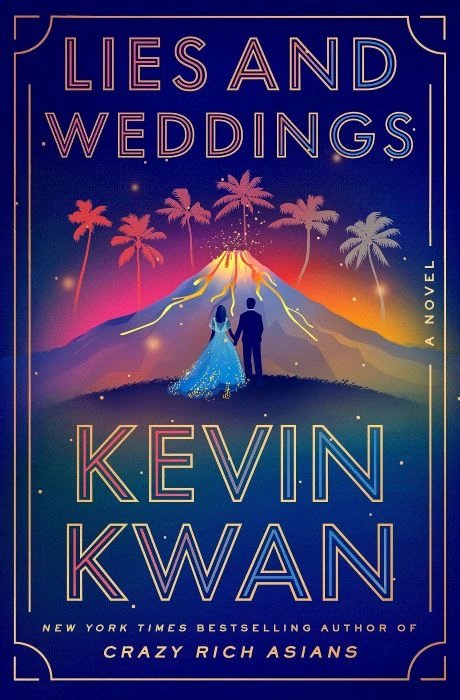
Lies and Weddings מאת קווין קוואן הוא רומן על אהבה, כסף, מעמד ומשפחה, ובעיקר על אנשים שמקדישים חלק בלתי סביר מחייהם לשאלה איך הם נראים בעיני אנשים אחרים.
וזה מצחיק מאוד.
מה שצריך לדעת
רומן מאת Kevin Kwan על משפחת אצולה בריטית השקועה בחובות, אם שמנסה לפתור את המשבר באמצעות נישואים נכונים, ויורש שמעדיף להתאהב באישה הלא נכונה.
לקוראים שאוהבים קומדיות מעמדות, סאטירה חברתית, משפחות עשירות ומופרעות, אצולה בריטית, רומנטיקה, חתונות מוגזמות והרבה מאוד כסף, מותגים וטעם יקר.
הסאטירה על כסף ומעמד, ארבלה שמנסה לביים את המציאות, הכימיה בין רופוס לאידן והאופן שבו כל ניסיון של המשפחה לשמור על תדמית מושלמת מסתיים בעוד שכבה של כאוס.
קוואן פטפטני מאוד ולעיתים נהנה יותר מדי משמות, מותגים, בתים וקשרים משפחתיים. מצד שני, הפטפטנות היא גם חלק מן העולם שהוא מתאר ומהשפה שבה הדמויות מודדות זו את זו.
משפחת גרשם היא משפחת אצולה בריטית עתיקה, בעלת אחוזה מפוארת, קשרים חברתיים נכונים וכמות מרשימה של אנשים שיודעים בדיוק לאיזה בית ספר הלך אדם שמעולם לא פגשו.
לרגל חתונתה של אוגוסטה, אחת מבנות המשפחה, כולם מגיעים לאתר הנופש היוקרתי שהקימה אמה, ארבלה, בהוואי. האירוע אמור להיות מפגן מושלם של עושר, טעם ומעמד.
כמובן, שום דבר אינו מתנהל כפי שתוכנן.
והמילה "תוכנן" חשובה כאן.
ארבלה גרשם אינה רק אם שתלטנית. היא אישה שמנסה לביים את המציאות. היא מתכננת חתונות, שידוכים, קשרים חברתיים, בגדים, הופעות בציבור ואפילו את האופן שבו בני משפחתה אמורים להתאהב. מבחינתה, החיים הם מערכת יחסי ציבור מורכבת מאוד שאסור להשאיר ליד המקרה.
הבעיה היא שלמציאות יש חוש הומור.
עוד לפני שהחתונה מתחילה באמת, הר הגעש מתפרץ. אתר הנופש החדש של ארבלה נהרס כליל, האירוע כולו נאלץ לעבור למקום חלופי, וחלק מהאורחים העשירים והמפונקים בורחים. אלה שעדין לא נחתו, פשוט עושים סיבוב פרסה באוויר ואינם טורחים להגיע.
מכאן המציאות רק מתדרדרת.
החתן מגיע לחופה מן הים כשהוא עטוי בספידו. הכלה לובשת שמלה שלא קיבלה אישור. מערכת היחסים שארבלה מנסה לבנות עבור בנה רופוס אינה מתפתחת בכיוון הרצוי. ומיקרופון פתוח משדר לאורחי החתונה הצהרת אהבה שהייתה אמורה להישאר פרטית.
יש משהו כמעט מושלם בכך שקוואן פותח את הקריסה דווקא עם כוח שאי אפשר למתג, לקנות או להזמין לארוחת ערב. ארבלה יכולה לשלוט ברשימת האורחים, בשמלות, בצילומים ובשידוכים. היא לא יכולה לשלוט במאגמה.
במרכז הספר עומדים רופוס ואידן.
רופוס הוא היורש העתידי של המשפחה. אידן היא בת למשפחה הקרובה לגרשמים מילדות. הם גדלו יחד, מכירים זה את זו היטב, והקשר ביניהם נתפס במשך שנים כחברות עמוקה וכמעט משפחתית.
רק שרופוס מגלה, באיחור מסוים ובנסיבות שאינן מאפשרות הרבה דיסקרטיות, שהוא מאוהב בה.
אידן, לעומתו, עושה עבודה מרשימה מאוד בשכנוע עצמי שאין כאן שום דבר לראות. הכול רגיל. הם חברים. הוא מבולבל. היא מבולבלת. החיים יחזרו למסלולם.
הקורא, משועשע.
הרומן ביניהם הוא רק חלק קטן ממה שנהניתי ממנו.
קוואן מצטיין במיוחד בתיאור העולם שמקיף אותם. זה עולם של כסף ישן, כסף חדש, ואנשים שמפחדים שמישהו יחשוב שהכסף שלהם חדש. עולם שבו טעם הוא סוג של מטבע, ייחוס הוא מקצוע, ובחירת שטיח יכולה להפוך להצהרה חברתית.
הדמויות שלו מגוחכות משום שהן עסוקות ללא הפסקה בדימוי שלהן. לא מספיק להיות עשיר. צריך להיראות כאילו מעולם לא חשבת על כסף. לא מספיק להיות בעל בית יפה. צריך שהבית ייראה כאילו אוסף האמנות נוצר באופן אורגני במשך מאות שנים ולא אחרי אינספור שעות עם מעצבים, יועצים ואוצרים.
אחת הסצנות האהובות עליי בספר מתרחשת כאשר עיתונאית מגיעה לכתוב כתבה על אחוזת גרשם.
ארבלה מציגה בפניה את הבית, את האמנות, את הספרייה ואת טעמה המשובח. הכול מדוד ומבוקר. אלא שבדיוק אז הכל מתחיל לקרוס לעיני העיתונאית שזוכה בסקופ לא מן העולם הזה.
בנימוס בריטי, בחיוך, ועם עורך דין שכבר עומד לשלוח הסכם סודיות, מבהירים לה שהסקופ הזה לא יראה אור.
זה אחד הדברים שקוואן עושה היטב: הכוח כמעט לעולם אינו צועק. הוא פשוט לבוש היטב.
ארבלה עצמה היא הדמות המשעשעת ביותר בספר.
ככל שהמציאות יוצאת משליטתה, היא הולכת ומאבדת את אחיזתה בה. היא מטיחה באידן האשמות מופרכות, דורשת לשרוף בגדי מעצבים מפני שהפכו מבחינתה ל"נגועים", מאשימה את בתה בכך שלא ניהלה כראוי את הרומנים של אחיה, וכל זאת בזמן שהאימפריה הכלכלית המשפחתית קורסת מסביבה.
מבחינתה, האסון הגדול אינו בהכרח מאות מיליוני דולרים של חובות.
האסון הוא שרופוס מאוהב באישה הלא נכונה.
אלא שקוואן שומר לה עוד מכה.
בטוויסט עדין בערך כמו פסנתר שנופל מחלון הוא מוחץ את ארבלה.
ולא אכפת לי.
לפעמים צדק קומי לא צריך אזמל. לפעמים הוא צריך משאית.
קוואן פטפטני, ולעיתים נדמה שהוא נהנה מהכתיבה של עצמו קצת יותר מדי. הוא אוהב שמות, מותגים, בתים, מעצבים, יצירות אמנות, מסעדות, בתי ספר וקשרים משפחתיים. לפעמים נדמה שהוא אינו מסוגל להכניס דמות לחדר בלי למסור לנו את קורות החיים של הכורסה שעליה היא מתיישבת.
אבל כאן הפטפטנות היא גם חלק מן העולם שהוא מתאר.
אלה אנשים שחיים דרך חפצים, מוסדות וסמלי מעמד. השמות אינם רק קישוט. הם השפה שבה הדמויות מודדות זו את זו.
ולמרות כל העושר, הפאר והאבסורד, הספר בסופו של דבר חם למדי. קוואן לועג לדמויות שלו, אבל אינו שונא אותן. אפילו כשהוא שולח הר געש להרוס אתר נופש, הוא עושה זאת בחיוך.
Lies and Weddings הוא רומן רומנטי, קומדיית מעמדות ופארסה משפחתית עטופה בקוטור.
הוא מוגזם, צבעוני, לעיתים פטפטני מדי, ולעיתים מצחיק עד דמעות.
אני ממש אהבתי אותו.
והפעם הספר לא נשאר רק במילים.
הוא עבר גם לנייר, צבע, גזירים ודבק, כחלק מהמדור החדש בבלוג:
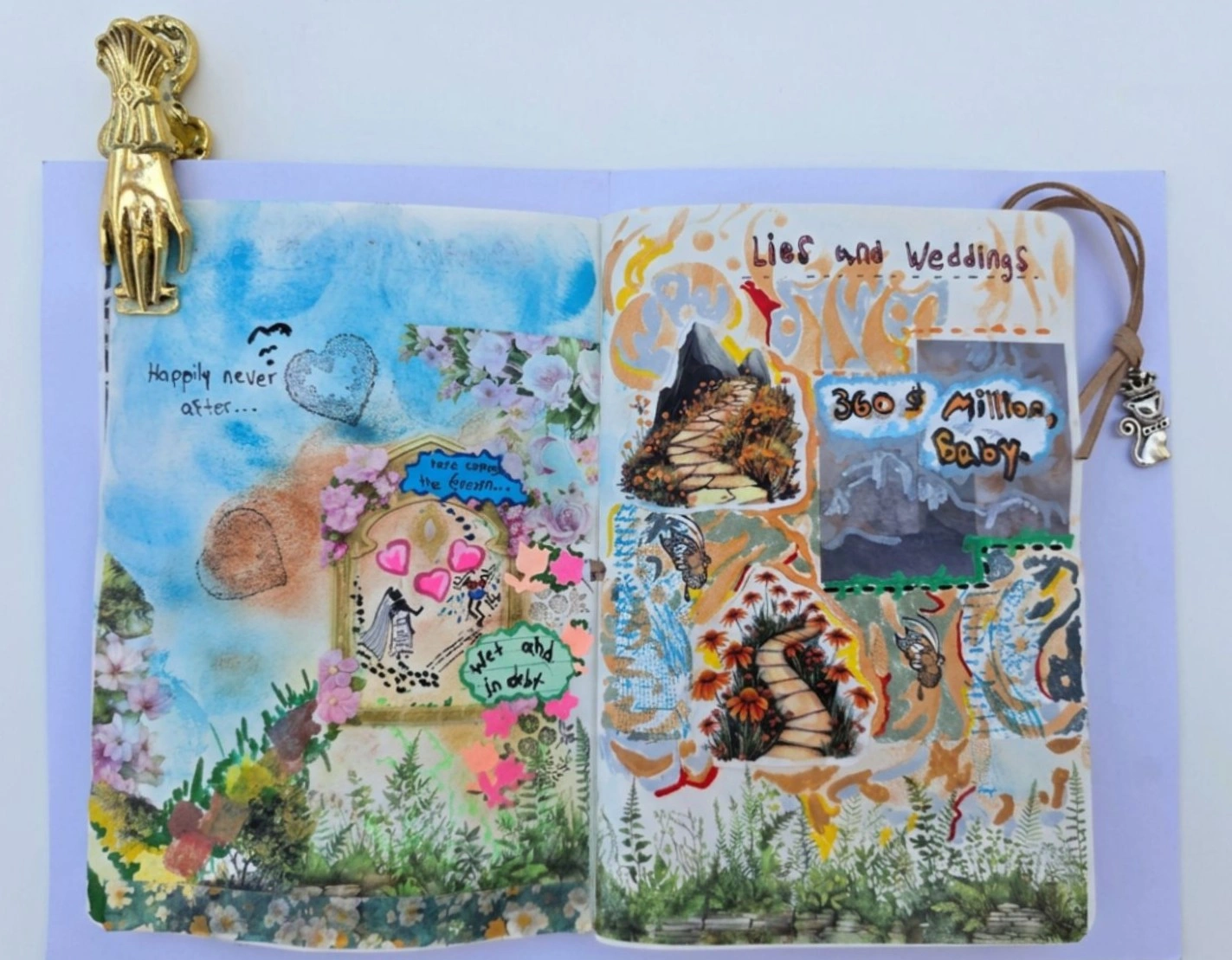
הספר הזה עבר גם לנייר
Lies and Weddings הוא עולם של צבע, ראווה, כסף ישן, חתונות מוגזמות וכאוס חברתי עטוף בקוטור. ניסיתי לתפוס בדף משהו מהפאר, מהאבסורד ומהתחושה שכל פרט אמור להיראות מושלם רגע לפני שהכול מתפרק.
לראות את הסקראפבוקLies and Weddings / Kevin Kwan
Lies and Weddings by Kevin Kwan is a novel about love, money, class, and family, but above all, about people who devote an unreasonable amount of their lives to worrying about how they appear to others.
And it is very funny.
The Greshams are an ancient British aristocratic family with a magnificent estate, all the right social connections and an impressive number of people who know exactly which school someone attended despite never having met them.
For the wedding of Augusta, one of the Gresham daughters, everyone gathers at the luxurious Hawaiian resort created by her mother, Arabella. The event is supposed to be a perfect display of wealth, taste, and status.
Naturally, nothing goes according to plan.
And the word “plan” matters here.
Arabella Gresham is not simply a controlling mother. She is a woman who attempts to stage reality. She plans weddings, marriages, social connections, clothes, public appearances and even the way her children are supposed to fall in love. To her, life is an extremely complicated public-relations operation that must never be left to chance.
The problem is that reality has a sense of humor.
Before the wedding has really begun, the volcano erupts. Arabella’s new resort is destroyed, the entire event has to move elsewhere, and some of the wealthy, pampered guests flee. Those who have not yet landed simply turn around in the air and do not bother coming at all.
From there, reality only gets worse.
The groom arrives at the wedding from the sea wearing a Speedo. The bride wears a dress that has not received approval. The relationship Arabella is trying to arrange for her son Rufus refuses to develop in the required direction. And an open microphone broadcasts a declaration of love that was supposed to remain private to the wedding guests.
There is something almost perfect about Kwan beginning the collapse with a force that cannot be branded, purchased or invited to dinner. Arabella can control the guest list, the dresses, the photographs and the matchmaking.
She cannot control magma.
At the center of the novel are Rufus and Eden.
Rufus is the future heir of the family. Eden comes from a family that has been close to the Greshams since childhood. They grew up together, know each other extremely well, and for years their relationship has been understood as a deep, almost familial friendship.
Except that Rufus discovers, rather late and under circumstances that allow very little discretion, that he is in love with her.
Eden, meanwhile, does an impressive job of convincing herself that there is absolutely nothing to see here. Everything is normal. They are friends. He is confused. She is confused. Life will return to normal.
The reader is amused.
Their romance is only a small part of what I enjoyed about the novel.
Kwan is particularly good at describing the world surrounding them. It is a world of old money, new money and people terrified that someone might think their money is new. A world in which taste is a form of currency, pedigree is a profession and choosing a carpet can become a social statement.
His characters are ridiculous because they are constantly occupied with their image. It is not enough to be rich. You must look as though you have never thought about money in your life. It is not enough to own a beautiful house. The house must look as though its art collection developed organically over several centuries rather than after countless hours spent with designers, consultants and curators.
One of my favorite scenes in the novel takes place when a journalist arrives to write an article about the Gresham estate.
Arabella shows her the house, the art, the library and her exquisite taste. Everything is measured and controlled. Except that at precisely that moment, everything begins to collapse in front of the journalist, who suddenly finds herself in possession of the scoop of a lifetime.
With British politeness, a smile and a lawyer already preparing a nondisclosure agreement, she is made to understand that this scoop will never see the light of day.
This is one of the things Kwan does very well: power almost never shouts.
It is simply well dressed.
Arabella herself is the funniest character in the novel.
As reality moves further beyond her control, she increasingly loses her grip on it. She hurls absurd accusations at Eden, demands that designer clothes be burned because she now considers them “contaminated”, accuses her daughter of failing to manage her brother’s romantic affairs properly, all while the family’s financial empire collapses around her.
As far as Arabella is concerned, the greatest disaster is not necessarily hundreds of millions of dollars in debt.
The disaster is that Rufus is in love with the wrong woman.
But Kwan has one more blow waiting for her.
In a twist about as subtle as a piano falling from a window, he crushes Arabella.
And I do not care.
Sometimes comic justice does not need a scalpel.
Sometimes it needs a truck.
Kwan is chatty, and at times he seems to enjoy his own writing a little too much. He loves names, brands, houses, designers, works of art, restaurants, schools, and family connections. Sometimes it seems that he is incapable of bringing a character into a room without first giving us the résumé of the armchair they sit in.
But here, the chattiness is also part of the world he is describing.
These are people who live through objects, institutions and status symbols. The names are not merely decoration. They are the language through which the characters measure one another.
And despite all the wealth, splendor and absurdity, the novel is ultimately rather warm. Kwan mocks his characters, but he does not hate them. Even when he sends a volcano to destroy a resort, he does it with a smile.
Lies and Weddings is a romance, a comedy of manners, and a family farce, all wrapped in couture.
It is excessive, colorful, occasionally far too chatty, and sometimes laugh-out-loud funny.
I really loved it.
And this time, the book did not remain only in words.
It also made its way onto paper, into color, cut-outs, and glue, as part of the new section on the blog:
Books, Colors and Other Forms of Damage.
לגלות עוד מהאתר Sivi's Books
Subscribe to get the latest posts sent to your email.