
Please scroll down for an English review.
קראתי את דון דלילו ב Libra בגלל טעות אופטית. ראיתי על הכריכה את רצח קנדי, וחשבתי שהנה, סוף סוף מישהו יעשה סדר. לא סדר של ויקיפדיה. סדר של ספרות. ביוגרפיה עם בשר. גם מי שלא אמריקאי חי עם התמונות האלה בראש, דאלאס 1963, הדקות שהפכו לאיקון. אמרתי לעצמי: כמה אפשר כבר להסתבך עם אירוע שהכול עליו מצולם, נידון, נטחן.
ואז דלילו הוכיח לי שהטעות הייתה שלי. הוא לא בא לספר “מה קרה”. הוא בא להראות איך אירוע מפסיק להיות היסטוריה והופך למדיה, למיתוס, לדת אזרחית. ולכן הוא לא נותן אחיזה. הוא מפזר ערפל. הוא קופץ בזמנים. הוא מעמיס דמויות ושמות ותפקידים עד שהמוח מתחיל להתנהג כמו אמריקה שהוא מתאר, מחפש תבנית, מחפש רוצח יחיד, מחפש קו ישר, מחפש משהו לסגור איתו את הלילה.
וכאן התמונה מתרחבת. כי Libra לא מדבר רק על רצח נשיא. הוא מדבר על תרבות שהפכה חוסר בהירות לשיטה ממוסדת. לא תקלה. שיטה שמייצר עוד מידע ועוד פרשנות ועוד “זווית”, לא כדי להבין, אלא כדי להתחמק מהדבר הפשוט: אין נחמה. גם כאן השיטה עובדת, רק בלי המבטא האמריקאי. ברגע שמשהו קורה, מלחמה, פיגוע, אסון, ערוצי החדשות נכנסים ללולאת שידור של שעות. כשאין מידע, לא שותקים. מייצרים. מומחים מטעם עצמם מייצרים עובדות, מייצרים “אמת” בריבוי גרסאות. הכול כדי למנוע את הדבר היחיד שמסוכן באמת, דממה. רגע אחד שבו מישהו נשאר לבד עם מה שקרה. זו לא פרשנות. זו תעשייה של הסחת דעת בתחפושת של הבנה. וזו בדיוק הסיבה ש-Libra הרגיש לי כמו שידור.
ההשוואה לסטיבן קינג בלתי נמנעת וכואבת. אצל קינג, גם כשיש ערפל, יש חוט. יש דמות שאפשר להחזיק בה. אצל דלילו החוט הוא ההיעדר. דלילו מפר את ההסכם הבסיסי של הסיפור. הוא משתמש בדמויות של בשר ודם כדי למכור לי ארכיטקטורה של משרד ממשלתי. הוא לוקח את אותו חומר גלם והופך אותו לתדר של רעש. הוא מעניש את הקורא.
אפשר לקרוא לזה מורכבות. אני קראתי לזה טכניקה שמאוהבת בעצמה. אחרי תשע שעות של קריאה מייגעת, המסקנה שלי היא פסק דין פשוט: כשהספר הופך לרעש, הוא מפסיק להיות אמנות והופך למטרד. דלילו לא נותן לקורא מנוחה, לא בגלל שהנושא דורש זאת, אלא בגלל שהטכניקה שלו מתאהבת ביכולת שלה להחזיק אותך באפלה ולקרוא לזה “תובנה”. סיימתי את הספר לא בתחושת הארה, אלא בתחושה של בזבוז.
והכי מכעיס? התזה שלו נכונה. קונספירציה היא באמת הצורך הנואש שלנו להאמין שמישהו מנהל את הכאוס. דלילו מבין את הפיתוי הזה, אבל הוא בוחר להיות הסוחר שמוכר את הסם במקום הרופא שמאבחן אותו. הוא לא מנתח את הערפל, הוא מייצר אותו בייצור המוני.
בכל הקריאה ליוותה אותי תחושת יהירות של סופר שחושב שהזמן של הקורא הוא חומר לניסויים ספרותיים. ובעולם שכבר חי בתוך תדר בלתי פוסק של רעש, Libra לא מאיר את המציאות. הוא מוסיף לה שכבה.
Libra הוא לא ספר על רצח קנדי. הוא הרצח השני שלו, הפעם על ידי ספרות שמעדיפה את התיאוריה שלה על פני האדם שהחזיק את הרובה.
Libra/ Don DeLillo
Kindle Edition, 1988, 468 Pp
דירוג SIVI –
איכות אודיו –
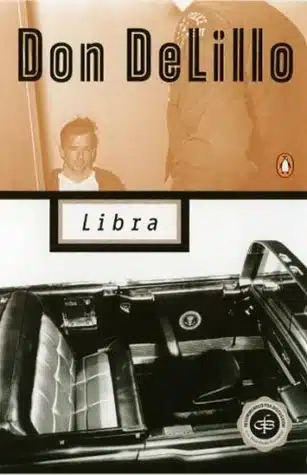
I read Don DeLillo’s Libra because of an optical mistake. I saw the Kennedy assassination on the cover and thought: finally, someone will make sense of it. Not Wikipedia sense. Literary sense. A biography with flesh on it. Even if you’re not American, those images live in your head: Dallas, 1963, minutes turned into an icon. I told myself, how complicated can an event be when everything about it has been filmed, discussed, chewed into pulp?
And then DeLillo proved the mistake was mine. He didn’t come to tell me “what happened.” He came to show how an event stops being history and becomes media, myth, a civil religion. So he refuses to give you a grip. He spreads fog. He jumps through time. He piles up people, names, roles, until your brain starts behaving like the America he describes: searching for a pattern, searching for a lone killer, searching for a straight line, searching for something to close the night with.
And then the picture widens. Because Libra isn’t only about a president being shot. It’s about a culture that turned lack of clarity into an institutional method. Not a glitch. A system that generates more information, more interpretation, more “angles,” not to understand, but to dodge the simplest fact: there is no consolation. The same system works here, too, just without an American accent. The moment something happens, war, terror, disaster, the news loops for hours. When there’s no information, they don’t go quiet. They manufacture. Self-appointed experts manufacture facts, manufacture “truth” in multiple versions. All of it to prevent the only thing that’s truly dangerous: silence. One moment where someone is left alone with what happened. That isn’t commentary. It’s an industry of distraction dressed up as understanding. And that’s exactly why Libra felt to me like a broadcast.
The comparison to Stephen King is unavoidable and painful. With King, even in fog, there’s a thread. There’s a character you can hold onto. With DeLillo, the thread is absence. He breaks the basic pact of storytelling. He uses human beings as raw material to sell me the architecture of a government office. He takes the same material and turns it into a frequency of noise. He punishes the reader.
You can call it complexity. I called it a technique in love with itself. After nine exhausting hours, my conclusion is a plain verdict: when a book becomes noise, it stops being art and becomes a nuisance. DeLillo doesn’t deny the reader rest because the subject demands it, but because his technique falls in love with its own ability to keep you in the dark and call it “insight.” I finished the book not with illumination, but with the feeling of wasted time.
And the most infuriating part? His thesis is right. Conspiracy is our desperate need to believe someone is managing chaos. DeLillo understands that temptation, but he chooses to be the dealer selling the drug rather than the doctor diagnosing it. He doesn’t analyze the fog; he mass-produces it.
All through the reading, I felt the arrogance of a writer who treats the reader’s time as material for literary experiments. And in a world already living inside an endless frequency of noise, Libra doesn’t light up reality. It adds another layer.
Libra isn’t a book about the Kennedy assassination. It’s the second murder of it, this time by literature that prefers its theory to the man who held the rifle.
לגלות עוד מהאתר Sivi's Books
Subscribe to get the latest posts sent to your email.