
Please scroll down for an English review.
"Elegy: The First Day on the Somme" של אנדרו רוברטס הוא כתב אישום חריף נגד היומרה המודרנית. זהו הרגע ההיסטורי שבו האמנו שניתן למשול בכאוס באמצעות תרשימים, טבלאות וסטטיסטיקה. הקריאה בו יוצרת תחושת ניכור עמוקה, משום שהספר אינו מאפשר עמדה נוחה. הוא מציב את הקורא מול מתח בלתי פתור בין שתי דרכי הסתכלות: האסון כתוצאה של איוולת אנושית עיקשת, והאסון כתוצר של אילוצים טכנולוגיים ואסטרטגיים שלא הותירו ברירה אמיתית.
ה־1 ביולי 1916 נחרת כפצע פתוח בתודעה האירופית. ביום אחד בלבד נפגעו למעלה מ־57,000 חיילים בריטים. רוברטס מפרק בקפדנות את האסטרטגיה שהובילה לטבח, ובראשה האמונה של הפיקוד העליון, בהנהגת דאגלס הייג, שהפצצה ארטילרית ממושכת תפורר את הקווים הגרמניים. במבט ראשון קל לזהות כאן את דפוס ה"איוולת" שתיארה ברברה טוכמן: עיוורון של אנשי המאה ה־19 מול מציאות תעשייתית קטלנית. אך רוברטס מציע קריאה פחות נוחה. הייג אינו מוצג כאדם מנותק, אלא כמי שפעל מתוך מלכודת תקשורתית. בהיעדר קשר רציף עם החזית, בתוך ערפל קרב מוחלט, הצעדה האיטית והשורות המסודרות שימשו ניסיון נואש לסדר מינימלי בעולם שהתפרק ברגע שהחיילים יצאו מן השוחות.
הדיון המוסרי מתחדד כאשר מרחיבים את המבט אל ורדן. הסום לא היה אירוע מבודד, אלא תגובה אסטרטגית למציאות שבה הצבא הצרפתי עמד על סף קריסה. כאן מתגלה הפער האכזרי בין כישלון טקטי לבין היגיון אסטרטגי רחב. מה שנראה בשטח כהתעקשות חסרת שחר מקבל משמעות אחרת כאשר מבינים את המחיר האפשרי של הימנעות מפעולה. ההיסטוריה, כפי שעולה מן הספר, אינה מציעה חלופות מוסריות ברורות. לעיתים כל האפשרויות רעות, והבחירה היא בין אסון גלוי לבין אסון סמוי וגדול יותר.
רוברטס אינו עוצר באבל. הוא מציג את האופן שבו מתוך ההרס של היום הראשון בסום צמחה עקומת למידה כואבת. הצבא הבריטי השתנה. הוא שילב טנקים, פיתח תיאום בין זרועות והפך לגוף לוחם יעיל בהרבה. כאן נוצר הדיסוננס המרכזי של הספר: אותן עגלות שהובילו גופות הובילו גם לקחים. אין כאן נחמה ואין הכרעה מוסרית מרגיעה. שתי האמיתות מתקיימות זו לצד זו, והמחיר שלהן נותר פתוח.
הספר מצביע על רגע מכריע בתולדות אירופה, המעבר מאמונה דתית לאמונה בנתונים. על אדמת הסום הסטטיסטיקה הפכה לכוח מכוון, והחייל הבודד חדל להיות סובייקט והפך ליחידה בתוך מערכת ניהול משברים תעשייתית. ובכל זאת, בתוך המנגנון הזה, רוברטס מתעכב על רגעים קטנים של אנושיות: נגן חלילים סקוטי הממשיך לנגן תחת אש, מחווה פרטית של עמידה אנושית מול מוות מכני. המתח בין האבסורד לזוועה, בין משמעת לסדק, הוא לב המודרנה שהספר מבקש לחשוף.
"Elegy" מטלטל משום שהוא מסרב להאשים דמויות בודדות. הוא חושף מנגנון. מנגנון שנולד מיוהרה אנושית מוכרת, מן האמונה שניתן לנהל את הבלתי ניתן לניהול. הקינה שמציע רוברטס אינה נוסטלגית ואינה מוסרנית. זוהי אזהרה מפוכחת: עולם שבו המפות מוכתמות בדם עוד לפני שהקרב החל, אינו תוצאה של רשעות יוצאת דופן, אלא של ניסיון עיקש לשלוט במציאות שגדולה מכפי שהתבונה האנושית מסוגלת להכיל.
Elegy: The First Day on the Somme/ Andrew Roberts
Kindle Edition, 2015, 305 Pp
דירוג SIVI –
איכות אודיו –
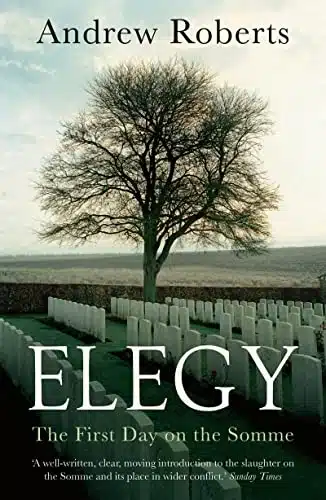
Elegy: The First Day on the Somme is a searing indictment of modern hubris. It captures the historical moment in which we came to believe that chaos could be mastered through charts, tables, and statistics. Reading it produces a deep sense of alienation, because the book refuses to offer the reader a comfortable moral position. Instead, it places us before an unresolved tension between two interpretations of catastrophe: disaster as the result of persistent human folly, and disaster as the outcome of technological and strategic constraints that left no genuine alternatives.
July 1, 1916, is etched into the European consciousness as an open wound. In a single day, more than 57,000 British soldiers were killed or wounded. Roberts meticulously dismantles the strategy that led to the slaughter, beginning with the faith of the British high command under Douglas Haig that prolonged artillery bombardment would shatter the German lines. At first glance, this appears to be a classic case of the “folly” described by Barbara Tuchman: nineteenth-century blindness confronting industrial-scale killing. Yet Roberts offers a more unsettling reading. Haig is not portrayed as detached or indifferent, but as a commander trapped in a catastrophic communication gap. In the absence of reliable contact with the front, amid the fog of war, the slow advance in ordered lines became a desperate attempt to impose minimal structure on a world that collapsed the moment the soldiers left their trenches.
The moral stakes sharpen when the focus widens to Verdun. The Somme was not an isolated event, but a strategic response to a situation in which the French army stood on the brink of collapse. Here, the brutal gap between tactical failure and broader strategic logic becomes visible. What appears on the ground as senseless obstinacy acquires a different meaning when weighed against the potential cost of inaction. History, as the book makes clear, rarely offers clean moral choices. At times, all available options are disastrous, and the decision lies between visible catastrophe and a greater, unseen one.
Roberts does not end with mourning. He traces how, from the devastation of the first day on the Somme, a painful learning curve emerged. The British army changed. It integrated tanks, improved coordination between branches, and became a far more effective fighting force. Here lies the book’s central dissonance: the same wagons that carried the dead also took lessons. There is no consolation here, no reassuring moral resolution. Both truths coexist, and their cost remains unresolved.
The book identifies a pivotal moment in European history: the transition from religious faith to faith in data. On the fields of the Somme, statistics became a guiding force, and the individual soldier ceased to be a subject, reduced instead to a unit within an industrial system of crisis management. And yet, within this mechanism, Roberts pauses over small moments of humanity: a Scottish bagpiper continuing to play under fire, a private gesture of human defiance in the face of mechanized death. The tension between absurdity and horror, between discipline and fracture, lies at the heart of the modernity the book seeks to expose.
Elegy is unsettling precisely because it refuses to assign blame to isolated individuals. It exposes a mechanism. A mechanism born of a familiar human arrogance: the belief that the unmanageable can be managed. The elegy Roberts offers is neither nostalgic nor moralistic. It is a sober warning. A world in which maps are stained with blood before the battle begins is not the product of exceptional cruelty, but of a relentless attempt to control a reality larger than human reason can contain.
לגלות עוד מהאתר Sivi's Books
Subscribe to get the latest posts sent to your email.