Please scroll down for an English review.
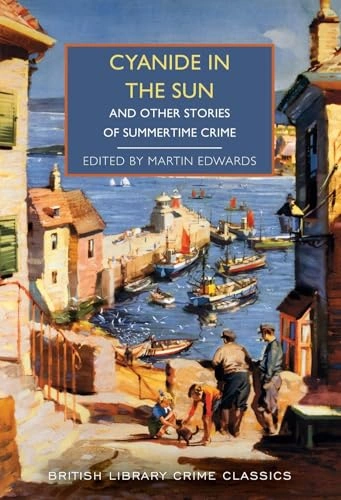
Cyanide in the Sun הוא קובץ סיפורי פשע קצרים בעריכת מרטין אדוארדס, העוסק בתעלומות חופשה מתקופת תור הזהב של הפשע.
חופשה אמורה להיות יציאה מן השגרה, מנוחה, שמש, ים, תנועה ושינוי אווירה. בסיפורי פשע, לעומת זאת, החופשה היא לעיתים קרובות בדיוק ההפך: יציאה מן הסביבה המוכרת, מעבר למלון, פנסיון, טיול מאורגן או חוף ים, ומפגש עם זרים שאין לנו שום דרך אמיתית להכיר. מתחת לשמש מסתתרת אמת ישנה: אל תיקחו סוכריה מזרים.
בקובץ מופיעים סיפורים מאת כותבים וכותבות מתקופות שונות של ספרות הפשע הבריטית.
כמו בכל קובץ סיפורים, הרמה אינה אחידה. ביניהם ניתן למצוא סיפורים שהם בעיקר תרגיל בלשי קטן, לצד פנינים שיכלו להתפתח לרומן שלם. מבחינתי, שלושה סיפורים מתבלטים מעל האחרים: The Summer Holiday Murders, The Holiday, ו־Cyanide in the Sun.
מה שצריך לדעת
קובץ סיפורי פשע קצרים בעריכת Martin Edwards, העוסק בחופשות, מלונות, טיולים מאורגנים, עיירות חוף ואנשים שמגלים כי יציאה מן השגרה אינה בהכרח יציאה מן הסכנה.
לקוראים שאוהבים סיפורי פשע מתור הזהב, תעלומות קצרות, מלונות ובתי הארחה, חופשות שהשתבשו, אירוניה שחורה וקבצים שמציגים סגנונות שונים של כתיבה בלשית.
הסיפורים הטובים משתמשים היטב בחופשה כמצב של חשיפה וחוסר ודאות. The Summer Holiday Murders, The Holiday ו־Cyanide in the Sun בולטים במיוחד בזכות העלילה, האווירה והאופן שבו הם הופכים מקום נופש לזירת איום.
כמו בקובצי סיפורים רבים, הרמה אינה אחידה. חלק מן הסיפורים מרגישים כמו תרגילים בלשיים קצרים ואינם משאירים רושם רב, בעוד אחרים עשירים מספיק כדי לשאת רומן שלם.
הסיפור החותם את הקובץ, The Summer Holiday Murders מאת Julian Symons, הוא בעיניי הסיפור החזק ביותר בו. הוא ארוך ועמוס יחסית, ובכל זאת כל העומס הזה משרת תחושה של סיפור פשע מלא. במרכזו נמצא גילברט לנגהם, סופר פשע שיוצא לטיול מאורגן כדי לאסוף חומר לרומן הבא שלו, ומוצא את עצמו בתוך עלילה שנראית כאילו יצאה מספר פשע: רציחות במהלך הטיול, ספרים שמונחים ליד גופות, מדריך טיולים מפוקפק, עוקץ יהלומים מזויפים, חשדות מתחלפים, ותעלומה שהולכת ונעשית מורכבת יותר ככל שהמסלול מתקדם.
הסיפור אינו מסתפק ברצף של מקרי מוות, אלא בונה סביבם תחושה של תכנון רחב יותר. יש בו משהו קר ומבהיל: התחושה שבני אדם אינם רק קורבנות, אלא גם חלקים בתוך סיפור שמישהו אחר מנסה לכתוב. זו מחשבה אפלה הרבה יותר מעוד שאלת “מי היה יכול להגיע אל הצוק בשעה שש”.
הסיפור גם משתמש יפה מאוד במסגרת של הטיול המאורגן. קבוצת אנשים זרים, מדריך חלקלק, עצירות חוף, שעמום וחשדנות. כל אחד מהקבוצה נראה חשוד לרגע, וכל עצירה במסלול מוסיפה עוד שכבה של אי־נוחות. הטיול, שאמור להיות חוויה מהנה ומשחררת, הופך למנוע של תנועה בעלילה.
הסיום מוצלח מאוד, עם אירוניה שחורה שסוגרת את הסיפור בצורה חדה. הוא לא בהכרח הסיפור האלגנטי ביותר בקובץ, אבל הוא הרחב, המספק והדרמטי ביותר, ובעיניי גם החזק שבהם.
הסיפור השני שבולט הוא The Holiday מאת Ethel Lina White. זה סיפור פסיכולוגי, שמתרחש בבניין דירות בזמן שרוב הדיירים יצאו לחופשה. שתי הדמויות המרכזיות בו הן ג’נט, צעירה עובדת שמתכננת חופשה אבל למעשה כלואה בשגרת חיים דלה ומתישה, וביוון, גבר חולה ומרותק לדירה, שמכיר את חיי השכנים דרך רעשי הבית, הצינורות וההרגלים הקטנים שלהם.
כאשר פושע נמלט נכנס לדירתה של ג’נט ומחזיק אותה כבת ערובה, החופשה שלה הופכת למאסר ממשי. ג’נט כלואה בחיים שתוכננו סביב עבודה, חיסכון ודחיית סיפוקים אינסופית. ביוון כלוא בגופו ובחדרו. שניהם אנשים שקופים, והסיפור הופך את השקיפות הזו למרכז שלו.
בעיניי זה אחד הסיפורים האנושיים ביותר בקובץ.
הסיפור השלישי הוא הסיפור שעל שמו נקרא הקובץ, Cyanide in the Sun מאת Christianna Brand. זוהי ספרות תור הזהב במובן המהונדס והמבריק ביותר שלה. בבית הארחה בעיירת חוף, בעלת המקום מספרת לאורחיה על סדרת רציחות ציאניד שהתרחשו באזור. האווירה כמעט קומית: אוכל, רכילות, אנשים שלא רוצים לעזוב כי כבר שילמו, ושמש קיצית שממשיכה לזרוח.
בהדרגה, מה שנשמע בתחילה כמו סיפור מקומי מצמרר, הופך לאיום ממשי.
זה סיפור מבריק ולא פלא שהקובץ נקרא על שמו. הוא מצליח להיות גם פאזל טכני וגם סיפור אווירה. ציאניד בשמש, לא במרתף אפל. מוות בזמן חופשת קיץ, בקבוצה של אנשים שמנסים לשכנע את עצמם שהכול בשליטה. זה בדיוק סוג הסיפור שהופך תרגיל בלשי טוב למשהו שנשאר בראש.
מעבר לשלושת הסיפורים האלה יש בקובץ לא מעט סיפורים מוצלחים. Crooked Harvest מאת Shelley Smith הוא סיפור עוקץ קטן ואלגנטי מאוד, שבו אדם שנראה תמים מתגלה כמי שהבין את התרמית מהרגע הראשון.
Even Murderers Take Holidays מאת Michael Gilbert הוא סיפור קצר, חד ומשעשע על רוצח מקצועי שיוצא לחופשה ומגלה שהמקצוע שלו לא יצא לחופשה ממנו. Two on a Tower מאת Michael Innes בנוי על רעיון מעניין של התאבדות מבוימת כרצח, מתוך ניסיון להפליל מאהב.
Cyanide in the Sun הוא קובץ ראוי לקריאה ומספק, גם אם לא כל הסיפורים בו באותה רמה. כוחו המרכזי הוא באופן שבו הוא משתמש בחופשה כמצב חשוף ומסוכן.
הסיפורים הטובים ביותר בקובץ מגלמים את התובנה שחופשה היא גם פנטזיה חברתית: כולם אמורים ליהנות, להירגע, להיות אסירי תודה, לא לעשות בעיות. ולכן דווקא שם, במקום שבו כולם מחייכים, פשע, פחד וכעס יכולים להתגנב בקלות מפתיעה.
קובץ מהנה, חכם, ולעיתים ממש מצוין. לא כל סיפור בו בלתי נשכח, אבל כשהוא טוב, הוא טוב מאוד. שלושת הסיפורים הבולטים בו שונים מאוד זה מזה, ויחד הם מוכיחים שחופשה ספרותית טובה היא לעיתים קרובות בדיוק החופשה שממנה עדיף לא לחזור באוטובוס האחרון.
British Library Craim Classic #
Cyanide in the Sun / Edited by Martin Edwards
Cyanide in the Sun, edited by Martin Edwards, is a collection of short crime stories about holiday mysteries from the Golden Age of crime fiction.
A holiday is supposed to be an escape from routine: rest, sunshine, the sea, movement and a change of scenery. In crime fiction, however, a holiday is often precisely the opposite. It removes people from familiar surroundings and places them in hotels, boarding houses, organized tours or seaside resorts, among strangers they have no real way of knowing. Beneath the sunshine lies an old truth: never take sweets from strangers.
The collection includes stories by male and female writers from different periods of British crime fiction.
As with any short-story collection, the quality is uneven. Some stories are mainly small detective exercises, while others are gems that could easily have been developed into full-length novels. For me, three stories stand above the rest: The Summer Holiday Murders, The Holiday, and Cyanide in the Sun.
The final story in the collection, The Summer Holiday Murders by Julian Symons, is the strongest one in my opinion. It is relatively long and crowded with events, but all those details help create the feeling of a complete crime story. At its center is Gilbert Langham, a crime novelist who joins an organized tour in search of material for his next book and finds himself inside a plot that seems to have escaped from a crime novel: murders during the journey, books placed beside bodies, a suspicious tour guide, a scheme involving fake diamonds, shifting suspicions, and a mystery that becomes more complicated as the route continues.
The story does not settle for a sequence of deaths. It builds around them the sense of a much larger plan. There is something cold and frightening in the idea that human beings are not merely victims, but pieces inside a story someone else is trying to write. That is a much darker thought than another question about who could have reached the cliff at six o’clock.
The organized-tour setting is also used very effectively. A group of strangers, a slippery guide, seaside stops, boredom and suspicion. Each member of the group appears suspicious for a moment, and every stop along the route adds another layer of discomfort. The tour, which should have been enjoyable and liberating, becomes the engine that keeps the plot moving.
The ending is very successful, with a note of black irony that closes the story sharply. It may not be the most elegant story in the collection, but it is the broadest, most satisfying and most dramatic, and in my opinion the strongest.
The second story that stands out is The Holiday by Ethel Lina White. It is a psychological story set in an apartment building while most of the residents are away on holiday. Its two central characters are Janet, a young working woman who plans a holiday but is actually trapped in a poor and exhausting routine, and Bevan, an ill man confined to his apartment who knows the lives of his neighbors through the sounds of the building, its pipes, and their small habits.
When an escaped criminal enters Janet’s apartment and holds her hostage, her holiday becomes a literal imprisonment. Janet is trapped in a life built around work, saving money, and endlessly postponing pleasure. Bevan is trapped in his body and in his room. Both are invisible people, and the story turns that invisibility into its center.
For me, this is one of the most humane stories in the collection.
The third is the title story, Cyanide in the Sun by Christianna Brand. This is Golden Age crime fiction at its most carefully engineered and brilliant. In a guesthouse in a seaside town, the landlady tells her guests about a series of cyanide murders that took place in the area. The atmosphere is almost comic: food, gossip, people who do not want to leave because they have already paid, and summer sunshine that continues to shine.
Gradually, what first sounds like a chilling local story becomes a real threat.
It is a brilliant story, and it is easy to understand why the collection was named after it. It succeeds both as a technical puzzle and as a story of atmosphere. Cyanide in sunlight rather than in a dark cellar. Death during a summer holiday, among a group of people trying to convince themselves that everything is under control. This is exactly the kind of story that turns a good detective exercise into something that remains in the mind.
Beyond these three stories, the collection contains several other successful pieces. Crooked Harvest by Shelley Smith is a small and very elegant confidence trick in which a man who appears innocent is revealed to have understood the fraud from the beginning.
Even Murderers Take Holidays by Michael Gilbert is a short, sharp, and amusing story about a professional killer who goes on holiday and discovers that his profession has not taken a holiday from him. Two on a Tower by Michael Innes is built around the interesting idea of staging a suicide as a murder in an attempt to frame a lover.
Cyanide in the Sun is a worthwhile and satisfying collection, even though not all the stories are of equal quality. Its main strength lies in how it uses the holiday as a time of exposure and danger.
The best stories in the collection embody the understanding that a holiday is also a social fantasy. Everyone is supposed to enjoy themselves, relax, be grateful and avoid causing trouble. That is precisely why crime, fear and anger can slip so easily into a place where everyone is smiling.
This is an enjoyable, intelligent and sometimes excellent collection. Not every story is unforgettable, but when it is good, it is very good. The three strongest stories are very different from one another, and together they prove that a good literary holiday is often exactly the kind of holiday from which it is better not to return on the last bus.
לגלות עוד מהאתר Sivi's Books
Subscribe to get the latest posts sent to your email.