
Please scroll down for an English review.
Alan Turing: The Enigma היא לא ביוגרפיה. זו הוכחה מתמטית בתחפושת של חיים.
אנדרו הודג'ס, בעצמו מתמטיקאי, כתב ספר מרשים בכמות העובדות, מפרך לקריאה וחף כמעט מכל רגש.
זו אינה ביוגרפיה במובן האנושי של המילה, אלא מסה שמנסה להוכיח תיאוריה על אדם שהיה תיאוריה בפני עצמו.
בחלקים הראשונים עוד נושבת הבטחה: טיורינג הילד, האהבה הראשונה שלו לכריסטופר מורקום, הניסיון הנוגע ללב למצוא היגיון במוות דרך פיזיקה קוונטית ואמונה.
אבל מהר מאוד הודג'ס חונק את כל זה תחת שכבות של לוגיקה פורמלית, ניסוחים טכניים, ואובססיה לפרטים שלא קשורים לחיים אלא לנוסחאות.
במקום להבין את הנפש שיצרה את מכונת טיורינג, אנחנו נקלעים למסלול עינויים מתמשך שמפרט איך נולדה הלוגיקה המודרנית, צעד אחרי צעד, משפט אחרי משפט, עד שכמעט שוכחים שיש כאן אדם.
הספר נע בין פיזיקה של הנפש ללוגיקה של ייאוש.
טיורינג יוצא ממנו כהישג מתמטי, לא כבשר ודם. רק לעיתים רחוקות מבליחים רגעים של חיים אמיתיים, שיחה, צחוק, ריצה, רוך, ואז שוב הם נבלעים תחת מבול של מושגים מתמטיים שהופכים את הקריאה למבחן סיבולת.
וזו אולי תמצית הטרגדיה של הביוגרפיה:
במקום להבין את הנפש שיצרה את מכונת טיורינג, הודג'ס מפרק את המכונה ומותיר את הנפש מאחור.
הוא עוקב אחר כל צעד של ההיגיון, אבל מאבד את תחושת הצעדה עצמה.
זהו ספר שמנסה ללכוד את הרוח דרך משוואה וכמו כל משוואה, הוא מאבד את החום ברגע שהוא מגיע לפתרון.
מה שנשאר הוא אדם שמתפקד כמעבדה, לא כיצור חי.
אם הסרט The Imitation Game הפך את טיורינג לדמות אנושית, הרי שהספר של הודג'ס עושה את ההפך: הוא הופך את האנושיות שלו למערכת דיפרנציאלית.
זהו ספר שמעריץ את השכל ושוכח את האדם.
בסופו של דבר, Alan Turing: The Enigma הוא הישג אינטלקטואלי עצום ופספוס רגשי משווע.
במקום להבין את האיש ששינה את ההיסטוריה, אנחנו מקבלים תיעוד יבש של איך נולדה שפת המחשב, אבל לא איך נולדה בדידות.
פסק דין:
ביוגרפיה לגאונים בלבד. מי שמחפש אדם ימצא אלגוריתם.
Alan Turing: The Enigma/ Andrew Hodges
Kindle Edition, 1983, 762 Pp
דירוג SIVI –
איכות אודיו –
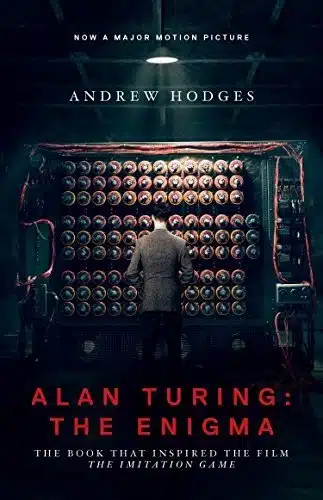
Alan Turing: The Enigma is not a biography.
It’s a mathematical proof disguised as a life.
Andrew Hodges, a mathematician himself, wrote a book impressive in its scope, exhausting to read, and emotionally sterile.
It isn’t a biography in the human sense of the word, but a logical treatise trying to prove a theorem about a man who was a theorem himself.
The opening chapters still carry promise – young Turing, his first love Christopher Morcom, his touching attempt to find reason in death through quantum physics and faith.
But very soon, Hodges suffocates it all under layers of formal logic, technical phrasing, and an obsession with details that belong to formulas, not to life.
The book oscillates between the physics of the soul and the logic of despair.
Turing emerges as a mathematical achievement, not as flesh and blood.
Moments of real life —conversations, laughs, runs, touches—flicker and fade beneath a flood of mathematical terminology that turns reading into an endurance test.
And that may be the true tragedy of this biography:
Instead of understanding the mind that created the Turing machine, Hodges dissects the machine, leaving the mind behind.
He follows every step of logic but forgets the rhythm of the walk.
It’s a book that tries to capture the spirit through an equation – and like every equation, it loses the warmth the moment it finds a solution.
What remains is a man functioning as a laboratory, not as a living being.
If The Imitation Game made Turing human, Hodges’ book does the opposite: it turns his humanity into a differential system.
It’s a book that worships intellect and forgets compassion.
In the end, Alan Turing: The Enigma is an immense intellectual achievement — and a heartbreaking emotional failure.
Instead of revealing the man who changed history, it documents how the language of computers was born — but not how loneliness was.
Verdict:
A biography for geniuses only.
Those who seek a man will find an algorithm.
לגלות עוד מהאתר Sivi's Books
Subscribe to get the latest posts sent to your email.