Please scroll down for an English review.
שכול וכשלון וזומבים מחזיר את ברנר לחיים כדי להוכיח שהאדם החדש לא נכשל, אלא הצליח בדמותו המפלצתית ביותר. אמיר חרש לא משתמש בזומבים כגימיק ז'אנרי ולא כקריצה פוסטמודרנית למאורעות תרפ״א. הוא משתמש בהם כדי לחשוף את הצורה הברברית של חלום התחייה, גוף שקם ופועל אחרי שהתודעה, הפליאה והבלמים האנושיים התרוקנו ממנו. זה לא עוד רומן על אפוקליפסה. זה רומן על חברה שהפכה לזומבית הרבה לפני שהופיע הפגח הראשון.
העלילה, על פניה, נשמעת כמו תעלול: ביקום חלופי, מאורעות תרפ״א הם מתקפת זומבים. ברנר וחבריו נצורים בבית חווה, מנותקים מן העולם, ממתינים לעזרה שאינה באה, ומנסים להחזיק מעמד מול הפגחים, אותם מתים־חיים שנעים, נושכים, מצטברים וכובשים. אבל הזומבים כאן אינם האטרקציה. הם הצורה העירומה ביותר של מה שהאדם עלול להיות כשהוא מתרוקן מתודעה, מפליאה וממצפון. לא מפלצת, מנגנון.
הפגח איננו מפלצת שבאה מבחוץ. הוא המימוש הקיצוני של מה שהשפה הציונית ביקשה לייצר, אדם נטול היסוס, נטול קיפאון, נטול עודף תודעה, איש מעשה שאינו מתעכב על ספקות ואינו נתקע בגלות הפנימית של עצמו. כשמתה הפליאה, נותר רעב מכני. כשההיסוס מתאדה, נשארת תנועה בלבד. לכן הפגח אצל חרש איננו סמל גס אלא פסק דין. רציתם תחייה, קיבלתם גוף שקם ופועל. רציתם אדם חדש, קיבלתם יצור שאין לו עוד בלמים אנושיים. הפגח הוא איש המעשה האולטימטיבי מפני שהוא ויתר על כל מה שעושה את האדם ליותר ממנגנון.
דווקא משום כך הספר מפחיד באמת. לא בגלל נשיכות, מצור וגופות, אלא מפני שהוא מבין שהאסון איננו המוות אלא הריקון. חרש לא שואל מה קורה כשהמתים קמים. הוא שואל מה קורה כשהחיים ממשיכים לנוע אחרי שהתודעה, החמלה וההשתהות התרוקנו מהם. הזומבים אינם חריג בתוך הספר אלא גרסתם הכנה ביותר של המנגנונים האחרים שפועלים בו: הלאום, הצבא, שפת הגאולה, ואפילו הספרות. כולם תובעים מן האדם לוותר על משהו מעצמו בשם תכלית גבוהה. אצל חרש, התכלית הזאת חוזרת כפגר חי. הספר מסרב לשקר על האופן שבו חברה נשברת. מתקפת הזומבים אינה הורסת קהילה איתנה. היא רק חושפת שהאמון היה סדוק הרבה לפני הנשיכה הראשונה.
במקום שבו האחר הוא נגוע פוטנציאלי, אין עוד חברה. יש אוסף של פחדים. יש עיניים שבודקות זו את זו. השפה מנסה להישמע קולקטיבית, בזמן שהנפש כבר נסוגה אל הישרדות פרטית. הפירוק האמיתי אינו מתרחש ברגע החדירה מבחוץ; הוא מתחיל ברגע שבו כל אדם רואה בזולתו איום שמחכה להתממש.
רבקה היא אחת הדמויות החשובות בספר מפני שהיא מסרבת להיות אלגוריה נוחה. היא אמא, היא זוכרת, היא פוחדת, היא מושפלת. היא מעמידה את הילדה שלה מעל כל עיקרון מופשט, מתוך לוגיקה אנושית לגמרי. זה מה שהופך את הספר לאכזרי: הוא לא מציב מוסר מול רוע, אלא מוסר מול אימה. ברנר מבקש להשאיר מקום לחובה כלפי האחר גם ברגעים שבהם כולם נסוגים אל השבטיות. רבקה חושפת כמה מהר המצפון מצטמצם כשהפחד נהיה אישי.
גם הצבא נכתב כאן כפס ייצור של זומבים מתפקדים. חרש מבין שהמשמעת הצבאית אינה מתחילה באידיאולוגיה אלא בעייפות, ברעב ובטקסים קטנים שמרוקנים את האדם מן היכולת לשאול למה. הוא לא מטיף נגד מלחמה. הוא מראה איך מוסד מייצר ציות כמעט בלי להידרש לשכנוע.
הצבא אינו מלמד לחשוב; הוא מאלף לא להגיב. הפגח והחייל נעים בתוך אותו מנגנון שצמצם את התודעה לטובת פעולה. אצל אחד זה נקרא אימה, אצל השני זה נקרא סדר. חרש מסרב להאמין להבדל הזה.
הכישלון של הגאולה המערבית חריף לא פחות. האופיצר האנגלי והמטוס אינם רגע של חסד אלא התרסקות של אשליה. חרש לוקח את הפנטזיה הקולוניאלית על מבוגר אחראי שבא מבחוץ להשליט סדר וחוק ומפיל אותה מן השמיים. המטוס אינו מביא ישועה; הוא מתרסק. המנגנון המערבי, כמו כל מנגנון גאולה אחר בספר, מתגלה כעוד מכונה מקולקלת. כשאין הצלה, נשארים רק עם מה שהיה שם מלכתחילה: עם הקרם של רבקה; עם הניסיון למרוח חזות של ציביליזציה על פנים שהאימה כבר אכלה מבפנים.
מעל כל זה מרחפת שאלת הכתיבה עצמה. בחלק הזה חרש מתגלה כסופר חד באמת. ברנר של חרש איננו קדוש חילוני ואיננו כהן אמת. הוא אדם שכותב מתוך חרדה, מתוך דחף לסדר, מתוך ניסיון נואש לעכב את הקריסה בעוד כמה עמודים. הספר איננו מקדש את הכתיבה אלא חושד בה. כל תיעוד הוא כבר גרסה, כל מחברת היא כבר מנגנון של בחירה, עריכה ומחיקה. הספרות מוצגת כאן כנגע, לא מפני שהיא שקר בלבד, אלא מפני שהיא לעולם איננה נקייה. מי שכותב כבר בונה מראית עין. מי שמתעד כבר מייצר טענה. חרש לא נופל לקלישאה של "הספרות תציל". להפך. הוא מראה שהספרות יכולה להיות גם מחלה של תודעה, התמכרות למסגור, ודרך להימנע מפעולה בזמן אמת.
ואז מגיע ה"לחיים", ושם הספר מקבל את זכות הקיום המלאה שלו. חרש לוקח את שפת התחייה, את שפת הגאולה ואת שפת האדם החדש והופך אותן על ראשן. הפגח מתגלה כהגשמה ברברית של החלום הזה. הוא לא מתפלפל, לא מהסס, לא מתבוסס במורכבות, לא מחכה לאישור מוסרי. הוא פשוט קם ולוקח. מתברר שהבעיה איננה שהאדם החדש נכשל, אלא שהוא עבד טוב מדי. דווקא מתוך ההכרה הזאת ברנר בוחר ב“לחיים”. לא לחיים הזוהרים של תחייה חלקה, אלא לחיים פגומים, מיוסרים, מלאי ערפל, הססנות, כישלון ופגם. ההכרעה של הספר: עדיף אדם שבור על פני מכונה פועלת. עדיף קיום שיש בו עכבה, פליאה, בושה ופצע, על פני גוף יעיל שנע בלי נשמה.
חרש לא משתמש בזומבים כדי לרענן את ברנר, אלא מחזיר את ברנר לחיים כדי לחשוף את הרגע שבו התחייה נעשית צורה של מוות. הוא לא רק חושב. הוא מכריע. מול הפגח, מול הצבא, מול המנגנון, מול שפת הגאולה, חרש מעמיד דבר שכמעט נשמע היום חלש מדי, ולכן גם רדיקלי: נשמה.
שכול וכשלון וזומבים הוא ספר מצוין מפני שהוא לא רק מחיה את הקאנון, אלא חושף מה היה רקוב בו כבר מן ההתחלה. הוא לא מבקש שנפחד מן הזומבים. הוא מבקש שנכיר אותם. וגרוע מזה, שנזהה עד כמה הם קרובים למה שביקשנו פעם להיות.
שכול וכשלון וזומבים/ אמיר חרש, יוסף חיים ברנר
הוצאת עם עובד, 2025, 392 עמ'
דירוג SIVI –
איכות אודיו –
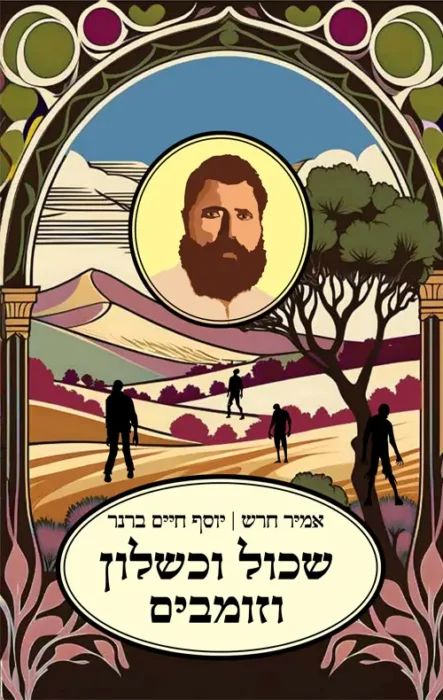
Breakdown and Bereavement and Zombies/ Amir Heresh, Yosef Haim Brenner
Breakdown and Bereavement and Zombies bring Brenner back to life to prove that the “new Jew” did not fail, but rather succeeded in its most monstrous form. Amir Heresh does not use zombies as a genre gimmick or as a postmodern wink at the events of 1921. He uses them to expose the barbaric form of the dream of revival: a body that rises and acts after consciousness, wonder, and human restraint have been emptied of it. This is not just another novel about an apocalypse. It is a novel about a society that became zombie-like long before the first revenant appeared.
On the surface, the plot sounds like a stunt: in an alternative universe, the 1921 riots take the form of a zombie attack. Brenner and his companions are trapped in a farmhouse, cut off from the world, waiting for help that never comes, and trying to survive against the pegachim, the living dead who move, bite, accumulate, and overrun the place. But the zombies are not the attraction here. They are the starkest possible form of what a human being becomes once emptied of consciousness, wonder, and conscience. Not a monster, but a mechanism.
The pegach is not a monster coming from outside. It is the extreme realization of what Zionist language sought to create: a human stripped of hesitation, stripped of paralysis, stripped of excessive consciousness, a man of action who does not pause over doubts and does not get stuck in inner exile. Once wonder dies, only mechanical hunger remains. Once hesitation evaporates, only movement is left. That is why the pegach in Heresh is not a crude symbol but a verdict. You wanted revival, you got a body that rises and acts. You wanted a new human being; you got a creature with no human restraints left. The pegach is the ultimate man of action because he has given up everything that makes a human being more than a mechanism.
That is precisely why the book is truly frightening, not because of bites, siege, or corpses, but because it understands that the disaster is not death but emptying out. Heresh does not ask what happens when the dead rise. He asks what happens when the living keep moving after consciousness, compassion, and pause have been drained from them. The zombies are not an exception in this novel. They are the most honest version of the other mechanisms at work in it: nationhood, the army, the language of redemption, even literature itself. All of them demand that a person give up something of himself in the name of a higher purpose. In Heresh’s hands, that purpose comes back as a carcass.
The novel refuses to lie about how a society breaks down. The zombie attack does not destroy a solid community. It merely reveals that trust was already cracked long before the first bite.
In a place where every other person is a potential carrier, there is no longer any society. There is only a cluster of fears. Eyes watching each other. Language is still trying to sound collective while the psyche has already retreated into private survival. The real collapse does not happen at the moment of external invasion. It begins at the moment each person sees the other as a threat waiting to materialize.
Rivka is one of the book’s most important characters because she refuses to be a convenient allegory. She is a mother; she remembers; she fears; she is humiliated. She places her child above every abstract principle, מתוך a completely human logic. That is what makes the book cruel: it does not set morality against evil, but morality against terror. Brenner wants to preserve an obligation to the other even when everyone else retreats into tribal instinct. Rivka reveals how quickly conscience shrinks when fear becomes personal.
The army, too, is written here as a production line of functioning zombies. Heresh understands that military discipline does not begin with ideology but with exhaustion, hunger, and small rituals that drain a person of the ability to ask why. He does not preach against war. He shows how an institution produces obedience without even needing to persuade.
The army does not teach thought; it trains non-response. The pegach and the soldier move within the same mechanism that favors action over reduced consciousness. In one case, it is called terror, in the other, it is called order. Heresh refuses to believe in that distinction.
The failure of Western redemption is no less sharp. The British officer and the airplane are not a moment of grace but the crash of an illusion. Heresh takes the colonial fantasy of a responsible adult arriving from outside to impose law and order, and drops it from the sky. The plane does not bring salvation. It crashes.
The Western mechanism, like every other redemptive mechanism in the book, turns out to be yet another broken machine. There is no responsible adult and no outside rescue. When there is no salvation, only what was always there remains: Rivka’s face cream, the attempt to smear a veneer of civilization over faces already hollowed out by terror from within.
Above all, this raises the question of writing itself. Here, Heresh reveals himself as a truly sharp writer. Heresh Brenner is neither a secular saint nor a priest of truth. He is a man who writes out of anxiety, out of a need to impose order, out of a desperate attempt to delay collapse for a few more pages. The novel does not sanctify writing. It suspects it. Every document is already a version, every notebook already a mechanism of selection, editing, and erasure. Literature is presented here as an affliction, not because it is simply a lie, but because it is never clean. Whoever writes is already constructing an appearance. Whoever records is already making a claim. Heresh does not fall into the cliché that literature will save us. On the contrary, he shows that literature can also be a sickness of consciousness, an addiction to framing, a way of avoiding action in real time.
And then comes the “Le-chaim,” and there the book fully earns its right to exist. Heresh takes the language of revival, redemption, and the new man and turns it on its head. The pegach is revealed as the barbaric fulfillment of that dream. It does not overthink, hesitate, wallow in complexity, or wait for moral approval. It simply rises and takes. The problem, it turns out, is not that the new man failed, but that he worked too well. It is precisely from within that recognition that Brenner chooses “to life.” Not to the radiant life of seamless revival, but to damaged life, pained life, life full of fog, hesitation, failure, and flaw. The book’s decision is clear: better a broken human being than a functioning machine. Better a form of life with inhibition, wonder, shame, and wound than an efficient body moving without a soul.
Heresh does not use zombies to refresh Brenner. He brings Brenner back to life to expose the moment when revival itself becomes a form of death. He does not merely think. He decides. Against the pegach, against the army, against the mechanism, against the language of redemption, Heresh places something that today almost sounds too weak, and is therefore radical: soul.
Breakdown and Bereavement and Zombies is an excellent novel because it does not merely revive the canon, but exposes what was rotten in it from the beginning. It does not ask us to fear the zombies. It asks us to recognize them. Worse still, to see how close they are to what we once wanted to become.
לגלות עוד מהאתר Sivi's Books
Subscribe to get the latest posts sent to your email.