
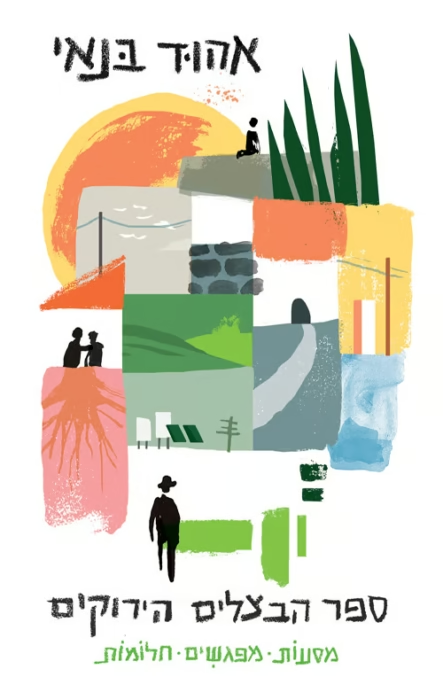
ספר הבצלים הירוקים נע בין חלומות, מסעות, בני משפחה, מוזיקה, אמונה, אנשים שפגש ומקומות שחזר אליהם. לפעמים הקטעים קלים יותר, לפעמים כמעט אנקדוטליים, ולא כולם באותה עוצמה. ואז מגיע קטע שעוצר את הקריאה ומחייב רגע של מדיטציה.
זה ספר שעוסק בזיכרון כמשהו שממשיך לחיות בתוך ההווה.
מה שצריך לדעת
אוסף קטעים של אהוד בנאי שנע בין חלומות, מסעות, משפחה, מוזיקה, אמונה, זיכרונות ומפגשים, ומחפש את המקומות שבהם העבר ממשיך להתקיים בתוך ההווה.
לקוראים שאוהבים כתיבה אישית ופרגמנטרית, זיכרונות, מסעות, מחשבות על אמונה ואובדן וספרים שבהם רגע קטן יכול לפתוח עולם שלם.
הקטעים החזקים מצליחים להפוך עציץ, פסיפס, חלום או משפט שנאמר פעם לדרך לחשוב על זיכרון, אובדן והמשכיות. המפגשים עם ניר עוז, אהרן אפלפלד ובני המשפחה של בנאי נשארים זמן רב אחרי הקריאה.
לא כל הקטעים פועלים באותה עוצמה. חלקם נשארים בגדר אנקדוטה או שיטוט נעים, והפער ביניהם לבין הקטעים החזקים מאוד מורגש.
באחד הקטעים הוא חולם שהוא נוסע בלילה עם אביו המת. האב נוהג, הנוף נראה כמו ארץ ישראל של שנות החמישים או השישים, ובנאי שואל אם לא כדאי להפעיל GPS. האב מסרב. הם מגיעים למבוי סתום, מסתובבים, והדרך החדשה כבר אינה הדרך שממנה באו.
יש משהו כמעט מושלם בתמונה הזאת.
אנחנו רוצים הוראות דרך. רוצים לדעת איפה אנחנו נמצאים, לאן נוסעים ואיך חוזרים. הזיכרון אינו עובד כך. גם כשאנחנו חוזרים, הדרך כבר השתנתה.
בקטע אחר בנאי מספר כיצד, כשהיה ילד, אמר לסבו שהוא רוצה להיות דתי. הסב פתח סידור והראה לו את קריאת שמע שעל המיטה.
"ככה מתחילים להיות דתיים", אמר.
אחרי שבועיים בנאי הפסיק. איש לא הבחין כשהתחיל, ואיש לא הבחין כשהפסיק. עשרות שנים אחר כך הוא עדיין חושב על הבחירה של סבו להתחיל דווקא מן הלילה, מן הרגע שלפני השינה.
המעשה נעלם. הזיכרון נשאר.
כך גם בסיפור על העציץ שקנה עם אמו בשנה האחרונה לחייה. היא הרגישה לפתע רע במשתלה ורצתה לצאת. הוא התעקש לשלם ולקחת את העציץ. חודשים אחר כך שתל את העץ בחצר הבית. היום הוא עובר לפעמים ברחוב ורואה אותו עומד שם, גבוה מן הבניין.
העץ נקנה במקרה. עם השנים הוא קיבל משמעות שאיש מהם לא יכול היה לדעת מראש.
בנאי עוסק בשבעה באוקטובר במגוון היבטים. הקטע שהכי תפס אותי עוסק בשמיני עצרת. בנאי מתבונן במספר שמונה, היום שמעבר לשבעת ימי הבריאה, הצליל השמיני שפותח אוקטבה חדשה, ואז מחבר אותו למות נדב ואביהוא ביום חנוכת המשכן.
מול האסון המקראי מופיעות שתי מילים:
"ויידום אהרן."
בנאי כותב על השבעה באוקטובר מתוך ההבנה שיש רגעים שבהם מילים אינן מוסיפות דבר. השתיקה נעשית חלק מהתגובה עצמה.
הקטע הזה גרם לי לעצור ולהרהר במשמעויות של אירוע אסוני כמו השבעה באוקטובר, שהתרחש ביום שמחוץ לזמן.
הספר חוזר לשבעה באוקטובר גם דרך ליאת אצילי מניר עוז, שחזרה מן השבי לאחר חמישים וארבעה ימים, ורק למחרת התבשרה שבעלה אביב נהרג בקרב.
בנאי נוסע איתה לניר עוז. הם עוברים בבית השרוף, במוסך שבו הופיע בעבר, בגלריה הלבנה, ובין המקומות שבהם עדיין נמצא אביב באופן אחר.
ליאת אומרת שאסור שהחורבן יהיה הדבר שיגדיר את הקיבוץ.
היא רוצה לשקם את המקום. להחזיר אליו חיים. היא מדברת על ניר עוז כפי שהיה במשך שנים: מקום של קהילה, מוזיקה, תרבות, יצירה ואנשים שחיו בו חיים שלמים הרבה לפני אותו יום.
אחר כך הם מגיעים אל בית הכנסת העתיק במעון. בפסיפס בן כאלף וחמש מאות שנה מופיעה כתובת המזכירה את אנשי הקהילה ואת שני האנשים, תומה ויהודה, שתרמו שני דינרים.
בנאי אומר לליאת: תראי, אלף וחמש מאות שנים עברו, ואנחנו עדיין יודעים שהיו כאן שני אנשים בשם יהודה ותומה.
והיא עונה:
"אני מקווה שבעוד אלף וחמש מאות שנה יגיעו לניר עוז אנשים וידעו שהיה כאן מישהו בשם אביב אצילי."
זה אולי אחד המשפטים היפים בספר.
כל מה שהיא מבקשת הוא שהשם יישאר.
גם המפגש של בנאי עם אהרן אפלפלד ממשיך את אותו קו. אפלפלד מספר לו שהוא חוזר שוב ושוב לבית סבו וסבתו בהרי הקרפטים, כפי שבנאי חוזר לרחוב האגס 1.
ואז הוא אומר:
"בעצם אנחנו לא חוזרים. אנחנו נמצאים שם כל הזמן."
זה משפט שמאיר את הספר כולו.
אצל בנאי, המקומות והאנשים שאבדו ממשיכים להתקיים בתוכו. אבא עדיין נוהג במכונית. אמא נמצאת בתוך העץ. אביב נמצא במוסך ובגלריה שאהב. סבא ממשיך לפתוח סידור לפני השינה.
גם האמונה אצל בנאי מופיעה דרך זיכרון, טקסט, מנהג, מנגינה ושאלה. לפעמים תפילה. לפעמים ספק. לפעמים שתיקה.
הוא מסתכל על הדברים הקטנים שהזמן השאיר אחריו ומגלה כמה חיים נשארו בהם: עציץ, פסיפס, שיר ישן, מגירת מטבח עם שקיות גרעינים, ספר על מדף, משפט שאדם אמר פעם.
לא כל הקטעים בספר פועלים באותה עוצמה. חלקם נשארים בגדר שיטוט נעים או זיכרון קטן. כשהספר פוגע, הוא פוגע עמוק.
בשקט.
לפעמים נשאר רק שם.
או עץ.
או שתי מילים עתיקות:
"ויידום אהרן."
The Green Onions Book / Ehud Banai
The Green Onions Book moves between dreams, journeys, family members, music, faith, people Banai has met, and places he has returned to. Some pieces are lighter, some almost anecdotal, and not all are equally powerful. Then a passage arrives that stops the reading and demands a moment of meditation.
This book is about memory as something that continues to live in the present.
In one passage, Banai dreams that he is driving at night with his late father. His father is at the wheel, the landscape looks like Israel in the 1950s or 1960s, and Banai asks whether they should turn on the GPS. His father refuses. They reach a dead end, turn around, and the new road is no longer the road they came from.
Something almost perfect about that image.
We want directions. We want to know where we are, where we are going, and how to return. Memory does not work that way. Even when we go back, the road has already changed.
In another passage, Banai recalls telling his grandfather as a child that he wanted to become religious. His grandfather opened a prayer book and showed him the bedtime Shema.
"This is how you begin to become religious," he said.
Two weeks later, Banai stopped. No one noticed when he began, and no one noticed when he stopped. Decades later, he is still thinking about his grandfather’s choice to begin specifically with the night, with the moment before sleep.
The act disappeared. The memory remained.
The same is true of the story about the plant he bought with his mother during the final year of her life. She suddenly felt unwell at the nursery and wanted to leave. He insisted on paying and taking the plant with them. Months later, he planted the tree in the garden. Today, he sometimes passes the street and sees it standing there, taller than the building.
The tree was bought almost by accident. Over the years, it acquired a meaning neither of them could have known in advance.
Banai writes about October 7 from several different angles. The passage that affected me most concerns Shemini Atzeret. Banai considers the number eight: the day beyond the seven days of Creation, the eighth note that begins a new octave, and then connects it to the deaths of Nadab and Abihu on the day the Tabernacle was inaugurated.
Facing the biblical catastrophe are two words:
"And Aaron was silent."
Banai writes about October 7 with the understanding that some moments add nothing. Silence becomes part of the response itself.
That passage made me stop and think about the meanings created by a catastrophe like October 7, on a day that symbolically stands outside ordinary time.
The book returns to October 7 through Liat Atzili of Nir Oz, who returned from captivity after fifty-four days and only the following day learned that her husband, Aviv, had been killed.
Banai travels with her to Nir Oz. They move through the burned house, the garage where he once performed, the White Gallery, and the places in which Aviv is still present in another form.
Liat says the destruction must not become what defines the kibbutz.
She wants to rebuild the place. To bring life back to it. She describes Nir Oz as it existed for years: a place of community, music, culture, creativity, and people who lived complete lives there long before that day.
Later, they arrive at the ancient synagogue at Maon. In a mosaic some fifteen hundred years old, an inscription remembers community members and two men, Thomas and Judah, who donated two dinars.
Banai tells Liat: Look, fifteen hundred years have passed, and we still know that two people named Judah and Thomas lived here.
She replies:
"I hope that fifteen hundred years from now, people will come to Nir Oz and know that someone named Aviv Atzili lived here."
It may be one of the most beautiful sentences in the book.
All she asks is that the name remain.
Banai’s meeting with Aharon Appelfeld continues the same idea. Appelfeld tells him that he returns again and again to his grandparents’ home in the Carpathian Mountains, just as Banai returns to 1 HaAgas Street.
Then he says:
"Actually, we do not return. We are there all the time."
This sentence illuminates the entire book.
For Banai, the places and people he has lost still exist inside him. His father is still driving the car. His mother is inside the tree. Aviv is present in the garage and the gallery he loved. His grandfather is still opening a prayer book before bedtime.
Faith, too, appears in Banai’s writing through memory, text, ritual, melody and questions. Sometimes prayer. Sometimes doubt. Sometimes silence.
He looks at the small things time has left behind and discovers how much life still remains in them: a plant, a mosaic, an old song, a kitchen drawer filled with bags of seeds, a book on a shelf, a sentence someone once said.
Not every piece in the book works with the same intensity. Some remain pleasant wanderings or small memories. When the book strikes, it strikes deeply.
Quietly.
Sometimes all that remains is a name.
Or a tree.
Or two ancient words:
"And Aaron was silent."
לגלות עוד מהאתר Sivi's Books
Subscribe to get the latest posts sent to your email.
2 מחשבות על “ספר הבצלים הירוקים / אהוד בנאי”
היי, יופי של ביקורת! קראת אותו או שהקשבת לספר הקולי?
קראתי והקשבתי, לחילופין ולפעמים במקביל.