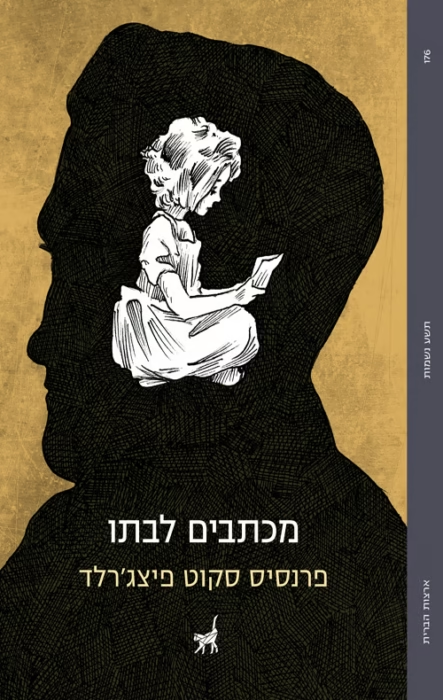
מלקולם קאולי כתב פעם שפיצג'רלד לא כתב את המכתבים האלה לבתו בוואסר, אלא לעצמו בפרינסטון. סקוטי מצטטת אותו בהקדמה לאסופה ומסכימה: "אני הייתי בת דמיונית, מומצאת לא פחות מכל אחת מגיבורותיו המוקדמות." זה המפתח לספר. האיש שהמציא את הנערות הזוהרות של שנות העשרים ממשיך לכתוב דמות, והפעם היא בתו.
"מכתבים לבתו" היא אסופה קצרה של מכתבים שכתב פיצג'רלד לבתו היחידה, פרנסס סקוט פיצג'רלד, שכונתה סקוטי, מאוגוסט 1933, כשהייתה בת אחת־עשרה, ועד ימים ספורים לפני מותו בדצמבר 1940. יש בהם כסף, לימודים, גברים, ספרים וזלדה.
מה שצריך לדעת
מכתבים שבהם פיצג'רלד מדריך את בתו בענייני לימודים, כסף, ספרות וחיים, ובו בזמן חושף הרבה מאוד על עצמו.
לקוראי פיצג'רלד, לחובבי מכתבי סופרים ולמי שמתעניינים בקשר שבין ביוגרפיה, משפחה ויצירה.
פיצג'רלד מרתק כשהוא מדבר על ספרות, והמכתבים מאפשרים לראות כיצד אותם נושאים שחזרו ברומנים שלו הופיעו גם בחייו.
זו במה כמעט חד־צדדית: סקוטי נשמעת בעיקר דרך הקדמתה, וזלדה קיימת במכתבים דרך האופן שבו פיצג'רלד בוחר לתאר אותה.
ההקדמה של סקוטי נדיבה מאוד. היא מתארת גאון ואדם דגול, ולצד זה את האלכוהוליזם, את המבוכות ואת המחיר של ילדות בצלו של סופר מפורסם. "העובדה שאבי הפך להורה קשה אינה מפתיעה אותי ואינה גורמת לי צער," היא כותבת. אצלה הגאונות מסבירה כמעט הכול. אבל היא גם מספרת איך שרדה אותו: שיטת היען. היא פיתחה חיסון נגד אביה, וכשגער בה פשוט הפסיקה לשמוע. זו התשובה היחידה שנקבל בספר למכתבים.
והמכתבים תובעניים מאוד. הוא רוצה שבתו לא תמצא חתן אלא תמצא חיים של משמעות: השכלה, עבודה, מחשבה עצמאית. הוא שולח לה רשימות קריאה, משלם לה כסף כדי שתקרא, ומתלונן שאינה עונה על שאלותיו. ובאחד המכתבים הקשים הוא כותב: "אני אוהב אותך תמיד אבל מעניינים אותי רק אנשים שחושבים ועובדים כמוני." האהבה ללא תנאי, הסקרנות בתנאים.
כשהוא מדבר על ספרות הוא במיטבו. הוא קוטל את תומס וולף, שלדבריו כותב בחיוניות ובמהירות הבזק אבל אין לו שום דבר מיוחד לומר, ודורש מסקוטי לחשוב בעצמה אם וולף עולה על "בכבלי אנוש" של מוהם, ואולי בכלל לא. הוא מעיר על סיפוריה, ושם, תוך כדי, משפט שכל כותב צריך לתלות מעל השולחן: "כל כתיבה טובה היא צלילה מתחת לפני המים והחזקת נשימתך שם."
אבל כשסקוטי מפרסמת סיפור תחת השם פרנסס סקוט פיצג'רלד, הוא מתנגד. השמות דומים מדי לשלו, והוא חושש שיידחק לרקע. אפשר לטעון שזו דרישה לעצמאות, שתבנה שם משלה ולא תיתלה בשלו. אפשר גם לשים לב שמה שמדאיג אותו הוא המקום שלו.
הכסף ממלא את המכתבים. פיצג'רלד מחשב כל סנט, סקוטי נוסעת לחו"ל, קונה בגדים, יוצאת למסיבות, והקצבה של חמישה־עשר דולר בשבוע אף פעם לא מספיקה. האיש שחי שנים של פזרנות מלמד את בתו לחיות בתקציב, והוא יודע על מה הוא מדבר: הוא שילם על הפזרנות הזאת ביוקר. אבל כשהוא עורך את החשבון, חלק נכבד ממנו הוא רושם על שם זלדה.
אני אוהבת את פיצג'רלד, אבל כמו המינגוויי הוא היה מנוול לנשים בחייו, והמכתבים מוכיחים את זה במילים שלו. ביולי 1938 הוא כותב לבתו בת השש־עשרה שהנישואים לאמה היו טעות, שזלדה "רצתה שאעבוד יותר בשבילה ופחות בשביל החלום שלי", ושעליה כילה את רוב משאבי המשפחה, הרוחניים והחומריים. ואז הוא מוסיף: "מעולם לא ידעה כיצד להשתמש באנרגיה שלה – היא הורישה לך מגרעת זאת." על המשפט הזה אני לא מסוגלת לסלוח. הוא מאשים את האם, ובאותה נשימה מציג אותה לבתה כפגם תורשתי, כאזהרה במה לא להיות. אם סקוטי ירשה משהו מאמה, ייתכן שזו ההתעקשות להמשיך ליצור. זלדה ציירה וכתבה גם מתוך האשפוזים, עד שמתה בשריפה בבית החולים ב־1948.
מה שהמכתבים לא מספרים: זלדה כתבה, ציירה ורקדה. בעלה המפורסם השתמש ביומניה ובמכתביה בספריו, והתנגד כשהיא השתמשה בחייהם המשותפים בספר שלה. הוא מתאר את החלום שלו כייעוד שהיא פגעה בו, בזמן שהוא עצמו הציב מכשולים בדרכה למימוש חלומה. והיא מאושפזת בסנטוריום, בלי קול. היא נוכחת במכתבים רק כמו שהוא מתאר אותה: חולה שצריך לשאת על הגב, או מי שהכבידה על חייו.
מי שקרא את פיצג'רלד מכיר את הסיפור הזה, כי הוא סיפר אותו שוב ושוב. רוזלינד ב־This Side of Paradise מסרבת להינשא לגבר בלי כסף, כמו זלדה. אנתוני וגלוריה ב"היפים והארורים" מבזבזים את כספם ואת עצמם עד ההתרסקות. דיק דייבר ב"ענוג הוא הלילה" הוא הבעל־המטפל של אישה חולה, שקורס תחת המשא. המכתבים לסקוטי הם אותו רומן בלי הבדיון: הנערה המפונקת, הכסף שנגמר, האישה החולה שצריך לשאת על הגב. ההבדל הוא שהפעם הקוראת היא הבת שלהם.
ובכל זאת הוא שולח את סקוטי לבקר אותה, ומקצה כסף לנסיעות. שני הדברים נכונים יחד: הוא שומר על הקשר של הבת עם אמה, ומלמד אותה לראות באמה את מה שאסור לה להיות.
אנחנו קוראים רק צד אחד. התשובות של סקוטי חסרות, וזלדה מתוארת רק מפיו. האסופה נותנת לפיצג'רלד את הבמה, והוא משתמש בה בלי עכבות.
האם הוא מכיר בטעויותיו? בחלקן. באותו מכתב הוא מודה שגם הוא איחר את המועד, ושבסוף רק רצה לשתות ולשכוח. הוא מכיר בשתייה ובאיחור. אבל הטעות שבשורש, בגרסה שלו, היא האישה שבחר. במכתב לבתו הוא אינו מתמודד עם האחריות הזאת.
המכתב האחרון באסופה נכתב ימים ספורים לפני מותו. הוא מספר לסקוטי על הרומן של וולף שעוד לא סיים, וחותם בנ.ב.: "בשם סומרסט מוהם, המכתב!" זו תזכורת לשאלה ששאל אותה ולא קיבל עליה תשובה. המילים האחרונות של האב בספר הן דרישה שהבת תענה לו. בספר הזה היא לא עונה.
הבת שהוא חשש שתהיה בטלנית כמו אמה גדלה להיות עיתונאית וכותבת, ובסוף גם זו ששמרה על המורשת של שני הוריה.
הקריאה העמיקה את ההערכה שלי לפיצג'רלד כאב וכאיש ספרות, וחידדה את הכעס שלי עליו כאדם. סקוטי כותבת שעם סופרים מוטב לשבת בארוחות חגיגיות ולא לחיות איתם. זלדה חיה איתו. הוא ניסה להסביר לבתו את העולם ולשכנע אותה לא לחזור על טעויותיו. בדרך הוא חשף כמה טעויות שמעולם לא הכיר בהן.
Letters to His Daughter / F. Scott Fitzgerald
Malcolm Cowley once wrote that Fitzgerald was not writing these letters to his daughter at Vassar but to himself at Princeton. Scottie quotes him in her introduction to the collection and agrees: "I was an imaginary daughter, no less fictional than any of his early heroines." That is the key to the book. The man who invented the glamorous young women of the 1920s continues to create a character, and this time the character is his daughter.
"Letters to His Daughter" is a short collection of letters Fitzgerald wrote to his only daughter, Frances Scott Fitzgerald, known as Scottie, from August 1933 until only days before his death in December 1940. They are about money, education, men, books and Zelda.
Scottie's introduction is extremely generous. She describes a genius and a great man, alongside the alcoholism, the embarrassment and the cost of growing up in the shadow of a famous writer. She writes that the fact that her father became a difficult parent neither surprises nor saddens her. In her account, genius explains almost everything. But she also explains how she survived him: the ostrich method. She developed an immunity to her father, and when he scolded her, she simply stopped listening. That is the only answer to his letters we will receive in this book.
And the letters are very demanding. He does not want his daughter merely to find a husband; he wants her to find a meaningful life: education, work and independent thought. He sends her reading lists, pays her to read books and complains when she fails to answer his questions. In one of the harsher letters, he tells her that he will always love her but is interested only in people who think and work as he does. The love is unconditional. The interest comes with conditions.
When he talks about literature, he is at his best. He demolishes Thomas Wolfe, who, in Fitzgerald's view, writes with enormous vitality and speed but has nothing particularly important to say, and demands that Scottie decide for herself whether Wolfe is better than Maugham's "Of Human Bondage", or perhaps not. He comments on her stories, and somewhere in the process offers a sentence every writer should hang above the desk: "All good writing is swimming beneath the surface and holding your breath there."
But when Scottie publishes a story under the name Frances Scott Fitzgerald, he objects. Their names are too similar, and he worries that he will be pushed into the background. It is possible to read this as a demand for independence, an insistence that she build a name of her own rather than rely on his. It is also possible to notice that what worries him is his own place.
Money fills the letters. Fitzgerald calculates every cent, Scottie travels abroad, buys clothes, goes to parties, and her allowance of fifteen dollars a week is never enough. The man who spent years living extravagantly teaches his daughter to live within a budget, and he knows what he is talking about: he paid dearly for that extravagance. But when he draws up the account, he places a large part of the bill in Zelda's name.
I love Fitzgerald, but like Hemingway he was a bastard to the women in his life, and the letters prove it in his own words. In July 1938 he tells his sixteen-year-old daughter that marrying her mother was a mistake, that Zelda wanted him to work more for her and less for his dream, and that he had spent most of the family's spiritual and material resources on her. Then he adds that Zelda never knew how to use her energy and had passed that failing on to Scottie. I cannot forgive that sentence. He blames the mother and, in the same breath, presents her to their daughter as a hereditary defect, a warning of what not to become. If Scottie inherited anything from her mother, perhaps it was the determination to keep creating. Zelda continued to paint and write through her hospitalizations, until she died in a hospital fire in 1948.
What the letters do not tell us is that Zelda wrote, painted and danced. Her famous husband used material from her diaries and letters in his books and objected when she used their shared life in her own novel. He describes his dream as a calling she damaged, while he himself placed obstacles in the way of her attempts to realize her own ambitions. And she is in a sanatorium, without a voice. She appears in the letters only as he describes her: a sick woman who has to be carried, or the person who weighed down his life.
Anyone who has read Fitzgerald knows this story because he told it again and again. Rosalind in "This Side of Paradise" refuses to marry a man without money, like Zelda. Anthony and Gloria in "The Beautiful and Damned" spend their money and themselves until they collapse. Dick Diver in "Tender Is the Night" is the husband and caretaker of an ill woman, collapsing under the burden. The letters to Scottie are the same novel without the fiction: the spoiled young woman, the disappearing money, the sick wife who has to be carried. The difference is that this time the reader is their daughter.
And yet he sends Scottie to visit her and sets aside money for the journeys. Both things are true at once: he protects his daughter's relationship with her mother, and teaches her to see her mother as what she must never become.
We are reading only one side. Scottie's replies are missing, and Zelda is described only through him. The collection gives Fitzgerald the stage, and he uses it without restraint.
Does he recognize his mistakes? Some of them. In that same letter he admits that he too had waited too long and that eventually all he wanted was to drink and forget. He recognizes the drinking and the lateness. But the fundamental mistake, in his version, was the woman he chose. In a letter to his daughter, he never confronts his responsibility for that.
The final letter in the collection was written only days before his death. He tells Scottie about the Wolfe novel he still has not finished and closes with a postscript: "In the name of Somerset Maugham, the letter!" It is a reminder of a question he had asked her and to which she had not replied. The father's final words in this book are a demand that his daughter answer him. In this book, she does not.
The daughter he feared might become an idler like her mother grew up to become a journalist and writer, and eventually one of the people who preserved the legacy of both her parents.
Reading the letters deepened my appreciation of Fitzgerald as a father and as a man of letters, and sharpened my anger at him as a person. Scottie writes that writers are better suited to formal dinners than to living with them. Zelda lived with him. He tried to explain the world to his daughter and persuade her not to repeat his mistakes. Along the way, he revealed how many mistakes he never recognized as his own.
לגלות עוד מהאתר Sivi's Books
Subscribe to get the latest posts sent to your email.