
Please scroll down for an English review.
זרים בבית מיקם את רונית מטלון כבר מראשית דרכה כאחת הסופרות החשובות והבולטות של הספרות העברית. זה קובץ סיפורים שמבקש לפרק את מושג הבית, לחשוף את האלימות והניכור שמתקיימים בו, ולהראות עד כמה גם המרחב האינטימי ביותר רחוק מלהיות מוגן.
מה שצריך לדעת
קובץ סיפורים מוקדם של רונית מטלון, שכבר מציב את נושאי היסוד של יצירתה: בית, זרות, משפחה, נשים, מזרחיות, הדרה וניכור בתוך המרחב האינטימי ביותר.
לקוראים שמתעניינים בספרות ישראלית ביקורתית, סיפורים קצרים, כתיבה על משפחה וזהות, ומבט חד על המקומות שבהם הבית מפסיק להיות מקום מוגן.
הערעור על מושג הבית. אצל מטלון הבית אינו מרחב של ביטחון, אלא מקום שבו שתיקות, מבטים, מעמד, זרות ואלימות חברתית ממשיכים לפעול מבפנים.
זו אינה קריאה מנחמת. השפה חדה, המבט לא סלחני, והסיפורים משאירים מועקה, אבל גם הערכה לכוחה של ספרות כשהיא נוגעת בדיוק במקום הכואב.
אצל מטלון הבית הוא זירה מאוימת, פרוצה, מלאה סדקים. השם האוקסימורוני חושף את הסתירה: להיות בבית ובו זמנית להיות זר. הבית הופך לזירה של שתיקות, מבוכות ומילים שלא נאמרות. האב, האם, הילדים, כולם מצוירים דרך עיניים לא סלחניות. תחת כל סצנה משפחתית מסתתר כאב קיומי עמוק, להיות שייך ובו בזמן להרגיש זר.
הסיפורים בקובץ מתארים את האלימות המרחבית שבתוכה מתקיימות הדמויות: אלימות חברתית, ממסדית, מעמדית, שמרחיקה את האחר ודוחקת אותו החוצה, או לחלופין פולשת פנימה והורסת מבפנים. חוקרי הספרות שי רודין ולילי רתוק הצביעו כל אחד באופן נפרד על כך שקובץ הסיפורים מערער את מושג הבית עצמו, חושף את חוסר יציבותו ומראה שגם המרחב הפרטי ביותר נתון תמיד לפלישה מבחוץ.
מטלון אינה עוסקת רק בניכור שבין קבוצה לקבוצה אלא גם בניכור בתוך המשפחה עצמה. האלימות איננה רק פיזית אלא מונכחת גם באמצעות המבטים והשיפוטיות המנוכרת שהופכת קבוצות מוחלשות לאובייקטים זרים.
הקובץ כולו נע בין אינטימיות לחמלה לבין מבט קר ומפוכח. כפי שמירסקי מציינת, גם הקול המספר עצמו נע על הגבול: הוא מבפנים ובחוץ בו זמנית, מלא אמפתיה אך שומר על ריחוק. זהו אולי סוד כוחה של מטלון, היא כותבת על דמויות שוליות ומוחלשות, אך לא מתוך הזדהות רגשנית אלא בעין חדה וחסרת פשרות.
הקריאה בזרים בבית אינה פשוטה. השפה חדה, הדמויות נתונות תחת מקרוסקופ והאור לא מחמיא. החוויה מותירה תחושת מועקה אך גם הערכה לעוצמה של הספרות כשהיא נוגעת בדיוק במקומות הפגיעים ביותר.
מטלון, שנחשבת לאחת מהיוצרות הבולטות בספרות העברית, הציבה כבר בספר זה את הנושאים שילוו את יצירתה: שאלות של בית וזהות, זרות והדרה, נשים ומזרחיות, פוליטיקה בתוך המשפחה.
זרים בבית לא מחפש לנחם או לעטוף, הוא מפרק את הבית לגורמים ומראה עד כמה קל לגלות שגם בתוך ארבעה קירות אנחנו עלולים להיות זרים.
זרים בבית/ רונית מטלון
הוצאת הספריה החדשה, 1992, 152 עמ'
דירוג SIVI –
איכות אודיו –
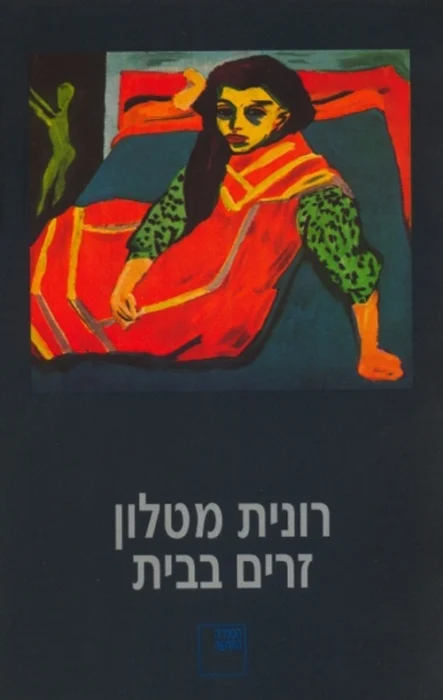
Strangers at Home / Ronit Matalon
Strangers at Home positioned Ronit Matalon, from the very beginning of her career, as one of the most important and prominent writers in Hebrew literature. This is a collection of stories that seeks to dismantle the concept of home, expose the violence and alienation that exist within it, and show just how far even the most intimate space is from being protected.
In Matalon’s work, the home is a threatened space, breached and full of cracks. The oxymoronic title reveals the contradiction: to be at home and, at the same time, to be a stranger. The home becomes a place of silences, embarrassments and words that are never spoken. The father, the mother, the children, all are drawn through unforgiving eyes. Beneath every family scene lies a deep existential pain: to belong and, at the same time, to feel foreign.
The stories in the collection describe the spatial violence within which the characters exist: social, institutional and class violence, which pushes the other away and forces them outside, or alternatively invades inward and destroys from within. Literary scholars Shay Rudin and Lily Rattok have each pointed, in their own way, to the fact that this collection undermines the very concept of home, exposes its instability, and shows that even the most private space is always vulnerable to invasion from outside.
Matalon does not deal only with alienation between one group and another, but also with alienation inside the family itself. The violence is not only physical; it is also made present through gazes and alienated judgment that turn marginalized groups into foreign objects.
The entire collection moves between intimacy and compassion on the one hand, and a cold, sober gaze on the other. As Mirsky notes, the narrative voice itself also exists on the border: inside and outside at the same time, filled with empathy yet maintaining distance. This may be one of the secrets of Matalon’s power. She writes about marginal and weakened figures, but not through sentimental identification. She writes with a sharp, uncompromising eye.
Reading Strangers at Home is not simple. The language is sharp, the characters are placed under a microscope, and the light is not flattering. The experience leaves a sense of unease, but also an appreciation for the power of literature when it touches precisely the most vulnerable places.
Matalon, considered one of the most significant writers in Hebrew literature, already placed in this book the themes that would accompany her work: questions of home and identity, foreignness and exclusion, women and Mizrahi identity, politics inside the family.
Strangers at Home does not seek to comfort or wrap anything softly. It dismantles the home into its parts and shows how easy it is to discover that even within four walls, we may still be strangers.
לגלות עוד מהאתר Sivi's Books
Subscribe to get the latest posts sent to your email.