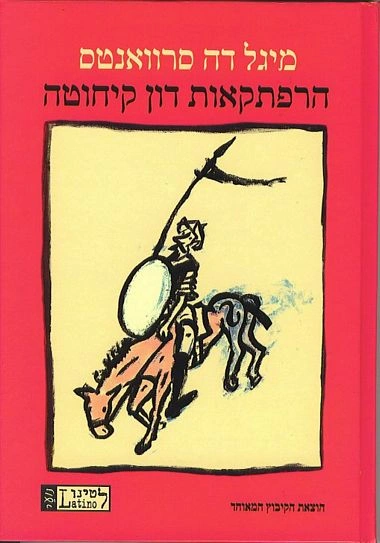
דון קישוט בתרגום טל ניצן: כשהאבירות מתה ורק האביר עוד לא יודע
זו הייתה הקריאה השנייה שלי בדון קישוט, והפעם היה ברור לי שהחלק הראשון הוא החלק החזק יותר של הרומן, בעיקר משום שסרוונטס אינו מהסס להיות אכזרי.
הוא מפרסם אותו ב־1605, כמעט מאתיים שנה אחרי שצ’וסר כתב את סיפורי קנטרברי. מאתיים שנה שבהן אירופה עברה טלטלה עמוקה: הסמכות הדתית נסדקה, הרפורמציה קרעה את הנצרות המערבית, מוסדות ישנים איבדו את המובן מאליו שלהם, והאביר חדל להיות הכוח שהיה פעם.
מה שצריך לדעת
הרומן הקלאסי של סרוונטס על אדם שקרא כל כך הרבה ספרי אבירים, עד שהוא יוצא אל העולם כאביר נודד ומנסה לכפות עליו מערכת ערכים וסיפורים שכבר איבדו את מקומם במציאות.
לקוראים שאוהבים קלאסיקה, סאטירה, ספרים על ספרים, היסטוריה של רעיונות ועיסוק בפער בין אידיאלים, מוסר ומציאות.
החלק הראשון חד, אכזרי ומצחיק במיוחד. סרוונטס שוב ושוב מפגיש בין מוסכמות ספרותיות לבין עולם חומרי שלא משתף איתן פעולה, והופך את דון קישוט לדמות מגוחכת, מרשימה וטראגית בו־זמנית.
בקריאה השנייה החלק השני הרגיש לי פחות חד ופחות חזק. דווקא כשהרומן נעשה מודע יותר לעצמו ולמיתוס שכבר נוצר סביב דון קישוט, משהו מן האכזריות הישירה של החלק הראשון נחלש.
אצל צ’וסר, בתוך השקיעה, האביר עדיין מחזיק בכבוד ישן. הסקוויר הצעיר כבר מרכך אותו בגינוני חיזור, מוזיקה ושירה; החרב עדיין שם, גם אם נוספו לה קישוטים.
אצל סרוונטס אפילו השריד הזה נמחק.
נשאר גוף כחוש, מגוחך וחבוט, שמנסה לכפות מוסכמה ספרותית על עולם חומרי שאינו מעוניין בה.
האבירות מתה. דון קישוט פשוט לא קיבל את ההודעה.
זו הסיבה שסצנת טחנות הרוח עובדת כל כך טוב. הבדיחה אינה רק שהוא רואה ענקים. העולם סביבו כבר מלא במכונות, מסחר וייצור, בעוד קישוט אוחז במפה ישנה ומסרב להביט בטריטוריה.
המציאות אינה מתווכחת איתו.
היא פשוט מועכת אותו, בלי טקס ובלי להבין שבכלל התנהל כאן קרב.
האכזריות הזו מגיעה לשיאה במפגש עם אסירי המלך. דון קישוט רואה כבלים ומזהה מיד עוול הדורש תיקון. הוא אמנם שואל את האסירים במה פשעו ושומע את סיפוריהם, אבל המידע כמעט אינו משנה דבר; המוסר שלו מופשט, ולכן הוא עיוור.
ברגע שהאסירים משתחררים, הם גומלים לו בסקילה. ובהמשך אחד מהם, חינס דה פסמונטה, גם גונב את החמור של סנצ’ו. תגובה טבעית למדי מצד בני אדם שאינם יודעים שהם אמורים להתנהג כדמויות ברומן אבירים.
סרוונטס חותך עמוק.
מוסר נטול שיקול דעת אינו בהכרח מוסר נעלה. לפעמים הוא פשוט דרך אלגנטית מאוד לייצר אסון.
העימות הזה מקבל משקל נוסף כשקוראים את סרוונטס אחרי צ’וסר.
אצל צ’וסר, הפקיד מאוקספורד חי כמעט בלי רכוש ומוציא את מעט שיש לו על ספרים שמחדדים את מבטו על העולם.
אצל דון קישוט, הספר מחליף את העולם.
הוא אינו טיפש.
הוא קרא את עצמו לתוך מערכת סגורה, עד שכל טחנה חייבת להיות ענק, כל פונדק מוכרח להיעשות טירה, וכל עבריין יכול להפוך לקורבן ברגע שהמציאות אינה מתאימה לסיפור.
סרוונטס אינו כותב רק פארודיה על שיגעון.
הוא כותב כתב אישום נגד אידיאלים שמסרבים להתעדכן.
העולם המשיך הלאה, האבירות נקברה, ורק הגופה עוד מסרבת לרדת מהסוס.
Don Quixote/ Miguel de Cervantes Saavedra
Don Quixote: When Chivalry Is Dead, and Only the Knight Hasn’t Noticed
This was my second reading of Don Quixote, and this time it was clear to me that the first part is the stronger half of the novel, mainly because Cervantes does not hesitate to be cruel.
He published it in 1605, almost two hundred years after Chaucer wrote The Canterbury Tales. Two centuries in which Europe underwent profound upheaval: religious authority fractured, the Reformation tore Western Christianity apart, old institutions lost their unquestioned status, and the knight ceased to be the power he had once been.
In Chaucer, even amid that decline, the Knight still retains an old dignity. The young Squire has already softened the image with courtship, music and poetry; the sword is still there, even if it has acquired decoration.
With Cervantes, even that remnant is gone.
What remains is a thin, ridiculous, battered body trying to impose a literary convention on a material world that has no interest in cooperating.
Chivalry is dead.
Don Quixote simply never got the message.
That is why the windmill scene works so well. The joke is not merely that he sees giants. The world around him is already full of machinery, trade, and production, while Quixote is holding an old map and refusing to look at the territory.
Reality does not argue with him.
It simply crushes him, without ceremony and without even realizing that a battle was supposedly taking place.
That cruelty reaches its peak in his encounter with the King’s prisoners.
Don Quixote sees chains and immediately identifies an injustice that demands correction. He asks the prisoners what crimes they committed and listens to their stories, but the information changes almost nothing; his morality is abstract and therefore blind.
The moment the prisoners are freed, they repay him by stoning him.
Later, one of them, Ginés de Pasamonte, also steals Sancho’s donkey.
A fairly natural response from human beings who have no idea that they are supposed to behave like characters in a chivalric romance.
Cervantes cuts deep.
Morality without judgment is not necessarily noble morality.
Sometimes it is simply an elegant way to produce disaster.
This conflict gains additional weight when you read Cervantes after Chaucer.
In Chaucer, the Oxford Clerk lives with almost no possessions and spends what little he has on books that sharpen his view of the world.
In Don Quixote, the book replaces the world.
He is not stupid.
He has read himself into a closed system, until every windmill becomes a giant, every inn turns into a castle, and every criminal becomes a victim the moment reality fails to fit the story.
Cervantes is not merely writing a parody of madness.
He is writing an indictment of ideals that refuse to update themselves.
The world has moved on, chivalry has been buried, and only the corpse still refuses to get off the horse.
לגלות עוד מהאתר Sivi's Books
Subscribe to get the latest posts sent to your email.
1 מחשבה על “הרפתקאות דון קיחוטה/ מיגל דה סרוואנטס”
תודה רבה על הביקורת!