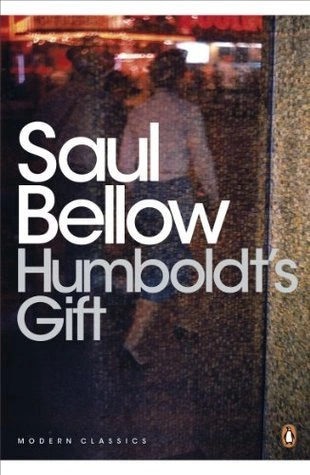
Humboldt’s Gift של סול בלו הוא מסוג הספרים שאו שאהבת או שלא.
מה שצריך לדעת
רומן על צ׳רלי סיטרין, סופר ואינטלקטואל מצליח, שחייו הפרטיים מתפרקים בזמן שהוא נושא איתו את זכרו של הומבולדט פליישר, משורר מבריק וכושל שהיה חברו ומורו.
לקוראים שאוהבים רומנים רעיוניים, תודעה אינטלקטואלית, הומור יבש, דיונים על אמנות וכסף ודמויות מבריקות שגם מצליחות להיות יהירות, פסיביות ומגוחכות.
בלו כותב תודעה בצורה מבריקה. צ׳רלי חד, מצחיק ומלא סתירות, וקנטבילה הוא אחת הדמויות המוצלחות בספר משום שהוא חושף עד כמה האינטלקטואל הגדול חסר אונים מול העולם המעשי.
החזרתיות. הספר מסתובב שוב ושוב סביב אותם נושאים — אמנות וכסף, רוח וחומר, הצלחה, אשמה, נשים, מטפיזיקה והומבולדט — ובשלב מסוים הקול של צ׳רלי כבר לא מספיק כדי לשאת את הכול.
המספר הוא צ׳רלי סיטרין, סופר ואינטלקטואל מצליח, שלאורך שנים נושא איתו את זכרו של פון הומבולדט פליישר, משורר מבריק, כריזמטי ולא יציב, שהיה חברו, מורו ומעין דמות אב ספרותית. הומבולדט האמין בכוחה של האמנות לשנות את העולם ובתפקידו של המשורר כמי שאמור להעניק לחיים משמעות. אלא שהעולם, מצדו, לא ממש שיתף פעולה.
צ׳רלי הצליח במקום שבו הומבולדט נכשל. הוא זכה בהכרה, כסף ומעמד, אבל חייו הפרטיים מתפרקים: גירושים, עורכי דין, מאהבות, התחייבויות, מאבקים משפטיים וחוסר יכולת קומי לנהל את עצמו ואת חייו.
אל הכאוס נכנס רינלדו קנטבילה, בריון קטן, חלקלק ומאפיונרי. יחסיהם מתחילים ברגל שמאל: צ׳רלי חייב לו כסף שהפסיד בפוקר. מכאן הכול מתדרדר, וקנטבילה הופך למעין כוח מארגן בחייו של צ׳רלי.
זו אחת הדמויות המוצלחות בספר, משום שהיא חושפת עד כמה צ׳רלי, האיש שמסוגל לדבר על התרבות המערבית, מטפיזיקה ונשמה, חסר אונים מול העולם המעשי.
ברגע השיא של יחסיהם, קנטבילה, אחרי מופע כוח מגוחך ומאיים, מתגלה כבעל מסור שמאוד חשוב לו שאשתו תסיים דוקטורט על הומבולדט, והוא רוצה שצ׳רלי יעזור לה.
זה משעשע ומבכיא בו זמנית.
Humboldt’s Gift מלא ברגעים מצחיקים, חכמים ומבריקים, אבל הם אינם תמיד מצטברים לרומן מהודק שתופס את תשומת הלב של הקורא. הספר סובל מחזרתיות חריפה. בלו חוזר שוב ושוב לאותם צירים: אמנות וכסף, רוח וחומר, הצלחה וכישלון, הומבולדט והאשמה של צ׳רלי, נשים, שינה, מטפיזיקה, תרבות, עוד שיחה, עוד זיכרון, עוד סיבוב סביב אותה שאלה.
בהתחלה זה מסקרן.
אחר כך רואים את התבנית.
ואז היא מתחילה להתיש.
צ׳רלי כמעט תמיד מתרגם את חייו הפרטיים לשפה קוסמית. הוא לא סתם עסוק בגירושים, כסף, נשים ומשפטים. הוא גם “משתתף בחיי ארצו, בתרבות המערבית ובחברה הגלובלית”. אין ספק, הציוויליזציה הייתה מתקשה מאוד בלעדיו.
זה מצחיק כי צ׳רלי באמת אינטלקטואל מבריק. הוא גם יהיר, פסיבי, פחדן ומרוכז בעצמו. הספר אינו מסתיר זאת.
ואז מגיע רגע של צלילות, כמעט סטירה לפנים.
צ׳רלי רואה את הומבולדט ברחוב, כשהוא כבר חולה, מוזנח וגוסס. הוא מזהה אותו, מבין בדיוק מה הוא רואה, ובורח.
אחר כך הוא ממשיך לחשוב עליו כזיכרון, רעיון, אשמה וסמל.
אבל מתחת לכל זה יושב שקר אחד גדול.
צ׳רלי אוהב את המתים יותר משהוא יודע להתמודד עם החיים. המתים מאפשרים לו להרגיש נאמן, עמוק ומוסרי. החיים דורשים ממנו לפעול.
והוא הרבה פחות טוב בפעולה.
הספר זכה בפוליצר. בלו חד, מצחיק, אינטלקטואלי מאוד, ויש לו יכולת אדירה לכתוב תודעה. אבל הוא כל כך בטוח בכוחו של הקול של צ׳רלי, עד שהוא מניח שהקול לבדו יישא כמעט הכול.
אצלי הוא לא נשא.
אהבתי את Herzog הרבה יותר. שם הייתה תודעה מסובכת, אבל היה גם פצע חי מאוד במרכז. כאן היו הרבה מחשבות על פצע, ופחות פצע.
בסופו של דבר, Humboldt’s Gift הוא ספר חכם מאוד על אמנות, הצלחה, כסף, אשמה, מוות והצורך של אינטלקטואלים להעניק משמעות לכל בלגן פרטי.
לפעמים חכם מאוד.
לפעמים מצחיק מאוד.
ולפעמים פשוט ארוך מדי בשביל הרעיון שהוא מנסה להעביר.
Humboldt’s Gift / Saul Bellow
Humboldt's Gift by Saul Bellow is the kind of book you either love or you do not.
The narrator is Charlie Citrine, a successful writer and intellectual who has carried the memory of Von Humboldt Fleisher with him for years. Humboldt was a brilliant, charismatic, and unstable poet, Charlie's friend, mentor, and something close to a literary father figure. Humboldt believed in the power of art to change the world and in the poet's role as someone who should give life meaning. The world, however, did not particularly cooperate.
Charlie succeeded where Humboldt failed. He gained recognition, money, and status, but his private life is falling apart: divorce, lawyers, lovers, obligations, legal battles, and an almost comic inability to manage himself or his own life.
Into this chaos comes Rinaldo Cantabile, a small-time thug with a slick, vaguely mafioso presence. Their relationship begins badly. Charlie owes him money after losing at poker. From there, everything deteriorates, and Cantabile gradually becomes an organizing force in Charlie's life.
He is one of the most successful characters in the novel because he exposes just how helpless Charlie, the man capable of talking about Western civilization, metaphysics, and the soul, can be when faced with the practical world.
At the high point of their relationship, Cantabile, after an absurd and threatening display of force, turns out to be a devoted husband, deeply invested in his wife finishing her PhD on Humboldt. And he wants Charlie to help her.
It is funny and almost moving at the same time.
Humboldt's Gift is full of funny, intelligent, and brilliant moments, but they don't always cohere into a tightly constructed novel that keeps the reader fully engaged. The book suffers from severe repetition. Bellow returns again and again to the same axes: art and money, spirit and matter, success and failure, Humboldt and Charlie's guilt, women, sleep, metaphysics, culture, another conversation, another memory, another turn around the same question.
At first, it is fascinating.
Then you begin to see the pattern.
And eventually, it starts to become exhausting.
Charlie translates almost every private problem into cosmic language. He is not merely dealing with divorce, money, women and lawsuits. He is also "participating in the life of his country, Western civilization and global society." Clearly, civilization would have struggled badly without him.
It is funny because Charlie really is a brilliant intellectual. He is also arrogant, passive, cowardly and deeply self-absorbed. The novel does not hide that.
Then comes a moment of clarity that feels almost like a slap.
Charlie sees Humboldt in the street when Humboldt is already ill, neglected, and dying. He recognizes him. He understands exactly what he is seeing. And he runs away.
Later, Charlie continues thinking about him as a memory, an idea, a source of guilt and a symbol. But underneath it all sits one large lie. Charlie loves the dead more than he knows how to deal with the living. The dead allow him to feel loyal, profound, and moral. The living require him to act.
And he is much less good at action.
The novel won the Pulitzer Prize.
Bellow is sharp, funny, and intensely intellectual, and he has an extraordinary ability to write consciousness. But he is so confident in the power of Charlie's voice that he assumes the voice alone can carry almost everything.
For me, it did not.
I liked Herzog much more. There was a complicated consciousness there too, but there was also a very live wound at the center. Here, there were many thoughts about a wound, and less of the wound itself.
In the end, Humboldt's Gift is a very intelligent novel about art, success, money, guilt, death, and the intellectual need to give meaning to every private mess. Sometimes very intelligent. Sometimes very funny.
And sometimes simply too long for the idea it is trying to convey.
לגלות עוד מהאתר Sivi's Books
Subscribe to get the latest posts sent to your email.
1 מחשבה על “Humboldt's Gift / Saul Bellow”
קראתי את הספר לפני הרבה שנים ואני לא זוכר ממנו כלום חוץ מהשם… כנראה לא אהבתי 🙂
שנה טובה!