
For English review, please scroll down.
אפשר לקרוא את "הצל: או המעשה המופלא בפטר שלמיל" של אדלברט פון שמיסו כסיפור פנטסטי קצר על עסקה אחת קטנה: צל יוצא מן החיים, ובמקומו נכנס כסף שלא נגמר. העלילה ברורה, כמעט תמימה, אבל מה שלא תמים הוא מה שקורה אחר כך, כשהחברה מבחינה ב"תקלה" ומגיבה כדרכו של ההמון כשהוא מזהה סטייה. מהר מאוד מתברר שהצל אינו קישוט אסתטי או מטרד פיזי; הוא תעודת כשרות חברתית של האדם, והוא יקר יותר מכל זהב שניתן לצבור.
הנובלה נכתבה ב־1814, ובכל זאת היא נקראת כאילו נכתבה לעולם שבו הכול נהיה בר־תמחור. אולי זה מפני ששמיסו ידע מה הוא כותב עוד לפני שטבל את הקולמוס בדיו; הוא היה אדם בלי צל הרבה לפני שפטר איבד את שלו. אציל צרפתי שנמלט מן המהפכה לגרמניה, קצין בצבא פרוסיה שנלחם נגד מולדתו, מהגר נצחי שהצליח תמיד להיות קצת לא במקום: צרפתי מדי בברלין וגרמני מדי בפריז. עבורו, הצל אינו דימוי ספרותי גרידא אלא דרכון של שייכות. זהו הדבר המאפשר לעולם להחליט שאדם הוא "תקין", ובלעדיו, גם העשיר באדם נותר שקוף.
העסקה הראשונה של פטר פשוטה ומבעיתה. הוא מוכר את הצל שלו ל"איש באפור", דמות שנראית פחות כמו שטן עם קלשון ויותר כמו יועץ השקעות קר, ומקבל בתמורה ארנק שמייצר כסף ללא גבול. שמיסו לא מנסה לשכנע שכסף הוא שטות או חסר משמעות; להפך, הכסף כאן משמעותי, אך הוא אינו מביא גאולה אלא הופך לכלי רציונלי לניהול חרדה. פטר משתמש בזהב כדי לקנות הסתרה, לקנות זמן ולקנות מרחק מן המבט החברתי הבוחן, אך הוא מגלה שהממון אינו מסוגל לקנות לו לגיטימציה. בלי צל, פטר אינו נתפס כעני שהשתדרג, אלא כתקלה במערכת שמעוררת אימה בחברה. הוא מערער את הביטחון האנושי בסדרי העולם, ולכן החברה אינה מענישה אותו; היא פשוט מוציאה אותו אל מחוץ לאנושיות. אדם בלי צל הוא רעיון מסוכן מדי מכדי שיוכל להסתובב חופשי.
השיא האמיתי מגיע בהצעה השנייה: הצל יוחזר, אך המחיר הוא הנשמה. כאן השטן עובר לדבר בשפה מודרנית בצורה מצמררת, שפת העלות־תועלת: מה עושים עם נשמה אחרי המוות? למה להחזיק נכס שאין לו ערך שימושי בעולם הזה? זהו טיעון של אופטימיזציה, שמציג את הנשמה כמנוי מיותר לשירות שאין בו צורך. אך פטר מסרב. הסירוב הזה נראה לא רציונלי רק אם מקבלים את השקר הכלכלי של השטן. פטר מבין שהנשמה איננה נכס ליום שאחרי המוות, אלא הגבול הפנימי שמגדיר את האדם בעודו חי. אם הצל הוא ההכרה של החברה בך, הנשמה היא ההכרה שלך בעצמך. פטר בוחר להישאר חריג ומוקצה, ובלבד שלא יהפוך לסחורה סופית שניתן לתמחר בטבלה.
בתוך הקריסה הזו, שמיסו מציב לידו דמויות המזכירות שלא כל העולם הוא מערכת קרה. בנדל, המשרת הנאמן, נשאר לצדו מתוך יכולת נדירה לראות אדם גם כשהחברה מסיטה את מבטה. מולו ניצב רסקל, נוכל ששמו הוא הודאה מראש בכוונותיו, המתרגם כל חולשה של האחר להזדמנות עסקית ובגידה. דרכם הנובלה אומרת משהו נוקב על הישרדות.
הסוף מפתיע בדיוק במקום שבו רומנים אחרים נוטים לשקר. פטר לא מוצא גאולה באהבה ולא חוזר לחיק החברה. הוא הולך למקום שבו הצל אינו קובע: אל המדע, אל הבוטניקה, אל הטבע האובייקטיבי. לפרח לא אכפת אם אדם "תקין" או מהו המבטא שלו. יש בזה נחמה אדירה, ויש בזה גם עצב עמוק: נחמה מדעית בעולם שמסרב לתת נחמה אנושית.
כאן הנובלה פוגשת את ההווה. עולם שמתרגל לחיות בלי אמת יציבה מגלה מה קורה כשאין עוגן: הסחירות זולגת לכל פינה. פרטיות, קשב, זהות, זמן. הכול מתחלף בנוחות ובהכרה רגעית. זה נראה הגיוני, עד שמגיע “האיש באפור” ומסביר בנימוס שמה שנותר לא אמור להיות שונה מכל השאר. ואז נשארת השאלה, פשוטה ומכוערת: מה עוד לא ניתן לתמחר.
הספרות של המאה ה־19 הייתה מצוינת בזיהוי שבר עוד לפני שהוא נקרא בשמו. לפעמים זה שבר חברתי, לפעמים תודעתי, לפעמים שניהם, והשפה היא המכשיר שמסגיר אותו. מי שקרא את “הכפיל” כבר מכיר את המנגינה הזו: זהות שמתפוררת מבפנים, לא באירוע אחד גדול אלא בטפטוף שמסתיים בגלות פנימית. בתרגומי דוסטויבסקי של נילי מירסקי העברית יודעת להיסדק בלי לעשות מזה הצגה. וכאן, ב“פטר שלמיל”, אילנה המרמן עושה משהו אחר: עברית פשוטה ותמימה שמכניסה לתוכה בעדינות את הקור של העסקה.
הסיפור הזה לא מתווכח עם כסף. הוא מתווכח עם הרגע שבו הכול נהיה בר־תמחור. צל נעלם. זהב נערם. הנשמה נשארת הדבר היחיד שמסרב לשתף פעולה עם השוק.
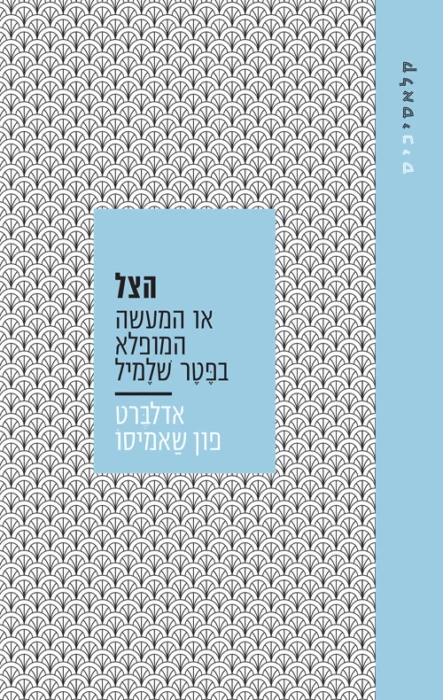
הצל: או המעשה המופלא בפטר שלמיל/ אדלברט פון שמיסו
הוצאת עם עובד, 2025, 108 עמ'
דירוג SIVI –
איכות אודיו –
סידרת קלאסי כיס#
לדף הסידרה –
The Wonderful History of Peter Schlemihl
You can read The Wonderful History of Peter Schlemihl by Adelbert von Chamisso as a short fantastic tale about one small bargain: a shadow exits a life, and a bottomless purse takes its place. The plot is straightforward, almost innocent, but what follows is anything but, once society spots the “fault” and reacts the way a crowd reacts to the scent of deviation. Very quickly, it turns out that a shadow is not an aesthetic detail or a physical nuisance. It is a person’s social certificate of approval, and it is worth more than any gold that can be piled up.
The novella was written in 1814, and yet it reads like a status report on the twenty-first century. Perhaps because Chamisso knew what he was writing before he dipped his pen in ink, he was a man without a shadow long before Peter lost his. A French aristocrat who fled the Revolution to Germany. An officer in the Prussian army, fighting against his homeland. An eternal migrant who managed to be slightly out of place everywhere: too French in Berlin, too German in Paris. For him, the shadow is not merely a literary image. It is a passport of belonging. The thing that allows the world to decide whether a person is “legitimate” is “legitimacy”. Without it, even the wealthiest person remains invisible.
Peter’s first bargain is terrifying and straightforward. He sells his shadow to “the man in gray, a figure who looks less like a devil with a pitchfork and more like a cold investment adviser, and in return, he receives a purse that produces money without limit. Chamisso does not try to persuade us that money is nonsense or meaningless. On the contrary, money matters here. It just does not redeem. It becomes a rational tool for managing anxiety. Peter uses gold to buy concealment, to buy time, to purchase distance from the examining gaze, and he discovers that wealth cannot buy legitimacy. Without a shadow, Peter is not seen as a poor man who leveled up. He is seen as a glitch in the system, one that triggers fear. He destabilizes the human sense of order, and society does not punish him. It simply removes him from humanity. A man without a shadow is too dangerous an idea to be allowed to roam freely.
The actual climax arrives with the second offer: the shadow will be returned, but the price is the soul. Here, the devil chillingly switches to a modern language, the language of cost and benefit: what does anyone do with a soul after death? Why keep an asset with no practical value in this world? It is an argument of optimization, presenting the soul as a pointless subscription to a service no one needs. But Peter refuses. That refusal looks irrational only if you accept the devil’s economic lie. Peter understands the soul is not an asset for the day after death. It is the inner boundary that defines a person before it. If the shadow is society’s recognition of you, the soul is your recognition of yourself. Peter chooses to remain strange and cast out, as long as he does not become a final commodity that can be priced in a spreadsheet.
Inside this collapse, Chamisso places beside him figures that remind us that not everything is a cold system. Bendel, the loyal servant, stays at Peter’s side with a rare ability to see a person even when society turns its eyes away. Opposite him stands Rascal, a swindler whose name is an advance confession, translating every weakness in another person into a business opportunity and betrayal. Through them, the novella says something sharp about survival.
The ending surprises precisely where other novels tend to lie. Peter does not find redemption in love, nor does he return to society’s embrace. He goes to the one place where the shadow does not matter: science, botany, the objective world of nature. A flower does not care whether a person is “legitimate” or what accent they speak with. There is enormous comfort in that, and deep sadness: a scientific comfort in a world that refuses to offer human comfort.
Here, the novella meets the present. A world that gets used to living without a stable truth quickly discovers what happens without an anchor: commodification leaks into every corner. Privacy, attention, identity, time. Everything is traded for convenience and a momentary sense of recognition. It looks reasonable, until the man in gray arrives and politely explains that what remains should not be any different from the rest. And then the question remains, simple and ugly: what is still outside the price.
Nineteenth-century literature excelled at identifying a fracture before it had a name. Sometimes the fracture is social. Sometimes it is mental. Sometimes it is both. Language is the instrument that gives it away. Anyone who has read The Double already knows that melody: an identity crumbling from within, not in one big event, but in a drip that ends in an inner exile. In Nili Mirsky’s translations of Dostoevsky, Hebrew knows how to crack without turning it into a show. Here, in Peter Schlemihl, Ilana Hammerman does something else: a plain, almost innocent Hebrew that gently carries the chill of the bargain.
This story does not argue with money. It contends with the moment when everything becomes priceable. A shadow disappears. Gold accumulates. The soul remains the one thing that refuses to cooperate with the market.
לגלות עוד מהאתר Sivi's Books
Subscribe to get the latest posts sent to your email.
נשמע מעניין – תודה על ההמלצה!