Please scroll down for an English review.
קראתי את "הנשף של מגדלת הדבורים" כחלק מפרויקט הדבורים שלי. הוא מוכר את עצמו כספר על כוורות, דבש ודבורים. בפועל, הדבורים הן רקע. בתחילת כל פרק יש קטע "מחיי הדבורים". יש דבש. יש כוורנית. יש רגעים שבהם הכוורת נוכחת ממש. אבל זה לא ספר שהדבורים בו הן שפה. הן כותרת. הן תפאורה שמדמה עומק, ואז חוזרת לשוליים.
וזה לא בהכרח רע. כי הספר עושה היטב את מה שהוא כן עושה. הוא בנוי על שני סיפורי אהבה בשני זמנים, ועל סוד משפחתי שמתגלה בהדרגה. הוא ממכר. לפעמים קצת יותר מדי.
בהווה זה סיפורה של אליזבת. אב שנהרג. אם שנעלמה. ילדות אצל סבא וסבתא אוהבים, אבל סגורים. משהו בעבר שלהם היה קבור עמוק מדי, וגם אצל אליזבת יש עבר שהיא מתעקשת לא להיכנס אליו. ואז מגיע מק, כותב ביוגרפיות. הוא בא לכתוב את סיפורו של הסבא, ובדרך הוא גורם לכל מה שלא נאמר להתחיל לזוז. גם הסיפור של אליזבת נחשף, והיא עצמה נמשכת אליו. זה רומן, והוא עובד, כי הוא לא מתפזר. הוא יודע לשמור את הדמויות על המסילה.
הרובד השני הוא זה שמרים את הספר מדרגת "נחמד" לדרגת "למה אני לא מצליחה להניח אותו". דנמרק בתקופת הכיבוש הנאצי. המחתרת. ההברחות. הסודות. כאן הספר נהיה חי, בגלל האנשים והסיכון שהם לוקחים.
אנליס היא לב החלק הזה. לכאורה דמות משנית, בפועל היא הדמות שנשארת איתך. החיים ניסו למחוץ אותה מוקדם, והיא סירבה. הסיפור שלה, כולל החיבור לתוכנית לבנסבורן, היה יכול לגלוש בקלות לסנסציה. ויגס, להפתעתי, לא עושה מזה קישוט. היא לא מתענגת, היא משאירה את זה ככוח מניע; משהו שמסביר מי אנליס, ולמה היא בנויה אחרת.
גם המחתרת הדנית כתובה פה טוב יותר ממה שציפיתי. יש מתח. יש יחסים שמרגישים חיים. יש מרגל שעובד לטובתם. יש תחושה של רשת מתחת לפני השטח, של אנשים שמחליטים שלא יעמדו בצד. אפילו אם הקוראים מכירים את הסיפור הכללי על הצלת יהודי דנמרק והברחתם לשוודיה, הספר מצליח להפוך את זה לחוויה של דמויות, לא לערך אנציקלופדי.
וזו האירוניה הכי יפה שלו: הדבורים לא מחזיקות את הספר. בני אדם מחזיקים אותו. לא "חוכמת הכוורת", לא הטבע כמרפא, אלא החלטות אנושיות בעולם שמתחיל להתפורר. אם יש כאן מטאפורה אמיתית לכוורת, היא לא נמצאת בפתיחי הפרקים. היא נמצאת בקהילה מחתרתית שמבינה שבלי פעולה משותפת אין סיכוי, ושבית הוא לא תמיד מקום רומנטי. לפעמים הוא דבר שבונים.
אז כן, זה רומן אהבה כפול. אליזבת ומק בהווה, הסבא ואנליס בעבר. הדבורים הן בעיקר עטיפה, אבל העבר הדני נותן לספר משקל שקשה להתנתק ממנו. השאלה היא רק למה היה צריך את הכוורת כדי להגיע אליו.
הנשף של מגדלת הדבורים/ סוזן ויגס
הוצאת הכורסא, 2024, 344 עמ'
דירוג SIVI –
איכות אודיו –
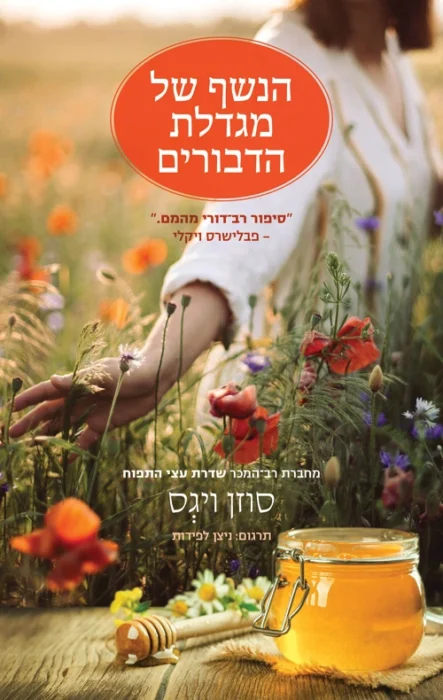
Bella Vista Chronicles #2
The Beekeeper’s Ball / Susan Wiggs
I read The Beekeeper’s Ball as part of my bees project. It sells itself as a novel about hives, honey, and bees. In practice, the bees are in the background. Each chapter opens with a short “from the life of bees” passage. There is honey. There is a beekeeper. There are moments when the hive is physically present. But this is not a book in which bees become a language. They are a title. A decorative layer that imitates depth, then retreats to the margins.
That is not necessarily a flaw, because the book does what it actually sets out to do rather well. It is built around two love stories in different time periods and a family secret that is gradually uncovered. It is addictive, sometimes a little too much so.
In the present-day storyline, we follow Elizabeth. Her father is dead. Her mother has disappeared. Loving but emotionally closed grandparents raised her. Something in their past had been buried too deeply, and Elizabeth, too, carries a past she refuses to enter. Then Mack arrives, a biographer who has come to write her grandfather’s story. In the process, he sets in motion everything that has gone unspoken. Elizabeth’s own story begins to surface, and she finds herself drawn to him. It is a romance, and it worsens because it does not wander off course. It knows how to keep its characters on track.
The second layer is what lifts the book from merely pleasant to genuinely hard to put down. Denmark during the Nazi occupation. The resistance. Smuggling operations. Secrets. This is where the novel comes alive, because of the people and the risks they take.
Annelise is the heart of this section. On the surface, she seems like a secondary character, but in practice, she is the one who stays with you. Life tried to crush her early, and she refused. Her story, including the connection to the Lebensborn program, could easily have slipped into sensationalism. To my surprise, Wiggs does not use it that way. She does not linger on it for effect. She leaves it where it belongs, as a driving force, something that explains who Annelise is and why she is made differently.
The Danish resistance is also written better than I expected. There is tension. Some relationships feel alive. A spy is working in their favor. There is a sense of a network operating beneath the surface, of people deciding they will not stand aside. Even if readers already know the general story of Danish Jews being rescued and smuggled into Sweden, the novel manages to turn it into an experience of character rather than an encyclopedia entry.
And that is its most interesting irony: the bees do not sustain the book. Human beings do. Not “the wisdom of the hive,” not nature as healer, but human decisions in a world beginning to fall apart. If there is a real beehive metaphor here, it is not in the chapter openings. It is in an underground community that understands that without collective action, there is no chance, and that home is not always a romantic place. Sometimes it is something people build.
So yes, this is a double love story: Elizabeth and Mack in the present, her grandfather and Annelise in the past. The bees are mostly packaging, but the Danish past gives the novel a weight that is hard to shake off. The only real question is why it needed the hive to get there.
לגלות עוד מהאתר Sivi's Books
Subscribe to get the latest posts sent to your email.