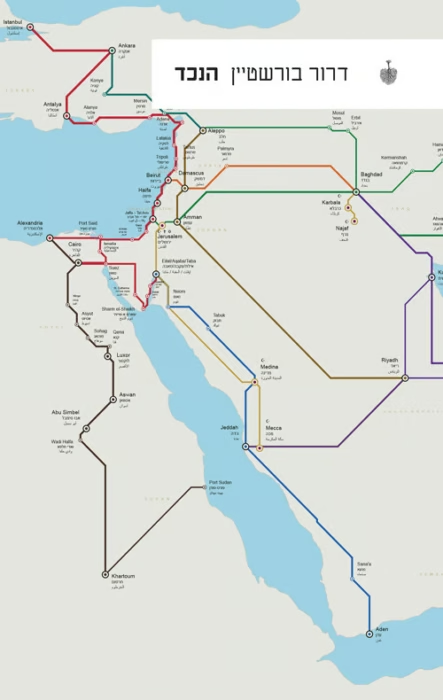
הנכד של דרור בורשטיין הוא סיפור מסעם של אב ובנו לבית החולים, לפגוש את הנכד שזה עתה נולד. המסע עובר ברחובות תל אביב והופך לאודיסאה עירונית, שבמהלכה נתקלים השניים באלימות, בחורבן ובדמויות אקסצנטריות. העיר המוכרת נעשית מרחב כאוטי ומאיים, שבו המציאות וההזיה הולכות ומתערבבות.
הספר מועמד ברשימה הארוכה לפרס ספיר.
מה שצריך לדעת
אב ובנו חוצים את תל אביב בדרכם לפגוש נכד שזה עתה נולד, במסע שבו מלחמה, אלימות, אמנות והזיה הופכות את העיר למרחב כאוטי.
לקוראים שאוהבים ספרות ניסיונית וסוריאליסטית, מוכנים להתמודד עם כתיבה עמוסת דימויים ומבקשים לבחון את השבר הישראלי דרך אמנות, זיכרון ויחסים בין־דוריים.
הסצנה במוזיאון והחיבור בין ברויגל, זיכרון משפחתי, מוזיקה ואלימות יוצרים רגעים שבהם הצורה והמחשבה נפגשות בעוצמה.
ההצטברות הסוריאליסטית חוזרת שוב ושוב על תחושת הכאוס, אבל אינה תמיד מפתחת אותה לתובנה חדשה או עמוקה יותר.
בחלקו הראשון של הספר קשה שלא לזהות את השפעתן של השנים האחרונות, ובייחוד את השבר שהעמיק בעקבות השבעה באוקטובר. אחת התחנות המשמעותיות במסע היא מוזיאון תל אביב, שבו מוצג, כמתנה מן הפראדו לאות סולידריות, ציורו של פיטר ברויגל האב, "ניצחון המוות" (1562 לערך). הציור מתאר צבא של שלדים המשתלט על העולם וטובח בבני האדם ללא הבחנה. אין בו הבדל בין מלכים לאיכרים, בין אנשי דת לאוהבים. כולם נתונים לאותה מכונת השמדה.
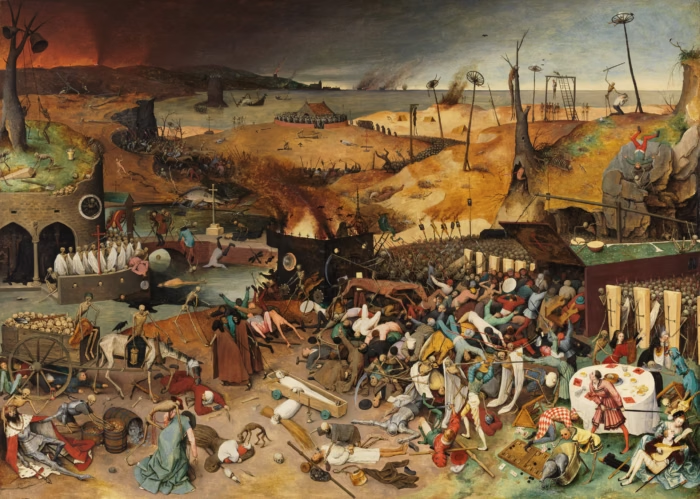
בהקשר הישראלי הציור נעשה משל לחברה שהאלימות וההרג הם בה מציאות מתמשכת המעצבת את חייה. הרחובות שבהם עוברים האב ובנו הופכים למרחב שהסדר האנושי קרס בו, והמסע אל בית החולים, שאמור להסתיים במפגש עם חיים חדשים, מתנהל בצל נוכחותו המתמדת של המוות.
ההתבוננות בציור חושפת גם את מנגנון ההתרבות של האלימות. אריה מבין שהשלדים הורגים את בני האדם כדי לגייס אותם לצבאם: הקורבנות נדחקים אל מלכודת ענקית ויוצאים ממנה שלדים. מי שהיה קורבן נעשה בתורו שותף למנגנון ההרג.
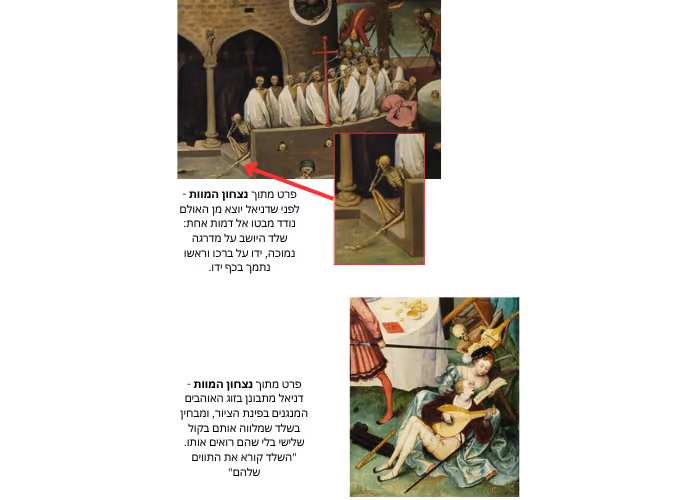
דניאל מתבונן בזוג האוהבים המנגנים בפינת הציור, ומבחין בשלד שמלווה אותם בקול שלישי בלי שהם רואים אותו. "השלד קורא את התווים שלהם", הוא אומר, וברגע זה עולה בו זיכרון ילדות: אמו, לאה, מתאמנת בפסנתר, ואביו פורץ מחדרו וצועק שאי אפשר לקרוא עיתון בשקט אחרי יום עבודה. לאה עוצרת לרגע, ואז חוזרת לנגן בעוצמה רבה מקודם. אריה תופס במפרקי ידיה, עוקר אותם מן הקלידים וטורק את מכסה הפסנתר. דניאל הילד, שישב בפינה שבין הקיר לפסנתר, מבקש ממנה להמשיך.
"אבל היא לא המשיכה, לא באותו יום ולא אף פעם."
כך נקשרת האלימות הקולקטיבית לאלימות שבתוך הבית. השלד הקורא את תווי הזוג הוא שמעורר בדניאל את זיכרון האב שפרץ אל נגינתה של אמו. השלד מצטרף למוזיקה והאב עוצר אותה, אבל שניהם חודרים אל המקום שאמור היה להיות מוגן. ויש אירוניה מרה בכך שדווקא אריה, שמזהה בציור כיצד קורבנות הופכים לחלק ממנגנון ההשמדה, הוא מי שהפעיל כוח כדי להשתיק את אשתו. המוזיקה מושתקת בידי המלחמה, וגם בידי הכוח המופעל ביחסים האנושיים הקרובים ביותר.
לפני שדניאל יוצא מן האולם נודד מבטו אל דמות אחת: שלד היושב על מדרגה נמוכה, ידו על ברכו וראשו נתמך בכף ידו. "משום מה השלד האחד הזה עצר והתיישב, יצא מהקרנבל. אבל הוא טיפה בים, חשב דניאל, העולם ממשיך במלוא הקצב, העולם לא שם לב לאחד שעצר." בחוץ, ליד חנות המוזיאון, הוא חושב במרירות לקנות לאורנה פאזל של הציור, "שיהיה לה מה להרכיב עם הנכד", ומיד אחר כך חוזר הטקסט אל לאה ואל הפסנתר. הנכד, ניצחון המוות והמוזיקה המושתקת נפגשים בעמוד אחד.
לציור הזה יש היסטוריה בעולמו של בורשטיין, והיא מעניקה לסיום הספר עומק שאינו מתברר במבט ראשון.
ב־2005, ברשימה "ניצחון המוסיקה (בארנבוים־סעיד)", שנכתבה על ספר השיחות של דניאל בארנבוים ואדוארד סעיד, פתח בורשטיין דווקא בזוג המנגנים. הם עונים למוות בשפת המוזיקה ומסרבים להשיב לו בשפתו. את האפשרות הזאת קשר לשיחות בין המוזיקאי הישראלי לאינטלקטואל הפלסטיני, שהמוזיקה מאפשרת להם מפגש במקום שבו הפוליטיקה מציבה גבולות, ולדרישה לוותר על זהות קשיחה כדי להכיר את האחר. סעיד אף קרא את שובו של אודיסאוס כאפשרות פוליטית לישראלים ולפלסטינים, הנמצאים באמצעו של מסע כזה. הרשימה מסתיימת ברגע אופטימי במיוחד: האיש הצועק במרכז הציור מצטרף לשירת הזוג, וחרבו חוזרת לנדנה.
כמעט עשרים שנה אחר כך, בדצמבר 2024, שב בורשטיין אל אותו ציור ברשימה "התקווה", והפעם הייתה קריאתו קודרת בהרבה. "בציור הזה אין תקווה במוזיקה", כתב. הזוג המנגן נראה לו מסוגר בחדר סגור, מתעלם מן הנעשה סביבו, כמו אם שראה פעם בפראדו מושכת את ילדה הרחק מן הציור, "וכמונו". את רסיס התקווה מצא בשלד היושב, בתנוחת המלנכוליה הקלאסית. משהו גרם לשלד הזה לעצור לרגע. הרשימה מסתיימת בשאלה: במדינה המנוהלת בידי אנשים הפועלים באופן הרסני, האם הדיכאון הוא התקווה שלנו?
הנכד מצרף את שתי הקריאות. בסצנה במוזיאון מבחין דניאל בשלד הקורא את תווי הזוג, פרט שב־2005 נותר בלי פירוש וב־2024 לא הוזכר כלל, והופך אותו לזיכרון של אב המשתיק את אמו. ובסוף הסצנה הוא נעצר מול השלד היושב, זה שיצא מהקרנבל ואיש אינו שם לב אליו.
על הרקע הזה מקבל סיומו של הנכד משמעות נוספת.
כאשר מסתיים חלקו הכאוטי והסוריאליסטי של הספר, בורשטיין מתערב במעשה הסיפורי, מוחק את ההווה שיצר ומציע לקוראיו עתיד אחר. בעולם החדש הגבולות נפתחים, והנכד, שהפך למוזיקאי, נוסע מעיר לעיר ברחבי המזרח התיכון ומופיע בפני קהלים מגוונים. במקום תנועה החסומה בגבולות, בעוינות ובפחד, נפתח מרחב של מפגש אנושי ותרבותי.
המחבר עושה בסיפור שלו את מה שעשה השלד היושב: עוצר את הקרנבל. רק אחרי העצירה חוזרת המוזיקה, והפעם בורשטיין מעביר אותה אל העתיד, בלי לצפות שתגבור על המוות. הנכד שנולד לתוך מציאות של הרס ואלימות נעשה אדם המסוגל לנוע בעולם שאינו מוכתב עוד בידי הגבולות והעוינות של ההווה. יש בכך הד לאודיסאוס שסעיד קרא כאפשרות פוליטית, אף שהנכד אינו שב הביתה. הוא יוצא ממנו אל ערי המזרח התיכון.
יש במהלך הזה גם תיקון בין־דורי. המוזיקה שהושתקה באלימות בדור הסבים שבה ונשמעת בדור הנכדים. לאה, שסולקה מן הפסנתר, אינה חוזרת לנגן, אך נכדה נושא את האפשרות שנשללה ממנה אל עתיד אחר. כך נעשית המוזיקה חלופה למלחמה, וגם דרך לשבור את מעגל האלימות העובר מדור לדור.
בעיניי זה הרעיון היפה והמשמעותי ביותר בספר, מפני שהוא מעז לדמיין קיום שאינו נשען על המשך המאבק, שבו הזהות והתרבות אינן מחייבות הסתגרות והמפגש עם האחר אינו נתפס בהכרח כאיום. זו כמעט מילה במילה הדרישה שבורשטיין מצא אצל בארנבוים וסעיד ב־2005.
ודווקא ההיכרות עם עיסוקו המתמשך של בורשטיין בשאלה הזאת מחדדת את הסתייגותי מן הספר.
המחשבה המונחת ביסודו של הנכד היא פרי התבוננות ממושכת במציאות הישראלית ובאפשרותה של האמנות להציע שפה שאינה נשענת על כוח, גבולות והרג. בורשטיין חוזר אל אותה שאלה לאורך שנים, משנה את עמדתו, מטיל ספק באפשרות שהמוזיקה תעמוד כנגד המוות, ובכל זאת מסרב לוותר על התקווה הגלומה בה.
אלא שהעומק הרעיוני הזה אינו מוצא, לטעמי, ביטוי הולם במהלך הספרותי של הרומן.
העלילה בבסיסה פשוטה: אב ובנו מבקשים להגיע אל תינוק שזה עתה נולד, תנועה דרך עולם של מוות לעבר חיים חדשים. המסע הסוריאליסטי בתל אביב, על שלל הדימויים, המפגשים וההתרחשויות, ממחיש היטב מציאות שהסדר האנושי קרס בתוכה. אולם ככל שהאירועים מצטברים, קשה למצוא בהם התפתחות מקבילה של המחשבה. הכאוס מתואר שוב ושוב, והחזרה עליו אינה מעמיקה את הבנתו. המעטפת הצורנית הולכת ומסתבכת עד שהיא מאיימת להאפיל על מה שהספר מבקש לומר.
נדמה שבורשטיין צופה את ההסתייגות הזאת. מול הציור במוזיאון עוצר אחד המבקרים ואומר: "לא יודע, זה נראה לי טו מאץ׳, מה זה?". ההצטברות היא עקרון הציור של ברויגל, שבו "הציור נמשך עוד ועוד", ונראה שבורשטיין אימץ אותה במודע גם לרומן. אבל בציור ההצטברות פועלת משום שהעין קולטת אותה בבת אחת, כמראה אחד של עולם שקרס. בקריאה, לאורך עמודים רבים, היא נשחקת, ומה שבציור הוא הלם נעשה ברומן שגרה.
הסצנה במוזיאון מוכיחה שבורשטיין מסוגל ליצור מפגש רב עוצמה בין הצורה למחשבה, בין היסטוריה, אמנות, זיכרון אישי ומשמעות פוליטית. דווקא משום כך בולטת חולשתם של החלקים שבהם עודף ההתרחשויות אינו מניב הישג דומה. האלימות מולידה עוד אלימות, האבסורד מוליד עוד אבסורד, וההתפוררות נמשכת, אך לא תמיד מתברר מה למדנו ממנה שלא ידענו קודם.
אינני מתנגדת לניסויים צורניים בספרות. להפך, הצורה היא חלק בלתי נפרד מן המחשבה הספרותית. ספרות אינה חייבת לייצג את המציאות באופן ריאליסטי, ובוודאי אינה חייבת להציע תשובות לשאלות שהיא מעלה. הסוריאליזם יכול להיות כלי רב עוצמה לחשיפת הסתירות, החרדות והאבסורד שבקיום האנושי. אבל גם כאוס ספרותי זקוק למשמעת פנימית, וגם התפוררות מכוונת צריכה להוליד משמעות.
במובן הזה הנכד מבטא בעיניי קושי רחב יותר שאני מזהה בספרות העברית בשנים האחרונות: ספרות המבקשת להתמודד עם המציאות הישראלית ועם השבר האידיאולוגי והחברתי הפוקד אותה, ומתקשה למצוא את הפריזמה שתאפשר לה לבחון אותו לעומקו. הניסוי הצורני נעשה לתחליף להעמקה.
הניסיון של בורשטיין לעמוד על הקרקע הרועדת מצליח להמחיש את תחושת ההתפוררות, ואינו מצליח לפתח אותה לכדי תובנה בעוצמה דומה. סיומו של הספר חושף את הפער הזה במלוא חריפותו. ברגע שבורשטיין מניח למבנה הכאוטי ועוצר אותו, מתגלה בבהירות המחשבה שהעסיקה אותו עשרים שנה, ובבת אחת מתברר שמלבד רגעים כמו הסצנה במוזיאון, המסע הארוך שקדם לסיום לא הצליח לשאת אותה.
וזו אולי האכזבה הגדולה ביותר שלי מן הספר: השאלות חשובות, אבל האפשרות הספרותית שניתנה להן אינה עומדת בעומקן.
הספרות העברית אינה חייבת לספק תשובות לשבר הישראלי. אבל ראוי לצפות ממנה ליותר מאשר להמחיש שוב ושוב את עצם קיומו. היא יכולה, וצריכה, להרחיב את גבולות ההבנה שלנו.
לא די לתאר את השבר. האתגר הספרותי הוא להצליח לחשוב באמצעותו.
The Grandson / Dror Burstein
"The Grandson" by Dror Burstein follows a father and son on their way to the hospital to meet a newborn grandson. Their walk through Tel Aviv becomes an urban odyssey filled with violence, destruction and eccentric figures. The familiar city becomes a chaotic, threatening space where reality and hallucination gradually merge.
The book was selected for the longlist of the 2026 Sapir Prize.
In the first part of the novel, it is difficult not to recognize the influence of recent years, particularly the rupture that deepened after October 7. One of the most important stops on the journey is the Tel Aviv Museum of Art, where, within the novel, Pieter Bruegel the Elder's "The Triumph of Death", painted around 1562, is displayed as a gesture of solidarity from the Prado. The painting depicts an army of skeletons overwhelming the world and killing human beings indiscriminately. Kings, peasants, clergy, and lovers are all caught within the same machinery of destruction.
In the Israeli context, the painting becomes an image of a society in which violence and death are not exceptional events but a continuing reality that shapes everyday life. The streets through which the father and son walk become a space in which ordinary human order has collapsed, while their journey toward a maternity ward and a new life takes place under the constant presence of death.
The painting also reveals a mechanism through which violence reproduces itself. Arieh understands the skeletons as killing human beings in order to recruit them into their own army. Victims are pushed into the machinery of death and emerge as part of it. The victim becomes another participant in the mechanism that destroyed him.
Daniel, meanwhile, notices the lovers making music in one corner of the painting and a skeleton accompanying them without their awareness. The detail triggers a childhood memory of his mother Leah practicing the piano. His father Arieh storms into the room, angrily interrupts her playing, and physically forces her hands away from the keyboard. Daniel, sitting nearby as a child, asks his mother to continue. She never plays again.
The collective violence of the painting is thus joined to violence inside the home. The skeleton intrudes upon the lovers' music just as the father intrudes upon Leah's playing. Both enter a space that should have been protected. There is a bitter irony in the fact that Arieh, who can recognize how victims become part of a system of destruction in Bruegel's painting, is himself the man who used force to silence his wife. Music is suppressed by war, but also by power exercised within the most intimate human relationships.
Before leaving the gallery, Daniel notices another figure: a skeleton who has stopped, sat down, and withdrawn from the surrounding frenzy. The world continues around him without noticing that one participant has stopped taking part. Outside the gallery, Daniel briefly imagines buying a puzzle of the painting for his family to assemble with the newborn grandson, and the narrative immediately returns to Leah and the silenced piano. The grandson, "The Triumph of Death," and the lost music converge within the same sequence.
This painting has a history in Burstein's own writing, and that history gives the novel's ending a depth that is not immediately apparent.
In 2005, in an essay titled "The Victory of Music (Barenboim-Said)", written about the conversations between Daniel Barenboim and Edward Said, Burstein began with the two musicians in Bruegel's painting. He read them as answering death through the language of music rather than responding in death's own language. He connected this possibility to the dialogue between the Israeli musician and the Palestinian intellectual, whose shared musical world allowed a meeting where politics usually established boundaries. Said's discussion of Odysseus also became, in Burstein's reading, a possible political image for Israelis and Palestinians undertaking a difficult journey through unfamiliar territory. The essay ends on an unusually hopeful interpretation of the painting: even a nearby armed figure is imagined as joining the music rather than the violence.
Almost twenty years later, at the end of December 2024, Burstein returned to the same painting in an essay titled "Hope", and his reading had become much darker. He no longer found hope in the musicians, who now appeared enclosed within their own small protected space and detached from the catastrophe surrounding them. Instead, he found a fragment of hope in the seated skeleton, represented in the traditional posture of melancholy. Something has caused this figure to stop. Burstein ends by asking whether, in a country led by people acting destructively, depression itself might constitute a form of hope.
"The Grandson" brings these two readings together. In the museum scene, Daniel notices the skeleton following the musicians' score, a detail that becomes connected to the memory of a father silencing his mother's piano. At the end of the scene, he pauses before the seated skeleton, the figure who has left the carnival while the world continues without noticing him.
Against this background, the ending of "The Grandson" acquires another meaning.
When the novel's chaotic, surreal part ends, Burstein intervenes in his own narrative, erases the present he has created, and offers the reader another future. In this new world, borders are open, and the grandson, now a musician, travels from city to city throughout the Middle East, performing before different audiences. Movement is no longer blocked by borders, hostility, and fear. A space opens for cultural and human encounter.
The author does within his narrative what the seated skeleton did in the painting: he stops the carnival. Only after this interruption does music return. This time Burstein places it in the future without expecting it to defeat death. The grandson, born into a reality of destruction and violence, becomes someone capable of moving through a world no longer dictated by the borders and hostilities of the present. There is an echo here of the Odysseus whom Said read as a political possibility, although this grandson does not return home. He moves outward into the cities of the Middle East.
There is also an intergenerational act of repair. The music that was violently silenced in the grandparents' generation returns in the grandson's generation. Leah never returns to the piano, but her grandson carries into another future the possibility that was taken from her. Music becomes both an alternative to war and a way of breaking a cycle of violence transmitted from one generation to the next.
For me, this is the most beautiful and meaningful idea in the novel. It dares to imagine an existence that does not depend upon the continuation of conflict, in which identity and culture do not require enclosure and an encounter with another person is not necessarily experienced as a threat. It closely resembles the possibility Burstein identified in Barenboim and Said in 2005.
And it is precisely my familiarity with Burstein's long engagement with this question that sharpens my reservations about the novel.
The thought underlying "The Grandson" emerges from a prolonged engagement with Israeli reality and with the possibility that art might offer a language not founded upon power, borders and killing. Burstein has returned to this question for years, altering his position, doubting whether music can stand against death, while still refusing to abandon the possibility of hope within it.
The problem, for me, is that this intellectual depth does not find an equally powerful literary form in the novel.
The basic plot is simple: a father and son try to reach a newborn baby, moving through a world of death toward new life. Their surreal journey through Tel Aviv, with its accumulating encounters, images and events, effectively conveys a reality in which human order has collapsed. Yet as the incidents multiply, I found less and less corresponding development in the thought itself. The chaos is repeatedly demonstrated without necessarily deepening our understanding. The formal structure becomes increasingly elaborate until it threatens to obscure what the book is trying to say.
Burstein seems aware of this objection. A visitor standing before Bruegel's painting complains that it is simply too much. Accumulation is one of the painting's fundamental principles, and Burstein appears to have deliberately adopted the same strategy for the novel. But in a painting, accumulation is grasped simultaneously as one overwhelming image of a collapsing world. Across many pages of prose, repetition can become worn down. What strikes the viewer as shock in the painting gradually risks becoming routine in the novel.
The museum scene proves that Burstein can create an extraordinarily powerful encounter between form and thought, history and art, personal memory and political meaning. That makes the weaker sections stand out more. Violence produces more violence, absurdity produces more absurdity, and dissolution continues, but it is not always clear what we have learned that we did not already understand.
I have no objection to formal experimentation in literature. Form is inseparable from literary thought. Fiction does not have to represent reality realistically, nor does it owe us answers to the questions it raises. Surrealism can be an extraordinarily powerful means of exposing contradictions, anxieties, and the absurdity of human existence. But even literary chaos requires an internal discipline, and deliberate disintegration still has to generate meaning.
In this sense, "The Grandson" represents for me a broader difficulty I increasingly recognize in recent Hebrew literature: writing that wants to confront Israeli reality and the ideological and social rupture running through it, yet struggles to find the prism through which that rupture can be examined in sufficient depth. Formal experimentation can become a substitute for deeper thought.
Burstein's attempt to stand on unstable ground succeeds in conveying the experience of disintegration, but does not always develop it into an insight of equal force. The ending exposes this gap with particular clarity. Once Burstein abandons the chaotic structure and stops it, the idea that has occupied him for two decades becomes suddenly clear. At that moment it becomes equally clear that, apart from scenes such as the museum episode, much of the long journey preceding the ending has not carried that idea with comparable power.
That is perhaps my greatest disappointment with the novel: the questions are important, but the literary possibility created for them does not match their depth.
Hebrew literature does not have to provide solutions to the Israeli rupture. But it is reasonable to expect more from it than repeated demonstrations of the fact that the rupture exists. Literature can, and should, expand the boundaries of our understanding.
Describing the fracture is not enough. The literary challenge is to think through it.
לגלות עוד מהאתר Sivi's Books
Subscribe to get the latest posts sent to your email.