יערה שחורי פותחת בסיגריות של אמה. בחפיסת טיים, במצית זול, במדף פורמייקה, ביד שנשלחת כמעט מתוך שינה אל הסיגריה הראשונה של הבוקר.
מתוך התנועה הקטנה הזאת מתחילה להיבנות דמותה של האם.
מצחיקה. קשה. פוליטית. עוקצנית. מעשנת בלי סוף. אישה שחיה בעולם לפי הקצב שלה, וגם מתה בתוכו.
מה שצריך לדעת
יערה שחורי מנסה לכתוב את דמותה של אמה לאחר מותה, דרך זיכרונות, חפצים, מסמכים, חלומות וסיפורים משפחתיים, ומגלה שכל ניסיון לקבע אותה מוליד גרסה נוספת.
לקוראים שאוהבים ספרות אישית, יחסי אמהות ובנות, כתיבה על זיכרון ואבל, וספרים שבוחנים איך סיפור משנה את הדבר שהוא מנסה לשמר.
הפרטים הקטנים מצטברים לדמות מורכבת מאוד, והספר חזק במיוחד כשהוא נשאר עם הסתירות: אהבה ואכזריות, נאמנות וכעס, זיכרון וטעות, אם שמתה ובכל זאת ממשיכה להופיע.
זה ספר פרגמנטרי ואישי מאוד, ולכן לא כל הקטעים פועלים באותה עוצמה. הכוח שלו נמצא פחות בעלילה רציפה ויותר בהצטברות של זיכרונות, משפטים ותמונות.
הבת מביטה בה מקרוב מאוד. לפעמים קרוב מדי.
שחורי כותבת:
"אכזריות לא הייתה שפה זרה בינינו. יכולתי לקרוא לזה אהבה וגם זה לא היה שקר."
האהבה בין האם לבת לא עוברת ניקוי אחרי המוות. היא נשארת מלאה בכעס, ציניות, אשמה, זיכרונות רעים, נאמנות והרגל.
שחורי חוזרת אל אמה דרך החפצים, הפעולות, הדעות הפוליטיות ודרך הדברים שהשתיים העדיפו להשאיר קבורים.
האם כבר הופיעה בספרים קודמים שלה. שחורי עצמה כותבת שדחפה אותה לתוכם, ואז מגלה שכל גרסה שכתבה מולידה עוד גרסה.
היא קוראת לזה:
"הקסם והאנטי־קסם של הכתיבה."
ברגע שכותבים זיכרון, משהו משתנה בו.
הניסוח מתקבע. התמונה נעשית חדה יותר. מה שהיה פעם תחושה מעורפלת הופך לסיפור, והסיפור מתחיל לתפוס את מקומו של הדבר עצמו.
גם טעות בזיכרון נכנסת פנימה.
שחורי רוצה לצטט את ז'ורז' פרק וכותבת "אורניתולוג" במקום "אתנולוג". במקום להחליק את הטעות, היא נשארת איתה.
האם נעשית ציפור.
עוף חול.
יצור שאפשר כביכול להביט בו מבחוץ, לזהות סימנים, לתת לו שם.
זה לא מצליח. האם מסרבת להיכנס למגדיר.
"מי שמתה כל כך הרבה פעמים לא יכולה למות."
האם מתה שוב ושוב עוד לפני המוות עצמו, במחשבות של הבנות שלה.
ואחר כך היא ממשיכה להופיע.
בחלומות. ברחוב. באישה זרה שנראית לרגע מוכרת. בריח של עשן.
הגוף סיים את תפקידו אבל, הזיכרון מסרב לקבל את ההודעה.
בשלב מסוים נכנסת אל הספר גם ההיסטוריה הגדולה.
שחורי קוראת חדשות אחרי שבעה באוקטובר וחושבת מי בכלל ירצה לקרוא עכשיו על אמא אחת שמתה ממחלה. מוות פרטי, לא הרואי, לא חלק מן הזוועה הציבורית.
כמה מקום רשאי לתפוס אבל פרטי כשהעולם סביבו בוער?
האם עצמה הייתה פוליטית עד הסוף. ימים לפני מותה היא שוכבת בבית החולים. הבת מציעה לה להסתכל על הים. האם עונה:
"מה אכפת לי הים, אני חושבת על עזה."
מאוחר יותר שחורי כותבת:
"אבל בין המלחמה לאימי אני בוחרת באימי."
האם בוחרת בעזה על פני הים. הבת, בספר כולו, בוחרת באם על פני המלחמה. זו אולי הבגידה השקטה של הספר, וגם הנאמנות שלו.
לפעמים הספרות נשארת עם אדם אחד.
עם מוות אחד.
שחורי כותבת:
"ספרות מאפשרת גם רצח בלי משפט."
המשפט הזה אכזרי בדיוק במידה הנכונה. שחורי לא מסתירה ששקלה לעזור לאמה למות.
בסופו של דבר לא היה צורך בכדורים.
כשהאם שואלת בבית החולים אם היא עומדת למות, היא אומרת:
"אל תשקרי לי."
והבת עונה כן.
זה הכול.
בלי מילות פרידה שנועדו להישאר לנצח.
רק תשובה.
"הכתיבה הזאת תציל לכל היותר אותי."
הכתיבה לא תחזיר את האם, ולא תתקן את מה שהבת עשתה או לא עשתה. היא רק מאפשרת לחזור לשם ולהסתכל עוד פעם.
זה ספר יפה מאוד. יפה בצורה לא נקייה.
כמו זיכרון אמיתי של אמא.
הסדרה הקטנה #
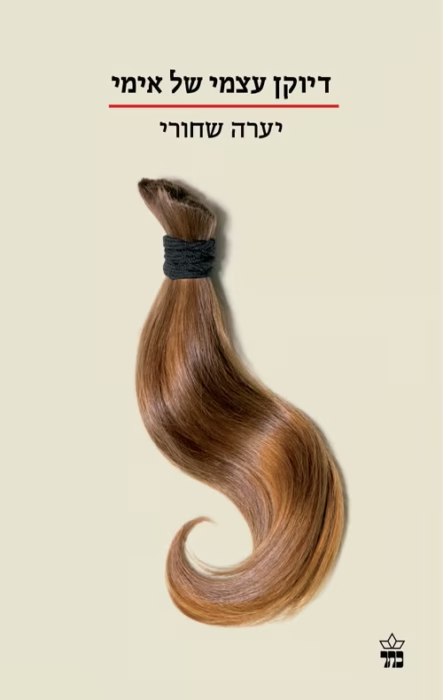
Self-Portrait of My Mother / Yaara Shehori
Yaara Shehori begins with her mother's cigarettes. A pack of Time, a cheap lighter, a Formica shelf, a hand reaching almost in its sleep for the first cigarette of the morning.
From that small movement, the mother begins to take shape.
Funny. Difficult. Political. Cutting. Smoking endlessly. A woman who lived in the world according to her own rhythm, and died inside it too.
The daughter looks at her from very close range. Sometimes too close.
Shehori writes that cruelty was never a foreign language between them, and that calling it love would not have been a lie either.
The love between mother and daughter is not cleaned up after death. It remains full of anger, cynicism, guilt, bad memories, loyalty, and habit.
Shehori returns to her mother through objects, gestures, political opinions, and the things they preferred to leave buried.
The mother had already found her way into earlier books. Shehori writes that she pushed her into them, only to discover that every version she wrote produced another.
She calls this the magic and anti-magic of writing.
The moment a memory is written down, something in it changes.
The wording hardens. The image becomes sharper. What was once a vague sensation turns into a story, and the story begins to take the place of the thing itself.
Even a memory error enters the text.
Shehori wants to quote Georges Perec and writes "ornithologist" instead of "ethnologist." Instead of smoothing over the mistake, she stays with it.
The mother becomes a bird.
A phoenix.
A creature that can supposedly be observed from the outside, identified by signs and given a name.
It does not work. The mother refuses to fit into the field guide.
Shehori writes that someone who has died so many times cannot truly die.
The mother dies again and again even before her actual death, in the thoughts of her daughters.
And afterward, she keeps appearing.
In dreams. In the street. In a stranger who looks familiar for a moment. In the smell of smoke.
The body has finished its work. Memory refuses to accept the notice.
At a certain point, larger history enters the book, too.
Shehori reads the news after October 7 and wonders who would want to read now about one mother who died of illness: a private death, not heroic, not part of the public catastrophe.
How much space is private grief allowed to occupy while the world around it is burning?
Her mother herself remained political to the end. Days before her death, she is lying in the hospital. Her daughter suggests looking at the sea. Her mother replies that she does not care about the sea; she is thinking about Gaza.
Later, Shehori writes that between the war and her mother, she chooses her mother.
The mother chooses Gaza over the sea. The daughter, throughout the book, chooses the mother over the war. That may be the book's quiet betrayal, and also its loyalty.
Sometimes literature stays with one person.
With one death.
Shehori writes that literature allows even murder without a trial.
The sentence is cruel in exactly the right measure. She does not hide the fact that she considered helping her mother die.
In the end, there was no need for the pills.
When her mother asks in the hospital whether she is going to die, she tells her not to lie.
The daughter says yes.
That is all.
No farewell words designed to last forever.
Just an answer.
Shehori writes that this writing will save, at most, herself.
The writing will not bring the mother back, and it will not repair what the daughter did or failed to do. It only allows her to return there and look once more.
It is a very beautiful book.
Beautiful in an unclean way.
Like a real memory of a mother.
לגלות עוד מהאתר Sivi's Books
Subscribe to get the latest posts sent to your email.
1 מחשבה על “דיוקן עצמי של אימי / יערה שחורי”
תודה על הסקירה. נשמע ספר ממש לא פשוט. לא לכתיבה ולא לקריאה…