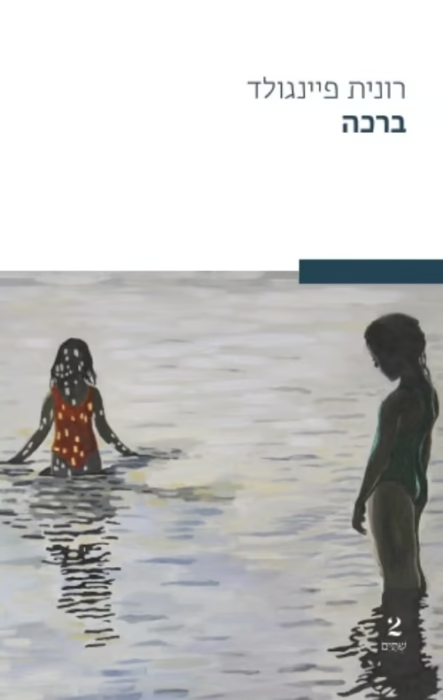
תערוכה יכולה לפתוח דלת לזיכרון. לפעמים היא גם גוררת לתוך הספר עולם שלם, שלא בטוח שהסיפור מסוגל לשאת.
בביאנלה בוונציה, רונית פיינגולד צופה בביתן הישראלי במיצג של איה בן רון. אחד מארבעת הסרטים שבו עוסק בפרשת ילדי תימן. המפגש מחזיר אותה אל סיפור שנשמר במשפחה עשרות שנים: תינוקת שנולדה לאמה ב־1947 ונעלמה זמן קצר אחרי הלידה.
ההורים היו אז בני תשע־עשרה, ניצולי שואה, צעירים באופן כמעט בלתי נתפס ביחס לכל מה שכבר עברו. הם קראו לה ברכה. האם לא הצליחה להניק. התינוקת אושפזה. אחר כך הגיעה הודעה שמתה. לא היה קבר, לא היו תשובות ברורות, רק מסמך רפואי עמום וזיכרון שסירב להיסגר.
הם חזרו לקיבוץ.
מה שצריך לדעת
ממואר קצר שבו רונית פיינגולד חוזרת לסיפור משפחתי שנשמר עשרות שנים: תינוקת בשם ברכה שנולדה לאמה ב־1947, אושפזה ונעלמה, ומשפחה שנשארה בלי קבר ובלי תשובה ברורה.
לקוראים שמתעניינים בזיכרון משפחתי, שכול פרטי, ניצולי שואה, ראשית ההתיישבות ובאופן שבו סיפורים אישיים נספגים בתוך נרטיבים לאומיים רחבים יותר.
הכתיבה המאופקת והסיפור המשפחתי עצמו. פיינגולד מתארת היטב זוג צעיר שניסה לבנות חיים אחרי השואה, אב שלא הפסיק לשאול ושנים של שתיקה סביב אובדן שלא קיבל שם.
החיבור לפרשת ילדי תימן, המזרח והבלקן מרגיש לי רחב מדי ביחס למקרה המשפחתי. נקודות המגע קיימות, בעיקר ביחס לכוח, מוסדות והדרה, אבל לא מדובר באותו הקשר היסטורי.
פיינגולד מתארת עולם שבו הפרטי נדרש לפנות מקום לקולקטיב. אנשים הגיעו מאירופה אחרי שאיבדו משפחות שלמות, ובתוך זמן קצר נדרשו לתפקד כאילו אין להם עבר.
גם בקיבוץ הייתה היררכיה. היו מי שנתפסו כמלח הארץ, והיו מי שהגיעו מאוחר יותר, עם מטען שלא תמיד היה רצוי במקום שביקש לבנות אדם חדש.
במציאות כזאת, לאובדן של תינוקת לא היה בהכרח מרחב משלו. הכאב נשאר בתוך המשפחה. לפעמים אפילו שם לא היה לו מקום.
"סיפורו של הפרט לא היה המרכז", כותבת פיינגולד, ובמשפט הזה יש משהו יסודי בתרבות הישראלית של אותן שנים. היישוב היה עסוק בהתיישבות ובהישרדות. הכאב לא התאים למסגרת.
אביה של פיינגולד התקשה להשלים עם ההודעה על מות בתו. הוא ניסה לברר מה קרה. השאלות שלו לא התקבלו בברכה. בשלב מסוים הובהר לו שכדאי להפסיק.
כשפיינגולד חוזרת אל הוריה ואל החיים שנמשכו סביב החלל הזה, הכתיבה שלה מאופקת וחזקה.
רק החיבור לפרשת ילדי תימן מחליש אותה.
החיבור הזה לא נולד בוונציה. האב שתק עשרות שנים, וסיפר על ברכה רק בשנות התשעים, כשהפרשה עלתה לשיח הציבורי. כבר אז הסיפור הציבורי היה המפתח לסיפור הפרטי, והמיצג של בן רון פתח את אותה דלת בפעם השנייה.
מבחינה היסטורית, אני פחות משוכנעת.
פרשת ילדי תימן, המזרח והבלקן נושאת מערכת שלמה של שאלות על יחס הממסד לעולים, פערי כוח, גזענות, רפואה, אימוץ, תיעוד והיעלמות ילדים ממשפחות שחלקן חיפשו אותם במשך שנים. ברובה היא התרחשה אחרי קום המדינה, במחנות העולים ובמעברות. סיפורה של משפחת פיינגולד התרחש ב־1947, לפני המדינה, בקיבוץ, בתוך מציאות אחרת.
קרוב, אבל לא אותו הסיפור.
ודווקא כאן הספר מעורר שאלה מעניינת יותר מזו שהוא מצליח לענות עליה. ההיררכיה שפיינגולד מתארת, היחס לניצולים כאל מטען, היא בדיוק הנקודה שבה הסיפורים נוגעים זה בזה. ובכל זאת: למי שייך זיכרון היסטורי, ומה קורה כשטראומה פרטית מבקשת להיכנס לתוך סיפור קולקטיבי שכבר נושא עליו מאבק ארוך על הכרה?
הסיפור המשפחתי של פיינגולד עומד היטב בפני עצמו. הוא מספר על זוג צעיר שניסה לבנות חיים אחרי השואה, על תינוקת שנעלמה, על אב שלא קיבל תשובה, ועל משפחה שלמדה לחיות סביב חור שלא קיבל שם.
עשרות שנים אחר כך, אחרי מות ההורים, פיינגולד פותחת את התיקייה שהשאיר לה אביה ומנסה לברר מה קרה. בסופו של דבר היא מקבלת תשובה.
אין בספר תיקון של העבר. יש רק ידיעה מאוחרת, שסוגרת משהו שנשאר פתוח כמעט חיים שלמים.
"ברכה" הוא ממואר קצר, אישי מאוד, שנוגע בנקודה רחבה הרבה יותר מהסיפור המשפחתי שממנו נולד. הרגשתי שפיינגולד מעמיסה עליו מסגרת היסטורית גדולה מדי.
Bracha / Ronit Feingold
An exhibition can open a door to memory. Sometimes it can also pull an entire world into a book, one that the story itself may not be able to carry.
At the Venice Biennale, Ronit Feingold visits the Israeli pavilion and encounters an installation by Aya Ben Ron. One of its four films deals with the Yemenite Children Affair. The encounter brings her back to a story that had remained inside her family for decades: a baby girl born to her mother in 1947 who disappeared shortly after birth.
Her parents were only nineteen at the time, Holocaust survivors, impossibly young in relation to everything they had already lived through. They named the baby Bracha. Her mother was unable to breastfeed. The baby was hospitalized. Later, the parents were told that she had died.
There was no grave.
There were no clear answers.
Only an ambiguous medical document and a memory that refused to close.
They returned to the kibbutz.
Feingold describes a world in which the private individual was expected to make room for the collective. People arrived from Europe after losing entire families and were quickly required to function as though they had no past.
The kibbutz had its own hierarchy as well. Some people were seen as the true salt of the earth, while others arrived later carrying histories and burdens that did not always fit comfortably inside a society determined to create a new kind of person.
In such a reality, the loss of a baby did not necessarily receive a space of its own.
The grief remained inside the family.
Sometimes there was barely room for it even there.
Feingold writes that the individual story was not the centre, and there is something fundamental in that sentence about Israeli culture in those years.
The Yishuv was occupied with settlement and survival.
Grief did not fit easily into the frame.
Feingold’s father found it difficult to accept the announcement that his daughter had died.
He tried to find out what had happened.
His questions were not welcomed.
At some point, he was made to understand that it would be better to stop asking.
When Feingold returns to her parents and to the life that continued around this absence, her writing is restrained and powerful.
It is the connection to the Yemenite Children Affair that weakens the book for me.
That connection did not begin in Venice.
Her father remained silent for decades and spoke about Bracha only in the 1990s, when the affair entered public discussion.
Even then, the public story became a key to the private one, and Aya Ben Ron’s installation simply opened that door a second time.
Historically, however, I am less convinced.
The Yemenite Children Affair, and the broader affair involving children from Middle Eastern and Balkan families, carries an entire system of questions about the treatment of immigrants by institutions, power gaps, racism, medicine, adoption, documentation and the disappearance of children from families who in some cases searched for them for years.
Most of those cases took place after the establishment of the state, in immigrant camps and transit camps.
The Feingold family’s story took place in 1947, before the state existed, inside a kibbutz and within a different social reality.
Close, but not the same story.
And this is precisely where the book raises a more interesting question than the one it manages to answer.
The hierarchy Feingold describes, and the treatment of Holocaust survivors as people carrying an inconvenient burden from the past, is exactly the point at which the stories touch.
And yet the question remains: who owns historical memory, and what happens when private trauma seeks a place inside a collective story that is already carrying a long struggle for recognition?
Feingold’s family story stands very well on its own.
It is the story of a young couple trying to build a life after the Holocaust, of a baby who disappeared, of a father who never received an answer, and of a family that learned to live around an absence that was never properly named.
Decades later, after her parents’ deaths, Feingold opens the file her father left behind and begins trying to discover what actually happened.
Eventually, she receives an answer.
There is no correction of the past.
There is only knowledge that arrives very late and closes something that had remained open for almost an entire lifetime.
Bracha is a short and deeply personal memoir that touches on something much larger than the family story from which it began.
I felt that Feingold placed too large a historical framework around it.
לגלות עוד מהאתר Sivi's Books
Subscribe to get the latest posts sent to your email.