
Please scroll down for an English review.
When the Cranes Fly South הוא רומן על סוף החיים, אבל לא על המוות.
המוות כאן כמעט מובן מאליו. מה שמטלטל באמת הוא הדרך שבה החיים ממשיכים להתקיים רגע לפני הסוף, כשהגוף בוגד, הזמן מצטמצם, והאדם עדיין צלול מספיק כדי להבין שהשליטה נלקחת ממנו.
בו, גבר זקן וחולה, מספר את ימיו האחרונים בזמן הווה. לא כהתרפקות ולא כסיכום, אלא כמאבק מתמשך על הזכות להיות אדם גם כשהוא כבר “מקרה”. התודעה שלו חדה, זיכרונותיו פעילים, רצונו ברור. מולו ניצבת מערכת שלמה, בן אוהב, מטפלים מסורים, רופאים, יומני טיפול, כולם פועלים לכאורה מתוך דאגה. כמעט כולם, מתוך אותה תנועה, מצמצמים אותו.
המבנה של הספר פועל כמלחציים: ציר אחד מתעד בדייקנות קלינית את הצמצום של בו לתוך 'יומני טיפול', והציר השני נסוג אל העבר, אל ילדותו עם אב נוקשה ולעיתים אלים, אם רכה ומגוננת, ואל הבריחה דרומה שהייתה, פעם, המעשה הריבוני האחרון שלו. לא חיים מושלמים, אבל חיים שנשלטים על ידו.
הקונפליקט המרכזי כאן אינו ביולוגי, אלא קיומי: המאבק על הזכות להישאר סובייקט בעולם שמתעקש להגדיר אותך כסטטיסטיקה של סימפטומים. בין אדם שמרגיש, זוכר ורוצה, לבין סביבה שמתרגלת לדבר עליו בגוף שלישי גם כשהוא יושב מולם. יומני הטיפול, לכאורה ניטרליים, חושפים איך שפת החמלה הופכת לכלי של השתקה. זו אלימות היגיינית ומנומסת, שלא משאירה סימנים כחולים, אבל מצמצמת חיים שלמים לשורות, סימפטומים והחלטות “סבירות”.
אפשר להתווכח על מידת הצלילות של בו. אי אפשר להתווכח על מה שהם מרשים לעצמם לעשות לו כשהוא נראה חלש. הבחירה אינה בין הפקרה לבין שליטה. הבחירה היא אם לשתף אותו בהחלטה, או להחליט במקומו. הטענה כאן אינה שאוטונומיה גוברת על כל שיקול, אלא שאחריות לא אמורה להחליף את הזכות של אדם לבחור מה מחזיק אותו בעולם.
הרגע המכונן של הספר, זה שאי אפשר להשתחרר ממנו, הוא לקיחת הכלב סיקסטן. הכלב אינו קישוט רגשי. הוא העוגן האחרון של בו בעולם, הדבר היחיד שמחזיק אותו מחובר לרצון לחיות. יכול להיות שלסיקסטן יהיה טוב יותר במקום אחר. זה לא הדיון. הדיון הוא למה “טובתו של הכלב” הופכת לפסק דין שמבטל את טובתו של האדם.
הסצנה הזו נטענת במשמעות עמוקה דרך זיכרון ילדות: הכלב הקודם, באסטר, שנלקח “לציד” על ידי האב ונורה. אז זו הייתה אלימות גלויה, החלטה בלי תירוצים. כאן האלימות עטופה בדאגה: “יהיה לו טוב יותר”, “זה לטובתו”. לא שהבן הוא האב, אלא שהחוויה חוזרת, שוב מישהו אחר מחליט עבור בו על הדבר שהוא אוהב. ההכרעה בשם הטוב היא גזר דין על עצמיותו. אם בילדותו האלימות הייתה פיזית וישירה, כאן היא עטופה בצלופן. והיא משאירה אותו בלי זכות ערעור.
ההקבלה בין האב של בו לבין בנו אינה נאמרת במפורש, והיא גם לא האשמה ישירה. זה ספר חכם מדי בשביל זה. הוא מציע רצף. שרשרת בין־דורית של שליטה, שבה כל דור משוכנע שהוא פועל אחרת, טוב יותר, מוסרי יותר. ובכל זאת, התוצאה נשארת אותה תוצאה: שלילת האוטונומיה בשם האהבה.
אשתו של בו, המאושפזת במוסד סיעודי וסובלת מדמנציה מתקדמת, היא דמות של היעדר. היא אינה זוכרת אותו, אינה זוכרת את בנם, והמפגש היחיד ביניהם אינו מנחם אלא שובר. דרך הזיכרונות אליה נחשפת כמיהתו של בו ליציבות, לשלמות, למקום שבו לא היה צריך להיאבק על עצם קיומו. המשפחה מתפרקת משני הכיוונים, האם נמחקת, האב נחלש, והבן נותר לנהל את השברים תוך כדי שהוא עצמו הופך לחלק מהמנגנון שפוגע.
זהו ספר על אובדן האוטונומיה, על אובדן חופש ההחלטה, ועל בגידת הגוף. אבל יותר מכל, זה ספר על המיתוס המלטף המציג את הזקנה כזמן של חסד ופיוס. הספר של רידזן מפרק את המיתוס הזה ומציב במקומו זירה מוסרית אכזרית, שבה השאלה המכרעת היא מי מחזיק במפתחות של האוטונומיה.
When the Cranes Fly South אינו מבקש רחמים. הוא מבקש מבט ישר.
והוא משאיר את הקורא עם שאלה שלא נעים לשאול, אבל אי אפשר להתחמק ממנה:
אם לוקחים מאדם את הדבר האחרון שמחזיק אותו בחיים, בשם טובתו, למען מי בעצם נשארים החיים האלה?
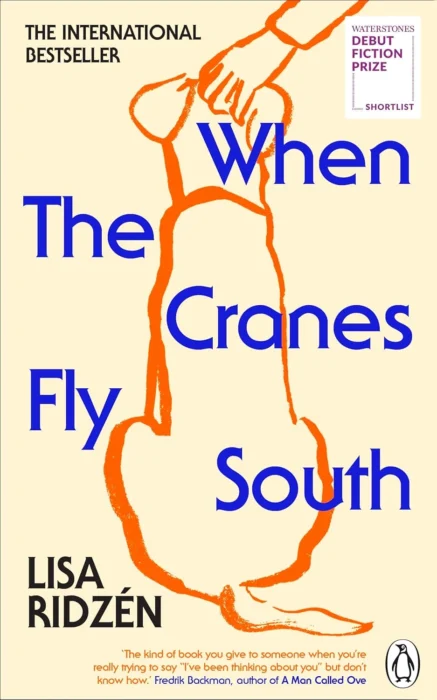
When the Cranes Fly South/ Lisa Ridzén
Kindle Edition, 2024, 311 Pp
דירוג SIVI –
איכות אודיו –
When the Cranes Fly South is a novel about the end of life, but not about death.
Death is almost taken for granted here. What truly unsettles is the way life keeps going right before the end, when the body betrays you, time shrinks, and you remain lucid enough to understand that control is being taken away.
Bo, an old and ill man, narrates his final days in the present tense. Not as nostalgia, not as a summing up, but as an ongoing struggle for the right to remain a person even after he has become a “case.” His mind is sharp, his memories are active, his will is clear. Opposite him stands an entire system: a loving son, devoted carers, doctors, and care logs. Almost everyone acts, ostensibly, out of concern. Almost everyone, through that same motion, reduces him.
The novel’s structure works like a vise. One axis documents, with clinical precision, Bo’s shrinking into “care notes.” The other retreats into the past: a childhood with a strict, sometimes violent father, a soft and protective mother, and the flight south that once was his last sovereign act. Not a perfect life, but a life he still held.
The central conflict is not biological. It is existential. A fight for the right to remain a subject in a world that insists on defining you as a statistic of symptoms. Between a man who feels, remembers, and wants, and an environment that grows used to speaking about him in the third person while he sits right there. The care logs, supposedly neutral, expose how the language of compassion becomes a tool of silencing. This is hygienic, polite violence. It leaves no bruises, yet it compresses an entire life into lines, symptoms, and “reasonable” decisions.
You can argue about the degree of Bo’s lucidity. You cannot argue about what they allow themselves to do to him once he looks weak. The choice is not between neglect and control. The choice is whether to include him in the decision or decide in his place. The claim here is not that autonomy overrides every consideration, but that responsibility must not replace a person’s right to choose what still holds him in the world.
The book’s defining moment, the one you cannot shake, is the taking of the dog, Sixten. The dog is not an emotional ornament. He is Bo’s last anchor in the world, the one thing that keeps him connected to the will to live. Maybe Sixten would be better off elsewhere. That is not the point. The point is why “the dog’s best interest” becomes a verdict that cancels the human being’s best interest.
That scene gains deeper weight through a childhood memory: the previous dog, Buster, who was taken “hunting” by the father and shot. Back then, the violence was overt, a decision without excuses. Here, the violence is wrapped in care: “He’ll be better off,” “It’s for his own good.” Not that the son is the father, but that the experience returns. Once again, someone else decides for Bo about the thing he loves. A ruling in the name of goodness becomes a sentence on his selfhood. If childhood violence was physical and direct, here it is wrapped in cellophane, and it leaves him no right of appeal.
The parallel between Bo’s father and Bo’s son is not stated outright, and it is not a direct accusation. This book is too intelligent for that. It offers a continuum: an intergenerational chain of control, in which each generation is convinced it is acting differently, better, more morally. And yet the outcome remains the same: the stripping of autonomy in the name of love.
Bo’s wife, institutionalized with advanced dementia, is a figure of absence. She does not remember him, does not remember their son, and their single encounter is not comforting but breaking. Through Bo’s memories of her, his longing for stability and wholeness is revealed, for a place where he did not have to fight for his very existence. The family collapses from both directions: the mother erased, the father weakening, and the son left to manage the shards while becoming part of the very mechanism that harms.
This is a book about the loss of autonomy, the loss of decision-making, and the body’s betrayal. More than anything, it is a book about the soothing myth that presents old age as a time of grace and reconciliation. Ridzén dismantles that myth and replaces it with a cruel moral arena in which the decisive question is who holds the keys to autonomy.
When the Cranes Fly South does not ask for pity; it asks for a direct stare.
And it leaves the reader with a question no one enjoys asking, but no one can evade:
If you take from a person the last thing that keeps him alive, in the name of his “good,” for whom do those remaining days actually remain?
לגלות עוד מהאתר Sivi's Books
Subscribe to get the latest posts sent to your email.
נושא עצוב מאוד. תודה על הסקירה